There’s something oddly comforting about a good movie villain. They give shape to the things we’re afraid of, and then, decades later, studios keep finding new ways to bring them back, sometimes brilliantly, sometimes not. Looking at where these characters started and where they’ve ended up says a lot about how horror and fantasy have shifted with the times.
What follows is a look at eight villains who defined their genres, paired with an honest account of where they stand today, whether that’s a triumphant return, an awkward stumble, or a legacy quietly waiting for its next chapter.
Darth Vader: from silent menace to franchise cornerstone
Darth Vader: from silent menace to franchise cornerstone (Image Credits: Unsplash)
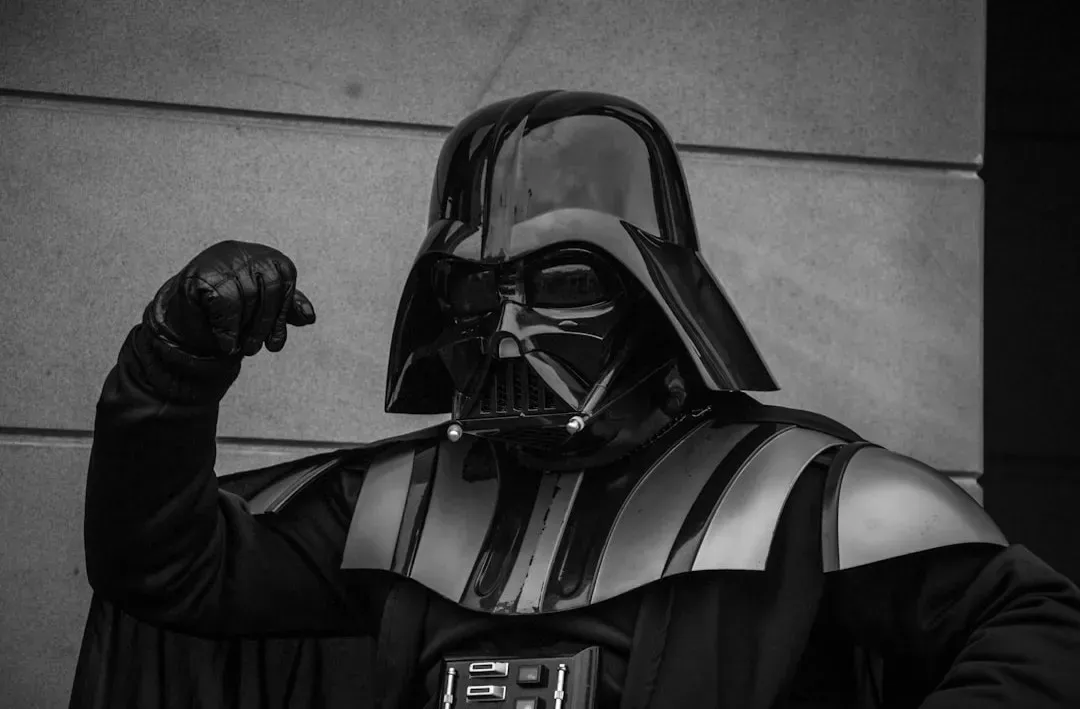
When Darth Vader first strode onto screen in 1977, he was pure intimidation distilled into a black mask and a mechanical rasp. James Earl Jones’s voice did most of the emotional heavy lifting, while David Prowse’s physical presence gave the character its unmistakable silhouette. The reveal that Vader was Luke’s father in 1980 turned him from a faceless enforcer into one of cinema’s most tragic figures, a shift that still shapes how villains are written today.
These days, Vader functions less as a single character and more as a piece of mythology that Lucasfilm returns to whenever it wants instant weight. His appearances in later Star Wars television projects have leaned into his legacy as a fallen hero rather than a fresh threat. The character’s power now comes from nostalgia and recognition as much as from anything happening on screen in the moment, which is a different kind of villainy than the one that first walked through those blast doors.
The Joker: from Oscar winner to costly misstep
The Joker: from Oscar winner to costly misstep (Image Credits: Wikimedia)
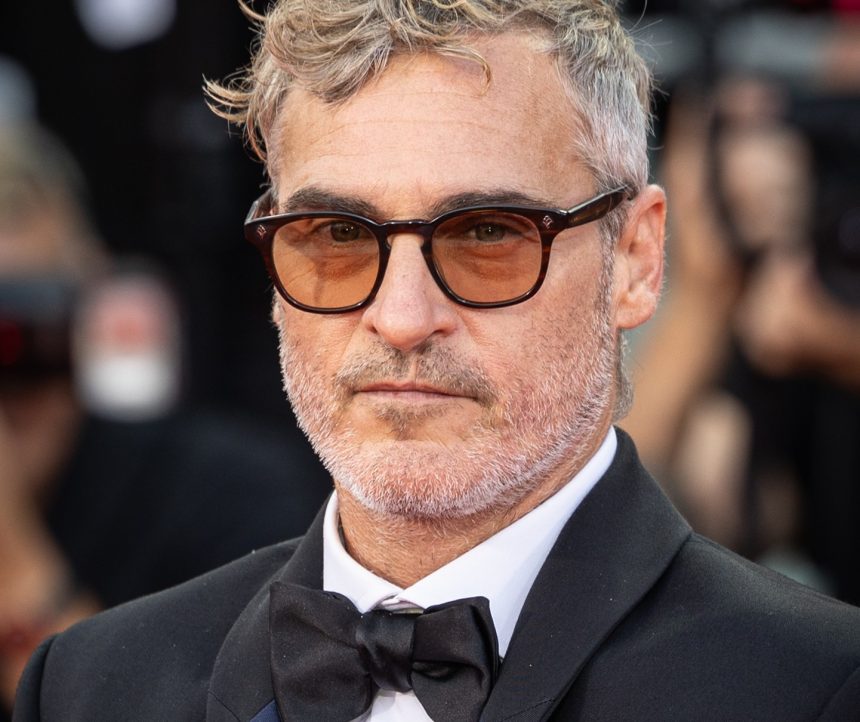
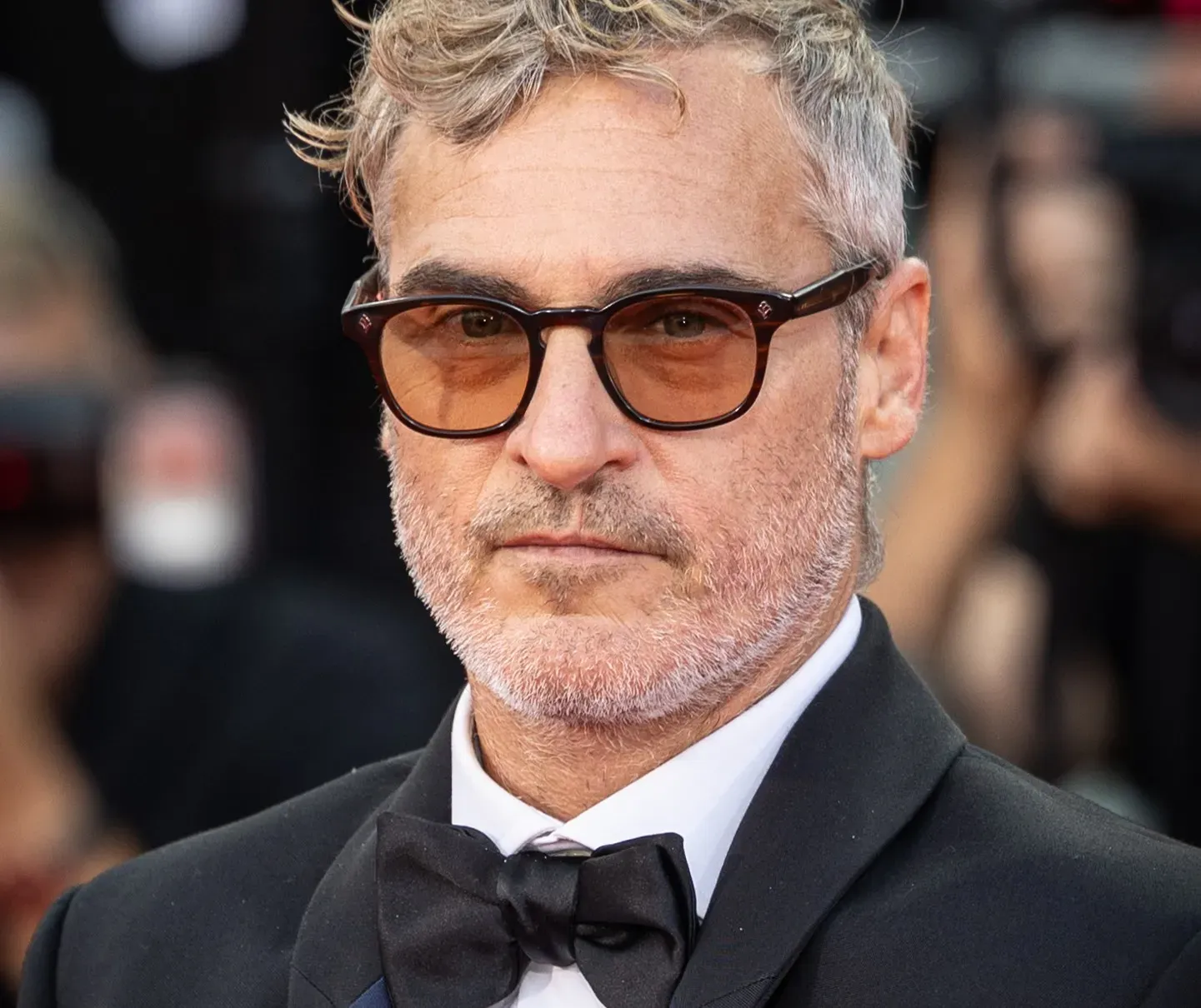
Todd Phillips’s 2019 film reframed the Joker as a study in social isolation, and audiences responded in a big way. Joaquin Phoenix’s performance earned him a Best Actor Oscar, and the film became an unlikely and undisputed box office champion with $335 million in North America and $1.078 billion worldwide, standing at the time as the highest grossing R-rated movie in history.
The sequel told a very different story. Joker: Folie à Deux, starring Joaquin Phoenix and Lady Gaga, brought in a tragic $37.8 million in its first weekend of release, and it never recovered from there. It became the first Hollywood comic book movie in history to earn a D CinemaScore from audiences, and the film was poorly received by critics and became a box-office bomb, grossing $208 million on a $190–200 million budget. A character once celebrated for reinventing the comic book villain ended up as a cautionary tale about betting too heavily on a musical detour audiences never asked for.
Pennywise: from campfire nightmare to prestige horror lead
Pennywise: from campfire nightmare to prestige horror lead (Image Credits: Flickr)
Stephen King’s shape-shifting clown terrified readers in 1986 and then a generation of moviegoers through Tim Curry’s 1990 television performance. Bill Skarsgård reintroduced Pennywise to a new audience in 2017’s It and its 2019 sequel, trading Curry’s theatrical camp for something colder and more unsettling. The films leaned hard into scares tied to childhood trauma, a theme that carried directly into what came next.
Skarsgård has now stepped back into the role for It: Welcome to Derry, which premiered on HBO on October 26, 2025, serving as a prequel that digs into the town’s history rather than just the monster’s kills. On Rotten Tomatoes, 80% of critics’ reviews are positive, with the consensus noting that the series “compellingly deepens the myth of Pennywise through sharp social commentary.” The show has apparently reframed Pennywise less as a jump-scare machine and more as a symptom of a town’s buried rot, which is a genuinely different creative angle than the films took.
Michael Myers: from silent stalker to multi-format icon
Michael Myers: from silent stalker to multi-format icon (Image Credits: Pexels)
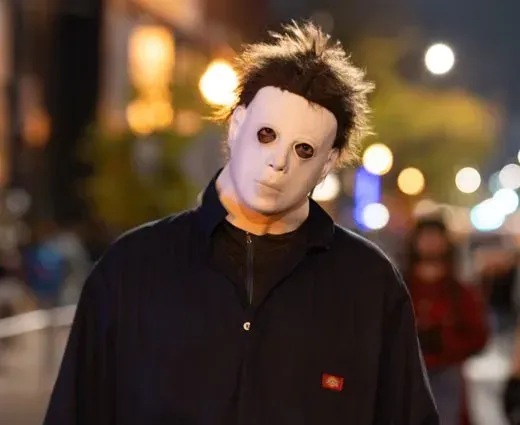
John Carpenter’s 1978 original made Michael Myers terrifying precisely because he barely did anything except walk, slowly and relentlessly, toward his victims. That stripped-down menace spawned an American slasher media franchise that consists of thirteen films, as well as novels, comic books, video games and other merchandise. David Gordon Green’s trilogy, capped by Halloween Ends in 2022, seemed to close the book on Jamie Lee Curtis’s version of the story.
Myers hasn’t stayed quiet, though. A new asymmetrical horror video game puts players directly in his shoes, and it’s notable that this marks the first time Michael has been played by a diverse actor, alongside returning original performer Nick Castle. Halloween: The Game launches on September 8, 2026, giving the Boogeyman a fresh format decades after his debut, while a separate Halloween television series is still reportedly in development at Miramax, expected to focus on characters other than Laurie Strode.
Lord Voldemort: from Ralph Fiennes’s shadow to an open casting mystery
Lord Voldemort: from Ralph Fiennes’s shadow to an open casting mystery (Image Credits: Flickr)
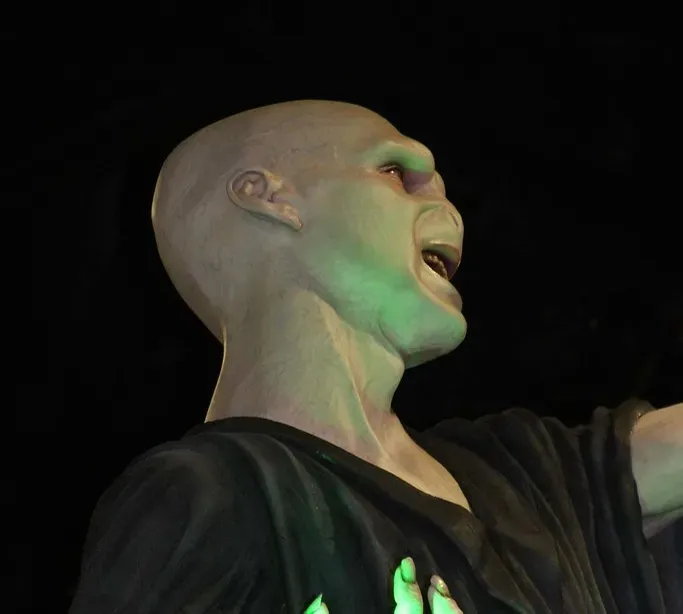
Ralph Fiennes turned Tom Riddle’s transformation into pure menace, stripping away his nose and humanity in equal measure across the Harry Potter films. His performance became so definitive that the actor’s transformation into the vindictive Dark Lord became a master class in menace, leaving Fiennes inextricably linked to the iconic character. For nearly two decades, there was really only one Voldemort in most people’s minds.
That certainty has dissolved heading into HBO’s new adaptation. As of mid-2026, HBO boss Casey Bloys has confirmed that Voldemort has not been cast yet, telling reporters plainly, “No, we have not.” Names like Cillian Murphy, Paul Bettany, and Tilda Swinton have circulated in the press, though some of these actors have spoken out to debunk the rumors, with Murphy categorically denying he’s been cast. Even Fiennes has weighed in, noting he once hoped to reprise the part but now believes “that ship has sailed.” With the series set to premiere Christmas 2026 on HBO, one of literature’s most recognizable villains is, for now, a blank slate again.
Hannibal Lecter: from cannibal psychiatrist to cultural shorthand
Hannibal Lecter: from cannibal psychiatrist to cultural shorthand (Image Credits: Pexels)
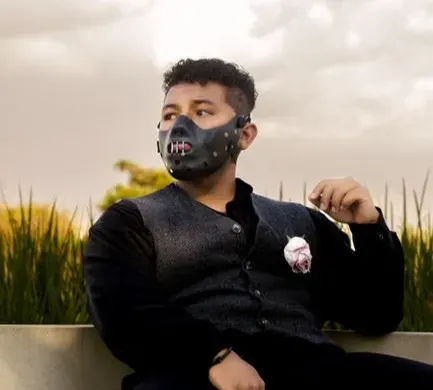
Anthony Hopkins needed only a handful of scenes in The Silence of the Lambs to create a villain whose calm, courteous menace became more frightening than any amount of on-screen violence. His performance won an Academy Award despite limited screen time, a rarity that speaks to how completely he owned every moment. Lecter’s mystique came from restraint, from letting silence and precise diction do the frightening.
In the years since, other actors have tried on the role, from Brian Cox’s earlier take in Manhunter to Mads Mikkelsen’s more seductive interpretation in the television series Hannibal. Each version has approached the character differently, some leaning into intellect, others into intimacy with violence, but none have fully displaced Hopkins’s original portrayal in public memory. Lecter now exists less as a single performance and more as an archetype, the refined, articulate monster that other villains are still measured against.
Freddy Krueger: from dream-stalking joker to a franchise in limbo
Freddy Krueger: from dream-stalking joker to a franchise in limbo (Image Credits: Wikimedia)
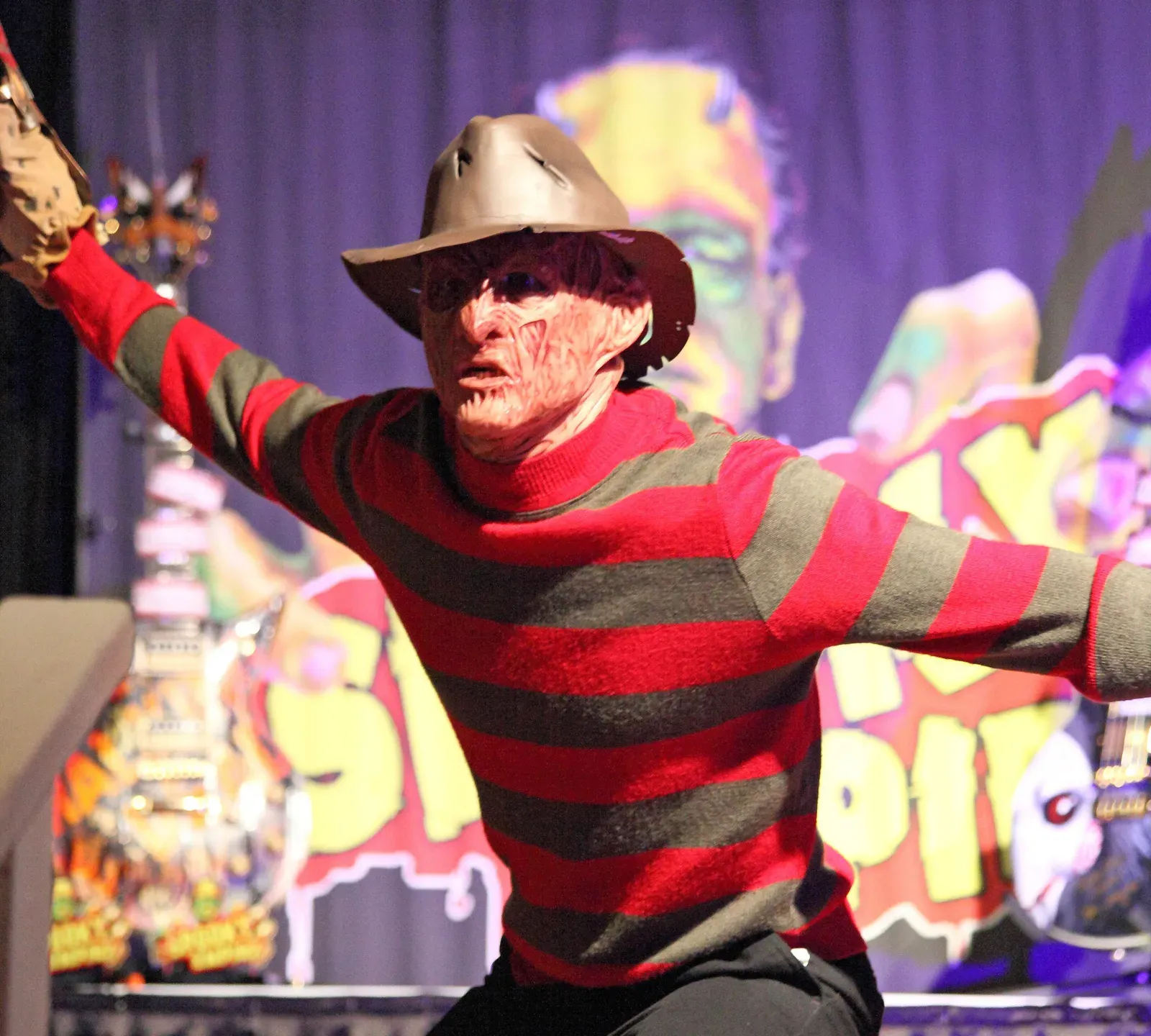
Robert Englund’s burned, wisecracking dream demon gave slasher villains a personality they hadn’t really had before. Freddy Krueger’s blend of horror and dark humor across the original Nightmare on Elm Street series set him apart from the silent killers dominating the genre at the time. He talked, taunted, and clearly enjoyed his work, which made him uniquely unsettling and, in a strange way, entertaining.
The 2010 remake attempted to strip away the humor in favor of a grimmer take, and the reaction from longtime fans was decidedly mixed. Since then, Krueger has largely stayed dormant on the big screen, appearing mostly in nostalgia-driven merchandise, retrospectives, and the occasional crossover game cameo rather than any major new film or series. Compared to his slasher peers, Freddy currently sits in a strange kind of hibernation, beloved but without a clear next act.
Sauron: from a flaming eye to a familiar, human face
Sauron: from a flaming eye to a familiar, human face (Image Credits: Unsplash)
For most of cinematic history, Sauron existed as pure abstraction, a fortress, a tower, an eye of fire glimpsed from a distance in Peter Jackson’s trilogy. He was less a character than a looming threat, something the story’s true heroes reacted to rather than argued with. That distance was part of what made him effective, but it also meant audiences never really got to know him.
The Rings of Power changed that entirely by giving Sauron, played by Charlie Vickers, a human face and a disguise the audience spends time trusting before the truth comes out. Season 3 is all set to revolve mainly around the downfall of Numenor, with the Dark Lord seeking to craft the One Ring that will give him the edge he needs to win the war, bind all peoples to his will, and at last rule all Middle-earth. That new season is confirmed to premiere on November 11, 2026, and Vickers has hinted the character will grow “more emboldened” as his power nears its peak, a version of Sauron built on charm and manipulation rather than distant, fiery menace.
Taken together, these eight cases show that a great villain rarely stays fixed in one form. Some, like Vader and Lecter, become cultural shorthand that later projects lean on rather than reinvent. Others, like Pennywise and Sauron, get genuinely rebuilt by writers willing to dig into motivation and backstory in ways the original films never had room for. And a few, like the Joker’s ill-fated sequel, remind us that revisiting a villain is no guarantee of lightning striking twice. Whatever shape they take next, these characters seem destined to keep resurfacing, because audiences never really stop being curious about what makes them tick.
Partner offer
Partner offer
Planning a trip to Vegas?
Compare hotel rates and show tickets on VEGAS.com.