Long before the desk, the monologue, and the nightly band intro, a good number of late-night’s most familiar faces were sitting somewhere far less glamorous: a cramped writers’ room, pitching jokes that other people might say on camera. It’s a path that rarely gets the spotlight, yet it shaped how these hosts think about comedy, structure, and timing long before anyone handed them a microphone of their own.
1. Conan O’Brien

Before his hosting career, O’Brien was a writer for the NBC sketch comedy series Saturday Night Live from 1988 to 1991, and the Fox animated sitcom The Simpsons from 1991 to 1993. He wasn’t a household name yet, just a Harvard-educated comedy nerd grinding out sketches in a room full of bigger personalities. O’Brien joined SNL’s writing staff in 1988 after getting his start in television as a writer on the sketch comedy show Not Necessarily the News.
His work on The Simpsons, including scripts for beloved early episodes, built a reputation as a sharp, structurally minded writer rather than a performer. He was a writer and producer for The Simpsons for two seasons until he was selected by Lorne Michaels and NBC to take over David Letterman’s position as host of Late Night in 1993. It was an unlikely jump from anonymous scribe to network host, and one that took years for critics to fully embrace.
2. David Letterman
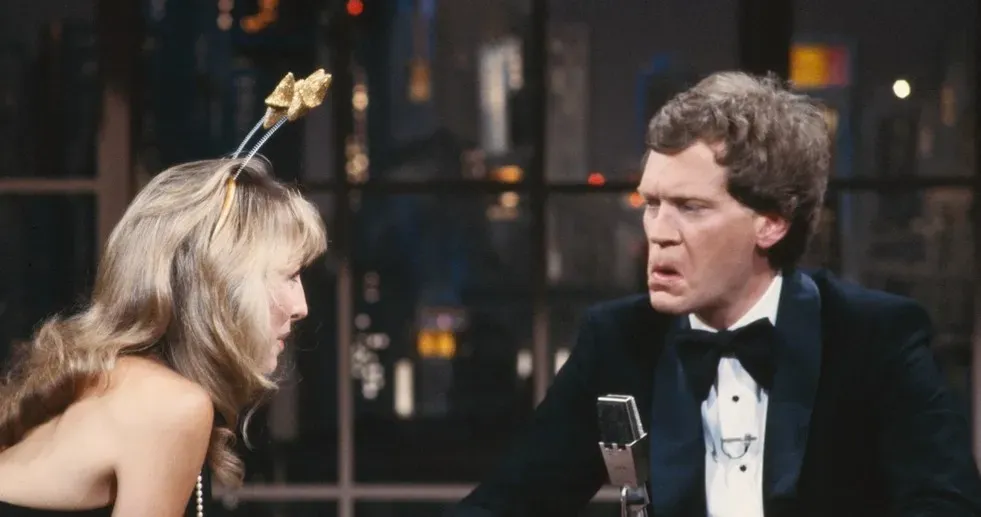
David Letterman’s route into late night ran through television writing rooms well before he ever sat behind a desk of his own. In 1975, encouraged by his then-wife Michelle and several of his Sigma Chi fraternity brothers, Letterman moved to Los Angeles, California, with the hope of becoming a comedy writer and performer. That ambition led him into rooms writing jokes for other comics before he ever built his own act.
Jimmie Walker saw him on stage; with an endorsement from George Miller, Letterman joined a group of comedians whom Walker hired to write jokes for his stand-up act, a circle that also included future comedy heavyweights. From there, by the summer of 1977, Letterman was a writer and regular on the six-week summer series The Starland Vocal Band Show, broadcast on CBS. Those writing credits, unglamorous as they were, gave him the foundation for the sensibility that eventually reshaped late night television entirely.
3. Seth Meyers
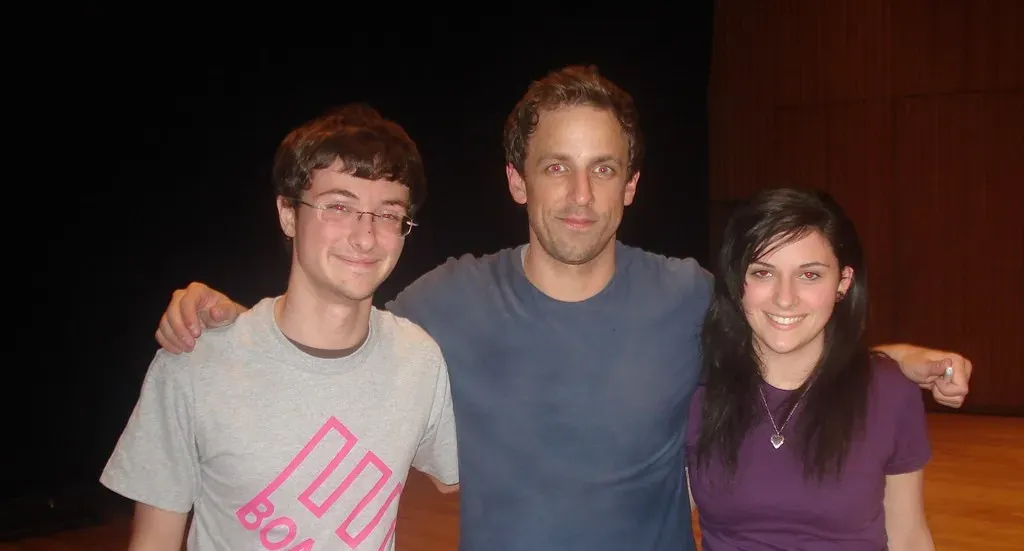
Seth Meyers spent more than a decade behind the scenes at Saturday Night Live before he ever hosted his own show. Prior to Late Night, Meyers was a cast member and head writer for NBC’s sketch comedy series Saturday Night Live from 2001 to 2014, and hosted the show’s news parody segment, Weekend Update. That head writer title mattered; it meant shaping the entire show’s comedic direction week after week, not just performing in it.
Seth was named writing supervisor in October 1, 2005 at the start of season 31, and was promoted to head writer midway through the season on January 14, 2006. That climb through the writing ranks, working alongside Tina Fey and later leading the room solo, gave him the editorial instincts that now define his current show’s topical, monologue-driven format. When NBC needed someone to fill the Late Night chair after Jimmy Fallon moved up, Meyers’s writing pedigree made him a natural, low-risk choice.
4. Stephen Colbert
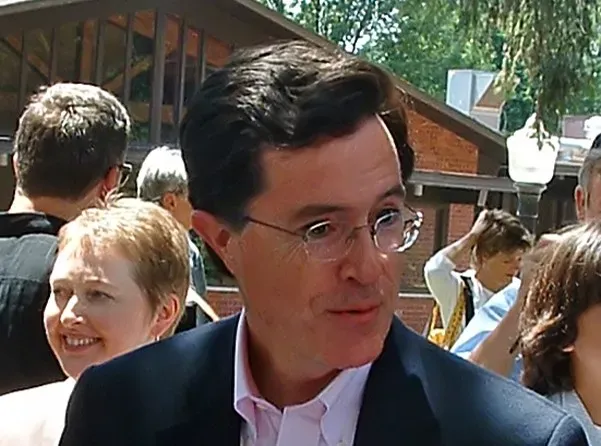
Stephen Colbert’s comedic identity was forged largely as a writer and performer for The Daily Show, where he spent years crafting the segments and correspondent bits that eventually became his trademark. He joined the show in its earlier Craig Kilborn era and helped build the satirical news format that Jon Stewart later sharpened into a cultural institution. Much of Colbert’s early work involved shaping scripts and character-driven pieces rather than simply reading someone else’s lines.
That writing background carried directly into The Colbert Report, a show he co-created and helped write from the ground up, long before CBS handed him the Late Show desk. The transition from writer-performer to full-fledged host was gradual, built on years of shaping his own material rather than arriving fully formed. It’s part of why his satirical instincts feel so specific and consistent across formats.
Partner offer
5. Larry Wilmore
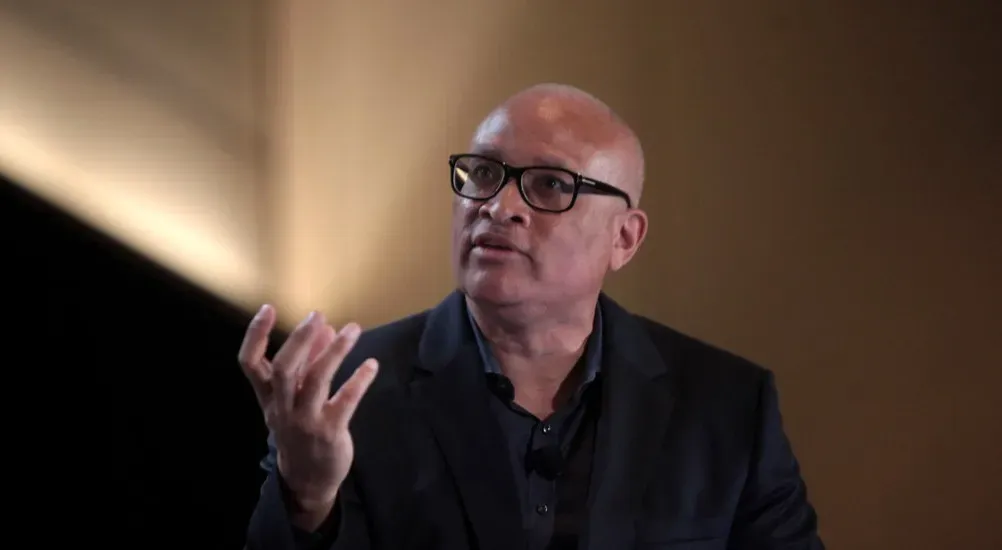
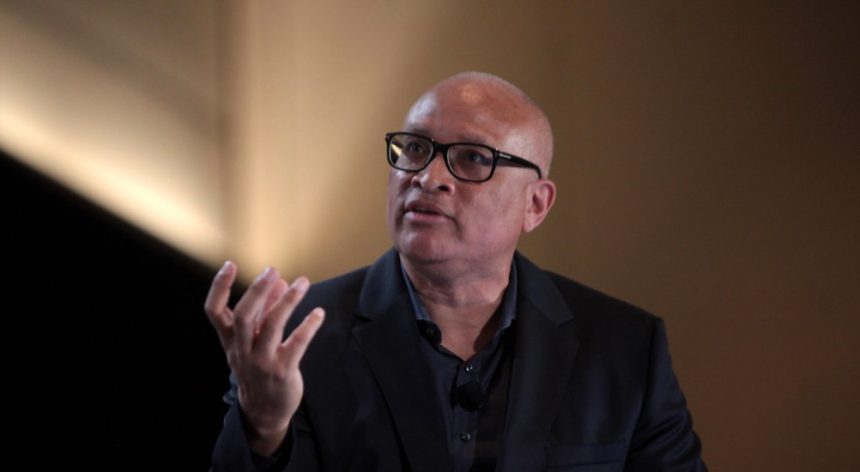
Larry Wilmore’s path to hosting ran almost entirely through writers’ rooms rather than stand-up stages. He built his early reputation as a writer and producer on sitcoms, eventually becoming a respected showrunner known for shaping tone and structure rather than performing jokes himself. His work as a producer on shows like The Bernie Mac Show demonstrated a writer’s sensibility long before he stepped in front of a camera regularly.
That behind-the-scenes credibility eventually led him to The Daily Show as a senior black correspondent, a role built on scripted satire rather than improvisation. From there, Comedy Central tapped him to host The Nightly Show, a program staffed by writers who, much like Wilmore himself, had cut their teeth crafting jokes rather than delivering them. It made him one of the more unusual late-night hosts, someone whose writing career quietly outlasted his time as an on-camera personality.
6. Jimmy Kimmel

Jimmy Kimmel’s early career was built more on writing and producing comedy than performing it. Before landing his own late-night show, he co-created and wrote for The Man Show alongside Adam Carolla, a program defined by its writers’ room sensibility as much as its on-screen antics. He also worked as a writer and producer on Crank Yankers, further establishing himself as someone who shaped comedy from behind the scenes.
That writing and producing experience gave Kimmel a practical understanding of pacing, structure, and audience reaction well before ABC gave him Jimmy Kimmel Live. It’s a less flashy origin story than some of his late-night peers, but it explains the sketch-heavy, bit-driven format that still defines his show. Writers’ room instincts, it turns out, translate surprisingly well to hosting duties.
7. James Corden

James Corden’s route to The Late Late Show ran through British television writing rooms long before American audiences knew his name. He co-wrote and co-created Gavin & Stacey, a sitcom that required him to shape scripts, character arcs, and comedic timing rather than simply deliver punchlines written by someone else. That writing credit remains one of his most respected creative achievements in the UK.
His years spent writing for stage and screen gave him a structural understanding of comedy that later showed up in the games and bits that defined his American late-night run, including the widely shared Carpool Karaoke segments. Corden’s writing background is easy to overlook given his performer-first public image, but it shaped how his show was built from the ground up. Few hosts arrived with as much scripted comedy experience under their belt.
8. Craig Ferguson
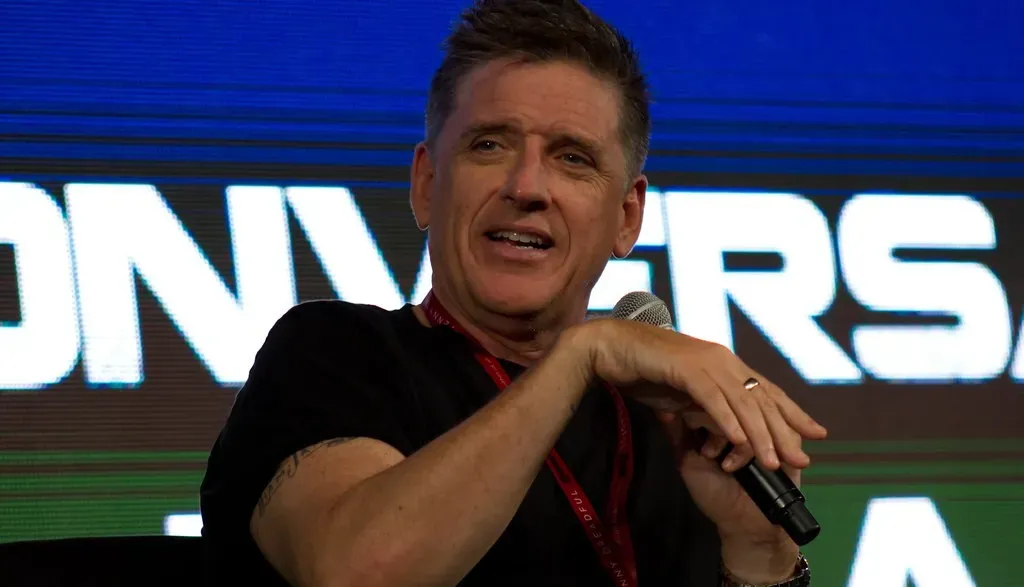
Craig Ferguson’s comedic foundation was built in British writers’ rooms and stand-up circuits long before CBS gave him The Late Late Show. He wrote and performed material for various UK television and radio projects, developing a distinctly literate, off-the-cuff style that depended heavily on scripted preparation even when it looked improvised. That writing background gave him unusual comfort discarding cue cards altogether once he became a host.
His years shaping his own material, rather than simply performing someone else’s, gave Ferguson a reputation for unpredictability that set his show apart from more tightly formatted competitors. Critics often noted that his monologues felt closer to stand-up essays than typical late-night openers, a habit rooted in years of writing his own voice rather than delivering scripted lines handed to him. It made his eventual departure from late night in 2014 feel like the end of one of the format’s more genuinely writer-driven runs.
These eight paths look different on the surface, spanning sketch comedy, sitcoms, satirical news, and British television, but they share a common thread. Each host spent formative years learning comedy from the inside of a script rather than simply performing in front of one, and that early discipline still shows up in how they structure a monologue or build a bit today.Partner offer
Planning a trip to Vegas?
Compare hotel rates and show tickets on VEGAS.com.