Almost every bookshelf has one. It’s the thick, respected paperback with a cracked spine near the first fifty pages and a bookmark that hasn’t moved in years.
Plenty of readers will say so openly. Goodreads once asked its members which classics they had started and never completed, and the answers were revealing. Not every book on the list below comes from that survey, but each is regularly named by people who gave up partway.
Catch-22 by Joseph Heller

Heller’s 1961 satire of wartime bureaucracy topped the abandoned classics list in a 2013 Goodreads compilation, according to a report in The Independent. That’s a striking result for a book many people were assigned in school and still talk about fondly.
The trouble for many readers is the structure. The story loops back on itself, retells the same events from new angles, and keeps its jokes circular on purpose. If you want a straight line from start to finish, it can feel like walking in a very clever circle.
The Lord of the Rings by J.R.R. Tolkien
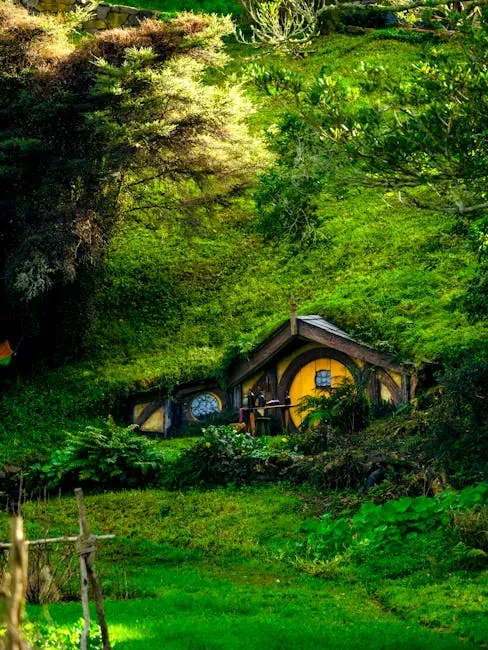
Second place on that same list went to Tolkien’s epic. It was grouped with other notoriously verbose novels, which says something about how readers perceive its pace.
It was published in three volumes in the mid 1950s, and the early chapters spend a lot of time on hobbit life, genealogy, and walking. Films may also play a part. When the story is already familiar from the screen, the pull of wanting to know what happens next gets weaker.
Ulysses by James Joyce
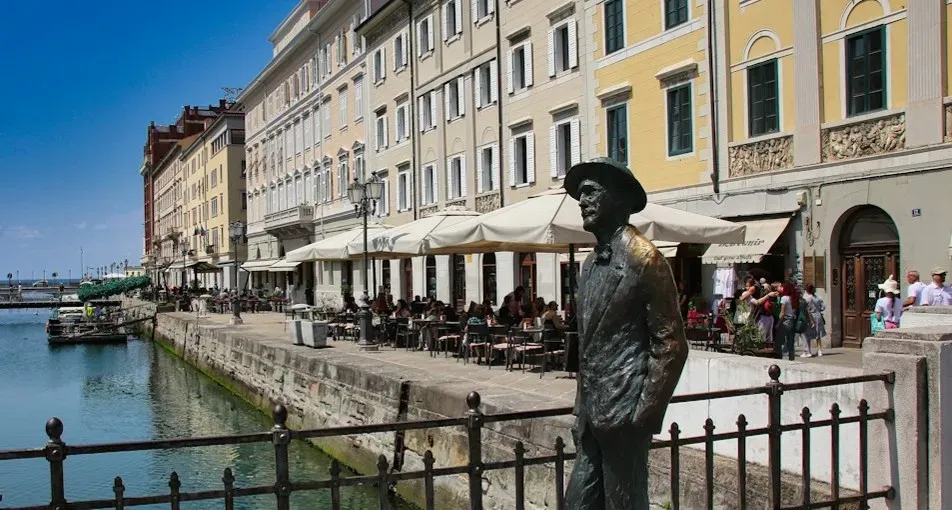
Joyce’s 1922 novel follows a single day in Dublin, and it has a reputation as the book people buy to prove they’ll finish it. It sits third among the top five abandoned classics in the Goodreads data, between Tolkien and Melville.
The difficulty is partly stylistic. Each episode shifts its voice and technique, and many passages lean on references that a modern reader has to look up. Plenty of people do finish it, usually with a companion guide or a reading group close by.
Moby-Dick by Herman Melville

Melville’s 1851 whaling novel is fourth on the same list. The plot, a captain’s obsession with a white whale, can be summed up in a sentence, which is part of the problem for some readers.
Between the dramatic scenes, the narrator stops to catalog whales, ropes, and the business of whaling in detail. Those chapters are the point of the book for some readers and the exit ramp for others. One possible explanation is that adaptations can drain away the sense of wondering what happens next.
Atlas Shrugged by Ayn Rand

Rand’s 1957 novel rounds out the top five. It appears alongside Catch-22, Tolkien, Joyce, and Melville in the Goodreads results, and it’s the only one of the group that’s as much a philosophical tract as a story.
Its length is a big hurdle, and so are its long speeches, which stop the plot to explain the author’s ideas. Readers who agree with those ideas and those who don’t both report hitting a wall somewhere in the middle.
Middlemarch by George Eliot

Eliot’s novel, published in installments in 1871 and 1872, often gets called one of the great English novels. It also shows up on lists of famous books that people rarely seem to finish.
The pace is deliberate. It follows a whole provincial town, with marriages, money, and medicine unfolding slowly, and the reward comes from accumulation rather than incident. Readers who stay with it tend to describe a payoff, but you have to be willing to wait for it.
The Brothers Karamazov by Fyodor Dostoevsky

Dostoevsky’s final novel appeared in 1880 and is regularly named among the famous books people say they never complete. A murder mystery sits at its center, yet the book keeps pausing for long debates about faith, doubt, and suffering.
Russian naming habits add friction, since one character can appear under a formal name, a patronymic, and a nickname. Many readers lose track early and quietly set the book down. A character list on a bookmark is a common fix.
War and Peace by Leo Tolstoy

Tolstoy’s 1869 novel has become shorthand for a book that is too long to attempt. It covers the Napoleonic era in Russia and follows a large cast of aristocratic families, with battle scenes and historical essays woven in.
The length varies by edition but usually runs well past a thousand pages. Plenty of readers get through the family drama and stall during the military and philosophical stretches. Splitting it into small daily chunks is a popular way to make it manageable.
Don Quixote by Miguel de Cervantes
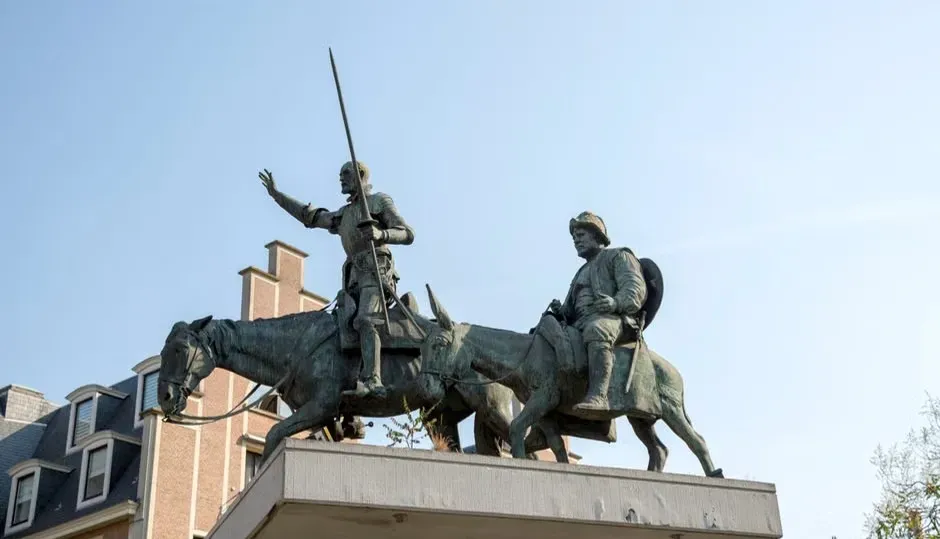
Cervantes published the first part of Don Quixote in 1605 and the second in 1615, and the book is often called the first modern novel. Its basic idea is easy to love: a man who has read too many chivalric romances sets out to live one.
The problem is repetition. Episodes follow a similar pattern of delusion, a beating, and a recovery, and inserted stories sometimes interrupt the main thread. Readers who quit often stop after the famous windmill scene, which comes early in the first part.