Some plot twists announce themselves early, a suspicious character here, a strange line of dialogue there. Then there are the twists that arrive with no warning at all, the ones that make you rewind the last ten minutes just to check you heard everything correctly. These eight films earned their reputations not through gimmicks but through careful construction, patient misdirection, and endings that reframed everything before them.
What follows is a look at the twists that still get discussed decades later, the ones that turned casual moviegoers into repeat viewers hunting for clues they missed the first time around.
The Sixth Sense and the truth about Malcolm Crowe
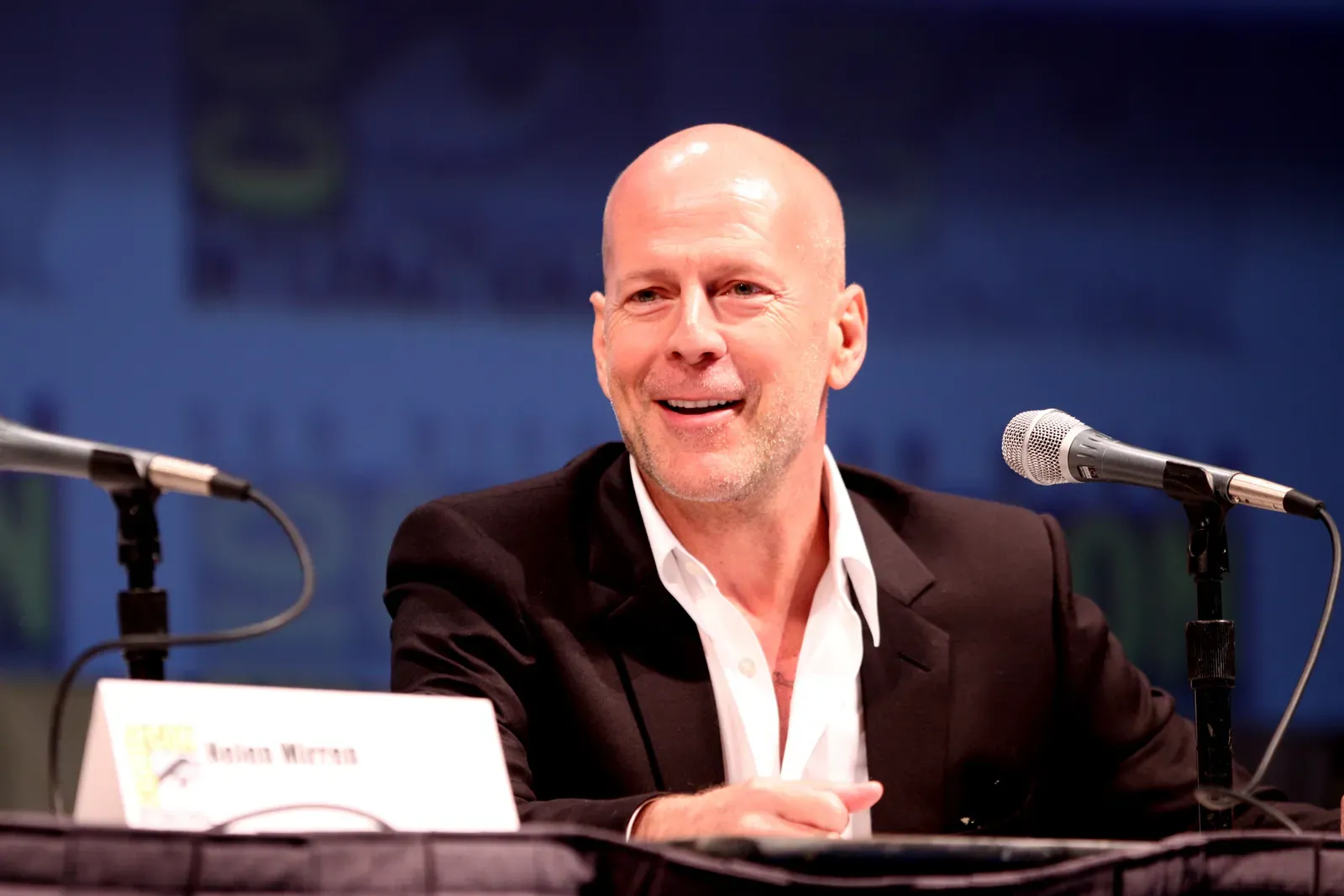
M. Night Shyamalan built his career on this single reveal, and it remains one of the most imitated twist structures in modern cinema. Bruce Willis plays child psychologist Malcolm Crowe, who spends the entire film treating a young boy named Cole who claims he sees dead people. The final minutes reveal that Malcolm himself has been dead since the opening scene, a fact the film hides through careful editing and dialogue that never directly contradicts the illusion.
The genius of the twist lies in its rewatchability. Once viewers know Malcolm is a ghost, small details, like other characters never speaking directly to him, suddenly make sense. The 1999 film grossed hundreds of millions worldwide and became a cultural touchstone for ending-driven storytelling, cementing Shyamalan as a filmmaker synonymous with the twist ending.
Fight Club and the narrator’s other half

David Fincher’s 1999 adaptation of Chuck Palahniuk’s novel spends most of its runtime convincing audiences that Tyler Durden, played by Brad Pitt, is a separate person entirely. The unnamed narrator, portrayed by Edward Norton, forms an underground fight club with Tyler and follows him into increasingly destructive territory. The reveal that Tyler is a dissociated projection of the narrator’s own psyche recontextualizes nearly every scene that came before.
Fincher planted visual clues throughout, including single-frame flashes of Tyler appearing before his official introduction, details many viewers only catch on repeat viewings. The film initially received mixed reviews upon release but has since been reassessed as one of the defining films of its era. Its structure around an unreliable narrator influenced countless psychological thrillers that followed.
The Usual Suspects and the identity of Keyser Söze
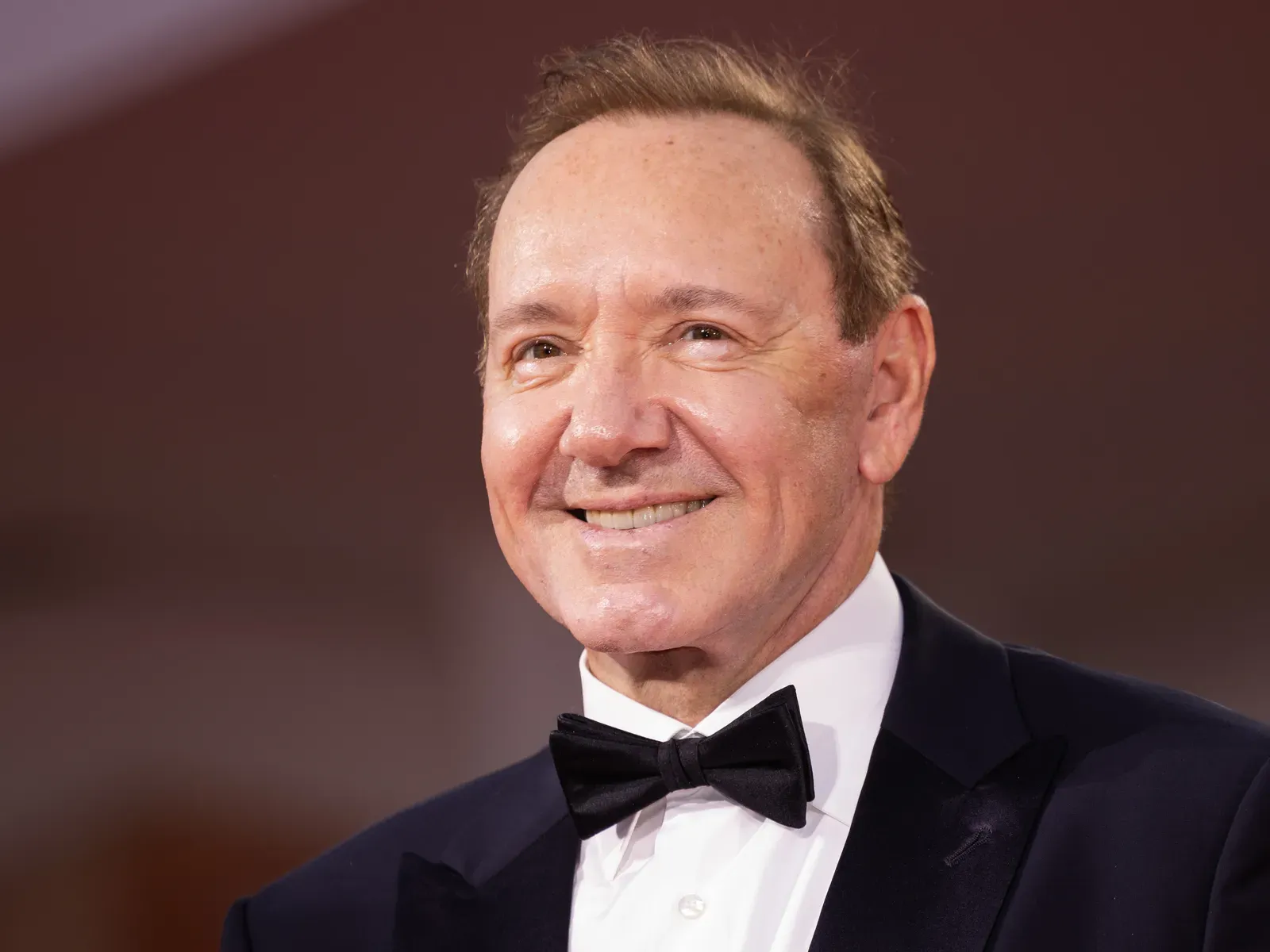
Bryan Singer’s 1995 crime thriller follows small-time criminal Roger “Verbal” Kint, played by Kevin Spacey, as he recounts a heist gone wrong to a police investigator. Throughout his testimony, Verbal describes a mythical crime lord named Keyser Söze, whose reputation for ruthlessness looms over the entire criminal underworld depicted in the film. The final scene reveals that Verbal himself has been Söze all along, and that his entire story was constructed from details lifted off the corkboard in the interrogation room.
The twist works because Spacey plays Verbal as meek and unassuming for nearly the whole film, never hinting at the calculation underneath. Screenwriter Christopher McQuarrie won the Academy Award for Best Original Screenplay for the film, and Spacey took home the Oscar for Best Supporting Actor. The ending has been studied in film schools as a textbook example of narrative misdirection through an unreliable narrator.
Oldboy and the horrifying family connection

Park Chan-wook’s 2003 South Korean revenge thriller follows Oh Dae-su, a man imprisoned without explanation for fifteen years before being released and given five days to find out why. As he hunts down his captor, the film builds toward a revelation involving hypnosis, manipulated memory, and a connection between Dae-su and his tormentor that ties back to a rumor Dae-su spread in high school. The twist reframes the entire revenge narrative as something far more tragic than a simple grudge.
Partner offer
The film’s climax, involving a devastating personal discovery about Dae-su’s own family, is considered one of the most unsettling reveals in modern cinema. Oldboy won the Grand Prix at the 2004 Cannes Film Festival and has since influenced a generation of filmmakers working in the revenge thriller genre. Its willingness to combine brutal violence with genuine emotional tragedy set it apart from typical genre fare.
Shutter Island and the doctor who was actually the patient

Martin Scorsese’s 2010 psychological thriller stars Leonardo DiCaprio as U.S. Marshal Teddy Daniels, investigating the disappearance of a patient at a remote psychiatric facility. Throughout the film, Teddy experiences disturbing flashbacks and hallucinations that he attributes to wartime trauma and grief over his wife’s death. The final act reveals that Teddy is actually Andrew Laeddis, a patient at the very facility he believed he was investigating, and that Teddy Daniels was an identity constructed by his own mind to escape the guilt of his wife’s death and his children’s drowning.
The film’s ambiguous final line has sparked years of debate over whether Andrew has genuinely accepted his identity or is choosing to remain in his delusion rather than face reality. Based on Dennis Lehane’s novel of the same name, the film leans heavily on unreliable perception, using color grading and sound design to blur the line between memory and fabrication. DiCaprio’s performance anchors the ambiguity, giving audiences just enough doubt to keep the ending open to interpretation.
Gone Girl and the wife who staged her own disappearance

David Fincher’s 2014 adaptation of Gillian Flynn’s novel initially presents itself as a missing person case, with Ben Affleck’s character Nick Dunne under suspicion after his wife Amy vanishes on their anniversary. Roughly halfway through, the film reveals that Amy staged her own disappearance and framed Nick for her murder, a plan she details through voiceover narration that had previously been used to build sympathy for her as a victim. The reveal turns the film’s entire structure on its head, transforming Amy from presumed victim into calculated antagonist.
Rosamund Pike’s performance as Amy earned her an Academy Award nomination for Best Actress, largely built on the tonal shift required to play both the sympathetic diary-voice Amy and the ruthless mastermind revealed later. The film grossed over 167 million dollars domestically and sparked widespread discussion about media portrayal of missing persons cases and marital dysfunction. Flynn herself wrote the screenplay, ensuring the twist retained the same cutting precision found in her original novel.
Parasite and the hidden man beneath the house

Bong Joon-ho’s 2019 film starts as a sharp class satire about the Kim family infiltrating the wealthy Park household through a series of fabricated credentials and cons. Just past the midpoint, the film reveals that the Park family’s previous housekeeper has been secretly hiding her husband in a bunker beneath the house for years, a detail that recontextualizes the film from social comedy into something far darker. This second layer of deception, hidden beneath the Kims’ own scheme, escalates the story toward the violent climax that follows.
Parasite made history as the first non-English language film to win the Academy Award for Best Picture, alongside wins for Best Director, Best Original Screenplay, and Best International Feature at the 2020 ceremony. Bong Joon-ho structured the film deliberately to shift genres roughly midway through, a choice he has discussed as central to the film’s design. The bunker reveal remains one of the most talked-about turns in recent international cinema, largely because it arrives without any prior visual hint.
The Prestige and the truth about Angier’s cloning device

Christopher Nolan’s 2006 film follows rival magicians Robert Angier and Alfred Borden, played by Hugh Jackman and Christian Bale, as their feud escalates into obsession and sabotage. The film’s central mystery involves Angier’s transported man trick, which audiences and Borden alike assume relies on some clever illusion or double. The final reveal shows that Angier actually built a working cloning machine, using it repeatedly and drowning the duplicate version of himself each night as part of the act.
The twist is compounded by a second reveal involving Borden, showing he has been operating as identical twins the entire film, a detail hidden through subtle differences in mannerism that only become clear on a second viewing. Nolan structured the film’s nonlinear timeline specifically to obscure both twists until the final act. The film has grown in critical estimation since its release, often cited among Nolan’s most rewatchable work precisely because of how much the twin reveal changes on repeat viewings.
Partner offer
Planning a trip to Vegas?
Compare hotel rates and show tickets on VEGAS.com.