
Hollywood loves a good origin story, and sometimes the best ones happen by accident. Plenty of films that studios wrote off as failures ended up finding their real audience years later, through video rentals, late-night cable, or word of mouth that spread slower than any marketing campaign ever could.
What follows is a look at eight movies that opened to disappointing numbers, sometimes downright disastrous ones, and went on to earn a devoted following that their original box office runs never predicted.
1. Blade Runner (1982)

Blade Runner initially underperformed in North American theaters and polarized critics; some praised its thematic complexity and visuals, while others critiqued its slow pacing and lack of action. Released the same summer as two much bigger crowd pleasers, it simply could not compete for attention. Its opening weekend of $6 million was seen as a decent start, but it quickly fell in later weeks due to heavy competition from other summer movies like Star Trek II: The Wrath of Khan and E.T. the Extra-Terrestrial, ending its run at a measly $27.6 million.
On a budget reported around thirty million dollars, that finish barely qualified as a break even, let alone a hit. Blade Runner later became a cult film, and has since come to be regarded as one of the greatest science fiction films ever made. Subsequent director’s cuts and a final cut released decades later only cemented its reputation as one of the most influential sci-fi films ever produced.
2. The Shawshank Redemption (1994)
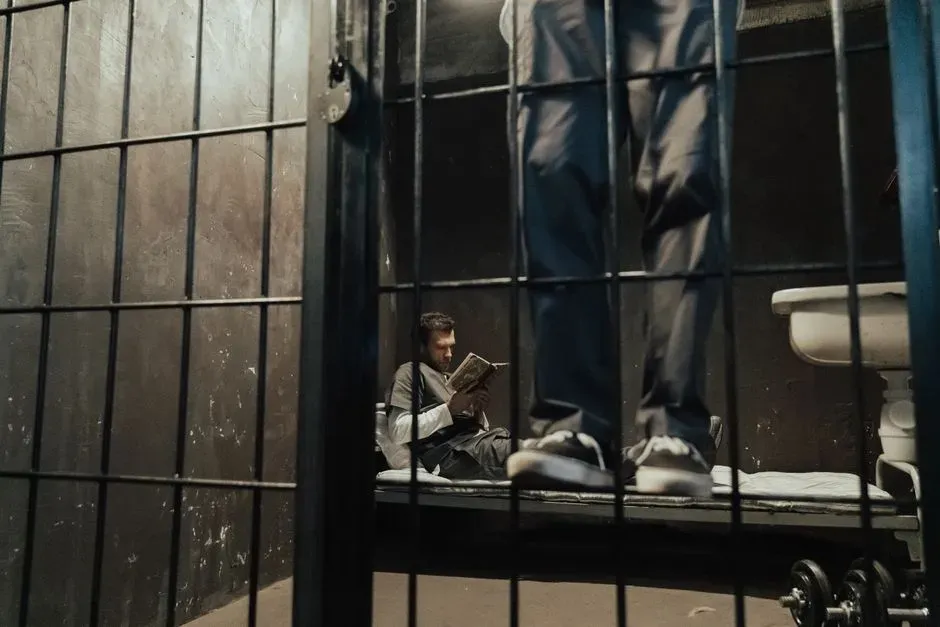
It seems almost impossible now, given its perch atop IMDb’s user rankings, but this prison drama barely registered with 1994 audiences. Against that $25 million budget, with a healthy marketing spend, and with a lot of competition drawing the attention of would-be ticket buyers, it was a huge commercial disappointment. Much of that competition came from an unlikely source that opened around the same time.
Whereas The Shawshank Redemption had received positive notices from test screenings, Pulp Fiction had already won the top prize at Cannes, the Palme d’Or, one of the most prestigious awards in cinema. Even the title worked against it, since author Stephen King himself later admitted he never cared for it. The film found new life through video rentals and cable reruns, eventually climbing into the cultural conversation it occupies today.
3. Fight Club (1999)

David Fincher’s adaptation of Chuck Palahniuk’s novel confused a lot of people on first contact. It earned just $100.8 million worldwide against a $63 million production budget, resulting in a modest profit that shrinks when considering additional costs like marketing and distribution. Critics were split too, with some dismissing it as glorified violence dressed up in irony.
Star Edward Norton has suggested the studio itself misunderstood the film’s tone. Despite its poor box office result, Fight Club has become one of the most iconic and widely quoted movies of all time, reportedly making a fortune from DVD sales and TV rights over the years. Its critique of consumer culture and masculinity aged into relevance rather than out of it, which is part of why it still gets referenced constantly today.
4. Donnie Darko (2001)

Few films had worse timing than this one. Donnie Darko grossed just over $7.5 million worldwide on a budget of $4.5 million, with a notable reason for its flop likely being that its marketing campaign centred on a plane engine crash scene just weeks before 9/11. That real world tragedy made the studio pull back promotional efforts almost entirely.
Theatrical distribution was so limited that most people never had a real chance to see it in a cinema. Critics lauded the movie’s dark tone and themes and praised the acting, but audiences found it to be too weird and stayed away from it in theaters, though it fortunately found an audience on home video and ended up grossing more than $10 million in DVD sales. That slow burn turned Jake Gyllenhaal’s performance and the film’s eerie, time bending plot into a genuine cult touchstone for an entire generation of home video renters.
Partner offer
5. The Big Lebowski (1998)

Following the critical success of Fargo, the Coen brothers’ next film landed with a thud. Reviews were mixed and it performed poorly in the States, taking just $17 million against a budget of $15 million before creeping to $46 million internationally. Critics at the time were not kind either.
Gene Siskel called the humor “uninspired” and said Kingpin was a much funnier movie set in the world of bowling, while USA Today said the Dude was “too passive a hero to sustain interest.” Time proved those early reviews shortsighted. The Dude went on to gross another $28 million internationally and grew into a legend after arriving on home video, becoming a defining role for star Jeff Bridges and even spawning its own annual festival, the Lebowski Fest.
6. Office Space (1999)

Mike Judge’s workplace satire had the misfortune of speaking to a frustration most people did not yet know they shared. Made for a somewhat modest $10 million, the comedy only outgrossed its production budget by $2 million, and considering marketing costs and theater cuts, that surplus quickly dwindled into a loss. Fox reportedly gave the film limited promotional push, and audiences largely ignored it during its brief theatrical run.
Home video told a completely different story. While the movie only barely recouped its budget at the box office, the home market was another story completely, and by 2003 it had racked up a whopping 2.6 million in combined sales between its VHS and DVD releases, a number that only continued to climb. Terms from the film, from the red Swingline stapler to complaints about a case of the Mondays, entered everyday office vocabulary long after its theatrical run ended.
7. The Rocky Horror Picture Show (1975)

Few films illustrate the gap between initial reception and long term legacy quite like this one. The musical comedy horror hybrid opened to poor reviews and thin audiences, and 20th Century Fox nearly shelved it entirely after its disappointing wide release. Rather than dying quietly, it found a second life at midnight screenings in small theaters willing to take a chance on repeat bookings.
Those midnight showings became ritualized events, complete with audience costumes, call and response lines, and prop throwing that turned attending the film into a participatory experience rather than passive viewing. That midnight movie phenomenon is largely credited with inventing the modern concept of interactive cult cinema. Decades later, the film still plays in select theaters every Halloween season, proof that its audience never really left.
8. Scott Pilgrim vs. the World (2010)

Edgar Wright’s stylized adaptation of Bryan Lee O’Malley’s graphic novels arrived with genuine buzz among comic book and gaming fans, yet it struggled to translate that enthusiasm into ticket sales. The film opened against stiff summer competition and never found the mainstream footing that its studio had hoped for, closing its run well short of expectations relative to its budget. Critics largely praised its inventive visual language, which borrowed heavily from video game logic and comic panel framing, but that same style may have made it feel unfamiliar to casual moviegoers.
In the years since, the film has become a reference point for an entire aesthetic movement in both cinema and television, influencing how directors visualize internal thoughts, fight sequences, and stylized text on screen. Streaming platforms and a devoted online fan base helped the film find the audience that theaters could not deliver. It now regularly appears on lists of the defining cult films of its decade, a reversal that would have seemed unlikely on its opening weekend.
Taken together, these eight films share a common thread. Each one asked something of its audience that mainstream moviegoers were not ready to give at the time, whether that meant patience with an unconventional structure, tolerance for a bleak subject, or simply the willingness to watch something more than once. Box office numbers capture a single moment, but reputation is built over years, and these films prove that the two do not always move in the same direction.
Partner offer
Planning a trip to Vegas?
Compare hotel rates and show tickets on VEGAS.com.