Some films end with a clean bow, wrapping up every loose thread before the credits roll. Others seem to end on purpose, leaving just enough unresolved that audiences walk out of the theater still arguing in the parking lot. The eight films below fall firmly into that second category, movies where the final scene sparked years of forum threads, video essays, and dinner table arguments that never quite settled.
1. Inception (2010)

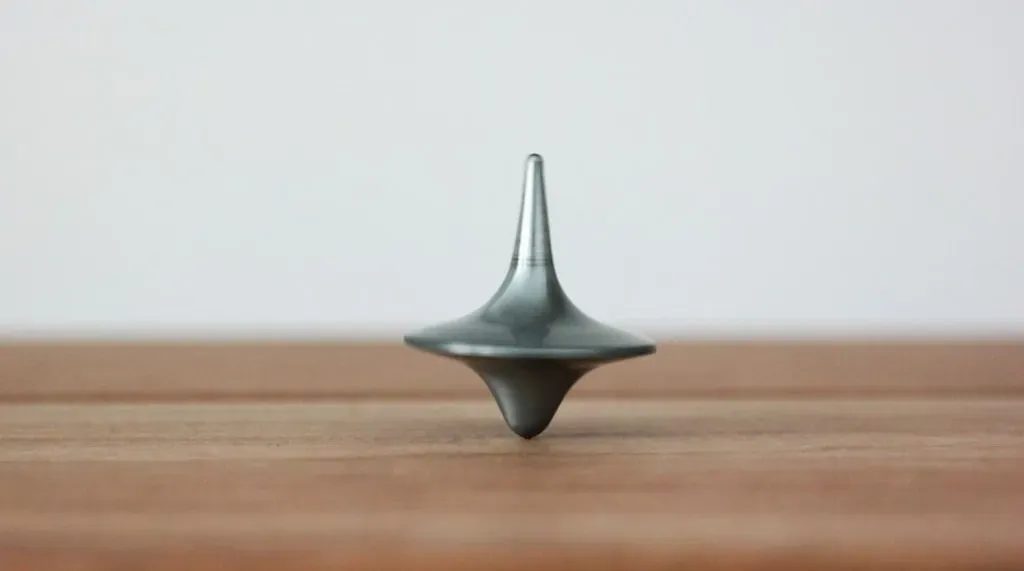
Christopher Nolan’s dream heist thriller ends with Dom Cobb spinning his totem, a small top, on a table before walking away to reunite with his children. The camera lingers on the top just long enough to wobble but never confirms whether it falls, meaning viewers never actually learn if Cobb is still dreaming or has finally returned to reality. Nolan has deliberately avoided giving a definitive answer in interviews over the years, which has only fueled the debate rather than closing it.
What keeps the argument alive is the level of detail Nolan built into the ambiguity itself. Cobb’s wedding ring appears and disappears throughout the film depending on which reality he’s supposedly in, and eagle eyed viewers still cite that detail as evidence for either side. More than a decade later, the spinning top remains one of the most referenced ambiguous endings in modern cinema.
2. Shutter Island (2010)

Martin Scorsese’s psychological thriller follows U.S. Marshal Teddy Daniels investigating a disappearance at a hospital for the criminally insane, only to reveal that Teddy is actually a patient named Andrew Laeddis who murdered his own wife. The twist itself lands clearly enough, but the final lines of dialogue reopen the question entirely. Teddy asks his partner whether it would be worse to live as a monster or die as a good man, then walks off toward a lobotomy procedure.
That single line has split audiences for over a decade. Some read it as proof that Teddy has relapsed into denial and chosen to accept the operation rather than face his guilt. Others argue he has fully regained his sanity and is choosing death over a lifetime of knowing what he did, making the ending a quiet act of self punishment rather than delusion.
3. Mother! (2017)

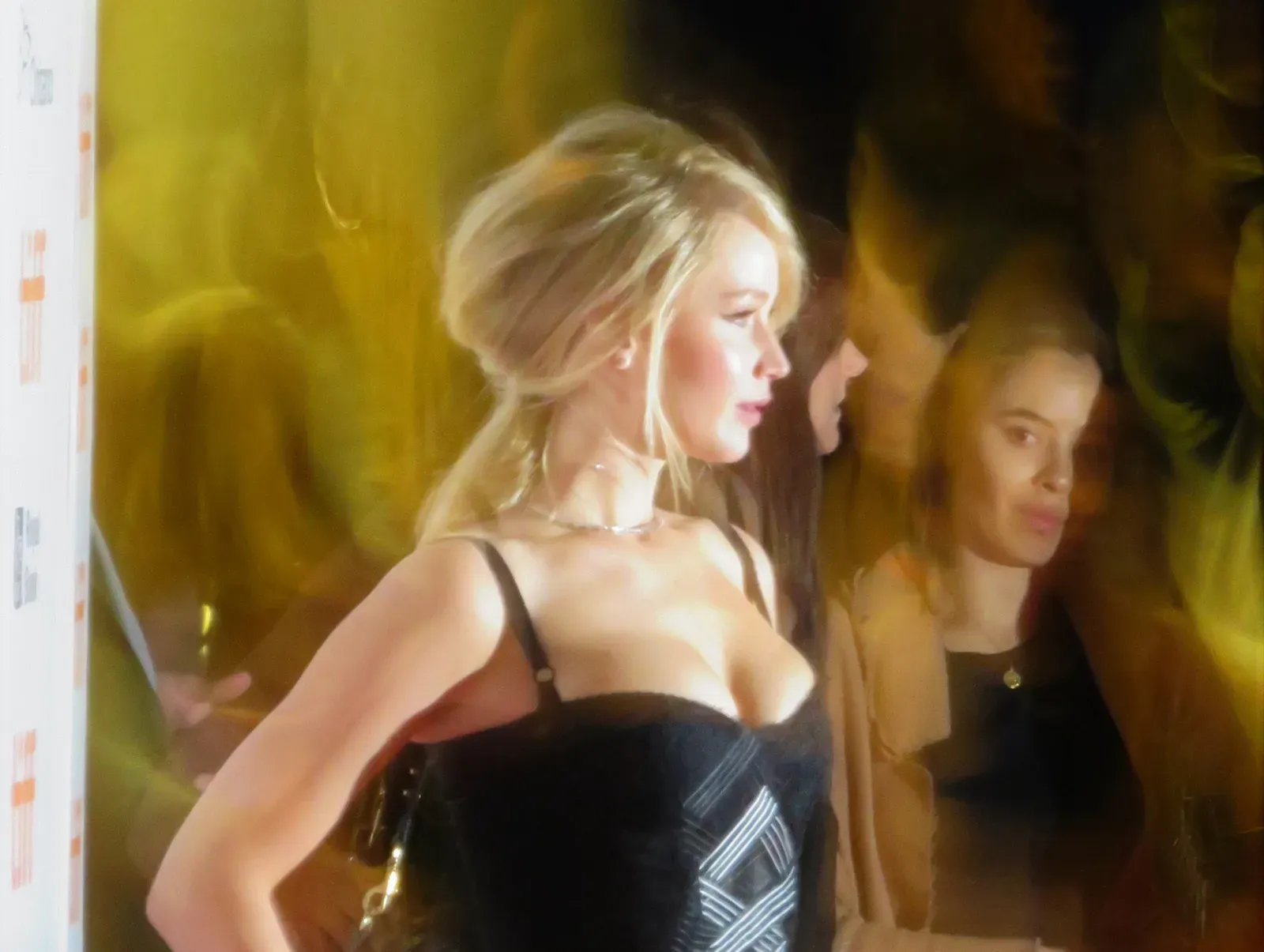
Darren Aronofsky’s biblical allegory horror film pushes its ambiguity to an extreme, ending with Jennifer Lawrence’s unnamed character being burned alive by a mob before her heart is cut out and used to create a crystal that restores the house and starts the entire cycle over again with a new woman. The film offers almost no literal explanation for what any of it means, leaning entirely on symbolic and religious interpretation. Audiences left screenings sharply divided, with the film earning a rare F grade from CinemaScore audiences upon release.
Critics and viewers have since spent years mapping the film’s events onto Old and New Testament stories, climate change anxiety, and commentary on the exploitation of women by creative men. Aronofsky has confirmed some of these readings in interviews while leaving plenty of room for others, which is part of why the film still gets rediscovered and reargued on social media.
4. Annihilation (2018)

Alex Garland’s sci-fi horror film follows a group of scientists into a mysterious alien zone called the Shimmer, ending with Lena, the sole survivor, confronting a mimicking alien entity inside a lighthouse before returning home to her husband. The final scene reveals that both Lena and her husband may no longer be entirely human, their eyes glowing faintly under an unusual light, without ever confirming what exactly has replaced them. The ambiguity extends to whether the alien presence is hostile, indifferent, or something entirely outside human categories of intent.
Garland has spoken about wanting the film to resist tidy explanation, treating the alien force more like a natural phenomenon than a villain with motives. That choice frustrated some viewers expecting a traditional resolution, but it’s also why the film has built a devoted following willing to rewatch it specifically to argue about what the ending implies.
5. Beau Is Afraid (2023)

Ari Aster’s three hour fever dream ends with Beau, played by Joaquin Phoenix, put on trial in a flooded stadium for the perceived crimes of failing his domineering mother, before his boat explodes and he presumably dies as spectators watch from the stands. The sequence plays out like a motorboat riding into a shadowy night before arriving at the center of a stadium where he finds himself on trial for the apparent mistreatment of his mother, with an arena packed with spectators riveted by his offenses. Whether any of it is literally happening or entirely a manifestation of Beau’s guilt has never been settled by the film itself.
One analysis noted that the trial scene is arguably nothing more than a visualization of Beau’s inner dialogue in the aftermath of physically hurting his mother, rather than an actual event. Aster has generally avoided flattening the film’s meaning into a single reading, and the deliberate collapse between metaphor and literal event is exactly what keeps audiences debating whether Beau ever had a chance at freedom at all.
6. Talk to Me (2023)

The A24 horror hit from directors Danny and Michael Philippou ends with Mia wandering through a hospital, unseen and unheard by her father and Riley, before realizing she has died and become trapped in the spirit realm. Mia dies at the end of Talk to Me when she is pushed into traffic by Jade, becoming one of the lost spirits attracted to the embalmed hand because she died while being possessed. The film never fully spells out the mechanics of that spirit world, leaving viewers to piece together Mia’s fate from visual clues alone.
The directors themselves addressed the confusion directly, with Danny Philippou stating that all the clues are present on screen, and that the ending hints at Mia being a lost soul torn between two worlds, with her light slowly fading. Even with that explanation on record, the open ended questions and the movie’s refusal to give easy answers contributed to its high critical and audience scores. That tension between clarity offered by the filmmakers and ambiguity left on screen is a big part of why the ending still gets picked apart.
7. I Saw the TV Glow (2024)

Jane Schoenbrun’s surrealist horror drama follows Owen, a young man whose identity becomes entangled with a supernatural teen television show, ending with Owen cutting open his own chest to reveal a television glow inside before closing himself back up and apologizing to strangers around him. Owen rejects this transition, accepting himself as the woman that Isabel is but instead choosing to live with dysphoria while continuing to be given the chance to change, which forms the core dramatic tension of the film. The ending refuses to say definitively whether Owen ever fully accepts his true self or retreats once again into denial.
Schoenbrun has described the deliberate middle ground of the ending in interviews, noting that it was imperative to end the film in a kind of middle ground, since tilting too far toward a happy or sad ending extreme would mean not doing the job properly. That intentional balance has made the film’s closing minutes a frequent subject of debate, with some viewers reading it as quietly hopeful and others finding it devastating.
8. The Substance (2024)

Coralie Fargeat’s body horror film ends with Elisabeth’s monstrous final form collapsing on a red carpet, her disembodied face crawling toward her Hollywood Walk of Fame star before dissolving into the pavement and being washed away by a street sweeper. In the final moments, Elisabeth’s face detaches from the monstrous form, crawls toward her star, and melts into the pavement, before being scrubbed away by a street sweeper. The scene plays as both grotesque comedy and genuine tragedy, and audiences have disagreed sharply on which tone the film wants to land on.
Reaction to the tonal shift split audiences right down the middle, with one viewer writing that the whole movie had a pretty serious tone, and the ending just did a complete 180, while another countered that it almost felt like a celebration with beauty standards literally being ripped apart and splattered. That divide over whether the ending is nihilistic punishment or cathartic release has followed the film since its 2024 release and through its awards season run.
Endings like these tend to stick around precisely because they refuse to hand viewers a tidy answer. Whether the ambiguity comes from a spinning top, a courtroom that may not exist, or a face melting into pavement, each of these films trusts audiences to sit with uncertainty rather than resolve it for them. That’s usually the point, and it’s a big part of why people are still talking about them.