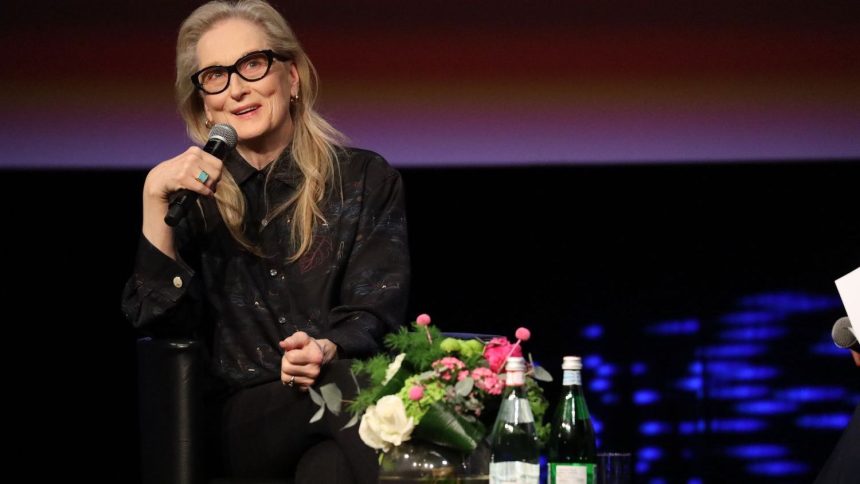
Hollywood has never been shy about worshipping youth. On screen, it’s obvious. Off screen, the judgment runs deeper and quieter, working through casting rooms, talent agency conversations, and industry events where nothing is ever said directly but everything is communicated clearly. It’s the kind of bias that rarely shows up in a memo or a headline but shapes careers in very real ways.
The industry has made some visible progress in recent years, with older performers winning major awards and streaming platforms opening space for more mature storytelling. Still, the underlying cultural norms that govern how aging celebrities are perceived, discussed, and employed remain stubbornly intact. Here’s what Hollywood quietly, and sometimes not so quietly, judges them for.
Letting Their Hair Go Gray

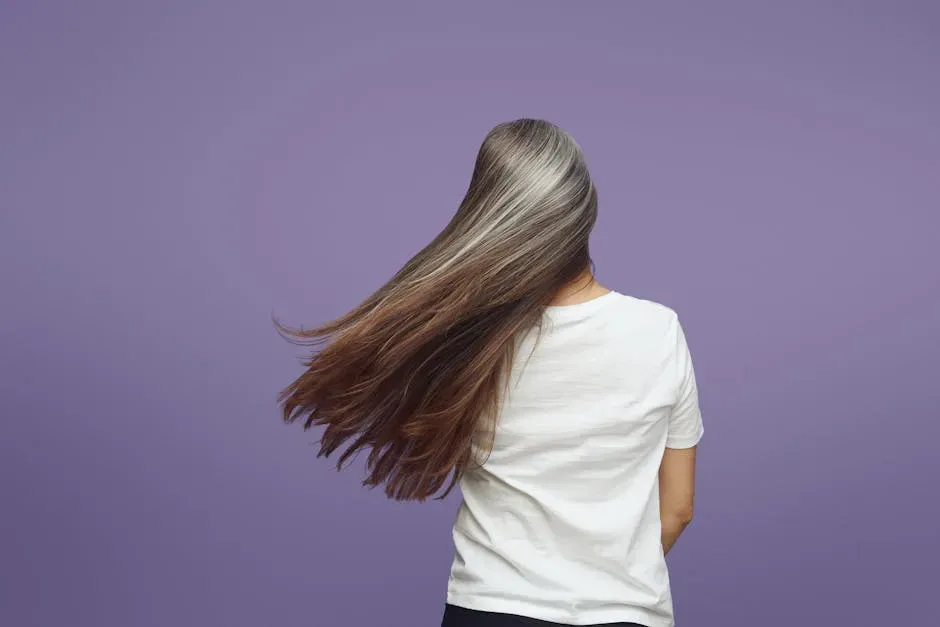
When some actresses decided to stop dyeing their hair and debut a silver look publicly, their managers reportedly told them it was not the right time for such a change and that they might lose work. Those who ignored the advice received both praise and sharp criticism from various media outlets. The message was unmistakable: natural gray hair on a woman signals career risk, not confidence.
It may seem like a small detail, but gray roots were once seen as a genuine beauty faux pas in Hollywood. “I remember back in the day that gray hair was like, oh, you just hid that. You did not show that – that was a no-no,” Tyra Banks explained to People. The tide has shifted slightly in public discourse, but behind the scenes the old expectations haven’t disappeared entirely.
Refusing to Get Cosmetic Procedures

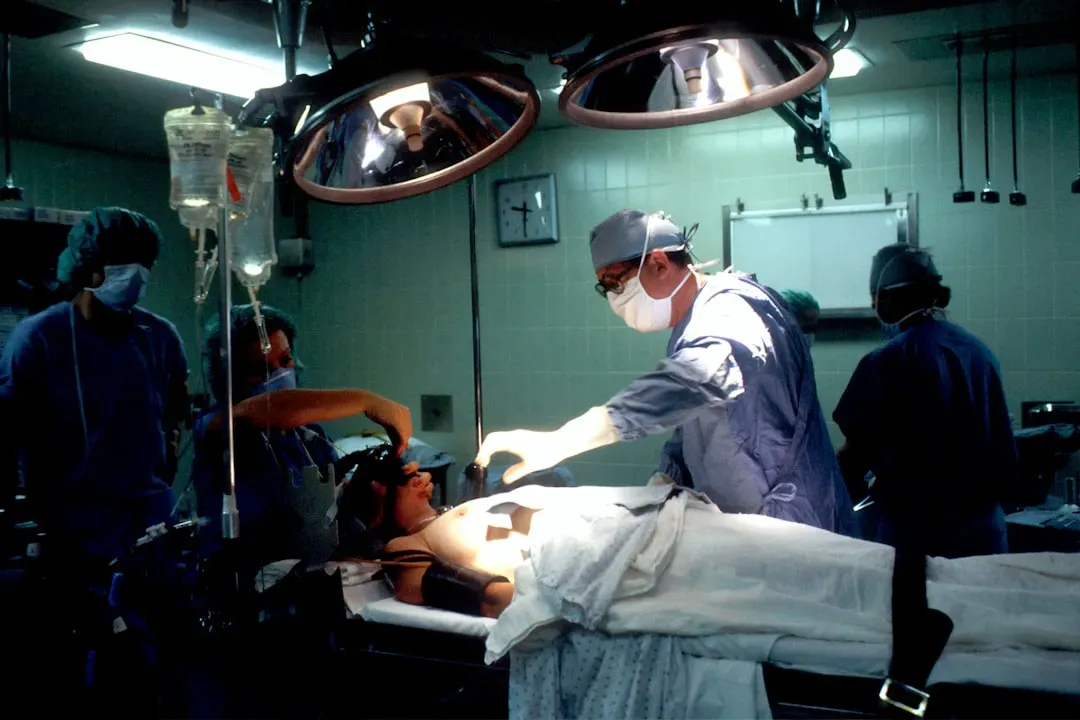
The industry makes it clear: if you let yourself age naturally, you’ll be called “brave” while quietly being pushed out of roles. If you choose surgery or fillers, you’ll be mocked for “trying too hard.” This double bind is vicious. There is, in practice, no version of aging that Hollywood accepts without commentary or consequence.
The pressure placed on women in the spotlight to maintain a youthful appearance through cosmetic surgery is real and persistent. As Halle Berry described it, “It is pressure. When you see everybody around you doing it, you have those moments when you think, ‘To stay alive in this business, do I need to do the same thing?'” That framing, staying alive in the business, says everything about what’s at stake.
Gaining Weight or Changing Body Shape

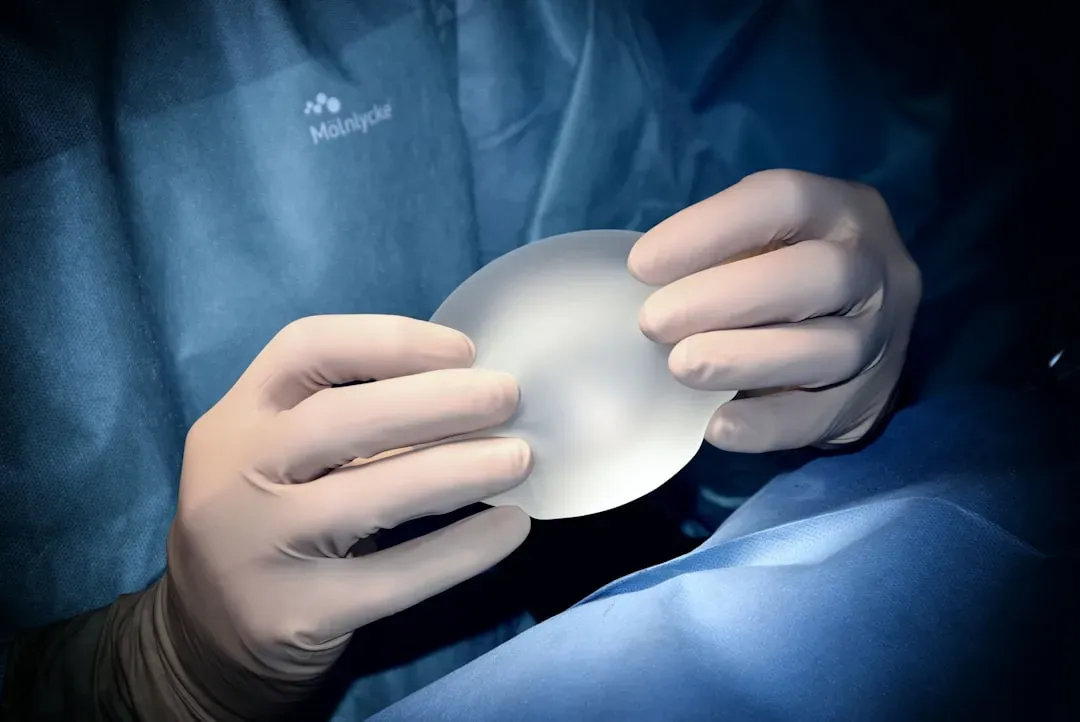
Much of the scrutiny has to do with sexism. A woman is no longer seen as valuable as soon as she isn’t viewed as fresh or attractive. The sexualization of females and the pressure to remain forever youthful, especially in Hollywood, have driven actresses to resort to plastic surgery and other procedures in an attempt to keep their youth and, in turn, their jobs.
Female celebrities are perhaps the most scrutinized. With every aspect of their appearance constantly being assessed by both audiences and the industry as a whole, the incentive to look perfect remains as high as it could be. Weight gain or a changing silhouette becomes an unofficial mark against bankability, even when no one states it openly in a meeting.
Showing Visible Wrinkles on Screen
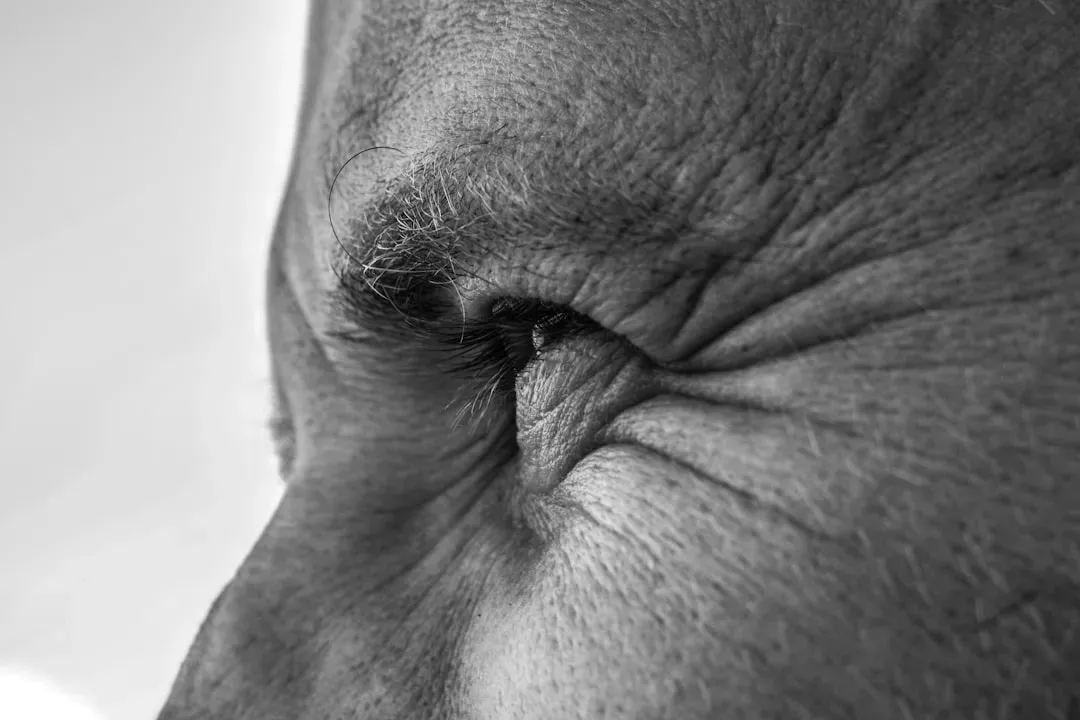
Industry observers have noted that seeing more women in film with “real” faces – those that show wrinkles, scars, and other signs of natural aging – could help normalize the aging process and shift the cultural narrative that aging is something to be feared or hidden. Instead of pushing women to “fix” themselves, it could encourage authenticity and individuality. The fact that this reads as a hopeful future scenario rather than a present reality tells the story well enough.
There is a disconnect and a missed opportunity for a more nuanced discussion about the pressures of aging in Hollywood. Productions quietly push for smoothed skin in close-ups, and the expectation that a veteran actress will arrive on set looking significantly younger than her age is baked into the unspoken terms of employment.
Being Perceived as Unmarketable After 50

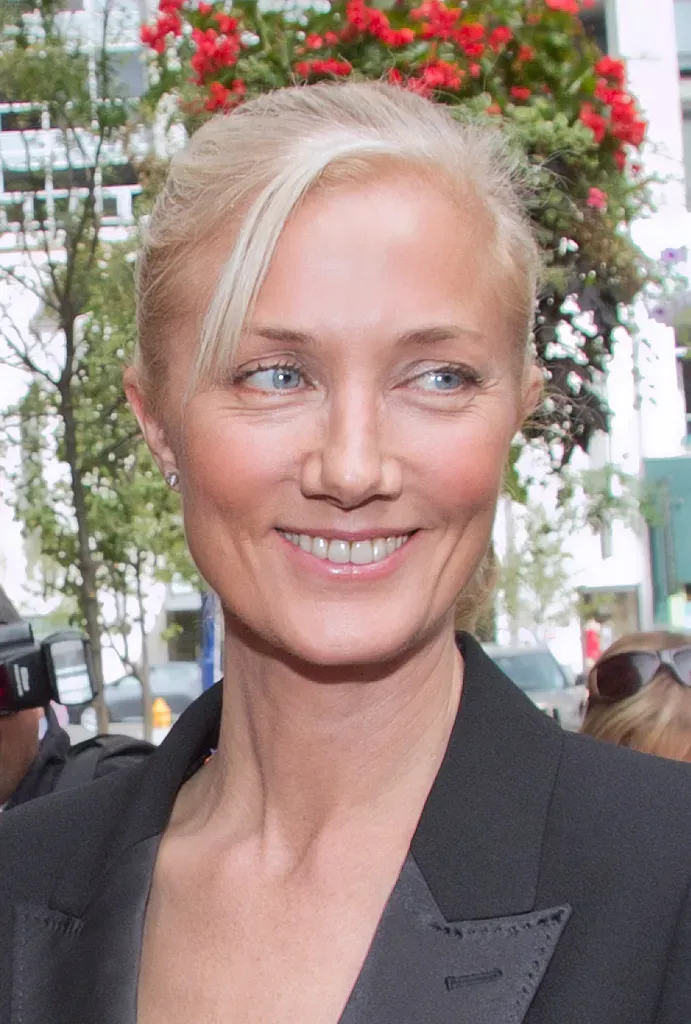
Hollywood’s obsession with youth is no secret, but the numbers reveal just how deep the bias runs. Recent studies have found that while people over 50 make up more than a third of the U.S. population, they account for less than 10% of lead roles in major films. According to research from the Geena Davis Institute on Gender in Media, from 2020 to 2024, older women were cast as leads in only 3% of top-grossing films, compared to 9% for men in the same age bracket.
Actress Joely Richardson noticed a dramatic change after she turned 50. When her agent retired and she went looking for new representation, “it was like no one wanted me,” she told co-hosts on ITV’s This Morning. “Even though I had Golden Globe nominations, and blah, blah, blah, zero people wanted a woman over 50.” Her experience is far from unique, and far from surprising to anyone inside the industry.
Pursuing “Serious” Roles Instead of Accepting Supporting Parts

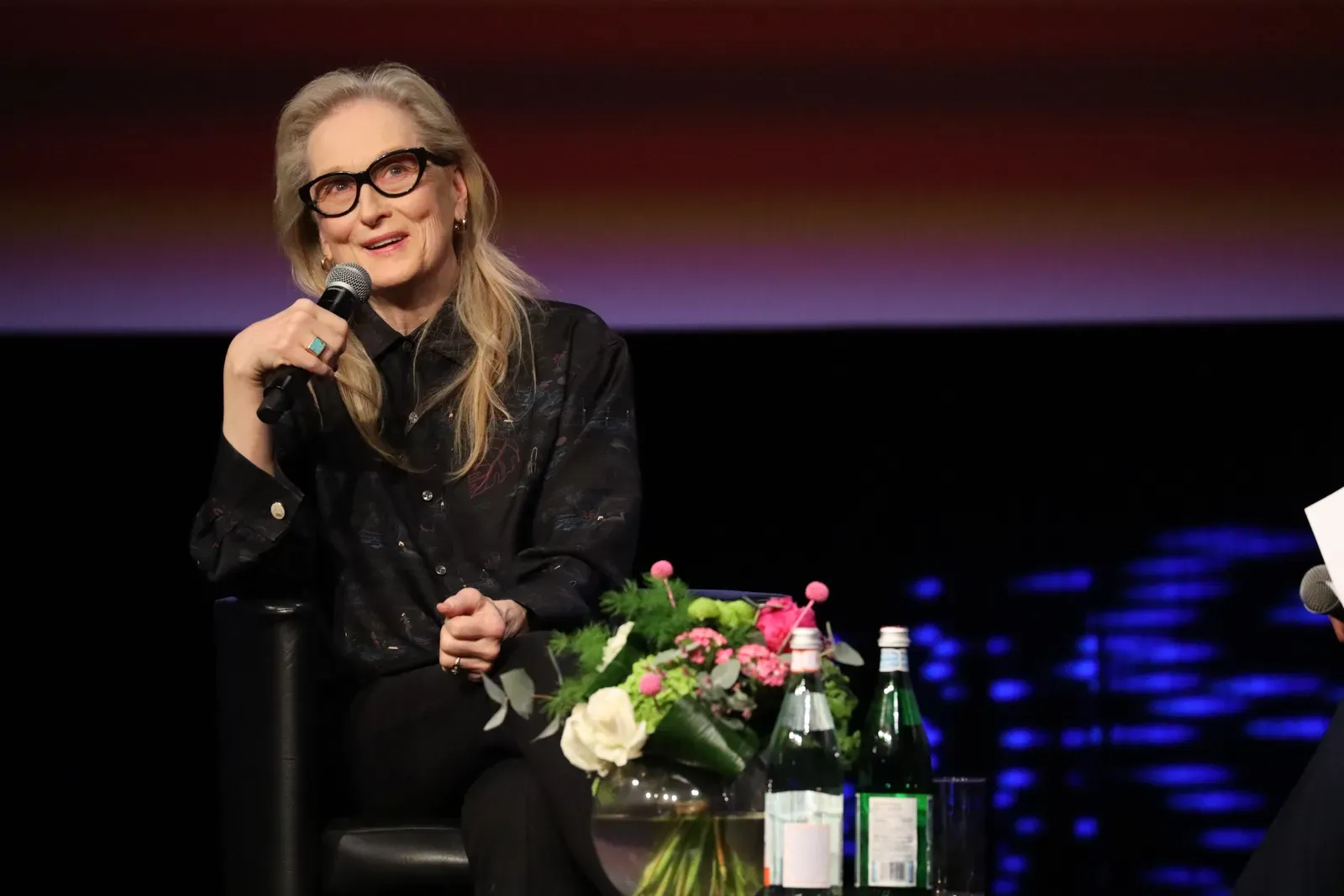
Even the most decorated and respected actresses are pigeonholed into playing mothers, grandmothers, or minor roles after they’ve passed their prime age. Meryl Streep, viewed as one of the most prolific actresses of all time, spoke on the ageism she faced once she reached the age of 40. In 2015, Streep told People Magazine she recognizes and experiences the issue of ageism in Hollywood because she herself has been affected by it.
Carrie-Anne Moss recalled that the day after she turned 40 she was offered a grandmother role. She has continued to work in action and drama, returning to headline projects that reminded audiences of her range. She has said that shifting industry attitudes arrive slowly and inconsistently. Her experience became a widely cited example of how quickly Hollywood can try to reclassify women.
Having an Age-Appropriate Romantic Life on Screen

Geena Davis put it plainly in an interview: “Women peak in their 20s and 30s, and men peak in their 40s and 50s as far as actors go. The male stars of movies want to appear to be younger than they are, or they want to appeal to younger people, so they always want a co-star who is really young. That is why women don’t get cast very much after 40 and 50. It is because they are felt to be too old to be a romantic interest.”
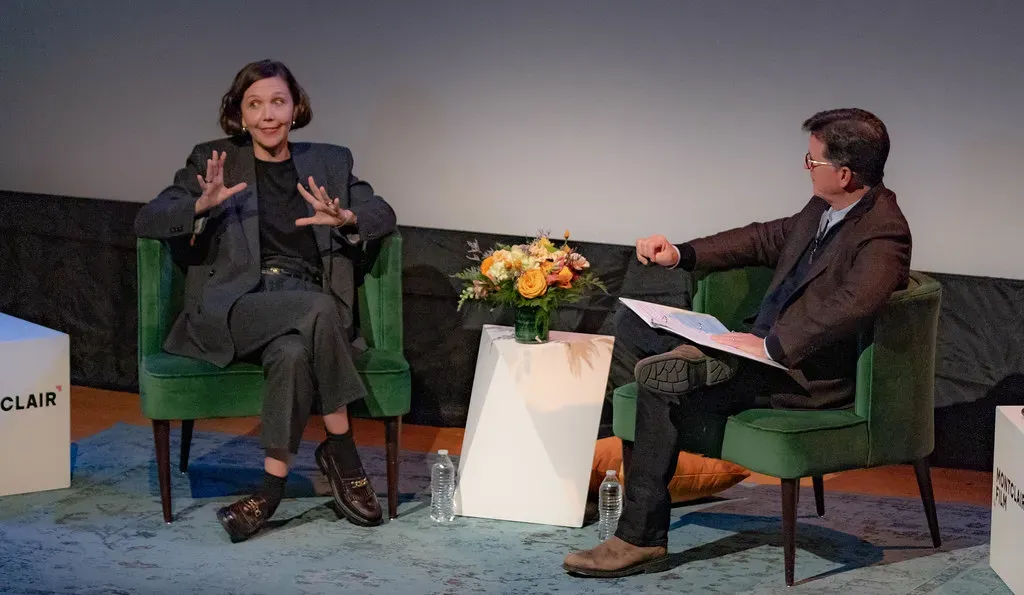
Maggie Gyllenhaal shared that she was told at 37 she was too old to play the love interest of a 55-year-old man. The age gap standard that Hollywood applies to romantic casting is deeply gendered, and it doesn’t shift much regardless of an actress’s stature or track record at the box office.
Framing Career Comebacks as a Surprise

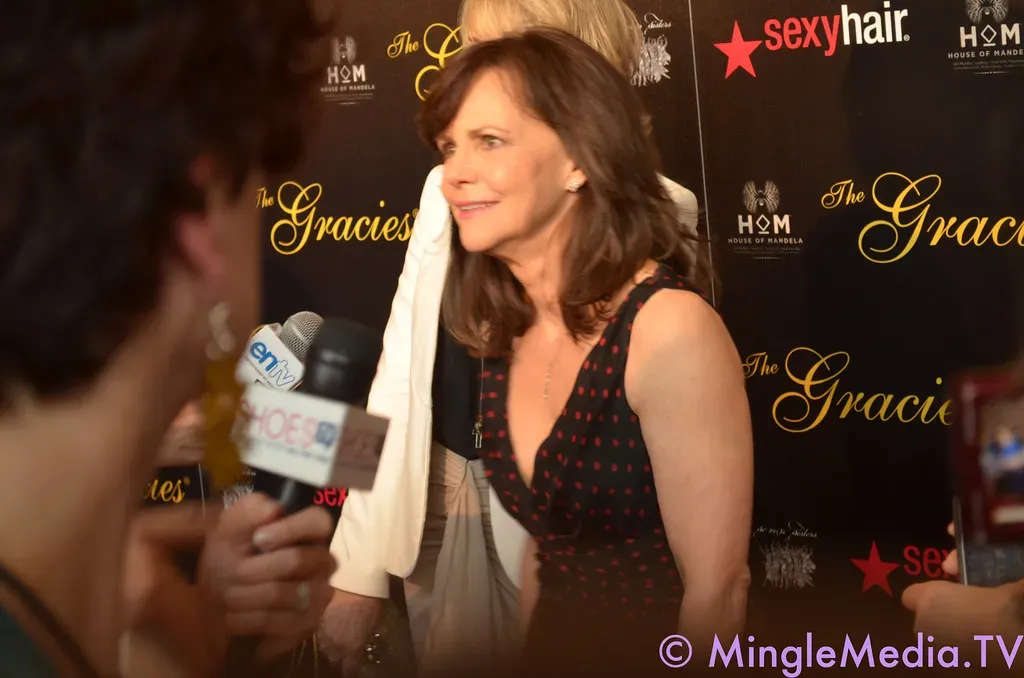
The cruel joke of Hollywood ageism is how success for older women is almost always framed as a “comeback.” Michelle Yeoh wins an Oscar at 60 and suddenly she’s “back,” as if she hadn’t been building a legendary career for decades. Jennifer Coolidge delivers powerhouse work in The White Lotus and she’s treated like a rediscovered treasure instead of an actress who was criminally underutilized.
As actress Sally Field observed, there are “so few real stories written about women of any age, but certainly as you get older it gets less and less and less and less and less. And it’s usually women who are looking for a man.” When a mature actress does break through with a substantial role, the industry narrative almost reflexively reaches for the word comeback, as if continuous, evolving careers are something reserved for men.
Speaking Openly About Ageism Itself

Ageism in entertainment shows up in casting notes, marketing assumptions, and even grooming demands, and many actresses have had to push back to keep working on their own terms. The stories that emerge highlight specific moments when women were told they were too old, asked to hide their age, or steered toward narrower roles. Talking about it publicly, however, carries its own quiet professional cost.
Hollywood ageism might keep pushing older women toward invisibility, but more are refusing to fade. Reese Witherspoon built her own production company so she could greenlight stories for women of every age. Issa Rae is creating worlds where Black women live full, complicated lives without expiration dates. The fact that women have had to build their own infrastructure to tell their own stories is, in itself, the clearest evidence of what the traditional industry still won’t do on its own.
The system hasn’t collapsed, but there are visible cracks in it. Progress tends to arrive through individual acts of persistence rather than structural change, which means the next generation of aging celebrities will likely be navigating a version of the same pressures. The difference, perhaps, is that more of them are naming it out loud.