Some songs come from heartbreak everyone can see coming. Others are built quietly, almost secretly, around a person who has no idea they inspired anything at all. That gap between what a songwriter feels and what the subject actually knows has produced some of the most enduring hits in popular music, and in more than a few cases, the truth stayed hidden for decades. What follows are eight well-documented stories where a musician wrote about someone real, someone specific, who spent years, or in one case forever, without knowing they were the reason a song existed.
1. Neil Diamond and Caroline Kennedy, “Sweet Caroline”

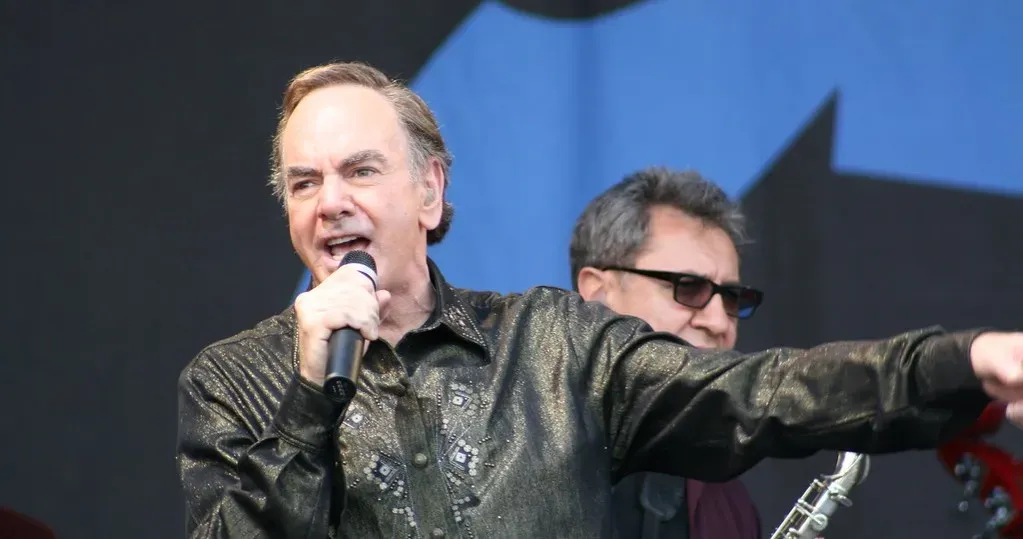
For nearly forty years, fans assumed “Sweet Caroline” was a simple love song with an invented name. The Caroline whose sweetness has charmed audiences for decades remained a mystery until Diamond revealed the inspiration in 2007: a childhood photo of Caroline Kennedy, daughter of John F. Kennedy and Jacqueline Kennedy Onassis. The two had never even met when he wrote it.
The unlikely inspiration came from a photo of Kennedy when she was about seven years old, even though Diamond was seventeen years her senior. Neil Diamond held onto the secret for decades before finally revealing that the president’s daughter was behind his smash hit. He only told her directly in 2007, performing the song via satellite at her fiftieth birthday celebration, decades after it had already become one of the most recognized songs in American music.
2. Paul McCartney and Julian Lennon, “Hey Jude”

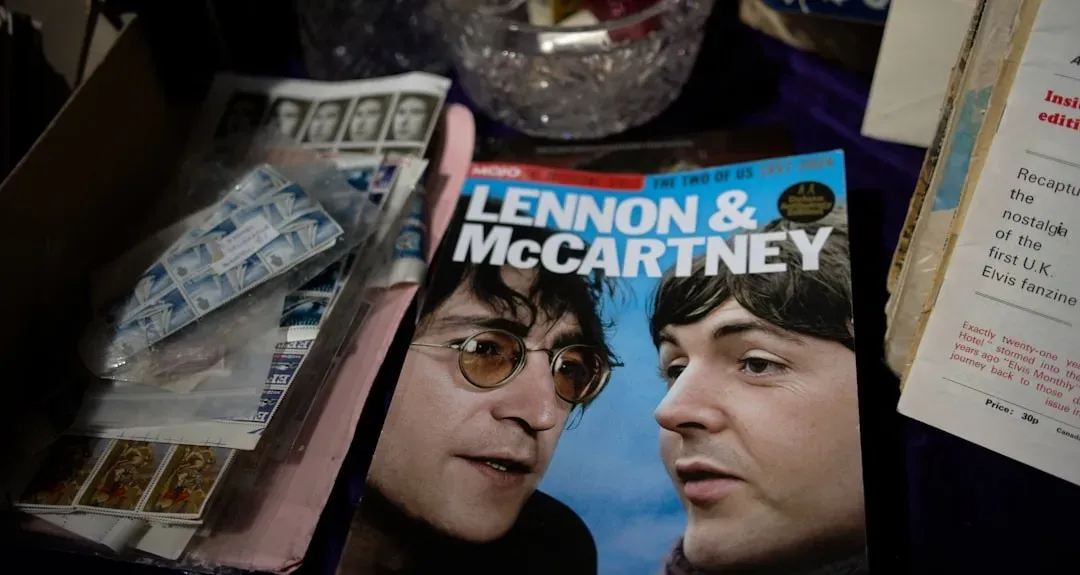
Paul McCartney wrote “Hey Jude” in 1968 while driving to visit John Lennon’s five-year-old son Julian, whose parents were in the middle of a painful divorce. The song was meant as a private gesture of comfort for a boy too young to understand what was happening around him, not as a public statement.
Julian Lennon has said in interviews over the years that he did not realize the song was written for him until he was much older, learning the truth largely through conversations with McCartney himself long after the record had become one of the Beatles’ signature hits. For a child who grew up hearing “Hey Jude” on the radio like everyone else, discovering it was written about his own troubled childhood came as a genuine surprise.
3. Dolly Parton and the bank teller, “Jolene”

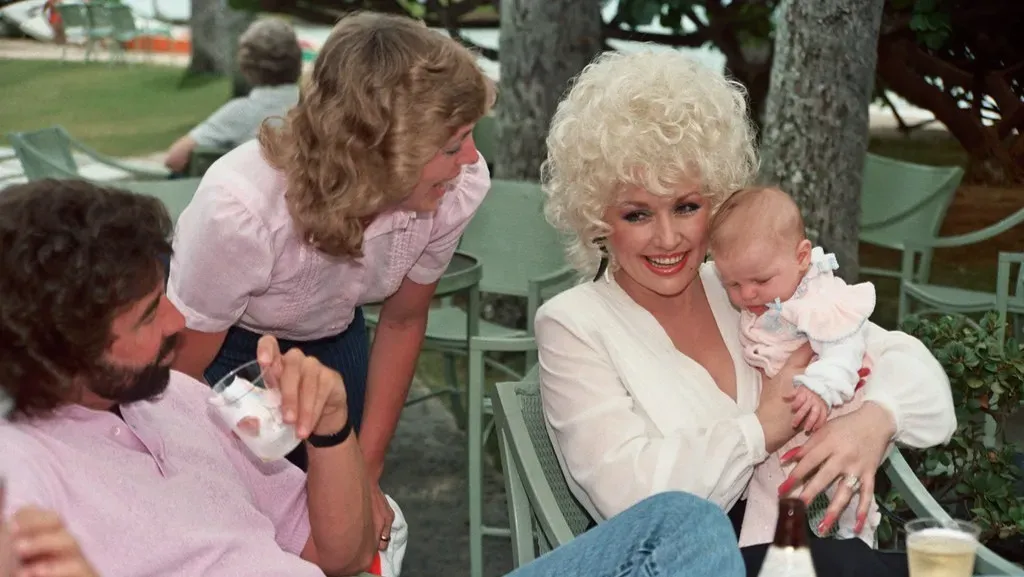
Dolly Parton, who died in August 2026 at the age of eighty, spent decades telling the story behind one of country music’s most covered songs. Parton noticed that her husband, Carl Dean, was spending a lot of time at a local bank, exchanging in flirty banter with a beautiful, redheaded, long-legged bank teller. “She got this terrible crush on my husband, and he just loved going to the bank because she paid him so much attention.”
The woman was never named publicly and, as far as any account shows, never learned that a passing flirtation at a Nashville bank counter became the inspiration for a song that would go on to be recorded by artists from Whitney Houston to Miley Cyrus. Parton even borrowed the name Jolene from an unrelated young fan she met after a show, which means the real bank teller was memorialized under a name that was never even hers.
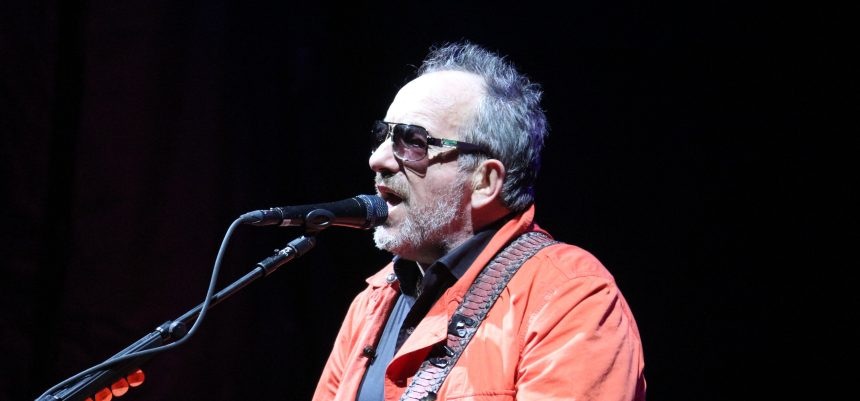
4. Elvis Costello and the supermarket clerk, “Alison”

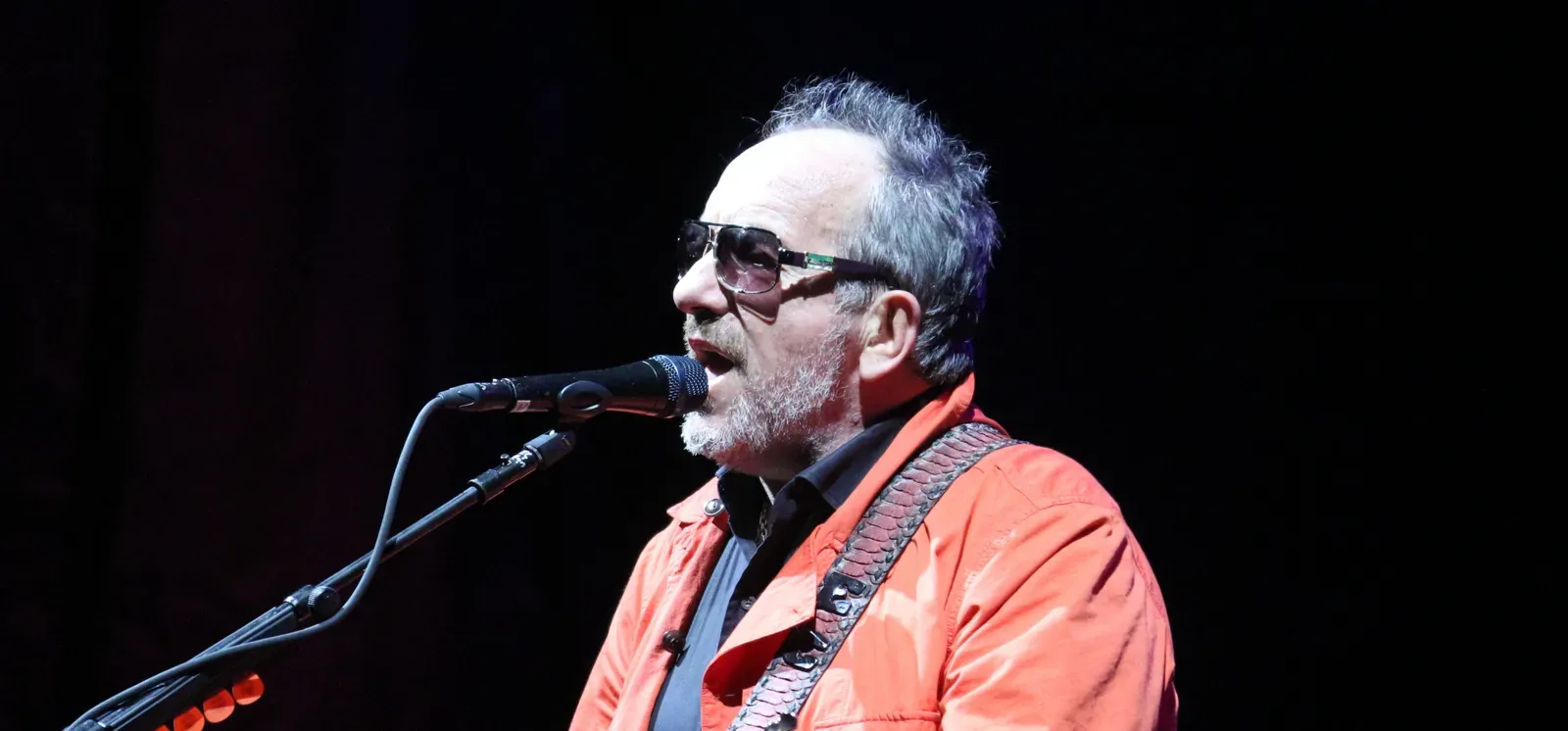
Elvis Costello has told a fairly consistent story about the origins of “Alison” over the years, describing how he glimpsed a young woman working a checkout counter and was struck by a fleeting sense of the life she might have once imagined for herself. The encounter lasted only as long as it takes to ring up groceries, and there is no indication the woman ever learned that a chance sighting turned into one of the most tender ballads of his career.
Unlike songs built around public figures or long relationships, “Alison” is a case of near-total anonymity. Costello never identified her beyond the vague outline of that single moment, which means whoever she was likely has no idea that a brief glance decades ago became a song still played on radio stations today.
5. Rod Stewart and the older woman, “Maggie May”

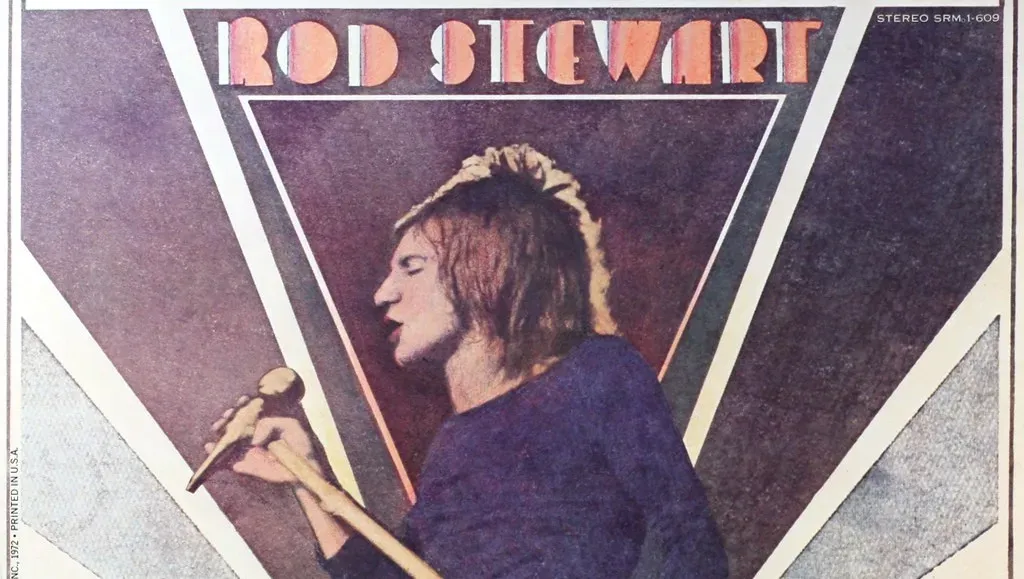
Rod Stewart has described “Maggie May” as loosely based on an early romantic experience with an older woman he encountered as a teenager, an encounter he has referenced in interviews without ever fully naming or locating the person involved. The song turned a brief, formative episode into a coming-of-age narrative that resonated with listeners far beyond its specific origins.
Because Stewart has kept most identifying details vague, there is no record of the woman ever coming forward or acknowledging any connection to the song. It remains one of classic rock’s most famous examples of a private memory becoming public property while the actual subject stayed entirely out of the picture.
6. James Taylor and Suzanne Schnerr, “Fire and Rain”

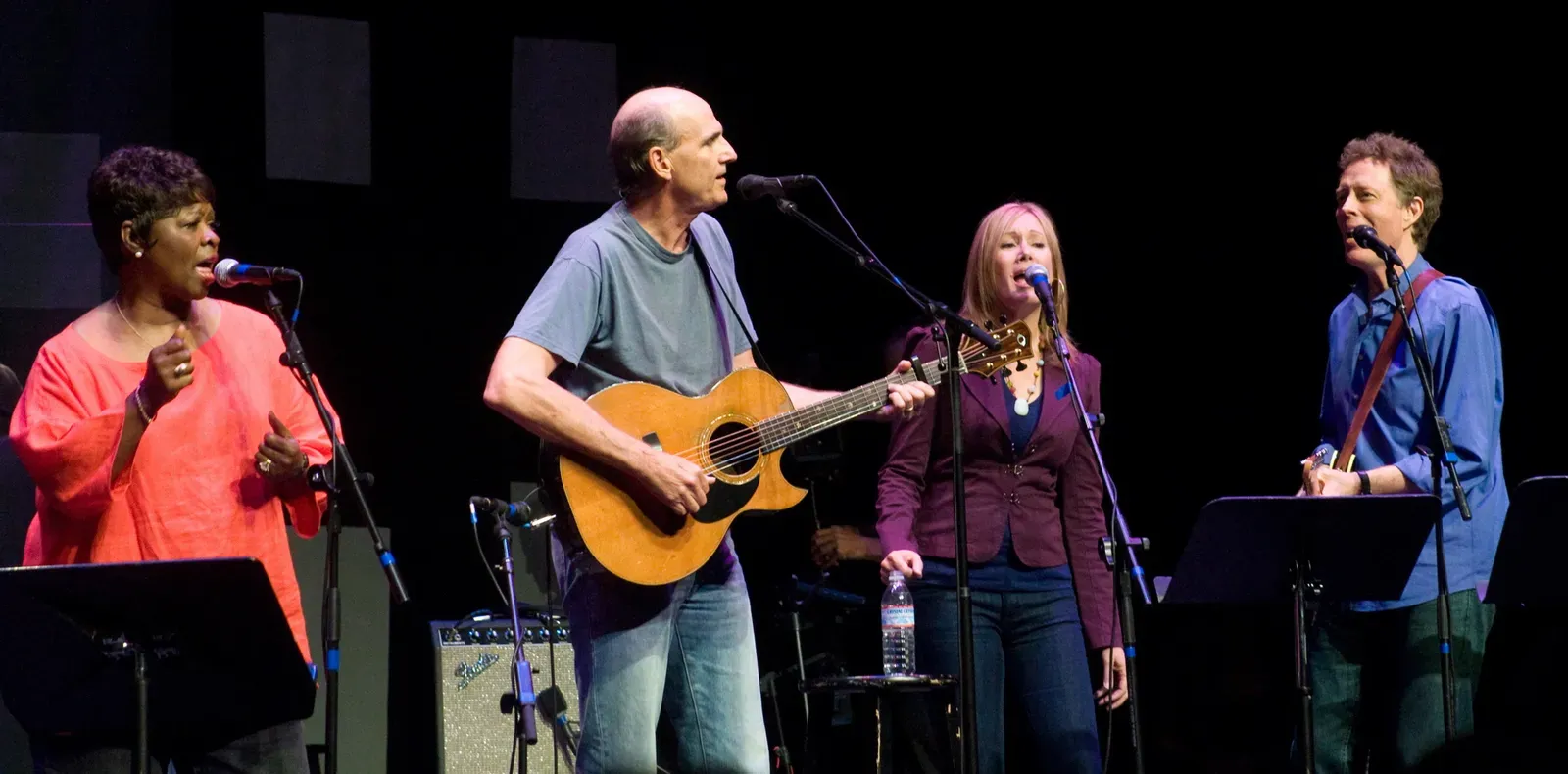
This is the starkest example on the list, because the person the song is about could never have found out. Suzanne Schnerr took her own life while Taylor was living in London recording his first album for Apple Records, and his friends hid the news from him. “Richard and Joel and Margaret were excited for me having this record deal and making this album, and when Susie killed herself they decided not to tell me about it until later because they didn’t want to shake me up. I didn’t find out until some six months after it happened.”
Taylor wrote the opening verse after finally learning the truth, which means the song exists entirely in the aftermath of her death. The line “Suzanne, the plans they made put an end to you” refers directly to Suzanne Schnerr, a childhood friend of his who died by suicide while he was in London recording his first album. There was never a version of events where she could have heard “Fire and Rain,” let alone known it was written for her.
7. Alanis Morissette and Dave Coulier, “You Oughta Know”


When “You Oughta Know” exploded in 1995, speculation immediately swirled around who had inspired its raw, furious lyrics, with actor and comedian Dave Coulier’s name surfacing early in tabloid coverage. Coulier initially gave noncommittal or denying answers publicly for years, which meant the wider assumption that he was the subject sat in an odd limbo of rumor rather than confirmed fact.
It took roughly two decades before Coulier openly confirmed in interviews that he was indeed the inspiration behind the song, meaning for a long stretch of time neither the public nor, in any officially acknowledged sense, Coulier himself had settled certainty about his connection to one of the defining breakup anthems of the nineties. The delay between the song’s release and any real confirmation left an unusually long gap between inspiration and acknowledgment.
8. Don McLean and Vincent van Gogh, “Vincent”

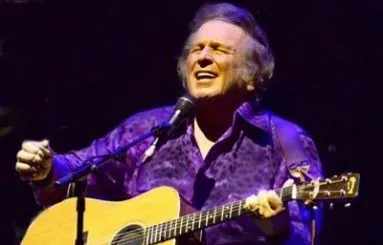
Not every subject on this list was even alive to potentially find out. Don McLean wrote “Vincent” in 1971 as a tribute to painter Vincent van Gogh, who had died by suicide in 1890, more than eighty years before the song existed.
McLean has spoken about being moved by van Gogh’s letters and the loneliness embedded in his biography, channeling that admiration into lyrics that opened with the now-famous line about starry nights. Because van Gogh died decades before McLean was even born, this stands as the most literal example of a song’s subject having absolutely no possibility of ever learning about it.
Taken together, these eight songs share a strange quality that goes beyond catchy melodies or chart positions. Each one carries a private truth that stayed sealed away from the very person who mattered most to its creation, sometimes for a few years, sometimes for a lifetime, and in one case, forever. It’s a reminder that behind even the most familiar radio staples, there is often a story the audience knows better than its own subject ever did.