Old Hollywood has been retold so many times that the stories now feel like settled history. Plenty of them started as publicity, studio gossip, or a good line in a later movie, and they stuck around because they were fun to repeat.
Film historians have spent decades checking those tales against studio records, trade papers, and the memories of people who were there. Some turned out to be mostly true. These eight didn’t hold up.
The Hollywood Sign Was Built to Celebrate the Movies

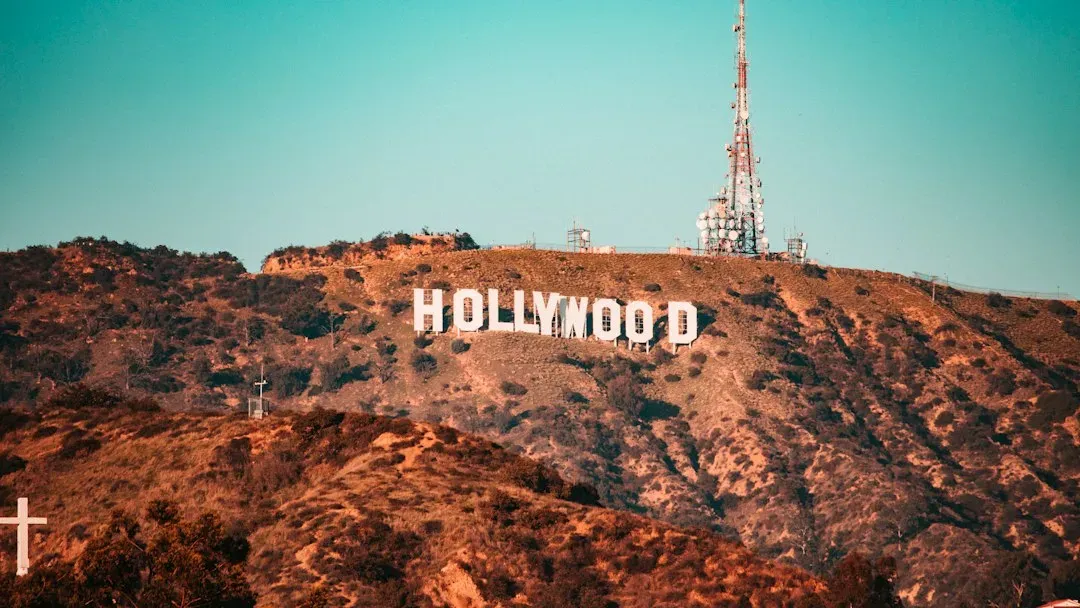
The famous hillside letters weren’t made as a tribute to cinema. They went up in 1923 as an advertisement for a real estate development called Hollywoodland. The sign was meant to stay for about a year or two.
The film industry was already settling in the area, but the sign itself was a sales pitch for houses. It stayed up, fell into disrepair, and lost its last four letters later, leaving the single word we know today. The movie link came afterward, not at the start.
Sound Ended Silent Stars Because Their Voices Were Terrible


Singin’ in the Rain gave us the image of silent idols undone by squeaky voices. It’s a clever comedy, but it isn’t a documentary. Many silent performers made the move to sound without trouble, and audiences of the late 1920s weren’t merely waiting to laugh at bad voices.
John Gilbert is the usual example, and historians often point to his tense relationship with studio boss Louis B. Mayer, along with poor material, as bigger factors than his voice. Careers did end during the transition, but the causes were messier than one bad microphone test. Changing tastes, contracts, and studio politics all played a part.
The Hays Code Governed Movies From the Start of the Sound Era


The Production Code was adopted in 1930, which leads many people to assume films were instantly squeaky clean. In practice, it was barely enforced for the first few years. Movies from that stretch can be surprisingly frank about sex, crime, and moral shortcuts.
That changed in 1934, when the Production Code Administration under Joseph Breen began requiring approval certificates for films. Pressure from religious groups and the threat of boycotts helped push studios into line. So the strict Hollywood many people picture arrived a few years later than the rulebook suggests.
Lana Turner Was Discovered at Schwab’s Drugstore

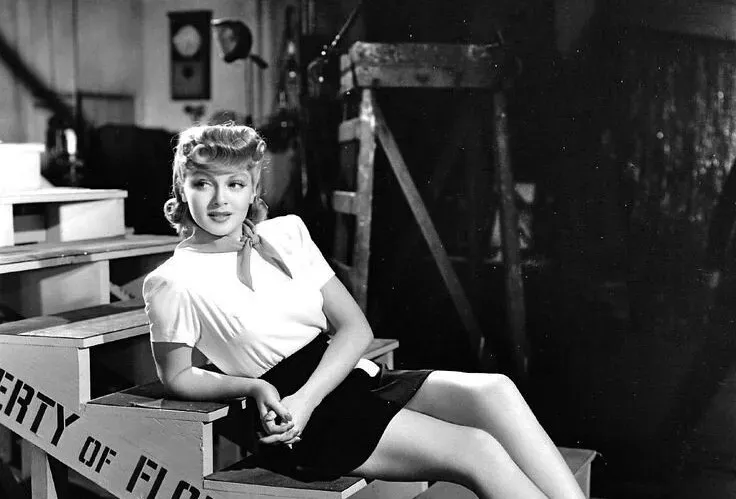
It’s one of the most repeated discovery tales in show business: a teenager sits at a soda counter and gets spotted by a publisher. Turner herself said it happened somewhere else. She recalled being noticed at the Top Hat Cafe, across from Hollywood High School, where she had skipped class.
Partner offer

The Schwab’s version probably spread because the drugstore was a famous Sunset Boulevard hangout and the story fit the place. A glamorous legend needs a glamorous setting. The truth was a plain café near a high school.
Television Killed the Studio System


It’s tempting to blame the small screen for the end of the old studio era. Television did pull audiences away from theaters in the late 1940s and 1950s. Still, the more direct blow came from the courts.
In 1948, the Supreme Court’s Paramount decision forced the major studios to give up their ownership of theater chains and curtail practices like block booking. That broke the guaranteed pipeline between making a film and showing it. Television made things harder, yet the legal change had already shaken the foundation.
Citizen Kane Was Ignored When It Came Out

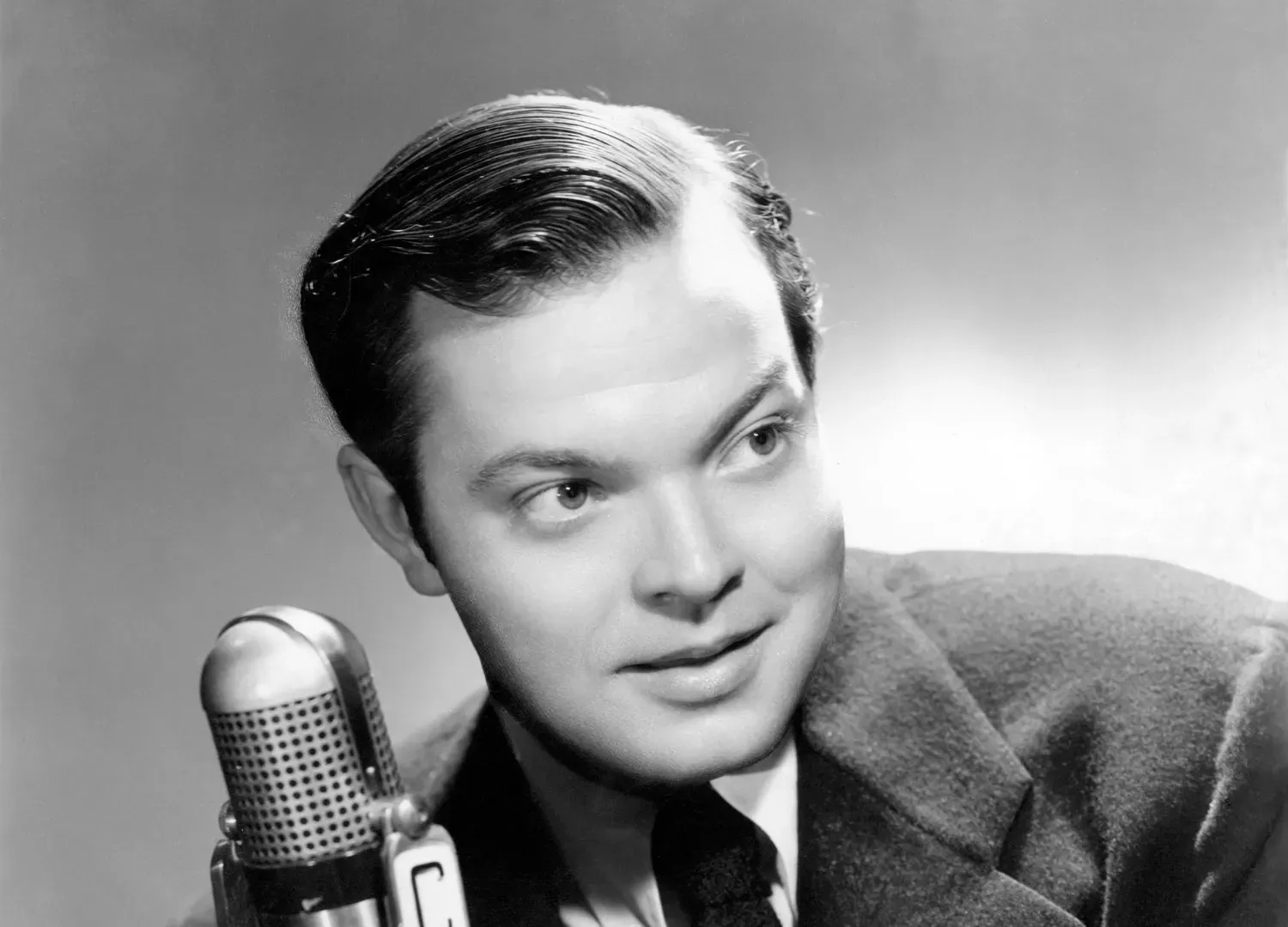
Orson Welles’s 1941 film is often described as a masterpiece that critics and Oscar voters snubbed until later generations rescued it. That’s overstated. Reviews were strong, and the film earned nine Academy Award nominations, winning for original screenplay.
What did hurt it was the anger of William Randolph Hearst, whose newspapers resisted promoting it and whose influence made some theaters nervous. The film struggled commercially during its first release. Its reputation grew later, but it wasn’t a work nobody noticed.
The Oscar Got Its Name From a Librarian’s Uncle

The tale goes that Academy librarian Margaret Herrick looked at the statuette and said it resembled her uncle Oscar. It’s charming, and it’s repeated constantly. Historians treat it as uncertain, since several people over the years claimed credit for the nickname.
What’s clear is that the nickname circulated informally in the early 1930s before the Academy used it officially in 1939. The exact origin remains unsettled. A tidy anecdote has simply outlasted the evidence.
A Munchkin Actor Can Be Seen Hanging on The Wizard of Oz Set

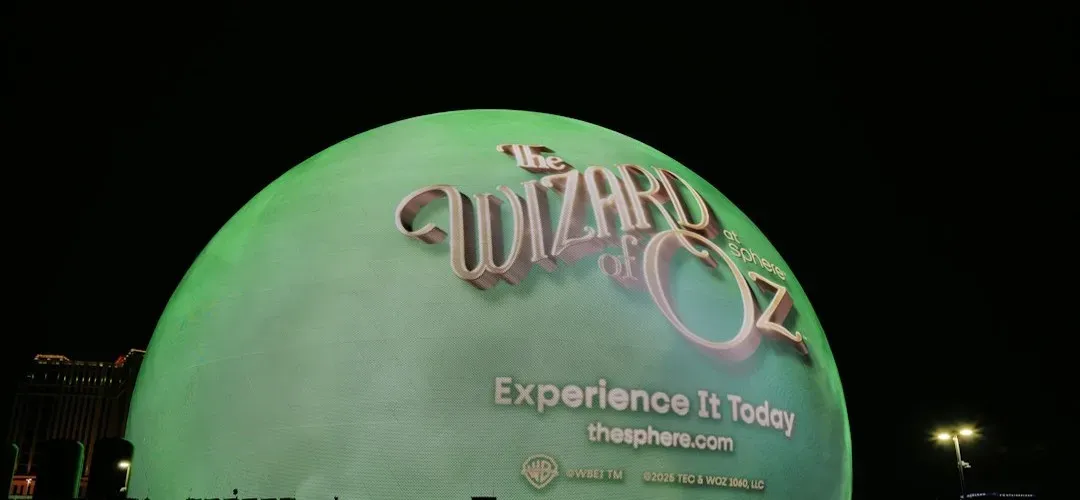
For years, viewers have claimed that a figure swinging in the background of the 1939 film is a performer who took his own life during shooting. The story is persistent, and it’s wrong. The shape in the forest scene is generally explained as a large bird, reportedly one of the exotic birds brought in for the Technicolor set.
Clearer versions of the film on home video and restored releases make the moving form easier to identify as feathered, with wings that open. No credible production record supports the tale of a death on set. It survived mostly because blurry footage invites imagination.
Partner offer
Planning a trip to Vegas?
Compare hotel rates and show tickets on VEGAS.com.