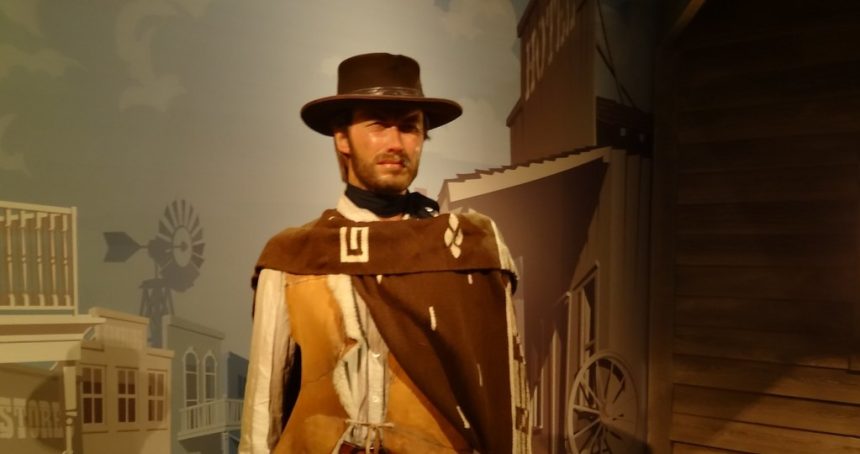
The Western is one of the oldest film genres, and it can look intimidating from the outside. The catalog is huge, the best known titles are decades old, and the horses and dusty towns all start to blur together if you don’t know where to begin.
The ten films below make a good starting point. They span roughly four decades of filmmaking, from the late 1930s to the early 1990s, and each one shows something different about what a Western can be.
Stagecoach (1939)

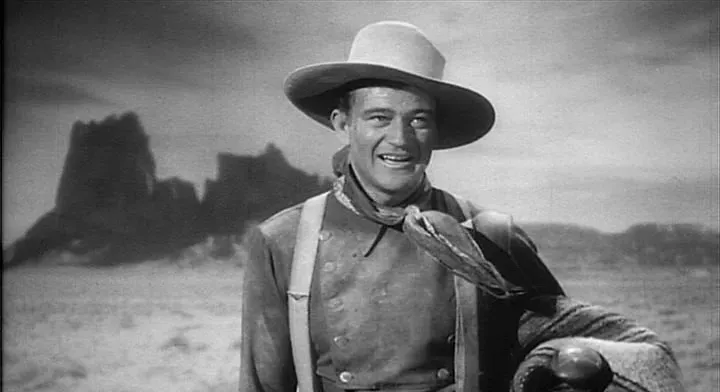
John Ford’s film follows a group of strangers traveling by stagecoach through Apache territory. The passengers include an outlaw, a disgraced doctor, and a woman shunned by polite society. It’s compact and quick, and it works as a character study as much as an adventure.
The film is widely credited with turning John Wayne into a major star, and it was the first time Ford shot in Monument Valley. That landscape became a visual signature for the genre. Watching it first gives you the template that later Westerns either followed or pushed against.
My Darling Clementine (1946)

Ford returned to the frontier with this retelling of the events leading to the gunfight at the O.K. Corral. Henry Fonda plays Wyatt Earp as a calm, measured man who arrives in Tombstone looking for his stolen cattle and stays to bring order. Victor Mature plays Doc Holliday.
The history is loose, and the film makes no real attempt to be a documentary. What it offers instead is mood, with its quiet scenes and careful framing. It’s a gentle entry point for viewers who expect nonstop shootouts.
Red River (1948)

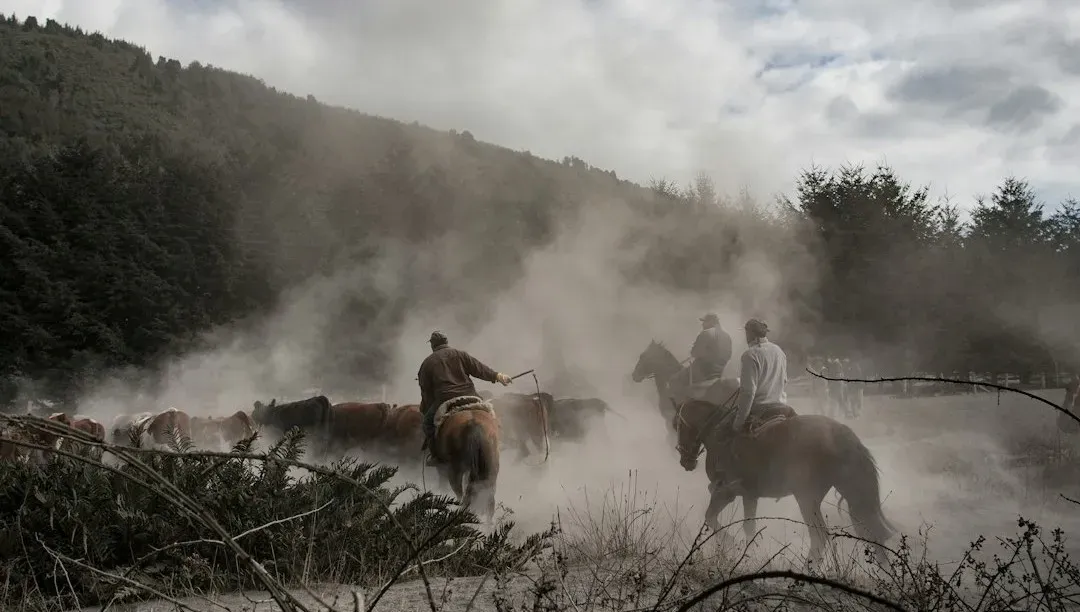
Howard Hawks directed this story of a massive cattle drive from Texas to Missouri. John Wayne plays Thomas Dunson, a rancher whose stubbornness slowly turns his adopted son, played by Montgomery Clift, against him. The conflict between the two men drives nearly everything.
It’s a useful reminder that Westerns can be about relationships and pride as much as gunplay. Wayne’s role here is harder and less heroic than many people expect. If you only know him from his later image, this one may surprise you.
High Noon (1952)

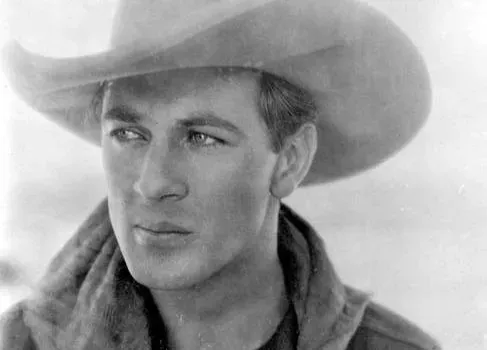
Fred Zinnemann’s film plays out in close to real time. A marshal, played by Gary Cooper, learns that a man he sent to prison is returning on the noon train, and the townspeople one by one refuse to help him. The ticking clocks onscreen keep the tension tight throughout.
Many critics have read it as a story about moral courage under pressure. It also runs only about an hour and a half, which makes it an easy first watch. Few Westerns are this lean.
Shane (1953)

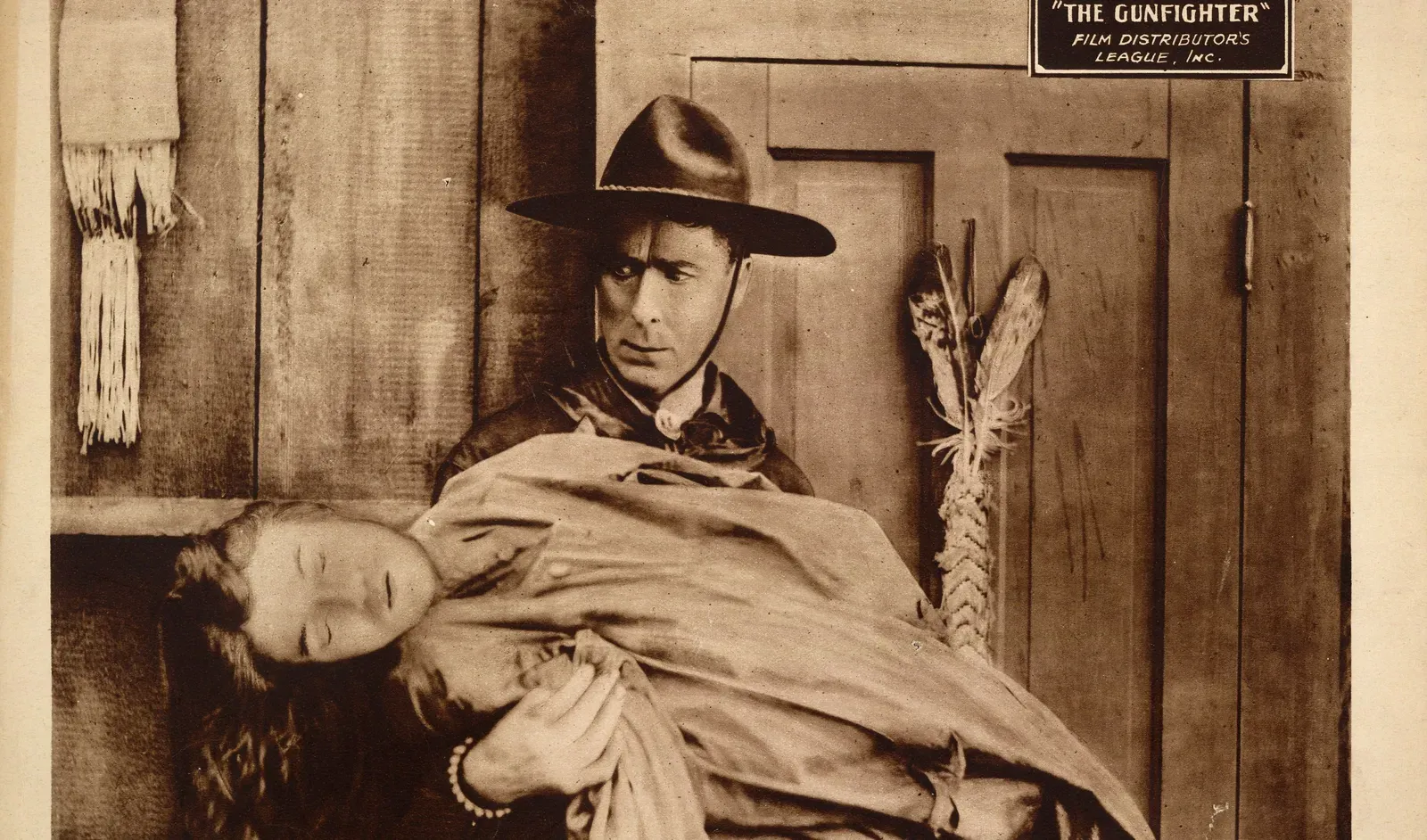
George Stevens directed this story of a mysterious gunfighter who helps a homesteading family against a ruthless cattle baron. Much of it is seen through the eyes of a young boy, played by Brandon deWilde. That perspective gives the film a wistful, almost mythic tone.
Partner offer

Alan Ladd stars as Shane, and Loyal Griggs won the Academy Award for cinematography for the film. The Wyoming mountain backdrops are a big part of its appeal. It’s the sort of movie that rewards a big screen if you can find one.
The Searchers (1956)

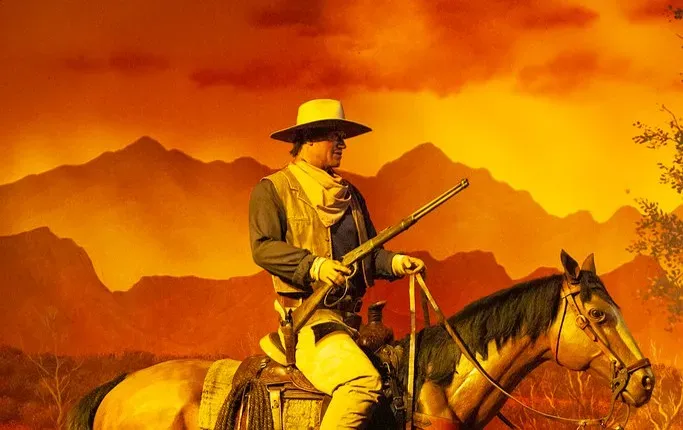
Another John Ford and John Wayne collaboration, this one follows Ethan Edwards on a years long search for his abducted niece. The film is often named among the greatest American movies ever made, and it regularly appears on critics’ lists. Its opening and closing doorway shots are among the most discussed images in cinema.
Be prepared for a difficult protagonist. Ethan is driven by obsession and prejudice, and the film doesn’t look away from that. It’s a good example of how classic Westerns could be more complicated than their reputation suggests.
Rio Bravo (1959)

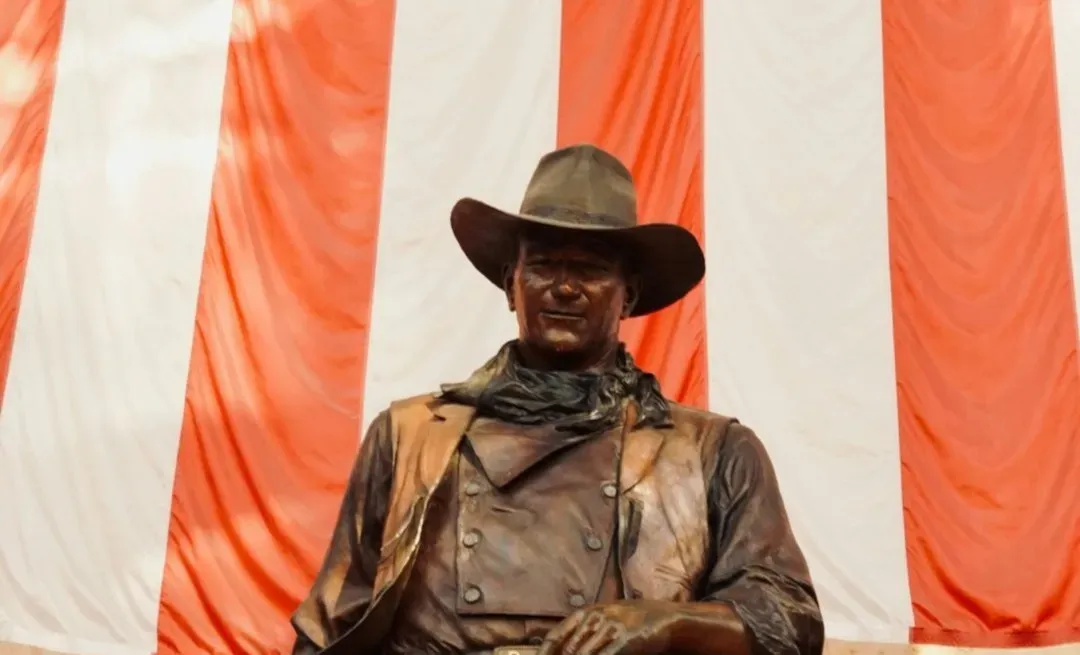
Howard Hawks made this film partly as a response to High Noon, in which he felt a lawman shouldn’t go begging for help. John Wayne plays a sheriff holding a prisoner in jail, backed by a drunk deputy played by Dean Martin, an old man, and a young gunslinger played by Ricky Nelson. The story stays mostly in one small town.
It’s a relaxed, funny, and warm film, running a little over two hours. The camaraderie between the characters is the real attraction. Think of it as the hangout Western.
The Good, the Bad and the Ugly (1966)

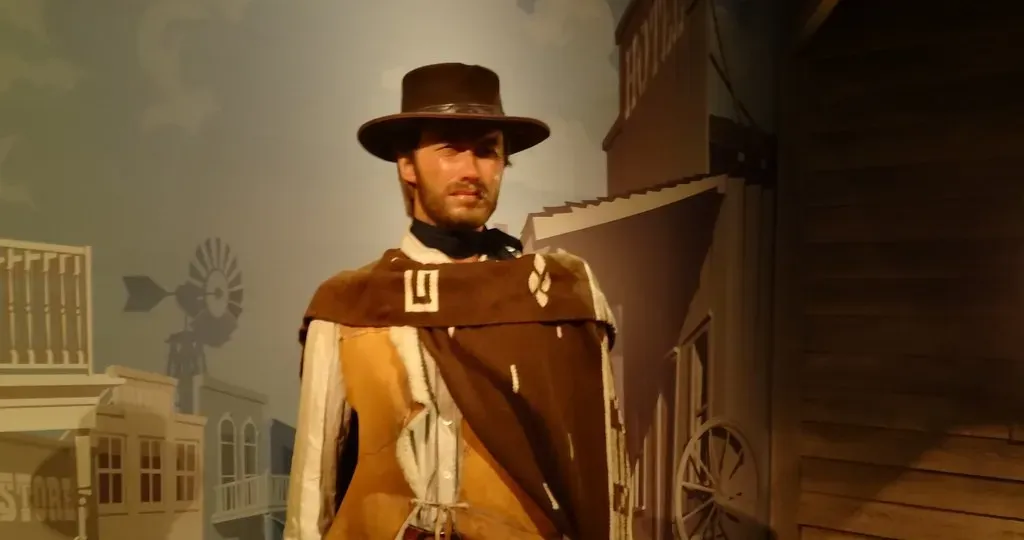
Sergio Leone’s epic follows three men hunting for buried Confederate gold during the American Civil War. Clint Eastwood, Lee Van Cleef, and Eli Wallach play the title roles. Ennio Morricone’s score is among the most recognizable in film history.
This is a so called spaghetti Western, made by an Italian director with a mostly European crew. It’s long, stylized, and often darkly funny. The final three way standoff is famous for good reason.
True Grit (1969)

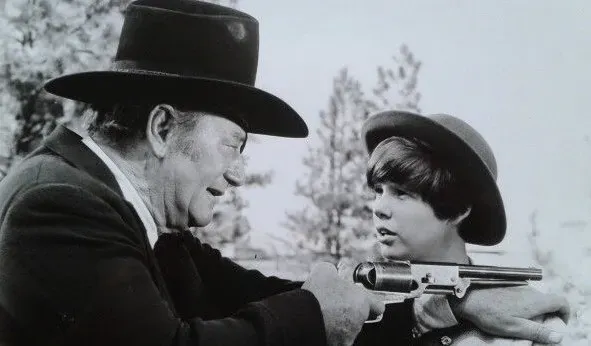
Henry Hathaway directed this adaptation of Charles Portis’s novel about a teenage girl who hires a rough, one eyed marshal to track her father’s killer. John Wayne won his only Academy Award for Best Actor for playing Rooster Cogburn. Kim Darby plays Mattie Ross, and Glen Campbell appears as a Texas Ranger.
It’s a good pick if you want something with humor alongside the action. The Coen brothers made a separate adaptation in 2010, so you can compare the two afterward. Many viewers like to start with the original.
Unforgiven (1992)

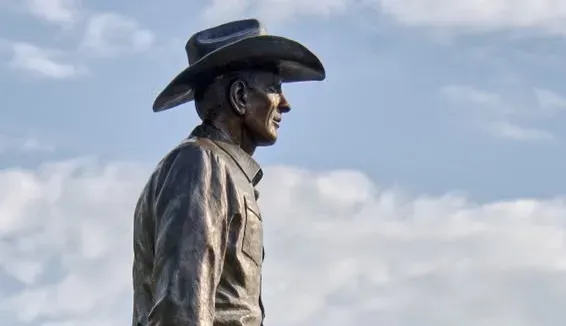
Clint Eastwood directed and starred in this story of a retired gunman who takes one last job for a bounty. The film won the Academy Award for Best Picture, and Eastwood and Gene Hackman both earned acting recognition from the Academy. Hackman won Best Supporting Actor, and Eastwood won Best Director.
It’s a later film than the others here, and it deliberately questions the glamour of violence that earlier Westerns often built. Watching it after a few of the older titles makes its choices land harder. It’s a fitting place to end a first tour of the genre.
Partner offer
Planning a trip to Vegas?
Compare hotel rates and show tickets on VEGAS.com.