A film set is a strange workplace. Dozens of people share a small space for long hours, and the schedule is usually tighter than anyone would like. In that environment, small habits tend to matter more than talent alone.
Directors have talked about this for years in interviews, panels, and guild discussions. The same patterns keep surfacing, and they’re less glamorous than you might expect. Here are eight behaviors that come up again and again.
Arriving Prepared and Knowing the Material

Preparation is the most common answer directors give. An actor who knows the lines, the character’s arc, and the scene’s purpose saves the crew from wasting precious minutes on basics. It also lets the director spend time shaping the performance rather than rescuing it.
Preparation doesn’t mean rigidity. The best prepared actors have done enough homework that they can adjust when a scene changes at the last minute. That flexibility is only possible when the foundation is already solid.
Being On Time and Ready to Shoot

Time on a set is expensive, and a late arrival ripples through the whole day. Hair, makeup, lighting, and camera teams all work to a sequence, so one delay can push everything back. Directors tend to notice punctuality because it quietly signals respect for everyone else.
Being ready goes beyond showing up. It means arriving in costume when required, warmed up, and mentally present. Many crews say a ready actor sets the tone for the whole day.
Taking Direction Without Defensiveness

Notes are part of the job, and how an actor receives them says a lot. Directors generally appreciate performers who listen, try the adjustment, and then talk it through if they disagree. Pushing back isn’t the problem. Doing it constantly or sharply is.
Trying a note before debating it often settles the question quickly. If the new take works, everyone moves on. If it doesn’t, the director has seen the evidence firsthand and can steer accordingly.
Respecting the Crew at Every Level

Crew members remember how actors treat them, from the camera assistants to the production assistants. Directors often point out that a kind, respectful actor builds goodwill that makes long days easier. Rudeness, on the other hand, spreads fast on a small team.
Simple habits count here. Learning names, saying thank you, and staying patient during technical resets all help. Nobody on set is invisible, and the best actors seem to know that.
Staying Collaborative With Scene Partners

Acting is a team effort, especially in dialogue scenes. Directors value performers who give their full energy off camera, even when the lens is pointed at someone else. That generosity often improves both performances.
Collaboration also means respecting how others work. Some actors like to chat between takes, while others prefer silence. Reading the room and adapting is a quiet skill that directors appreciate.
Being Open to Adjustments and Changes

Productions rarely go exactly as planned. Weather shifts, locations fall through, and scripts get revised on the day. Directors favor actors who treat these changes as part of the process instead of as personal inconveniences.
Flexibility keeps momentum going. An actor who can absorb new dialogue or blocking calmly helps the director protect the schedule. That adaptability often matters more than a perfect first take.
Maintaining Consistency Across Takes

Continuity is a practical concern that editors care about deeply. When an actor repeats gestures, line timing, and prop handling from take to take, the footage cuts together cleanly. Directors notice this because it gives them more editing options later.
Consistency doesn’t mean dull repetition. Actors can vary emotional shades while keeping physical details stable. That balance is a technical skill, and it’s one reason experienced performers are so valued.
Keeping Professional Boundaries and Focus
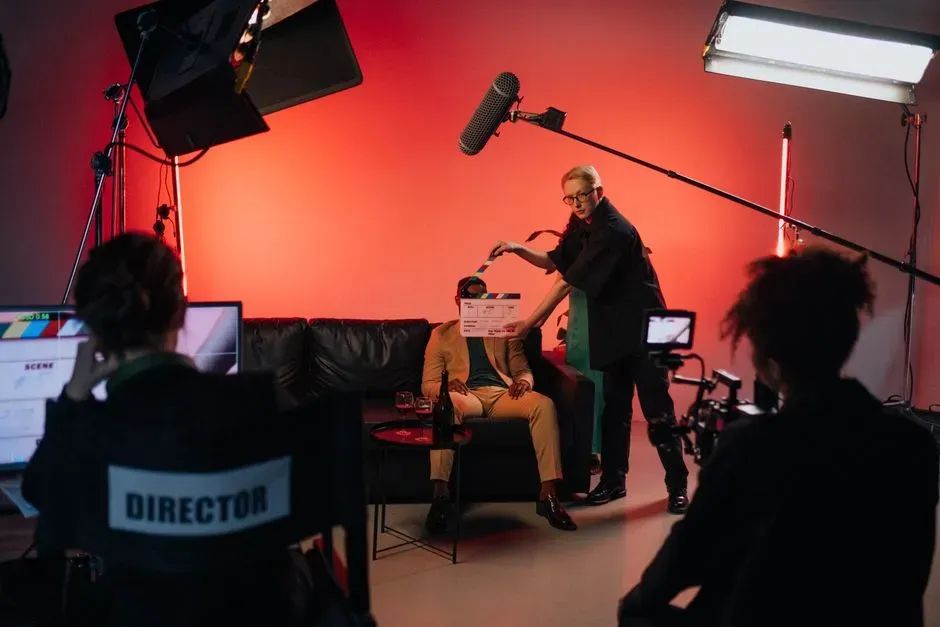
Directors often describe easy actors as those who keep their attention on the work. That means managing phones, personal drama, and off-set distractions so the shoot stays on track. It also means honoring the boundaries of colleagues in physical or emotionally intense scenes.
Industry practices have shifted in recent years, with intimacy coordinators now common on many productions. Actors who communicate clearly and respect those protocols help create a safer environment. A focused, respectful performer makes the whole set run more smoothly.