Most people picture the Oscars as a night of tuxedos, tears, and rehearsed thank yous. Every year, though, a few winners aren’t in the room when their names are read.
The reasons vary a lot. Some were working, some were ill, and some simply didn’t care for awards shows. A few made a point of staying away.
Marlon Brando, The Godfather (1973)

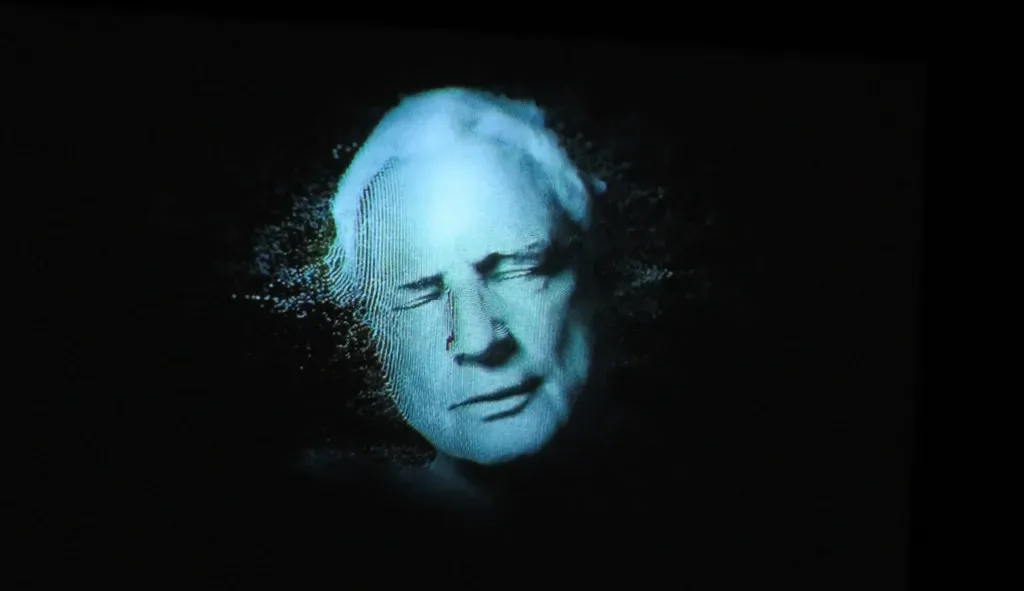
Marlon Brando won Best Actor for The Godfather at the 1973 ceremony. He didn’t show up. Instead he sent Sacheen Littlefeather, who appeared on stage and declined the award on his behalf.
Brando’s stated reason was the way the film industry portrayed Native Americans. The Academy formally apologized to Littlefeather in 2022, and she died later that year.
George C. Scott, Patton (1971)

George C. Scott was named Best Actor for Patton at the 1971 ceremony. He had told the Academy beforehand that he wouldn’t accept a nomination, and he didn’t attend. He was well known for disliking the idea of actors competing against each other.
The Academy still counted the win, and the Oscar was held for him. Scott is often cited as the first performer to turn down an acting Oscar.
Woody Allen, Annie Hall (1978)

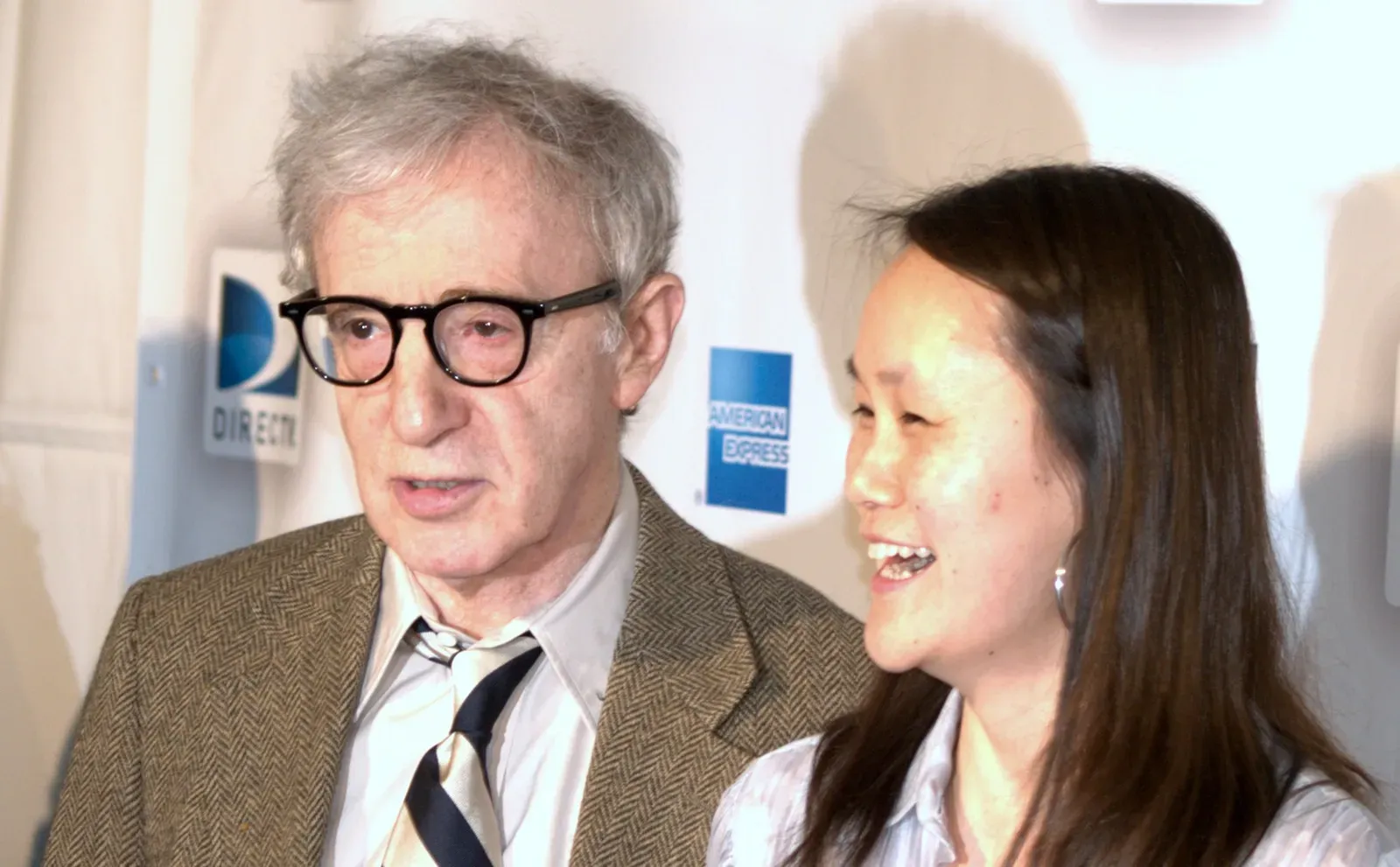
Annie Hall took Best Picture at the 1978 ceremony, and Woody Allen also won for directing and for original screenplay, which he shared with Marshall Brickman. Allen wasn’t there for any of them. He has long been known for skipping awards shows, and the story most often told is that he stayed in New York to play clarinet.
He did make one famous appearance at the ceremony years later. At the 2002 show he came out to introduce a tribute film about New York City.
Katharine Hepburn, Four Wins, No Acceptances

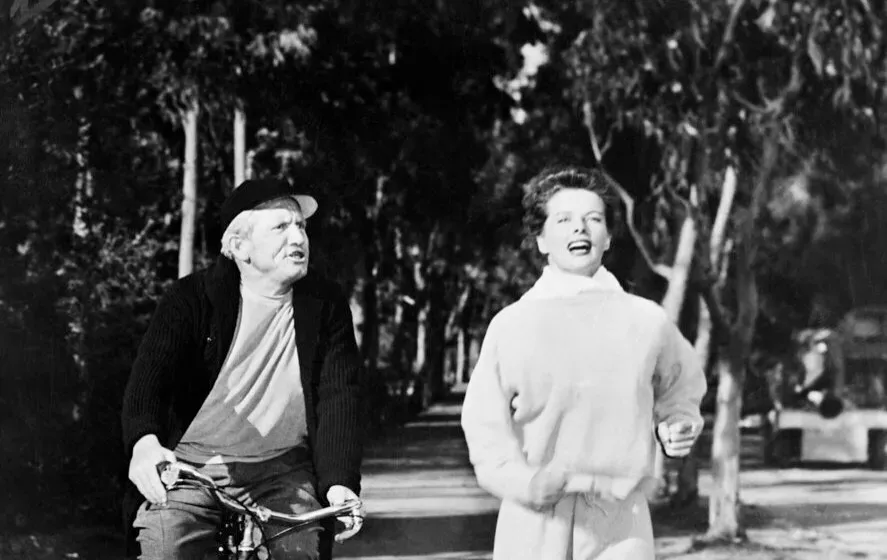
Katharine Hepburn holds the record for the most acting Oscars, with four wins for Morning Glory, Guess Who’s Coming to Dinner, The Lion in Winter, and On Golden Pond. She didn’t collect any of them in person. She was famously private and wary of public contests.
Partner offer

Her first appearance at the ceremony came in 1974, when she presented the Irving G. Thalberg Memorial Award to producer Lawrence Weingarten. She was warmly applauded for it.
Gary Cooper, High Noon (1953)

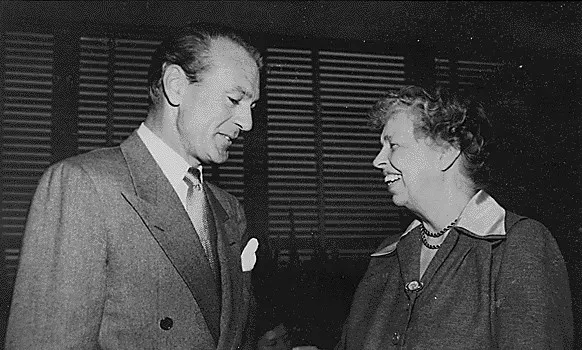
Gary Cooper won Best Actor for High Noon at the ceremony held in 1953. He wasn’t in the theater to accept it. James Stewart went up in his place and spoke with visible emotion, which many in the audience read as a sign of how much Cooper’s win meant to his friends.
The moment is remembered as one of the more touching substitute acceptances. Cooper later won an honorary Oscar in 1961.
Peter Finch, Network (1977)

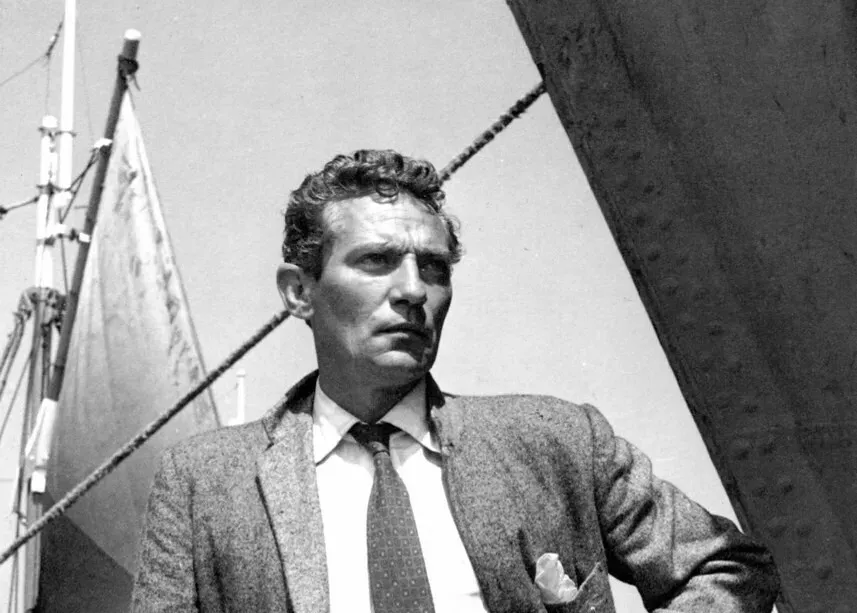
Peter Finch died in January 1977, only weeks before the ceremony. He won Best Actor for Network at the 1977 awards, becoming the first performer to win an acting Oscar after death. His widow, Eletha Finch, accepted the statuette for him.
The award ceremony took place a few months after his passing, which made the night a somber one. Heath Ledger would later join him in the posthumous acting winners list.
Bob Dylan, Things Have Changed (2001)

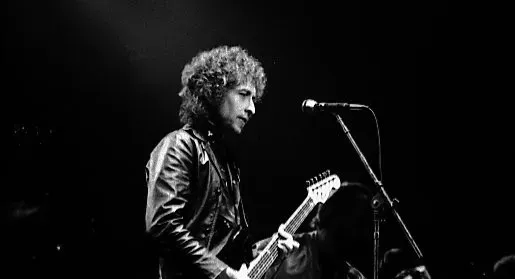
Bob Dylan won Best Original Song for Things Have Changed from the film Wonder Boys at the 2001 ceremony. He wasn’t in Los Angeles, since he was on tour in Australia. He performed the song via satellite for the broadcast.
That meant the audience saw him sing, though not take the stage to collect the trophy in person. He later displayed the statuette on his stage equipment while touring.
Michael Caine, Hannah and Her Sisters (1987)

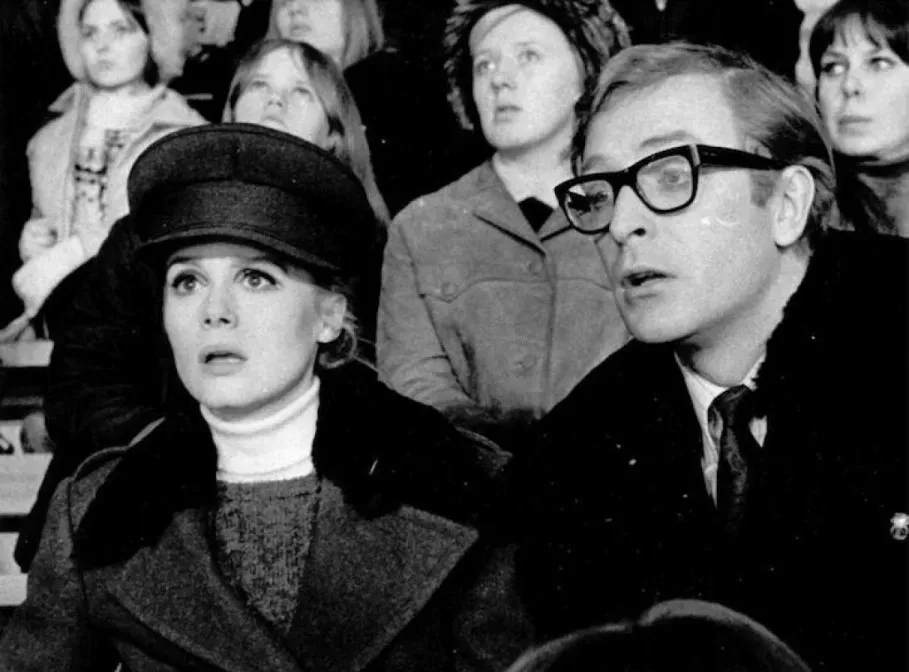
Michael Caine won Best Supporting Actor for Hannah and Her Sisters at the 1987 ceremony. He was away filming Jaws: The Revenge in the Bahamas at the time. Barbara Hershey, his costar in the Woody Allen film, accepted the award for him.
Caine has told the story many times in interviews, often with some humor about the project that kept him from attending. He did win a second supporting Oscar later, for The Cider House Rules, and that time he was in the room.
Partner offer
Planning a trip to Vegas?
Compare hotel rates and show tickets on VEGAS.com.