Some albums sound like the room they were born in. A drum hit rings a little longer, a vocal sits a little closer, and a whole era seems to live in the walls. Producers and engineers have long argued that a studio is an instrument in its own right.
The eight places below are real, documented, and tied to records people still play today. A few are museums now, while others still book sessions. Each one left a mark that listeners can hear.
Abbey Road Studios, London
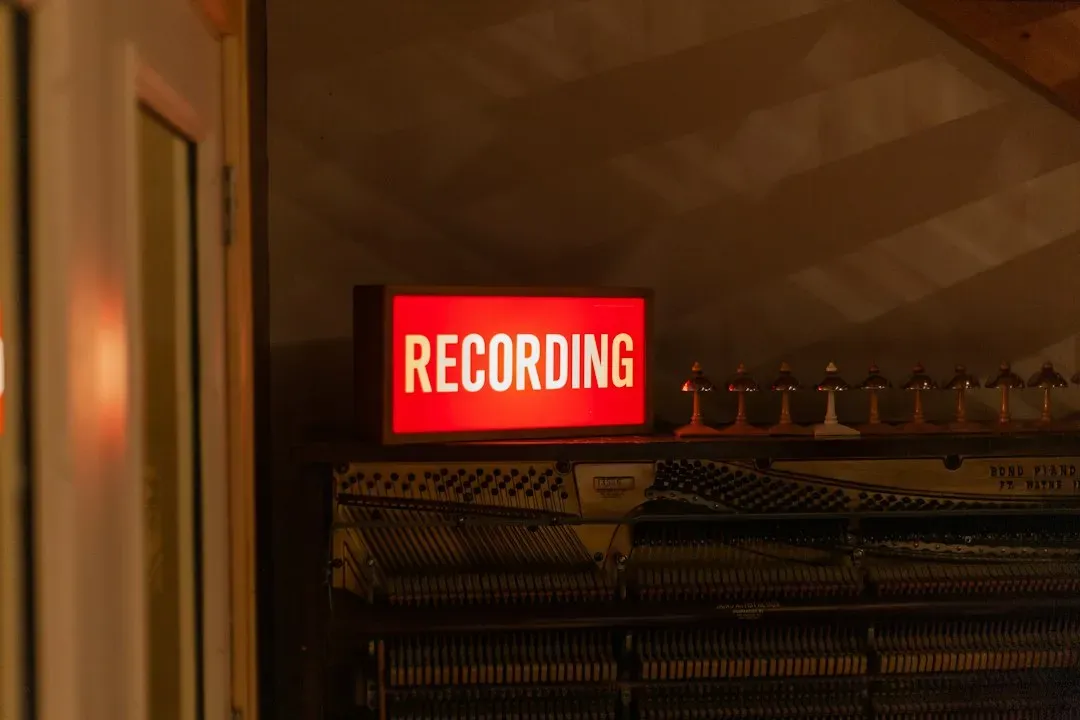
Abbey Road opened in 1931 in St John’s Wood, and it became the home base for The Beatles through most of the 1960s. The band’s 1969 album Abbey Road carried the studio’s name to the world, and the zebra crossing outside is still one of London’s most photographed spots. Pink Floyd also recorded The Dark Side of the Moon there in 1972 and 1973.
The building earned Grade II listed status in 2010, which gave the site formal heritage protection in the UK. It remains a working studio, and it’s widely used for film scores and orchestral sessions. Few facilities have stayed this central for this long.
Sun Studio, Memphis
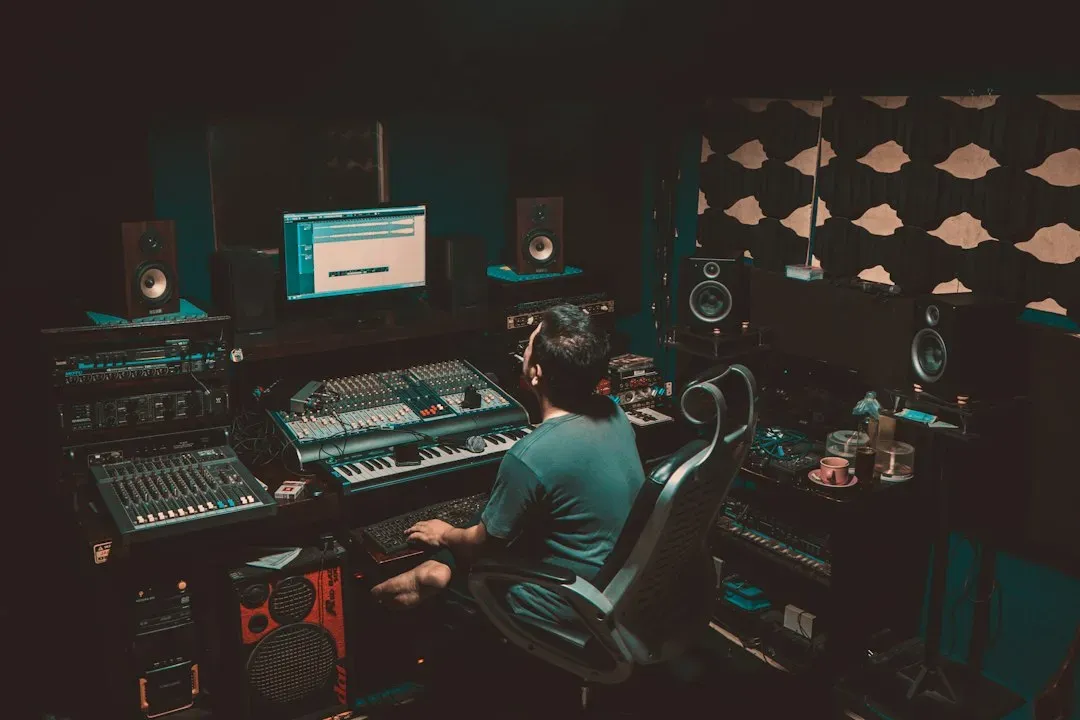
Sam Phillips opened the Memphis Recording Service in 1950, and the building later became known as Sun Studio. Elvis Presley cut his first commercial singles there in 1954. Johnny Cash, Carl Perkins, Jerry Lee Lewis and Roy Orbison all recorded for Sun Records too.
Ike Turner’s band recorded Rocket 88 there in 1951, a song many historians point to as an early rock and roll record. In 1956, Presley, Cash, Perkins and Lewis gathered in the room for the impromptu session now called the Million Dollar Quartet. Sun Studio was named a National Historic Landmark in 2003, and it still offers tours and evening recording sessions.
Hitsville U.S.A., Detroit
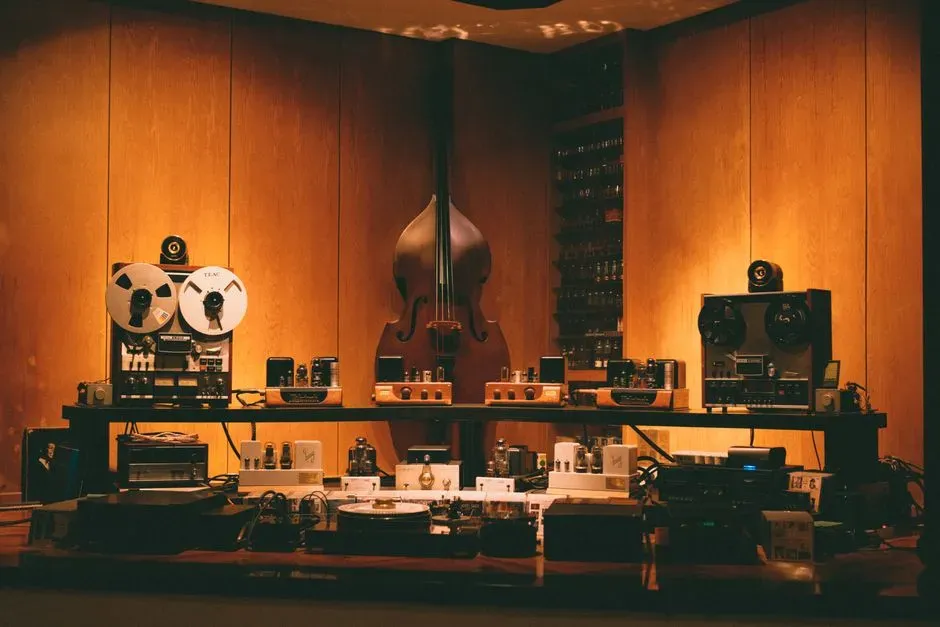
Berry Gordy launched Motown from a modest house on West Grand Boulevard in Detroit, and the studio inside was known as Studio A. The in house session band, now remembered as the Funk Brothers, played on a huge share of the label’s hits. The cramped room even picked up a nickname, the Snakepit.
Artists such as The Supremes, The Temptations, Stevie Wonder and Marvin Gaye worked there. Gaye’s landmark album What’s Going On was recorded at Hitsville in 1970 and 1971. Today the building operates as the Motown Museum, and visitors can stand in the original studio space.
Muscle Shoals Sound Studio, Alabama
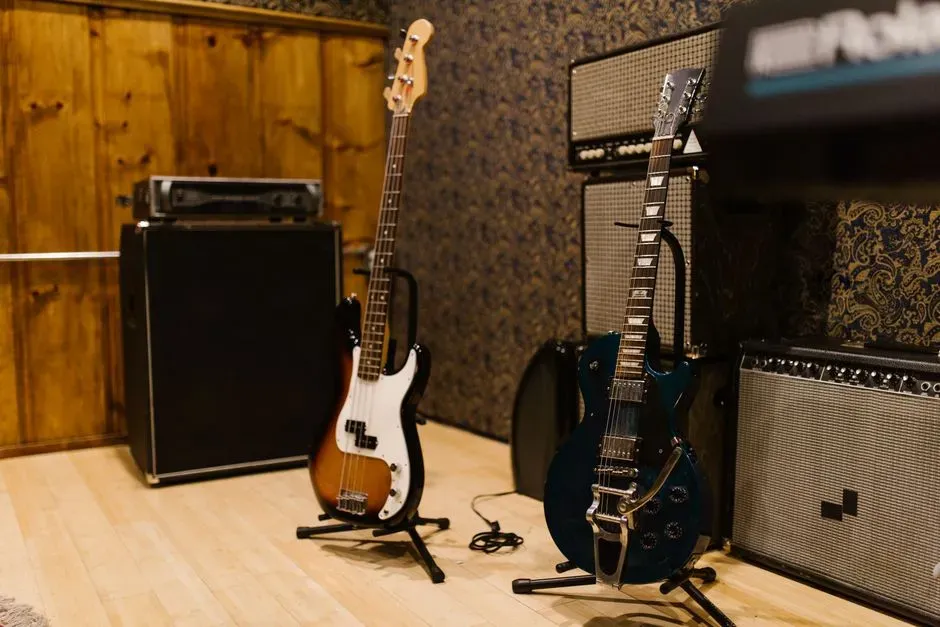
Muscle Shoals Sound Studio opened in 1969 at 3614 Jackson Highway, founded by a group of session players known as the Swampers. The location was small town Alabama, far from the usual music hubs. Even so, major acts traveled there for a particular, groove heavy sound.
The Rolling Stones recorded Brown Sugar and Wild Horses at the studio in December 1969, and both songs ended up on Sticky Fingers. Other artists, including Paul Simon and Lynyrd Skynyrd, also used the room. The building has since been preserved and opened to visitors.
Electric Lady Studios, New York City
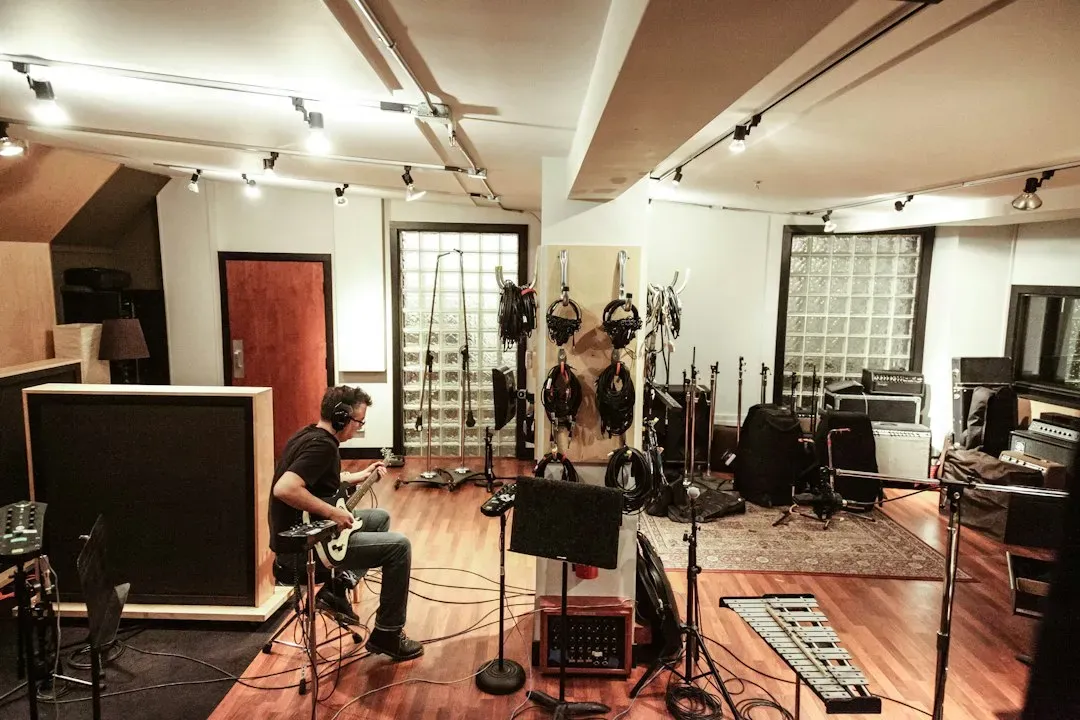
Jimi Hendrix helped conceive Electric Lady in Greenwich Village, and the studio opened in August 1970. Architect John Storyk designed it with curved walls and a more relaxed feel than the sterile rooms of the time. Hendrix died in September 1970, only weeks after the opening, so he had little time to enjoy it.
The studio carried on and became a regular stop for major artists. Led Zeppelin worked on parts of Houses of the Holy there, and Stevie Wonder and many others have recorded in its rooms. It’s still an active commercial studio in Manhattan.
Sound City Studios, Van Nuys
Sound City was a modest, somewhat shabby building in the San Fernando Valley, yet it produced some of rock’s biggest records. Fleetwood Mac recorded their 1975 self titled album there, which introduced Stevie Nicks and Lindsey Buckingham to a wide audience. Nirvana tracked Nevermind at the studio in 1991.
The room was known for its drum sound and its Neve recording console. The studio closed in 2011, and Dave Grohl later acquired the Neve console. His 2013 documentary Sound City told the story of the place and its music.
Capitol Studios, Hollywood
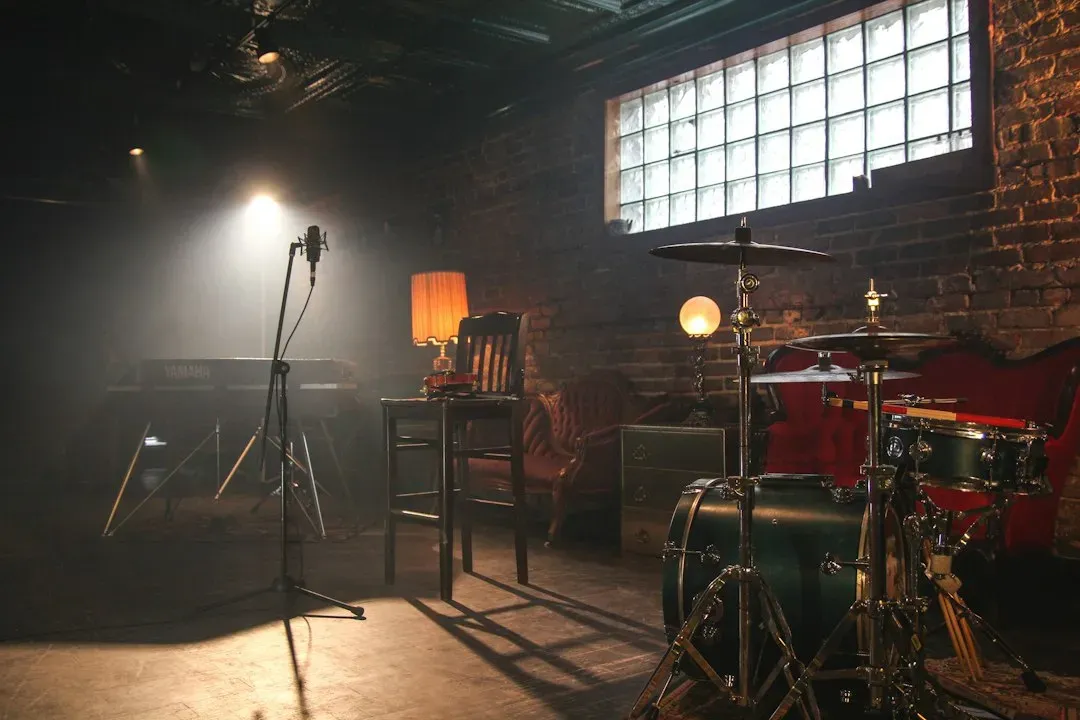
Capitol Studios opened in 1956 beside the label’s famous circular tower on Vine Street. Frank Sinatra recorded some of his best known albums for Capitol in that era, including Songs for Swingin’ Lovers. Nat King Cole was another key voice who worked for the label.
The studio is known for its underground echo chambers, built to give recordings a natural reverb. Engineers could send a signal into the concrete rooms and capture the decay with microphones. Capitol Studios continues to operate today.
Van Gelder Studio, Englewood Cliffs
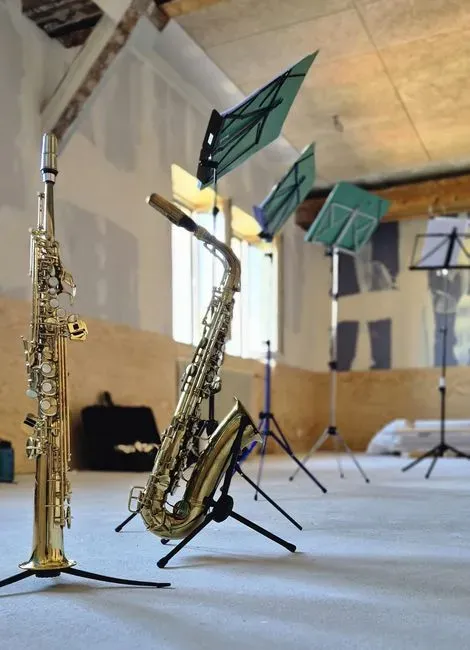
Rudy Van Gelder first recorded musicians in his parents’ living room in Hackensack, New Jersey, while working as an optometrist. In 1959 he moved to a purpose built studio in Englewood Cliffs. Jazz labels like Blue Note, Prestige and Impulse relied on his clean, close sound.
John Coltrane recorded A Love Supreme there in December 1964, and the album is often counted among jazz’s defining works. Van Gelder died in 2016 after engineering thousands of sessions across his career. His recordings still shape how many listeners imagine the sound of classic jazz.