There’s a strange irony sitting at the heart of literary history. Some of the books now treated as essential, the ones assigned in classrooms and quoted in interviews, barely made a ripple when they first landed on shelves. Readers ignored them, critics dismissed them, and in more than one case the authors died believing they had failed. What follows is a look at eight books that took decades, sometimes a full century, to find the audience they eventually earned. Their stories say as much about how taste shifts over time as they do about the books themselves.
Moby-Dick by Herman Melville

When Herman Melville published Moby-Dick in 1851, he expected it to cement his reputation as a serious literary force. Instead, literary critics largely disregarded the novel, and during Melville’s entire lifetime, the book sold only 3,000 copies. The British edition fared even worse, with a print run of just five hundred copies, most of which never sold out.
Melville spent the rest of his career watching his reputation shrink rather than grow. When Melville died in 1891, his death was noted in only one local newspaper, with a brief description of the “long forgotten” author. It took a chance encounter decades later, when a critic stumbled on a secondhand copy around the time of Melville’s birth centennial, to spark what’s now called the Melville Revival and eventually push the novel into the American literary canon.
The Great Gatsby by F. Scott Fitzgerald
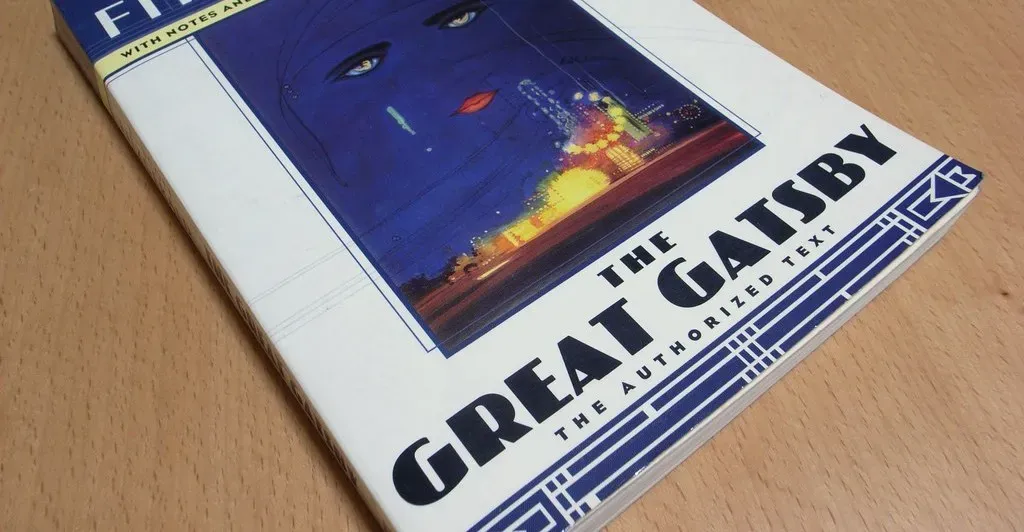
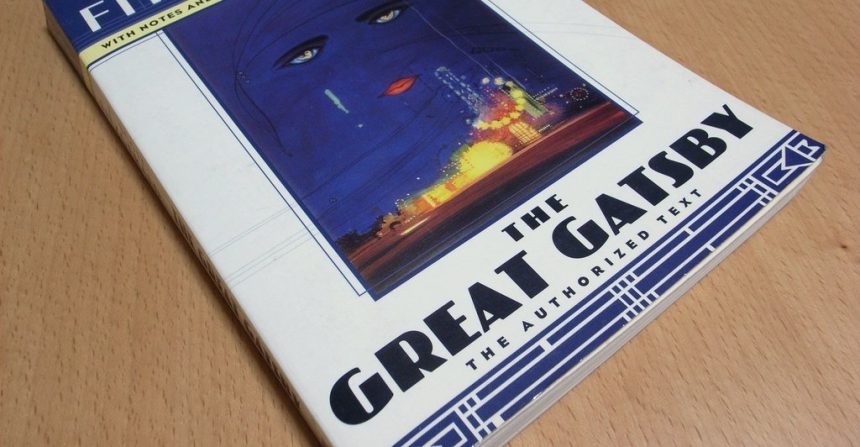
It’s almost hard to believe now, given how thoroughly Gatsby has saturated American classrooms and pop culture, but the book was something of a commercial disappointment on arrival. Gatsby enjoys such an iconic status among American novels that it’s easy to forget what a disappointing seller the book was for F. Scott Fitzgerald, whose earlier novels had each sold about 50,000 copies. Fitzgerald had privately hoped for something closer to 75,000 copies and got nowhere near it.
The failure haunted him for the rest of his life. Fitzgerald died in December 1940 convinced that his novel would be lost to obscurity, and when he died, the remainder of the second printing of 3,000 copies still lay unsold in his publisher’s warehouse. The turnaround came unexpectedly during World War Two, when the Council on Books in Wartime distributed 155,000 paperback copies of The Great Gatsby to American troops, and the novel found its audience, eventually becoming a fixture of high school reading lists.
Walden by Henry David Thoreau

Thoreau’s meditation on simple living, published in 1854, is now treated almost as scripture for anyone drawn to minimalism or self-reliance. At the time, though, it was a modest seller that reached a fairly narrow circle of readers interested in transcendentalist ideas. Thoreau’s earlier book, A Week on the Concord and Merrimack Rivers, had sold so poorly that he ended up storing unsold copies in his own home, a detail that gives some sense of how uncertain his standing was as a writer.
Walden didn’t fail outright, but it also didn’t establish Thoreau as a major literary figure during his lifetime. Recognition built slowly over the following decades, helped along by the environmental and back-to-the-land movements of the twentieth century that found in Thoreau’s writing a kind of blueprint. Today the book is one of the most assigned texts in American schools, a status that would have surprised its author.
Leaves of Grass by Walt Whitman
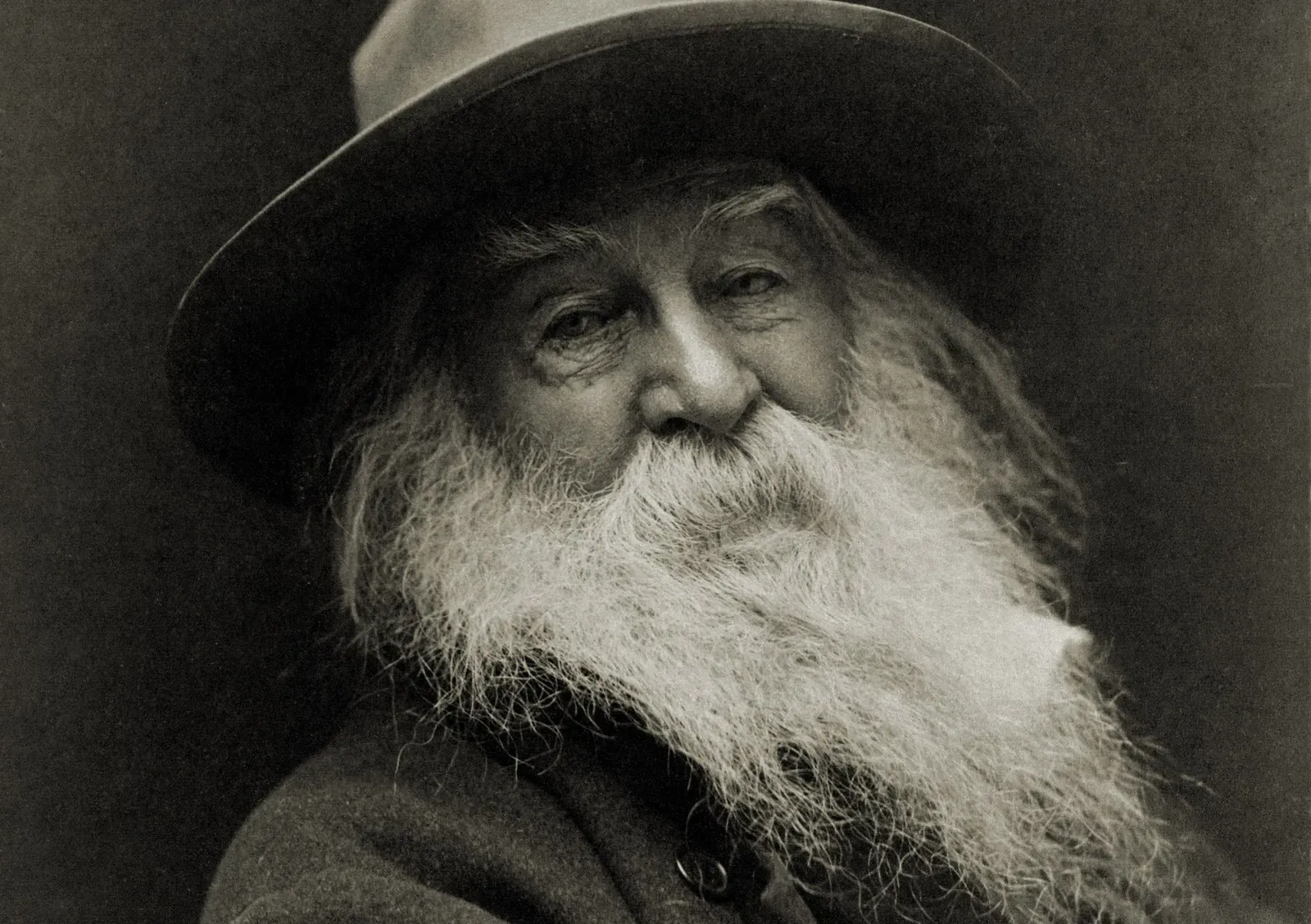
Walt Whitman self-published Leaves of Grass in 1855, and the reception ranged from confused to hostile. Critics found the free verse formless and the content, particularly its frank treatment of the body, scandalous for the era. Whitman kept revising and expanding the collection for the rest of his life, publishing multiple editions in an effort to get readers to see what he saw in it.
Ralph Waldo Emerson offered early private praise, but broad public acceptance took much longer to arrive. It wasn’t until the twentieth century that Whitman’s experiments with form were fully appreciated as a turning point in American poetry rather than a stylistic failure. Modern poets from Allen Ginsberg to countless others have cited Leaves of Grass as foundational, a recognition Whitman only glimpsed in fragments before his death in 1892.
Thus Spoke Zarathustra by Friedrich Nietzsche
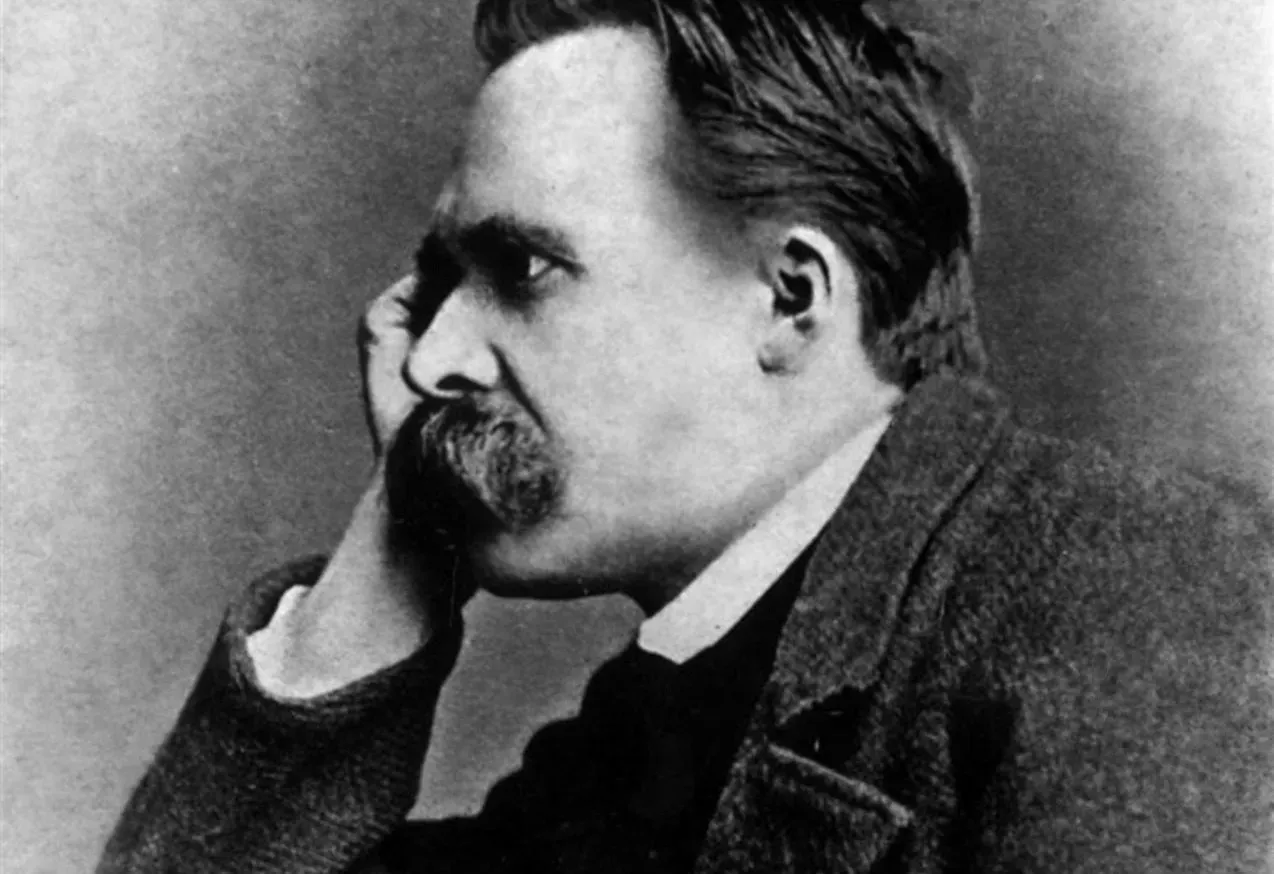
Nietzsche wrote Thus Spoke Zarathustra between 1883 and 1885, and its reception at the time was closer to indifference than controversy. The fourth part sold so few copies that Nietzsche reportedly had to pay for its printing himself and could barely give copies away to acquaintances. This is a philosopher now associated with some of the most quoted ideas in modern thought, yet during his working life he remained a marginal figure outside a small circle of admirers.
Partner offer
Mental illness ended Nietzsche’s productive years in 1889, well before his work found any real audience. It was largely through the efforts of others in the decades after his death, for better and sometimes for worse given how his sister later distorted his legacy, that Zarathustra and his other writings entered mainstream philosophical discussion. The book is now standard reading in university philosophy courses, a fate Nietzsche himself never got to see.
A Confederacy of Dunces by John Kennedy Toole

This one carries a particularly sad backstory. John Kennedy Toole wrote A Confederacy of Dunces in the 1960s and spent years trying, unsuccessfully, to get it published. Repeated rejections contributed to a depression that ended in his suicide in 1969, and the manuscript sat unpublished at the time of his death.
His mother, Thelma Toole, refused to let the novel disappear and eventually convinced novelist Walker Percy to read it. Percy championed the book, it was finally published in 1980, and it went on to win the Pulitzer Prize for Fiction the following year. The novel now has a devoted readership and a permanent place in discussions of American comic fiction, an outcome Toole never lived to witness.
Their Eyes Were Watching God by Zora Neale Hurston
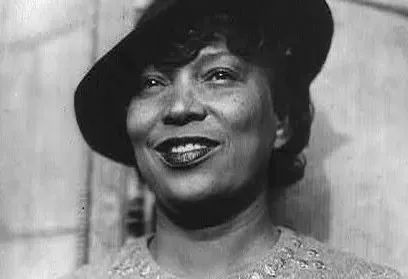
Zora Neale Hurston published Their Eyes Were Watching God in 1937, and it was met with mixed reviews, including sharp criticism from fellow Harlem Renaissance writer Richard Wright, who objected to its use of dialect and its lack of overt social protest. The novel sold modestly and then drifted out of print for decades, a common fate for Black women writers of the period whose work didn’t fit the expectations of the literary establishment at the time.
Hurston herself died in relative poverty and obscurity in 1960, buried in an unmarked grave in Florida. It took the efforts of writer Alice Walker in the 1970s, who tracked down Hurston’s gravesite and wrote publicly about her importance, to bring the novel back into circulation. Today it’s widely taught and regularly cited as a foundational text in African American and feminist literature.
The Trial by Franz Kafka

Franz Kafka never finished The Trial and never saw it published. He died in 1924, and the novel appeared the following year only because his friend Max Brod ignored Kafka’s instructions to burn his unpublished manuscripts. Kafka’s work during his lifetime reached a small readership at best, mostly limited to short stories published in literary magazines.
The slow, unsettling bureaucratic nightmare depicted in The Trial had little cultural context to land in during the 1920s. It took the mid-twentieth century, particularly the postwar period and the rise of existentialist thought, for Kafka’s vision of anonymous institutional power to feel prophetic rather than obscure. The term “Kafkaesque” has since become common shorthand in everyday language, a linguistic legacy few writers achieve.
Final thoughts

What connects these eight books isn’t a single formula for delayed recognition. Some were victims of bad timing, others of cultural blind spots that took generations to correct, and at least two were rescued from oblivion by people who refused to let a manuscript disappear. Taken together, they’re a reminder that a book’s first reception, good or bad, rarely settles the question of its lasting worth.
Partner offer
Planning a trip to Vegas?
Compare hotel rates and show tickets on VEGAS.com.