Science doesn’t usually announce itself. Most of the time, the discoveries that end up rewriting entire textbooks begin quietly – in a small lab, with a stubborn question nobody else wanted to ask. Then, sometimes over years and sometimes almost overnight, everything shifts. A new tool, a rogue observation, an unexpected result in a petri dish, and suddenly the entire field has to reorganize itself around one person’s curiosity.
The researchers on this list didn’t just publish interesting papers. They broke something open. Some of them changed how we treat cancer. Others rewrote what we know about the universe itself, or about our own DNA. From gene editing to gravitational waves, from protein structures to the bacteria-based scissors that could cure thousands of diseases – these are the people who moved the needle in ways that still ripple outward today. Let’s get into it.
1. Jennifer Doudna – The Biochemist Who Gave Science a Pair of Scissors
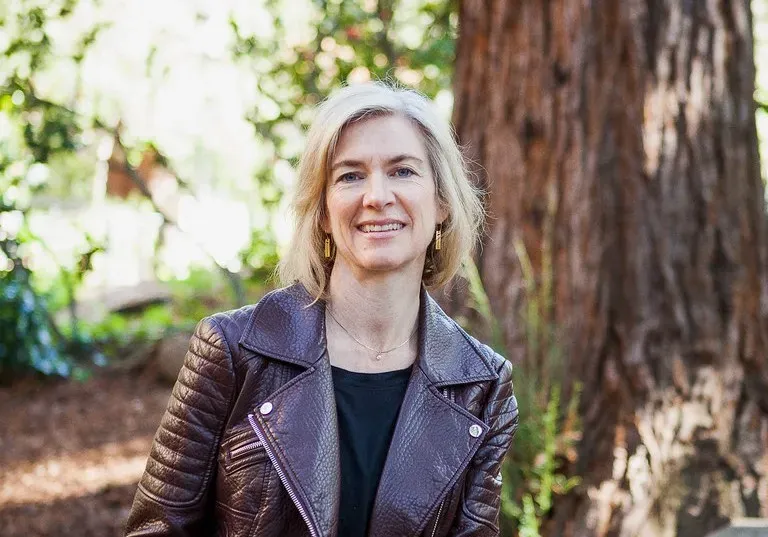
Emmanuelle Charpentier and Jennifer Doudna discovered one of gene technology’s sharpest tools: the CRISPR/Cas9 genetic scissors, which allow researchers to change the DNA of animals, plants, and microorganisms with extremely high precision. Honestly, calling it a “tool” feels like calling a rocket ship a “vehicle.” What they created was a method to rewrite the code of life itself – and it came, almost randomly, from studying how bacteria fight off viruses.
The discovery of CRISPR-Cas9, made in 2012, provided the foundation for gene editing, enabling researchers to make specific changes to DNA sequences in a way that was far more efficient and technically simpler than earlier methods. In 2020, Jennifer Doudna was awarded the Nobel Prize in Chemistry alongside Emmanuelle Charpentier for the development of CRISPR-Cas9 genome editing technology, which has revolutionized molecular biology and holds immense potential for treating genetic diseases. The impact? Nearly impossible to overstate.
2. David R. Liu – The Gene Editor Who Took It One Letter Further
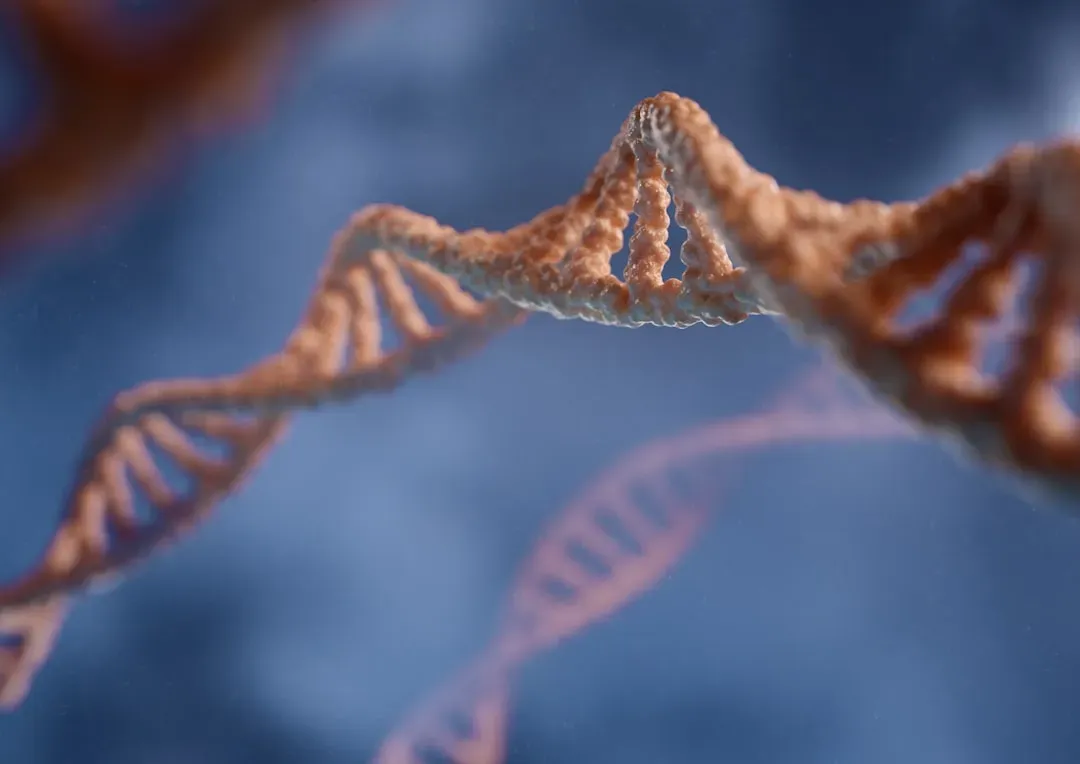
If CRISPR was the first act, David Liu’s work is the sequel that many argue is even more powerful. In 2016, Liu’s lab at the Broad Institute developed base editing, a technique that allows scientists to correct single-letter mutations in DNA – the kind of tiny genetic “misspellings” that underlie thousands of human diseases. Think of it this way: CRISPR cuts the sentence, while base editing changes one wrong word within it – far more precise, far less disruptive.
In May 2025, the New England Journal of Medicine published the case of a 5-month-old boy with a deadly genetic disorder, who became the first to receive a personalized CRISPR gene-editing treatment. The therapy was built on base editing, a technology developed in Liu’s lab nearly a decade ago, and was created to correct the single-letter genetic mutation that was shutting down the baby’s ability to eliminate ammonia from his liver. Liu’s advances in developing base editing and prime editing, techniques used to fix disease-causing mutations in DNA, are already being used in more than 20 clinical trials for genetic diseases including cancer, blood disorders, and metabolic disorders.
3. Demis Hassabis and John Jumper – The AI Researchers Who Solved Biology’s Protein Puzzle
For decades, figuring out a protein’s shape from its chemical sequence alone was considered one of science’s most brutal unsolved problems. It took experimental labs years per protein. Then a team at Google DeepMind changed everything. In October 2024, the Nobel Prize in Chemistry was awarded to researchers including Demis Hassabis and John Jumper from Google DeepMind, for their groundbreaking work on protein folding using an AI model called AlphaFold2. By accurately predicting the structures of nearly all known proteins, AlphaFold2 has given scientists an incredibly powerful tool to understand how proteins interact in the body – and this breakthrough could pave the way for new treatments for diseases like Parkinson’s and malaria.
Developed by Alphabet’s DeepMind laboratory, AlphaFold has revolutionized the process of predicting protein structure, DNA/RNA patterns, and other cellular enigmas. The program has enabled researchers to game out how cell components fold and interact much faster than ever before, with an accuracy that approaches meticulous and time-consuming experimental results, and has accelerated research into drug candidates and the mechanisms that undergird life. It’s the kind of leap that makes other researchers put down their coffee and stare at their screens in disbelief.
4. Kip Thorne, Rainer Weiss, and the LIGO Team – The Physicists Who Heard the Universe
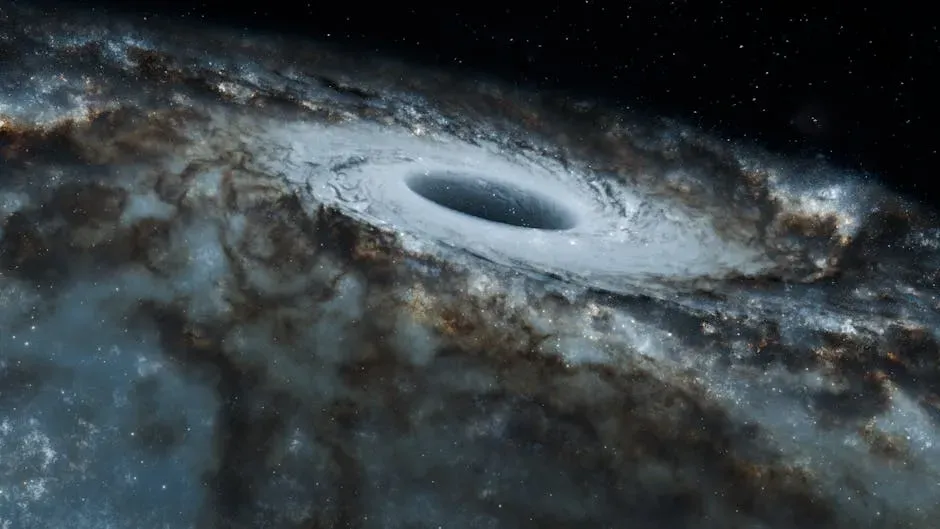
Einstein predicted them in 1916. It took humanity almost exactly a century to actually detect them. In September 2015, the LIGO and Virgo collaboration detected gravitational waves for the first time, propagating from a pair of merging black holes some 1.3 billion light-years away. The sound they recorded – a brief, rising chirp – was the echo of two black holes colliding over a billion years ago. When you think about it like that, it becomes dizzying.
As of 2025, hundreds of gravitational waves have been captured by LIGO and other detectors, opening a whole new window into the universe. This achievement earned the 2017 Nobel Prize in Physics, and it fundamentally changed astrophysics. Before LIGO, we could only see the universe. After it, we could hear it too – detecting events invisible to any telescope, using the fabric of spacetime itself as a microphone.
5. Katalin Karikó – The Scientist Nobody Wanted to Fund Who Changed Vaccine Science Forever
Here’s a name that deserves far more recognition than it usually gets. Katalin Karikó spent decades working on messenger RNA, a molecule most of her colleagues dismissed as too unstable and too dangerous to use therapeutically. She was demoted. Grants were repeatedly denied. She kept going anyway. Her persistence, combined with her colleague Drew Weissman’s insights, produced the foundational mRNA modifications that made COVID-19 vaccines possible – protecting hundreds of millions of people across the globe.
Karikó and Weissman were awarded the Nobel Prize in Physiology or Medicine in 2023 for their discoveries concerning nucleoside base modifications that enabled the development of effective mRNA vaccines. The irony is thick: the technology that saved the world was nearly abandoned for lack of funding. It’s a story that should make every research committee uncomfortable. I think it should, anyway.
6. Svante Pääbo – The Evolutionary Biologist Who Read Extinct DNA
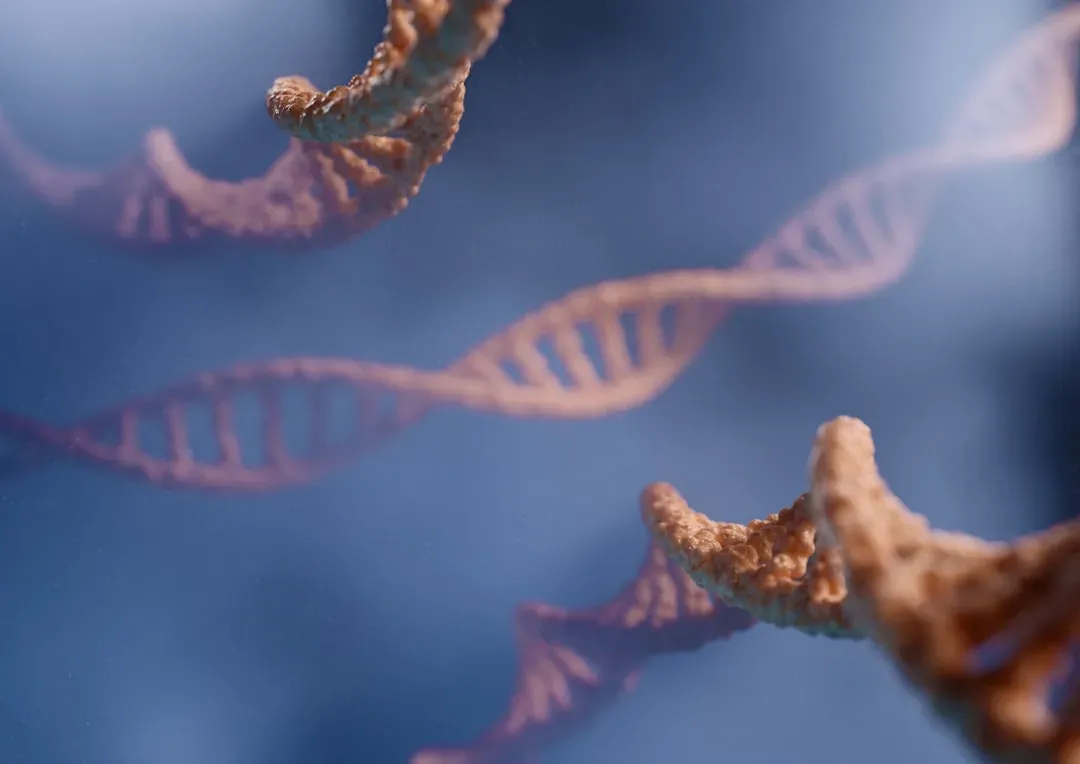
Before Svante Pääbo’s work, the Neanderthals were a mystery. We had bones. We had rough timelines. What we didn’t have was their genome. Pääbo pioneered the field of ancient DNA analysis and achieved what many considered technically impossible – extracting and sequencing genetic material from remains tens of thousands of years old. In 2010, scientists reported the discovery of Denisovans, an archaic human lineage that went extinct around the same time as the Neanderthals, using mitochondrial DNA from a finger bone. That discovery came directly from Pääbo’s lab at the Max Planck Institute for Evolutionary Anthropology.
Ancient DNA has revolutionized our understanding of modern human history by reconstructing the lineages of various cultures in recent millennia and even tracking the spread of infectious diseases through bygone peoples. Pääbo received the Nobel Prize in Physiology or Medicine in 2022 for his discoveries concerning the genomes of extinct hominins and human evolution. What gets me is that he found an entirely new branch of the human family tree – not from a fossil, but from a single finger bone found in a Siberian cave.
7. James P. Allison and Tasuku Honjo – The Cancer Researchers Who Taught Immunity to Fight Back
For most of the 20th century, cancer treatment meant surgery, radiation, or chemotherapy. Effective, sometimes, but blunt instruments that damaged healthy tissue alongside the bad. Then two researchers, working independently on opposite sides of the world, discovered something that changed the entire approach. James P. Allison and Tasuku Honjo made a groundbreaking discovery that by inhibiting the “brakes” in the immune system, the body can begin to fight off tumor cells on its own. Their joint discoveries helped successfully develop new treatments for cancer and earned them the Nobel Prize in 2018.
This approach – now called immune checkpoint therapy – has become a cornerstone of modern oncology. It doesn’t attack cancer directly. Instead, it removes the molecular handcuffs that stop your immune system from doing its job. The results in certain cancers have been extraordinary, with patients surviving diseases that were previously considered death sentences. It’s hard to say for sure whether we’d have gotten there without them, but the field certainly got there faster because of them.
8. Carolyn Bertozzi – The Chemist Who Brought Chemistry to Life, Literally
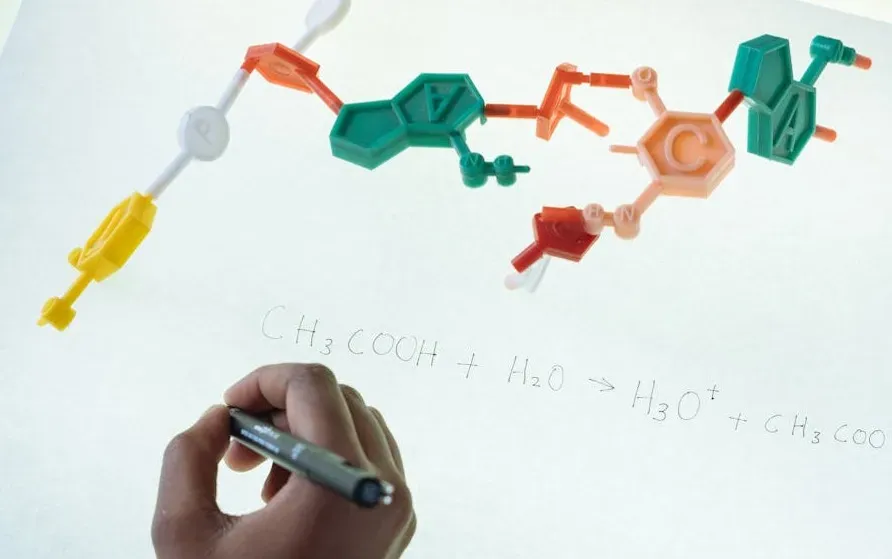
Carolyn Bertozzi created a field that didn’t exist before her. She developed what’s called “bioorthogonal chemistry” – a method for performing chemical reactions inside living organisms without disrupting the natural processes already happening there. Think of it as being able to light a match inside a room full of paper, without setting anything on fire. It’s extraordinarily precise, and it opened entirely new doors for drug delivery and the study of living systems in real time.
Bertozzi was awarded the Nobel Prize in Chemistry in 2022, shared with Karl Barry Sharpless and Morten Meldal, for the development of click chemistry and bioorthogonal chemistry. Her work has had direct implications for cancer research, offering new ways to tag and target tumor cells in the body with unprecedented precision. It’s the kind of science that looks almost magical from the outside – chemistry happening inside a living being, on demand, without side effects. What would you have guessed chemistry could do inside a living cell? Probably not this.
Looking at these eight researchers side by side, something becomes clear: none of them set out to become famous. They set out to answer questions. Doudna was studying bacteria. Karikó just believed in mRNA when no one else did. Pääbo wanted to understand where we came from. The breakthroughs followed the curiosity, not the other way around. That might be the most important thing we can take from all of it – and the most encouraging thing for anyone still working quietly in a lab right now, wondering if any of it matters.
What do you think? Is there a researcher you believe deserves a spot on this list? Drop it in the comments.