Home economics has had a quiet reputation for decades. Many people remember burnt muffins, lopsided pillows, and a teacher insisting that a seam allowance really did matter. Yet those lessons were often the first practical training in running a household that anyone received.
Today the subject usually goes by names like family and consumer sciences, and it still shows up in many schools. The basics it taught have not gone out of style. Here are eight that adults keep reaching for, often without realizing where they learned them.
Cooking a Basic Meal From Scratch
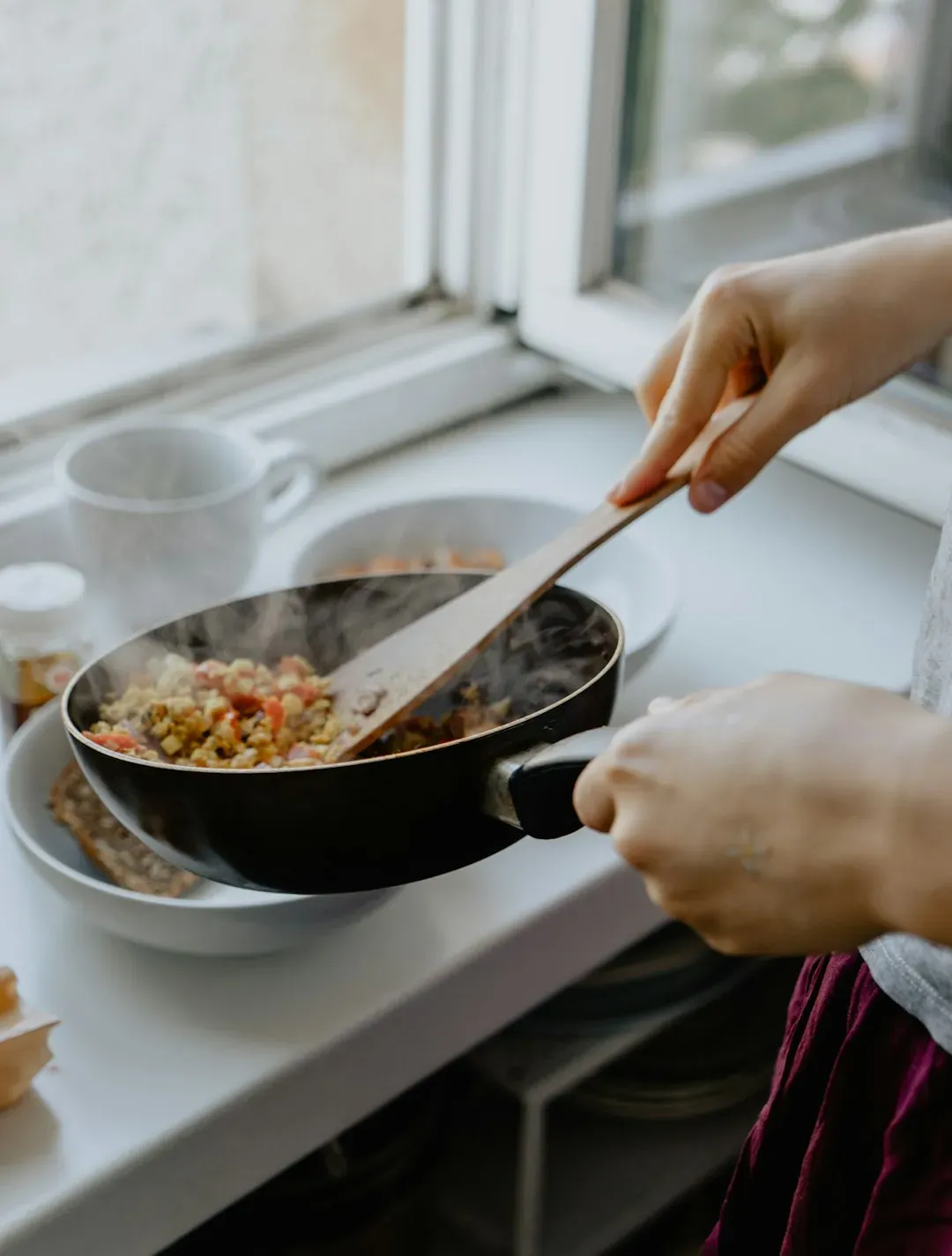
Following a recipe, measuring ingredients, and timing a few dishes to finish together are the core of any foods unit. Adults lean on that skill every week, whether they’re making pasta, roasting vegetables, or scrambling eggs. Knowing what a simmer looks like beats guessing.
There’s a money angle too. The USDA’s Economic Research Service has consistently found that food eaten away from home costs more than food prepared at home, and its data shows restaurants and takeout make up a large share of household food spending. Cooking a few meals a week is one of the easiest ways to shave a grocery budget, and it starts with the confidence those early classes built.
Reading and Following Food Safety Rules
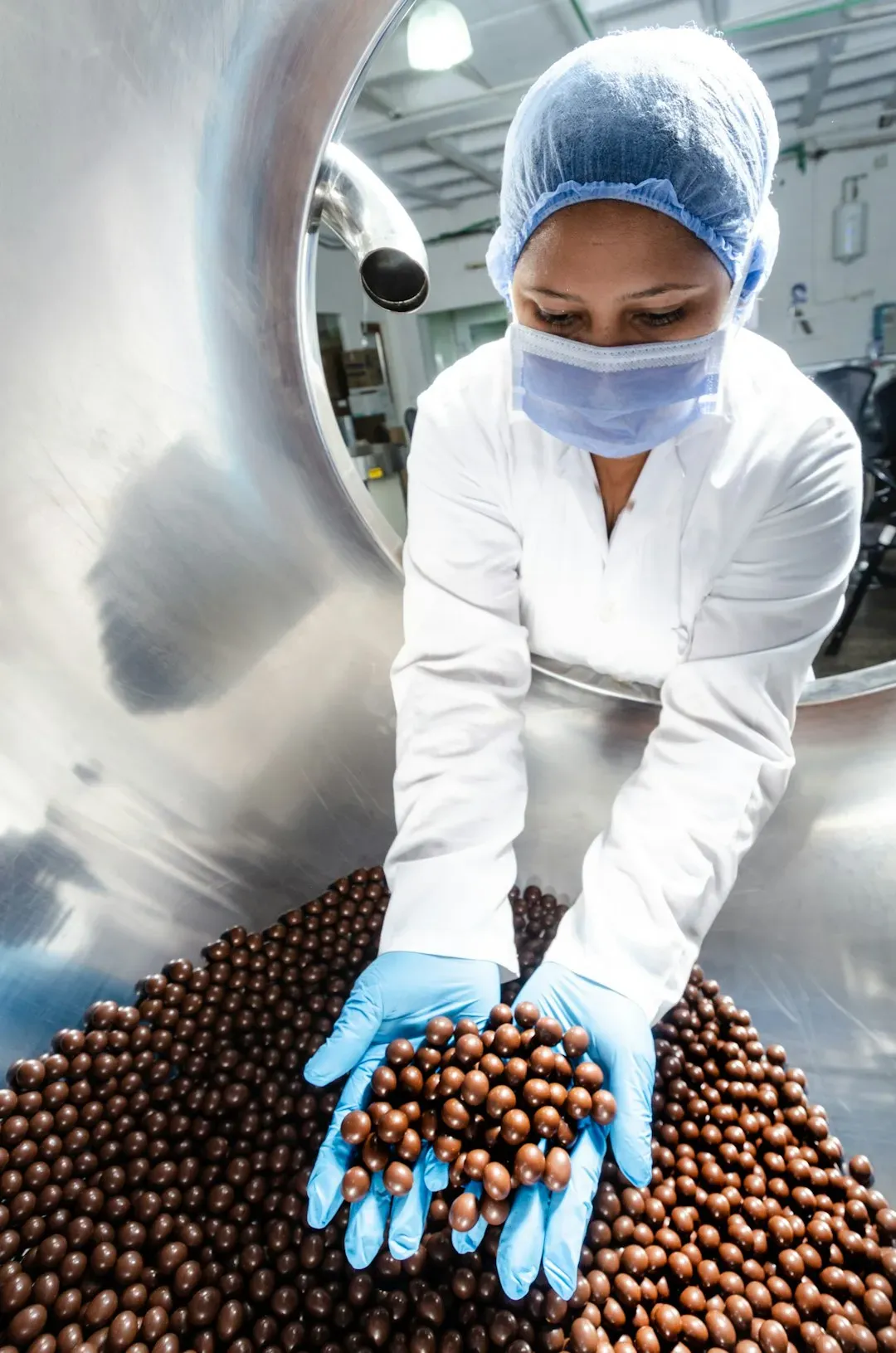
Washing hands, using separate cutting boards for raw meat, and cooking food to safe temperatures were drilled into students for good reason. The CDC estimates that roughly one in six Americans gets sick from foodborne illness each year. Most cases are preventable with habits that feel almost boring.
Adults use these rules constantly, usually on autopilot. Checking that chicken reaches 165 degrees Fahrenheit, as USDA guidance recommends, is a direct descendant of the classroom lesson. So is refrigerating leftovers promptly instead of leaving them on the counter all evening.
Sewing on a Button and Basic Mending
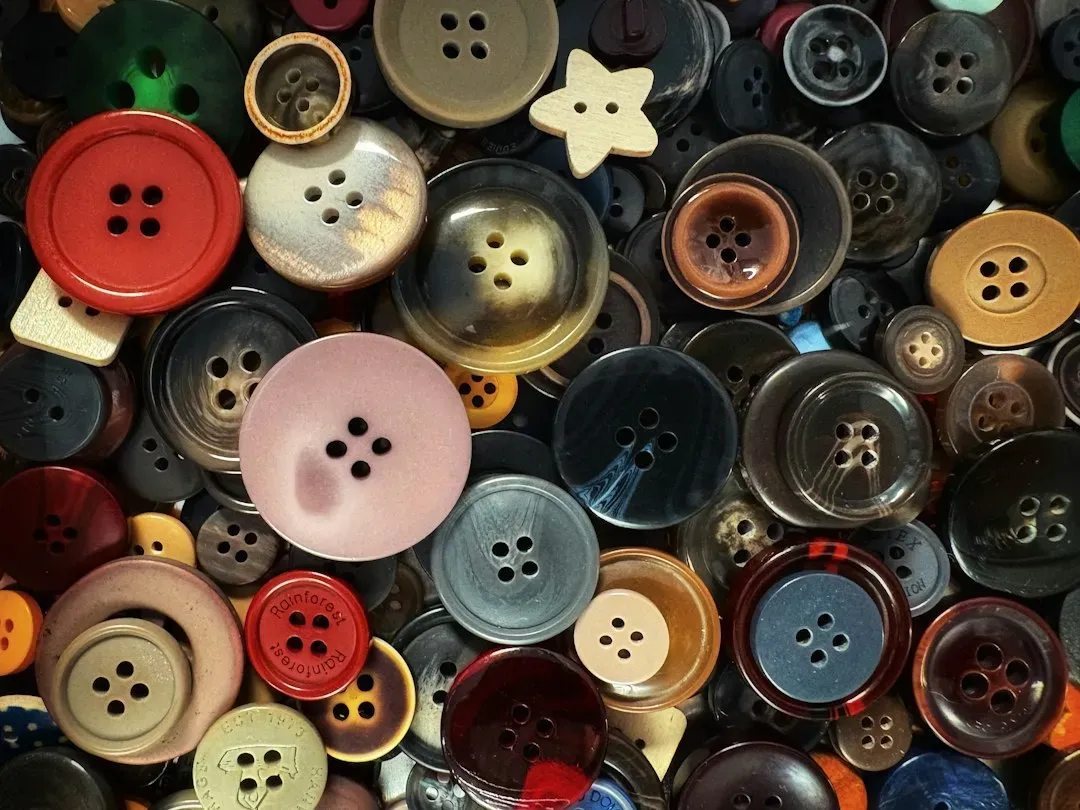
Few people sew a whole garment these days, but nearly everyone eventually faces a loose button or a split seam. A threaded needle and a few minutes can save a shirt that would otherwise go in the donation bag. Home economics gave many people that first knot, the one that actually holds.
Mending has also become part of a wider push to keep clothes in use longer. Textile waste is a documented problem, and the EPA has reported that millions of tons of clothing and footwear end up in landfills in the United States each year. Small repairs won’t solve that alone, but they do keep individual items out of the trash.
Budgeting and Tracking Household Money

Many courses had students plan a pretend monthly budget, balancing rent, groceries, and utilities against a set income. It felt like a game then. It looks a lot like real life now.
Partner offer
Financial literacy has become a bigger focus in schools, with a growing number of US states requiring a personal finance course for graduation, according to the nonprofit Next Gen Personal Finance. Adults who sort spending into needs and wants, or set aside money before paying for extras, are using the same framework. The tools are apps now rather than worksheets, but the logic hasn’t changed.
Smart Grocery Shopping and Label Reading
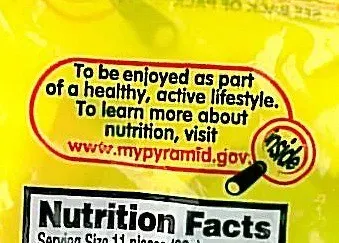
Comparing unit prices and reading nutrition labels were standard lessons. The FDA’s Nutrition Facts label lists serving size, calories, and nutrients like sodium and added sugars, and it was updated in recent years to make serving sizes more realistic. Knowing how to read it helps shoppers compare two boxes of cereal in seconds.
Unit pricing matters just as much, since a bigger package isn’t always cheaper per ounce. Adults who check the small price tag on the shelf edge are applying that classroom habit. It’s a simple move that adds up over a year of shopping.
Doing Laundry Without Ruining Anything
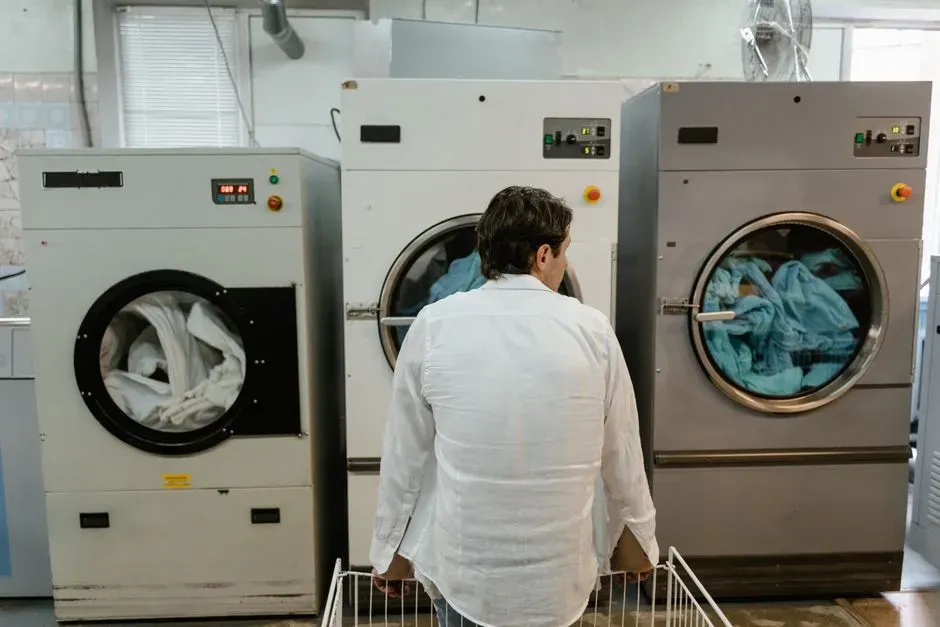
Sorting colors, reading care labels, and understanding water temperature can seem obvious, until a red sock turns a load of whites pink. Home economics covered these basics, along with stain treatment and ironing. The care label symbols are standardized, so learning them once pays off for life.
Laundry knowledge has practical payoffs beyond avoiding mishaps. Washing in cold water is widely recommended by energy agencies because most of a washer’s energy use goes to heating water. Clothes also last longer when they’re washed and dried according to their labels.
Planning Ahead and Managing Your Time
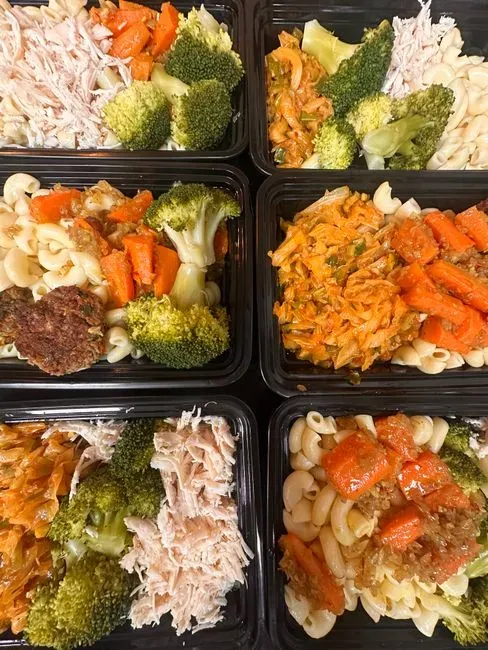
A cooking lab is really a lesson in logistics. You gather ingredients, read the full recipe first, and work out what needs to start early. Students quickly learned that the rice should go on before the stir fry.
Adults apply the same sequencing to busy weeknights, holiday dinners, and even work projects. Meal planning, which many families use to reduce last minute takeout runs, is simply that skill stretched across a week. Thinking through steps before starting is a habit that shows up well beyond the kitchen.
Basic Home Care and Cleaning
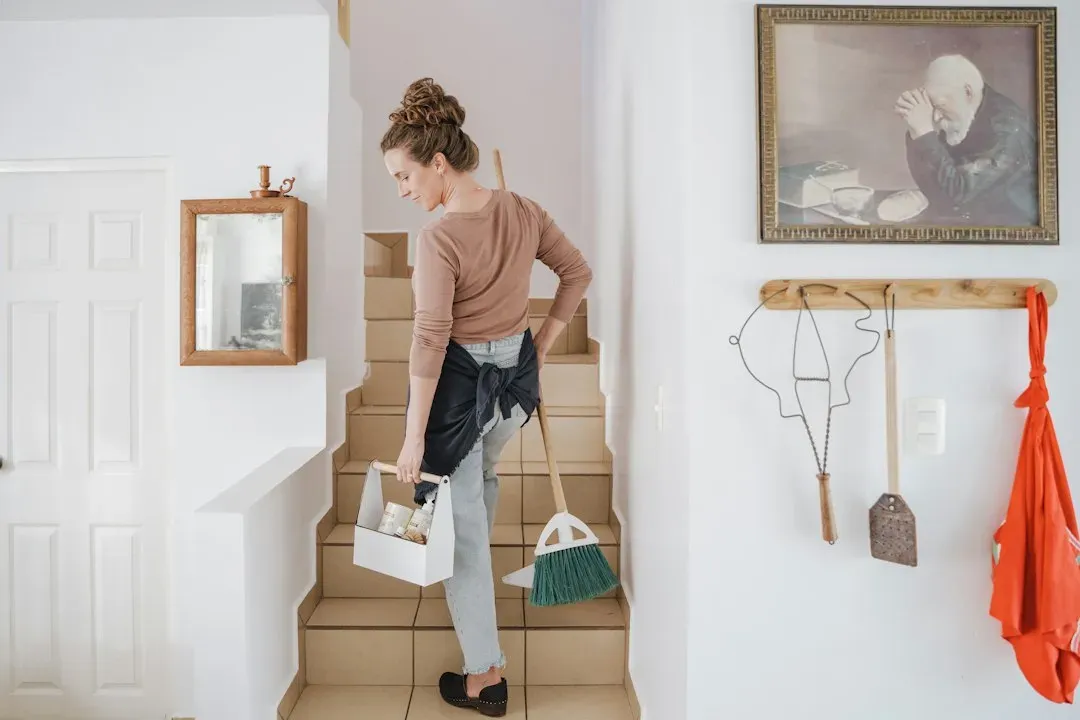
Many classes touched on keeping a home clean and orderly, including how to clean a kitchen properly and which products shouldn’t be mixed. That last point is serious. Poison control centers warn that combining bleach with ammonia or certain other cleaners can create toxic gases.
Beyond safety, there’s the routine side: wiping surfaces, taking out trash before it smells, and tackling small tasks before they pile up. The CDC notes that regular cleaning helps reduce germs on frequently touched surfaces. It’s unglamorous work, and adults do it every day because someone once showed them how.
Partner offer
Planning a trip to Vegas?
Compare hotel rates and show tickets on VEGAS.com.