Most of us learn to read dogs the way we learn a second language, by picking up a few phrases and assuming the rest. A wagging tail means happy, a lowered head means sorry, and a belly roll means rub me. Those shortcuts work often enough that we rarely question them.
Veterinarians and veterinary behaviorists see where they break down. Many of the bite cases, anxious patients and strained owner relationships they deal with trace back to a signal that was read the wrong way. Here are eight common ones, along with what the research and clinical guidance say about each.
Tail Wagging Is Not Always Friendly
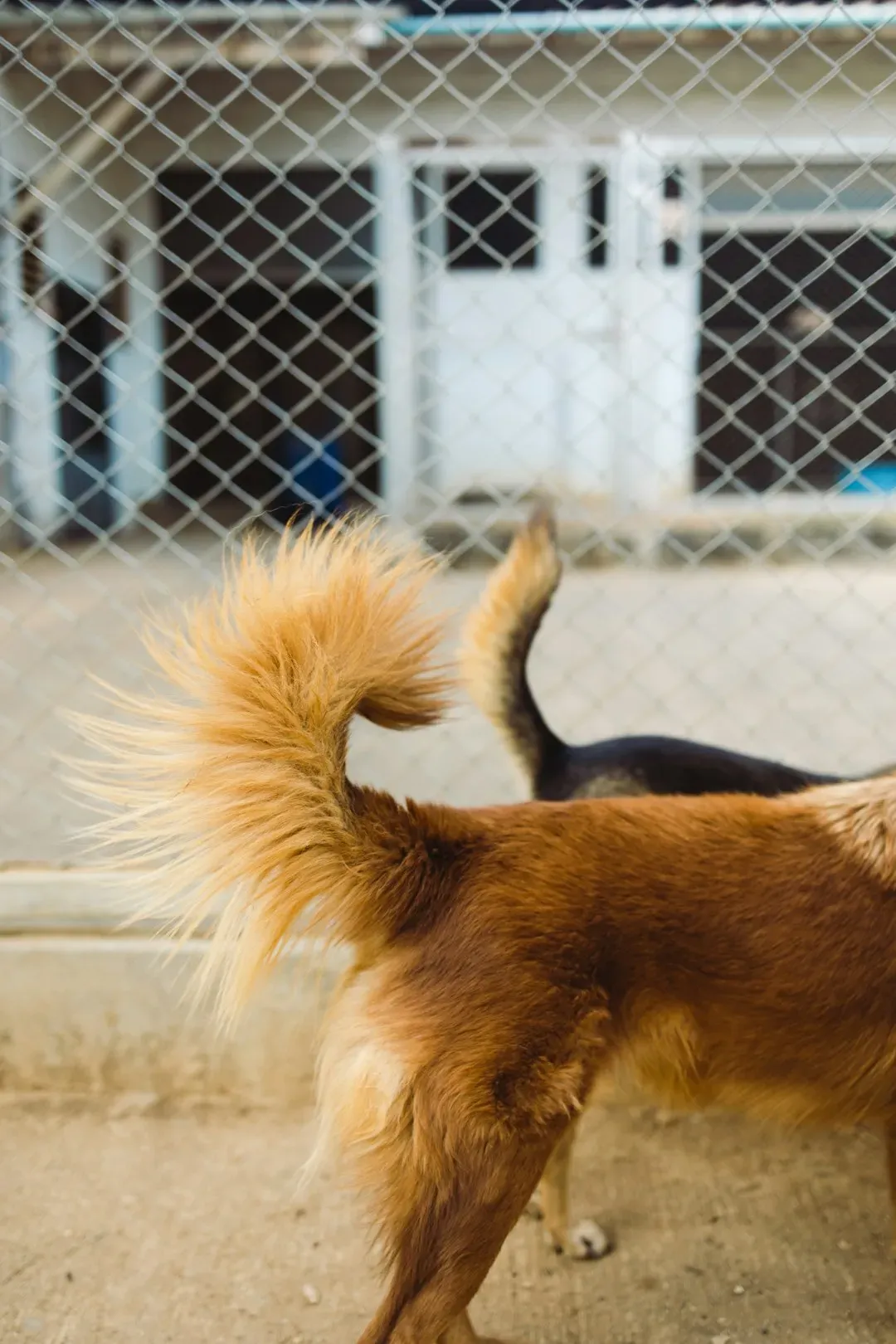
A wag simply shows that a dog is emotionally aroused. That arousal can be excitement, but it can also be uncertainty or tension. Speed, height and stiffness all change the message, and a high, rigid, fast wag can come before a confrontation.
Research adds another layer. A well known Italian study led by Giorgio Vallortigara found that dogs tend to wag more to the right when they see something they like, and more to the left when they see something they find threatening. Other dogs watching the video reacted differently to each pattern. It’s a subtle cue, though, so it works best as one clue among many, alongside ears, posture and the dog’s face.
The Guilty Look Isn’t Guilt
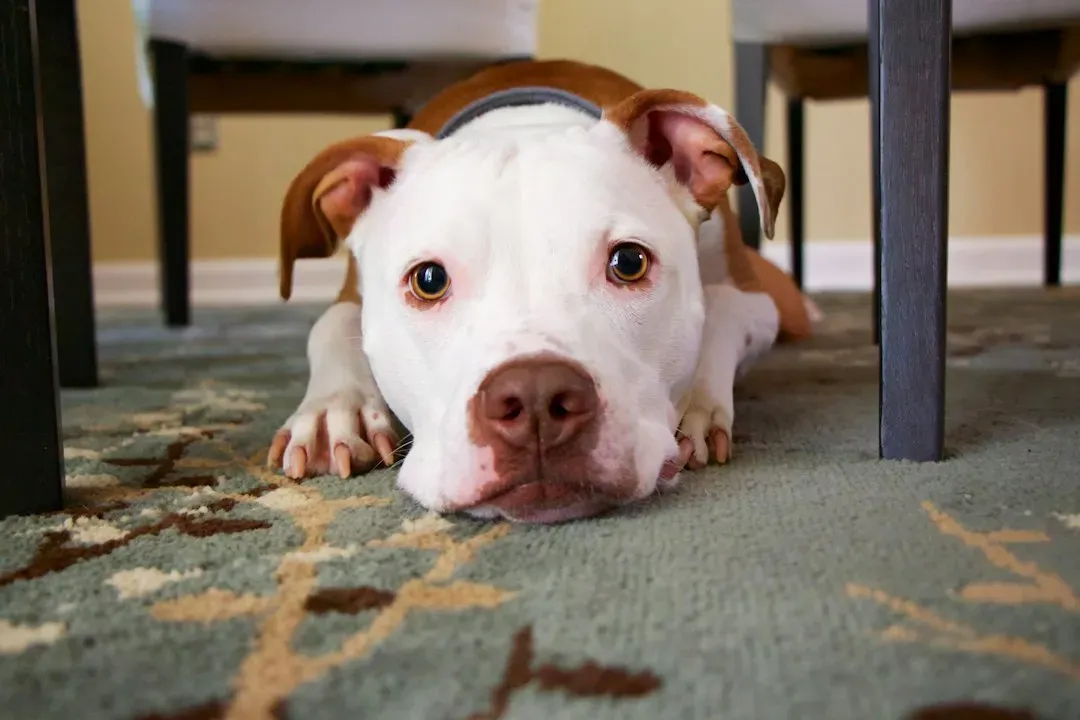
When you come home to a shredded cushion and your dog slinks away with lowered ears, it feels like an admission. Behavioral research suggests otherwise. In a 2009 study by Alexandra Horowitz, dogs showed the so called guilty look more often when their owners scolded them, whether or not the dog had actually done anything wrong.
That means the look is most likely a response to your tone and body language, not a memory of the crime. Veterinary behavior guidance generally advises against punishing a dog after the fact, since the dog can’t connect the scolding to something that happened hours earlier. Managing the environment and rewarding the behavior you want tends to work better.
Yawning Often Signals Stress, Not Sleepiness
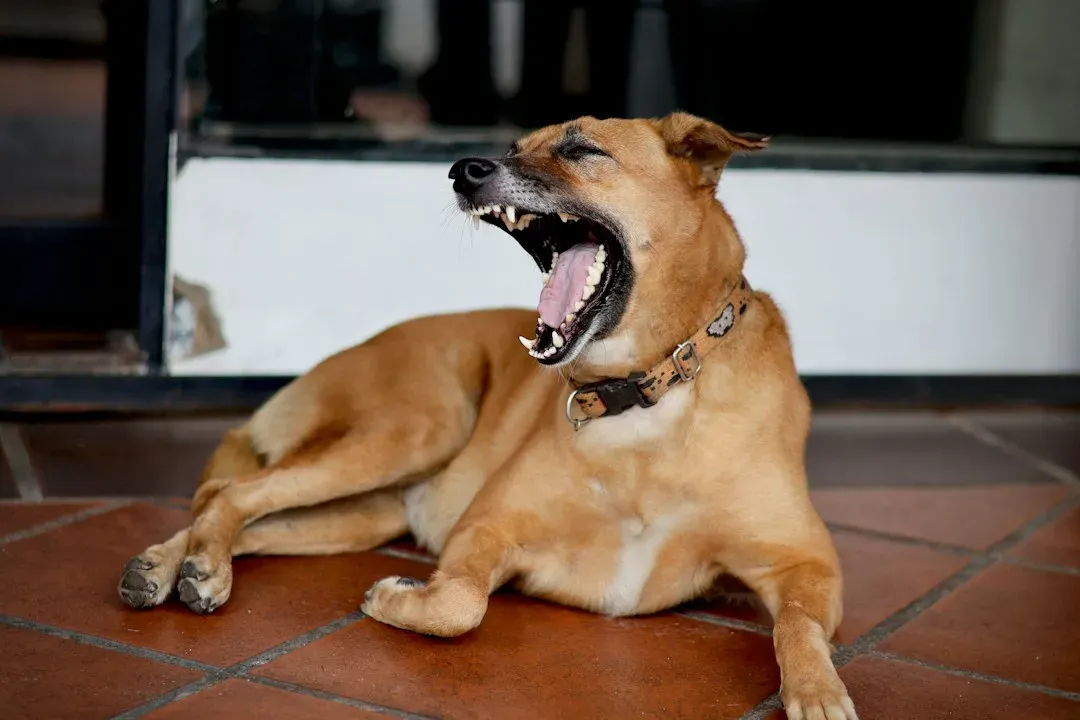
A yawn in a calm living room probably does mean tiredness. A yawn at the vet’s office, during a training session that’s getting too hard, or when a stranger leans over the dog is a different thing. In those moments, trainers and behaviorists commonly treat it as a sign of stress or conflict.
Context is what separates the two. Look for other signs appearing at the same time, such as a tucked tail, turned head or tense mouth. If several show up together, giving the dog some space is usually the right call.
Lip Licking Is More Than Hunger
![Lip Licking Is More Than Hunger ([[[Matías]]], Flickr, CC BY 2.0)](https://nvmwebsites-budwg5g9avh3epea.z03.azurefd.net/lasvegasnews/49961882a827e425b676144e34e53075.webp)
Quick tongue flicks across the nose, with no food nearby, are a classic appeasement or stress signal. Owners often overlook them because they look so small. Veterinary behavior resources list them among the early warning signs that a dog is uncomfortable.
This matters most during hugging, a habit many people see as pure affection. Many dogs don’t enjoy being squeezed, and photo analyses of hugged dogs shared online, such as the one by psychologist Stanley Coren, found that a majority showed signs of stress. That was an informal analysis rather than a controlled trial, but it matches what behaviorists observe in clinics.
Partner offer
A Belly Up Dog Doesn’t Always Want a Rub

Some dogs roll over for belly rubs, and they’ll usually look loose, wiggly and relaxed while they do it. Others show their belly as a way to avoid conflict, with a stiff body, tucked tail or tight mouth. Veterinary behaviorists point out that this second version is a request for peace, not touch.
Reaching in at that moment can push an already worried dog further. A good test is to pause and see if the dog invites more contact, perhaps by nudging your hand or staying soft and loose. If not, take that as your answer.
Growling Is a Warning You Want to Hear
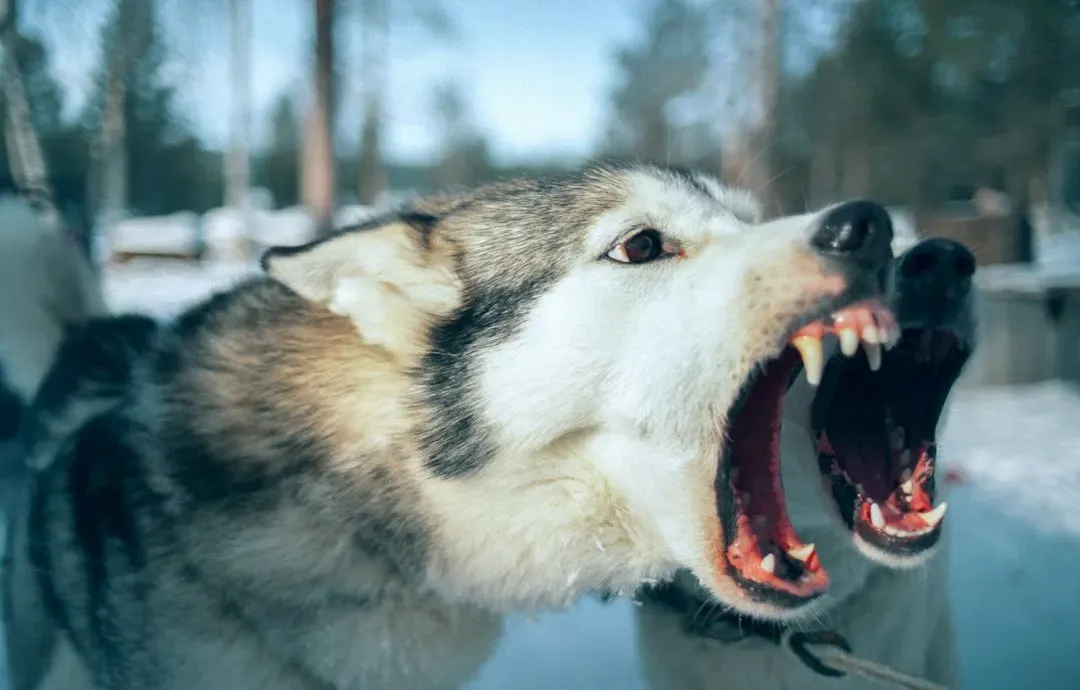
Many owners think of a growl as aggression that must be stopped. Veterinarians tend to see it as communication, and a fairly polite one. The dog is saying it’s uncomfortable before things go any further.
Punishing the growl can teach a dog to hide that warning, which may leave it going straight to a snap or bite next time. A safer approach is to back off, work out what caused the reaction, and talk to a veterinarian or certified behavior professional if it keeps happening. Pain is a common hidden cause, so a medical check is a sensible first step.
Whale Eye Means a Dog Wants Out
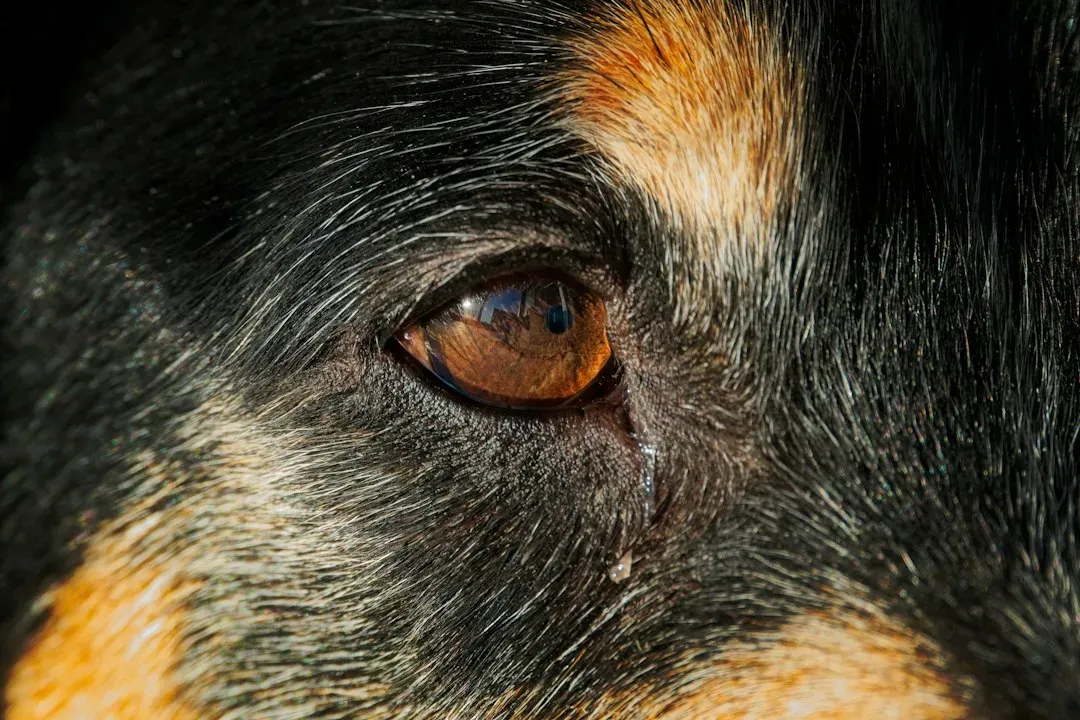
Whale eye is when a dog turns its head away but keeps its eyes fixed on something, showing the whites at the edges. It often appears when a dog is guarding a bone or feels cornered, or when a child is hugging it. Many owners miss it entirely because the dog is still, quiet and not obviously upset.
That stillness is exactly why it’s risky. Freezing, a hard stare and a closed mouth can come right before a bite. Children are especially prone to missing these cues, so supervision around dogs is recommended by veterinary and pediatric groups alike.
Panting Can Mean Pain or Anxiety, Not Just Heat
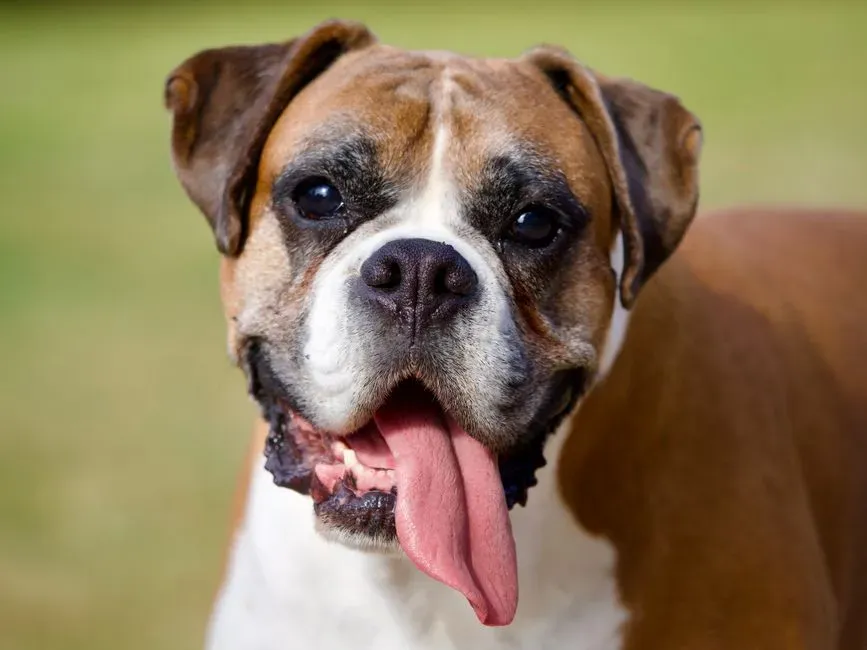
Panting is how dogs cool down, so it’s easy to dismiss. Yet heavy panting in a cool room, at night, or without exercise can point to something else, including anxiety, pain or a medical condition such as Cushing’s disease or heart problems. Veterinarians commonly ask owners about this because it’s an easy symptom to overlook.
Short nosed breeds such as bulldogs and pugs are at higher risk of overheating, so panting in them deserves extra attention in warm weather. If the panting seems out of proportion to the situation, or comes with restlessness, drooling or pale gums, call your vet promptly.
Reading the Whole Dog
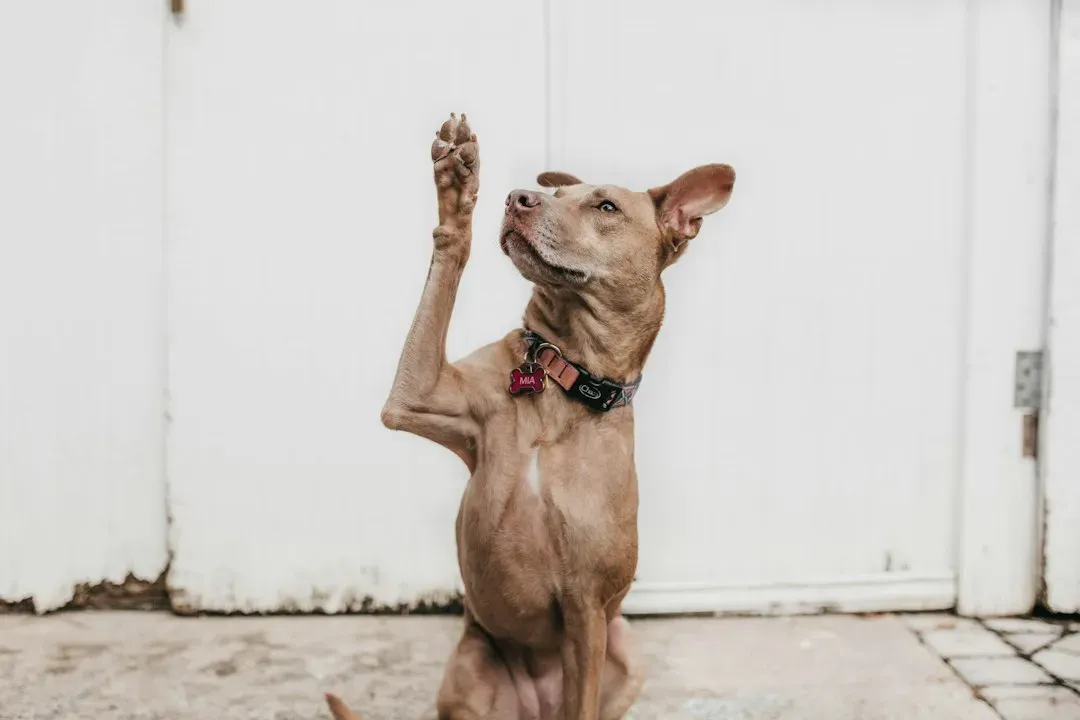
None of these signals means much on its own. Veterinarians stress looking at the full picture: the ears, eyes, mouth, posture, tail and the setting. A dog that yawns, licks its lips and turns away is telling you something more clear than any single cue.
If you’re unsure, ask your veterinarian to point out your own dog’s habits at the next checkup. Learning one dog’s normal makes the unusual much easier to spot.
Partner offer
Planning a trip to Vegas?
Compare hotel rates and show tickets on VEGAS.com.