Some songs hide in plain sight. They play at weddings, blast from car radios, soundtrack summer road trips, and yet the words underneath the melody tell a completely different story than the one most listeners assume. It usually takes an interview, a documentary clip, or a curious fan digging through old lyric sheets before the real meaning surfaces, sometimes decades after the song first topped the charts. What follows are eight tracks where the gap between “what it sounds like” and “what it’s actually about” is wide enough to be genuinely surprising. In every case, the artist eventually confirmed the twist themselves, which is part of what makes these stories so satisfying.
1. “Every Breath You Take” by The Police

For years this song has been a slow-dance staple at weddings, all warm synths and Sting’s soothing voice promising to watch over someone forever. The problem is that Sting has repeatedly said the lyrics are anything but romantic. He told the BBC the song is “very, very sinister and ugly and people have actually misinterpreted it as being a gentle little love song, when it’s quite the opposite.”
Sting wrote it during the collapse of his first marriage, and he has admitted the lines about watching someone’s every move came from a place of jealousy and obsession rather than devotion. Even his own drummer, Stewart Copeland, didn’t catch the darker meaning right away. Copeland has said “if you didn’t catch the true meaning of this song, don’t worry, Stewart Copeland didn’t either. It wasn’t until after the song was released that he realized it wasn’t a love song.”
2. “Blackbird” by The Beatles

On the surface, “Blackbird” sounds like a gentle nature song about a wounded bird learning to fly again. Paul McCartney let that reading stand for years without much comment, but he later revealed the song was written as a message of encouragement to a Black woman living through the civil rights struggle in the American South. As he put it, “I was in Scotland playing my guitar and I remembered this whole idea of ‘you were only waiting for this moment to arise’ was about, you know, the black people’s struggle in the southern states, and I was using the symbolism of a blackbird. It’s not really about a blackbird whose wings are broken, you know. It’s a bit more symbolic!”
McCartney has specifically pointed to the Little Rock Nine, the group of Black students who braved violent mobs to integrate a previously all-white Arkansas high school in 1957, as part of his inspiration. In 2016 he met two of the surviving members backstage at a concert, and in 2024 he publicly praised Beyoncé’s cover of the song, saying it “reinforces the civil rights message that inspired me to write the song in the first place.”
3. “Pumped Up Kicks” by Foster the People
This one has one of the sunniest choruses of the early 2010s, complete with a whistled hook that practically begs to be played at a beach party. Underneath that cheer, though, the lyrics are told from the perspective of a troubled, isolated teenager named Robert who finds his father’s gun and imagines using it on his classmates. Frontman Mark Foster has said the song grew out of reading about “the growing trend in teenage mental illness. I wanted to understand the psychology behind it because it was foreign to me. It was terrifying how mental illness among youth had skyrocketed in the last decade.”
The song was pulled from some radio stations after the Sandy Hook shooting in 2012, and Foster later said he considered retiring it entirely because of its repeated association with real-world tragedies. He has been careful to note that the track was never meant to glorify violence, explaining that “Pumped Up Kicks” is about a boy who fantasizes about shooting up his school, written from “a place of wanting us to do something about gun violence.” Bassist Cubbie Fink’s own family connection to the Columbine shooting adds another layer to why the band has treated the subject so carefully over the years.
4. “Semi-Charmed Life” by Third Eye Blind
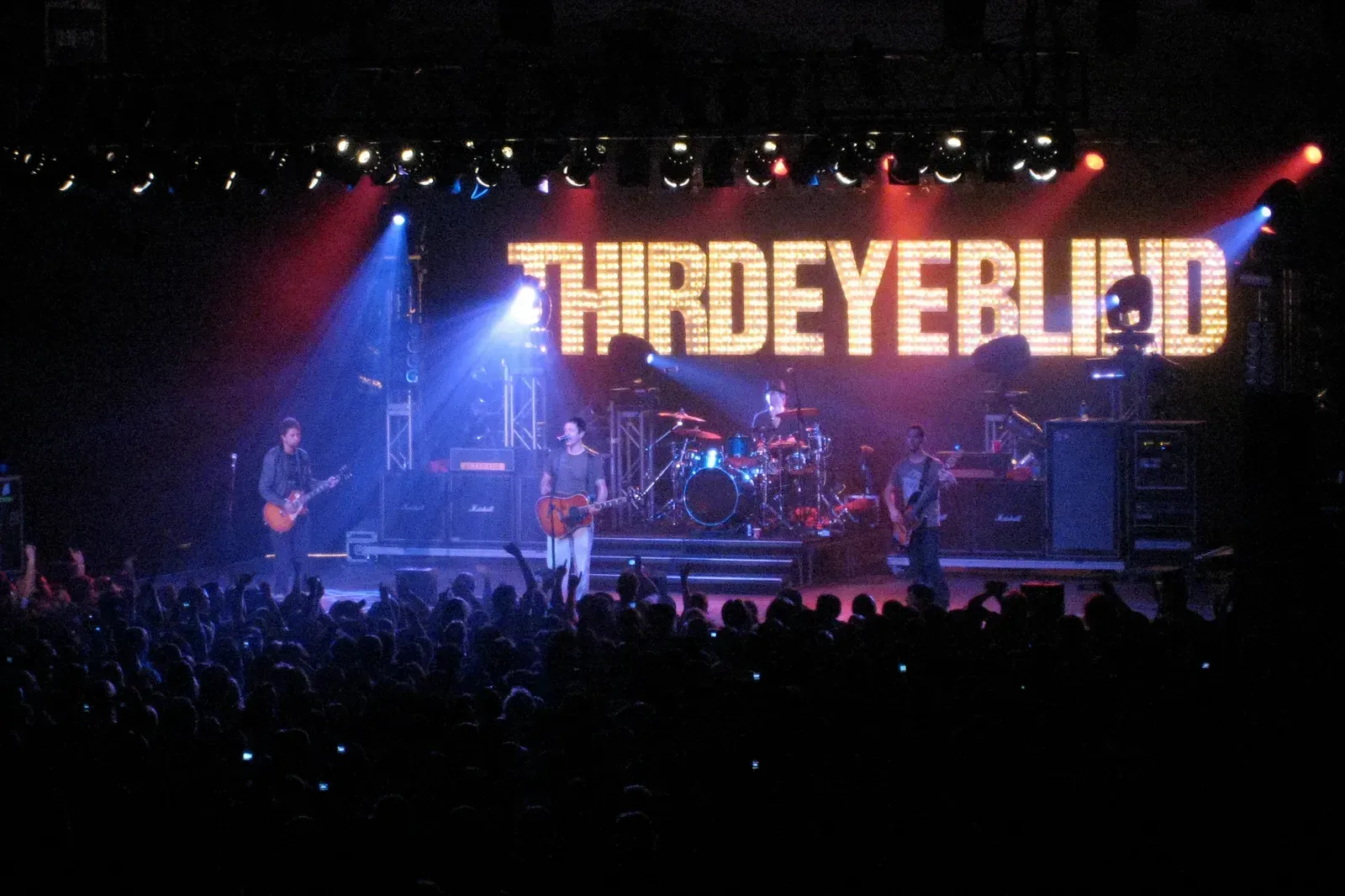
Ask anyone who grew up in the late nineties and they’ll probably remember this as the ultimate summer singalong, all doo-doo-doo’s and jangly guitar. Frontman Stephan Jenkins has since confirmed the song is actually about a crystal meth addiction, describing it as being “about falling apart,” relating specifically to a drug-induced high that makes everything fleetingly better.
Jenkins deliberately paired the darkest lyrics with the brightest possible music, telling one interviewer that the guitar riff was meant to feel “bright duh-nuhnuh-nunt, this shiny thing, because that was a feeling of speed. You know, it’s sort of a bright, shiny drug. And we all were sort of into hip-hop, so it has a hip-hop flow over it.” He has admitted he thought most listeners simply heard it as a happy summertime jam, missing the addiction narrative running underneath the whole time.
Partner offer
5. “One” by Metallica
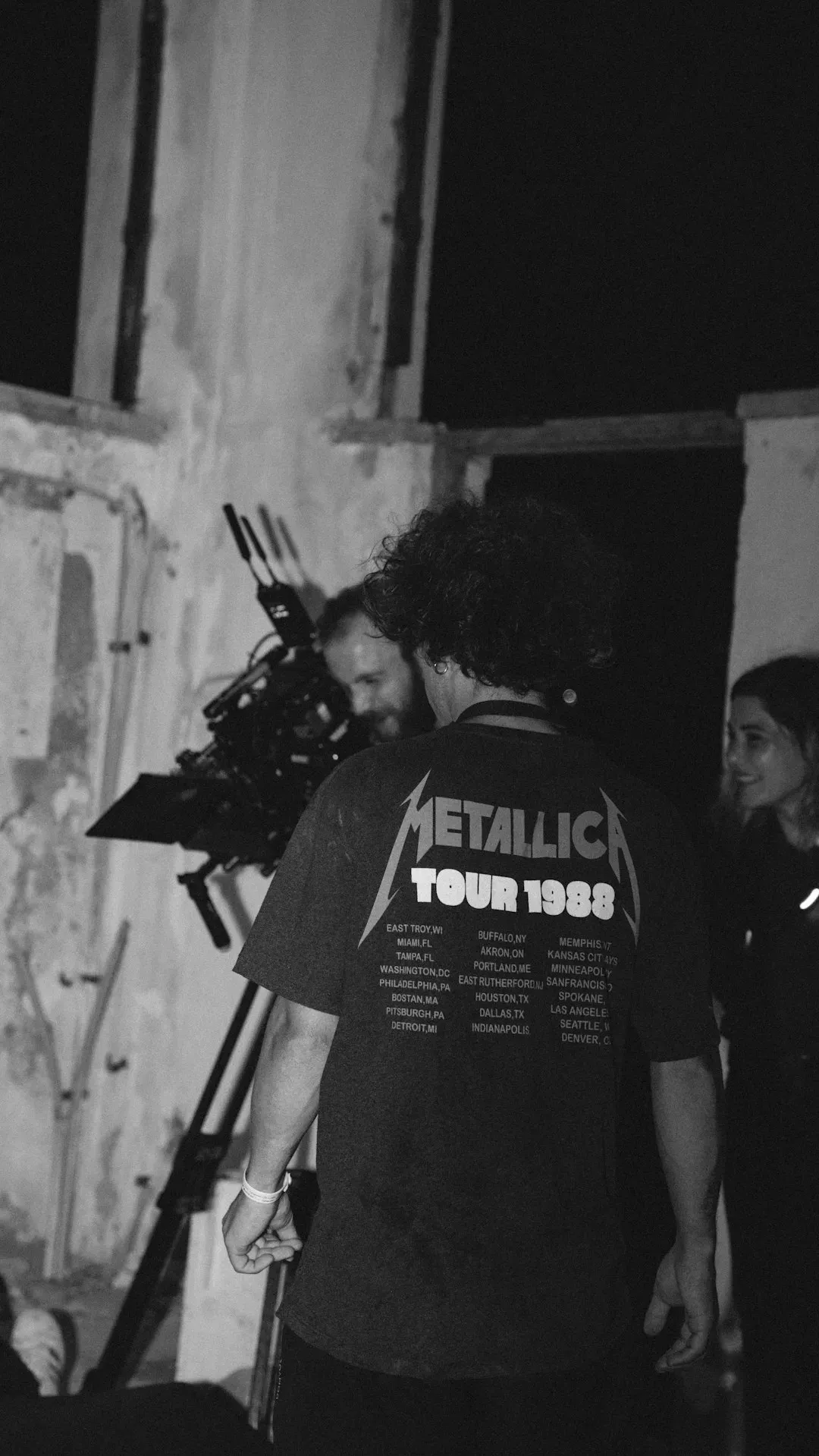
Casual listeners often hear “One” as a generic anti-war anthem, and while that’s not wrong, the specific story behind it is far more unsettling than most fans realize on first listen. The lyrics closely follow Dalton Trumbo’s 1939 novel “Johnny Got His Gun,” about a World War I soldier who survives an artillery blast only to lose his arms, legs, and face, left conscious but completely unable to communicate with the outside world. James Hetfield reportedly began developing the idea around “just being a brain and nothing else,” after which manager Cliff Burnstein recommended he read Trumbo’s book.
Metallica later bought the rights to Trumbo’s 1971 film adaptation so they could weave its footage directly into the music video without paying ongoing royalty fees. The band did not even watch the film themselves until after the song was already recorded, discovering just how closely their lyrics mirrored the source material only after the fact. It remains one of the more literal examples on this list, but the depth of the connection to Trumbo’s novel still surprises plenty of fans who assumed it was simply a war song in the abstract.
6. “Losing My Religion” by R.E.M.
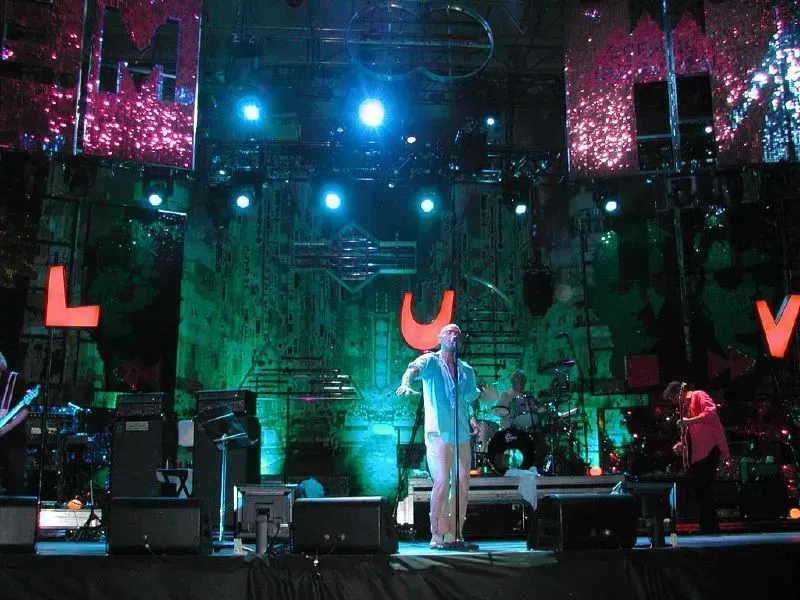
Despite the title, this song has nothing to do with faith or church in the literal sense. “Losing my religion” is actually a Southern American expression meaning to lose your temper or reach the end of your patience, and Michael Stipe borrowed it as the frame for a song about unrequited, almost obsessive infatuation with someone. Fans spent years assuming the lyrics were a commentary on organized religion, when Stipe was really describing the vulnerability of caring too much about someone who may not feel the same way.
The song’s mandolin-driven arrangement and mysterious video, full of religious-looking imagery, only fed the misreading further. R.E.M. never fully abandoned the ambiguity either, letting the title do the misleading work while the actual verses stayed focused on longing and self-doubt. It’s a reminder that sometimes the most literal-sounding title is the biggest red herring of all.
7. “Fast Car” by Tracy Chapman
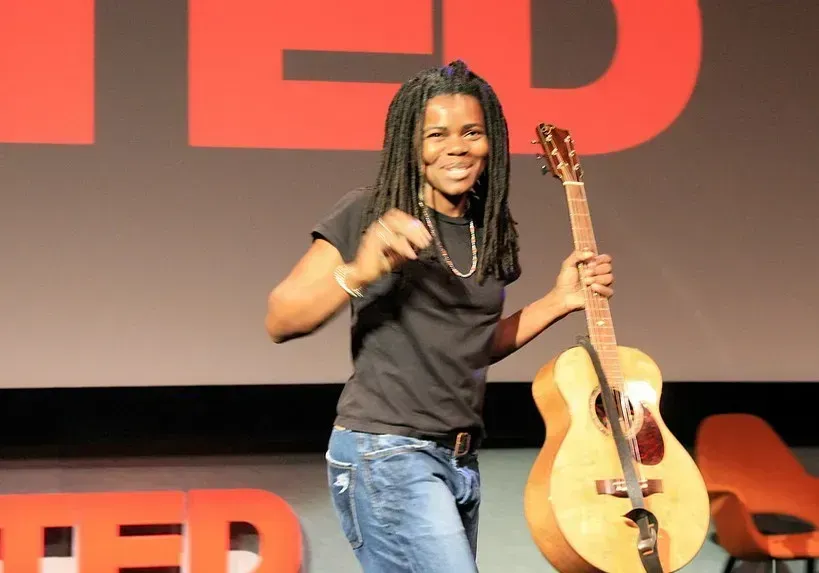
On first listen, “Fast Car” plays like a hopeful escape song, a narrator dreaming of leaving town and starting over. Listen closer to the full arc of the lyrics, though, and the story is really about the difficulty of breaking a cycle of poverty and disappointment passed down through generations. The narrator leaves to build a better life, only to find herself years later in a strikingly similar situation to the one she tried to escape, caring for someone else the way she once cared for her own struggling parent.
The song’s quiet, folk-driven delivery masks just how bleak that arc actually is, which is part of why it took repeated listens for many fans to notice the narrative doesn’t end on the triumphant note the opening verses suggest. The song found a whole new audience decades later when Luke Combs released a country cover that topped charts in 2023, prompting many younger listeners to revisit Chapman’s original lyrics for the first time and notice the undertow beneath the melody.
8. “Hey Ya!” by OutKast
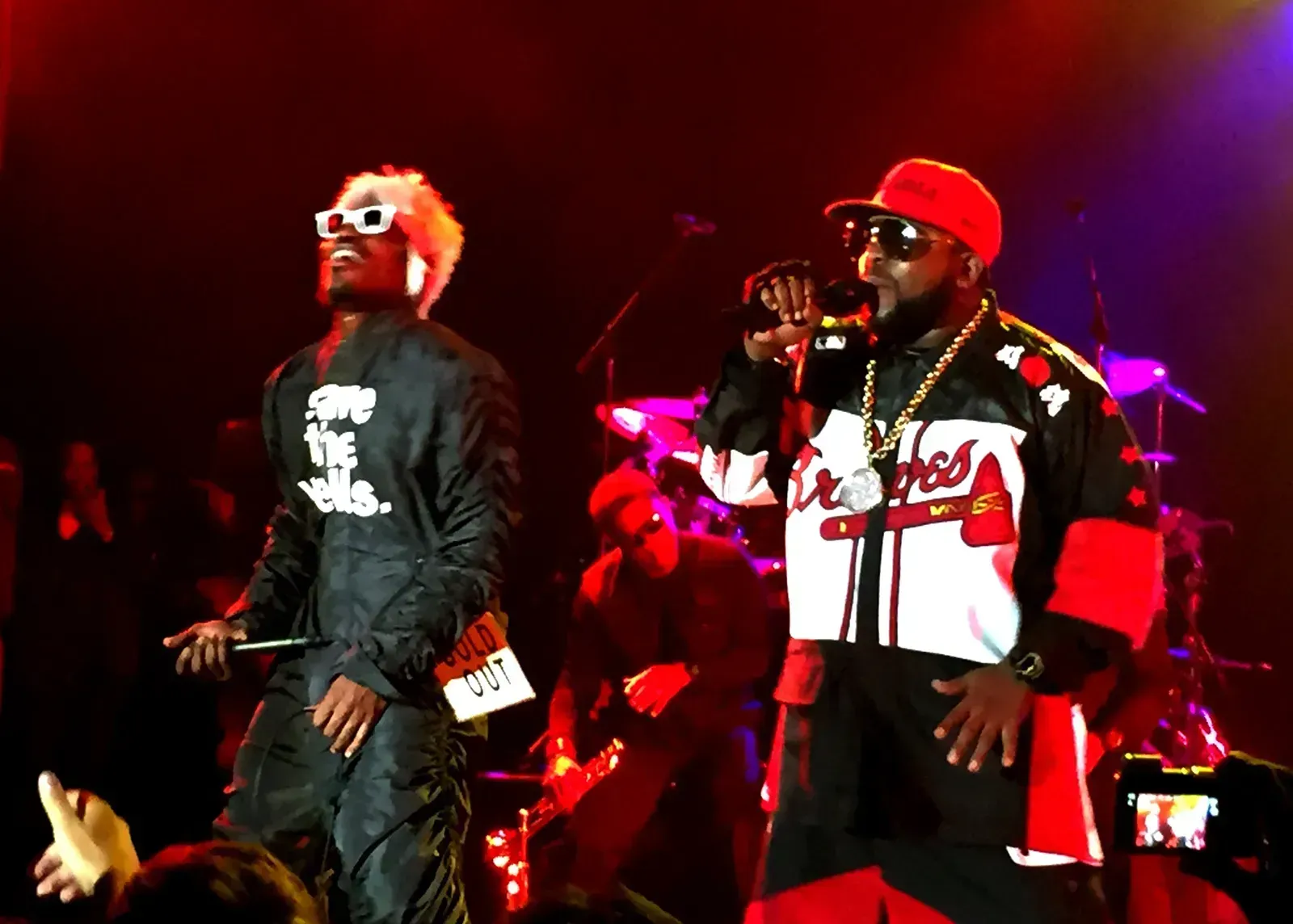
It’s hard to think of a more purely joyful sounding single from the 2000s than “Hey Ya!,” with its handclaps, shouted “shake it like a Polaroid picture” hook, and irresistible energy. André 3000 has explained in interviews over the years that the song is actually about the difficulty of sustaining monogamous love, built around the observation that people often stay in relationships out of habit or fear of loneliness long after the initial spark has faded.
Lines about being unhappy but staying together anyway sit right in the middle of the song, easy to miss when the production is this danceable. The contrast between the party atmosphere and the resigned, almost melancholy subject matter is very much intentional, following the same trick used by several other songs on this list: bury something honest and uncomfortable underneath a beat too catchy to resist.
Taken together, these eight songs say something interesting about how people actually listen to music. A great hook can carry a lyric a long way before anyone stops to ask what it’s really saying, and sometimes it takes years, a documentary, or a stray interview quote before the truth catches up with the tune. None of that makes the songs any less enjoyable to hear. If anything, knowing what’s really going on underneath tends to make them a little richer the next time they come on.Partner offer
Planning a trip to Vegas?
Compare hotel rates and show tickets on VEGAS.com.