Some characters outgrow the actor who first played them. They get passed down, reinterpreted, sometimes rebooted entirely, and yet somehow the role keeps its identity no matter who’s wearing the costume or delivering the lines. It’s a strange kind of theater across decades, where different performers essentially audition for the same part in front of a global audience, years or even generations apart. What’s interesting is how differently each actor approaches the same fictional person. A role can bend to fit an actor’s strengths, or an actor can bend to fit the role’s legacy. Here are five parts that have been handed down multiple times, and what each new performer brought to the table.
James Bond
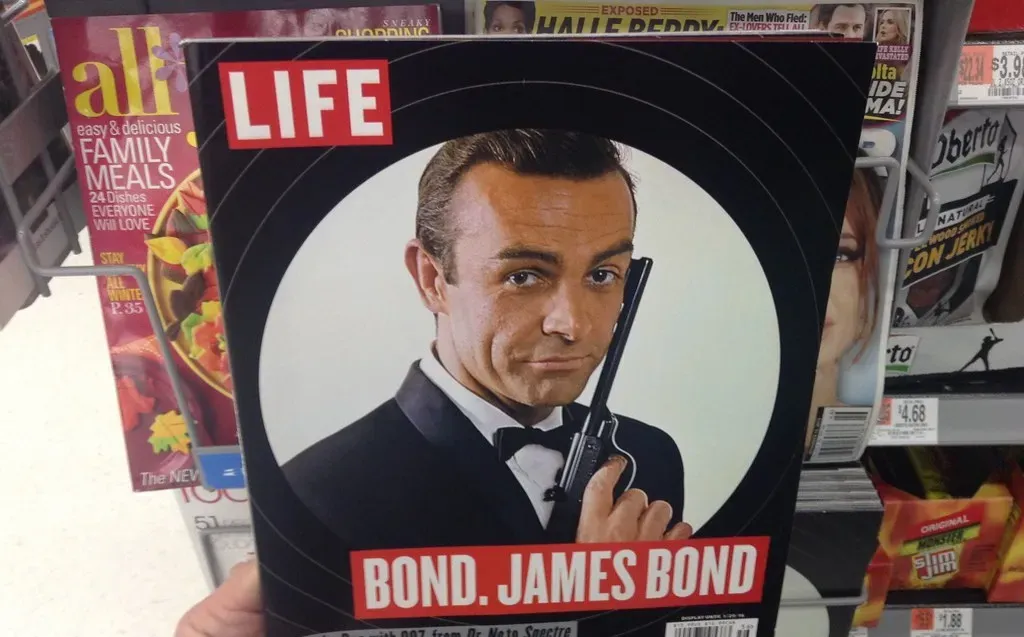
Few roles have been passed around quite like 007. Seven actors in total have portrayed Bond in film, with Connery followed by David Niven, George Lazenby, Roger Moore, Timothy Dalton, Pierce Brosnan and Daniel Craig. Sean Connery originated the role in 1962’s Dr. No, and Connery starred in a grand total of seven films, considered one of the greatest James Bonds, first taking the role in 1962 in Dr No.
Each successor reshaped Bond around their own persona. Daniel Craig, across five films, portrayed a less polished, more brutish Bond, a left-field casting choice at the time who wasn’t unknown, having established himself in films like Lara Croft: Tomb Raider and Layer Cake, and his gritty reinvention brought emotional nuance and vulnerability to the character. With production now under new ownership, the 25 Eon-produced Bond films have grossed more than 7 billion dollars at the box office, and production rights moved to Amazon MGM Studios in 2025. As of mid 2026, the search for a new 007 is still ongoing, with no actor yet confirmed for the next chapter.
Batman
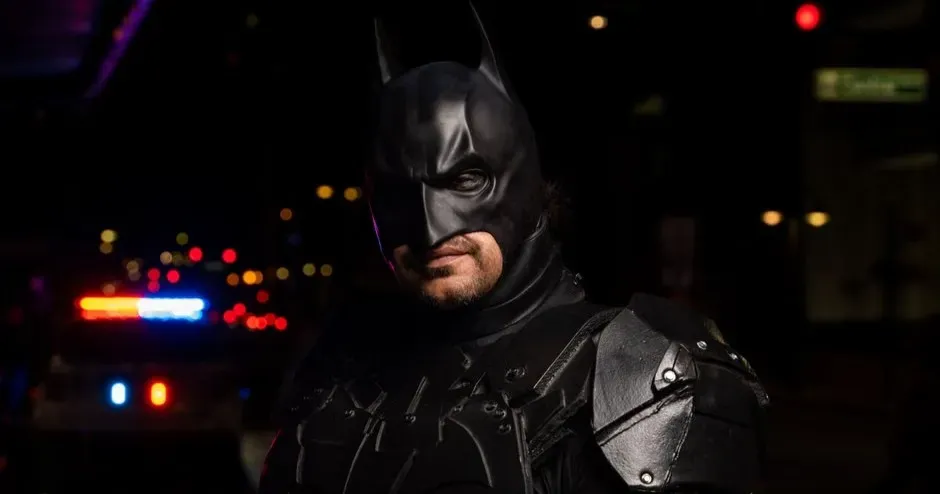
Bruce Wayne’s alter ego has cycled through actors almost as often as Gotham cycles through villains. A growing list of actors have stepped into the dual role of billionaire Bruce Wayne slash Batman, starting with Lewis Wilson in 1943’s Batman, followed by Robert Lowery in 1949. Michael Keaton brought a brooding, offbeat energy to Tim Burton’s films, while following Keaton’s departure, Val Kilmer took on the role in Batman Forever, bringing a more serious yet subdued presence, with his Bruce Wayne struggling with dual identity and adding emotional layers to the film.
George Clooney followed in the notoriously campy Batman & Robin, a performance often criticized for its campy tone and flashy aesthetics, with Clooney himself admitting the portrayal was not well received. Christian Bale then redefined the character for a new era, and starred as Batman in Christopher Nolan’s trilogy across Batman Begins, The Dark Knight, and The Dark Knight Rises. Ben Affleck and later Robert Pattinson each took their own turn, with Pattinson rounding out the dynasty of Batman actors in The Batman, finding the character in the second year of his tenure.
The Joker
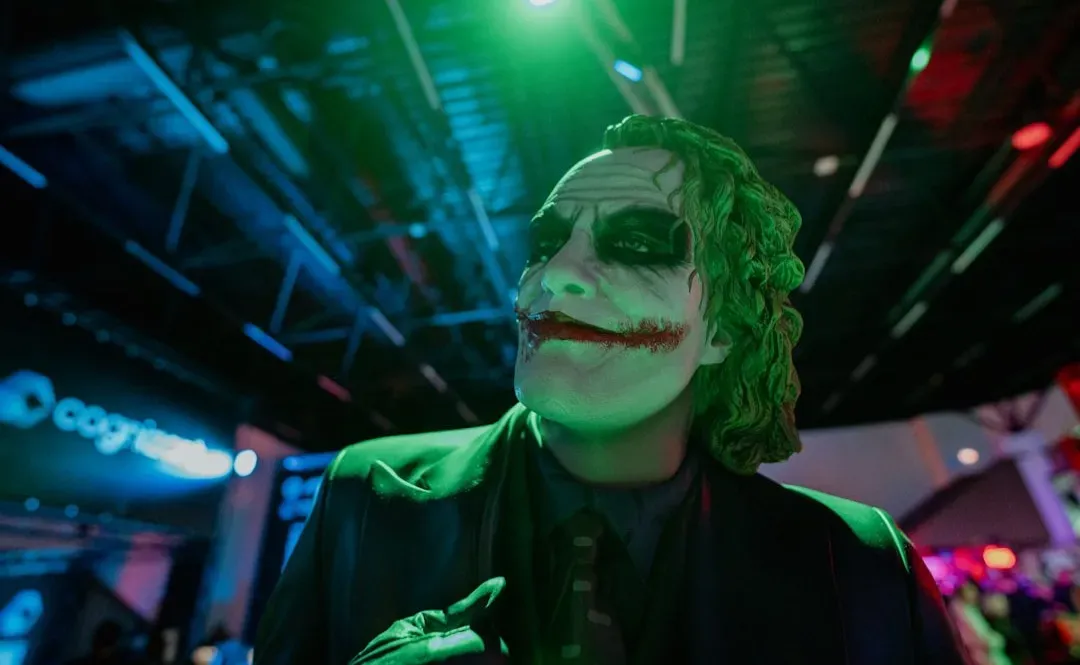
Batman’s archenemy has arguably seen even more turnover than the Caped Crusader himself. Cesar Romero was the first actor to play Joker on screen in the 1960s Batman TV series, setting the flamboyant psychopath template for subsequent portrayals. Jack Nicholson followed decades later with a darker, more theatrical take, before Heath Ledger redefined the role entirely.
Partner offer
Heath Ledger was the only other actor to win an Oscar after portraying the character in Christopher Nolan’s The Dark Knight, a posthumous win for Best Supporting Actor. Jared Leto took a heavily stylized approach in Suicide Squad, while Joaquin Phoenix later won his own Oscar for a very different, grounded interpretation. Joaquin Phoenix won the Best Actor Oscar for playing Arthur Fleck, also known as Joker, in Todd Phillips’ billion dollar grossing 2019 movie, later reprising the role alongside Lady Gaga’s Harley Quinn in Joker: Folie à Deux. Barry Keoghan added a brief but memorable wrinkle to the lineage, as Keoghan played an unseen Arkham prisoner who bonds with Paul Dano’s Riddler at the end of The Batman, with his laugh distinguishing him as the Joker.
Willy Wonka

Roald Dahl’s eccentric chocolatier has only been played by a small handful of actors, but each version feels worlds apart from the last. Willy Wonka first appeared in the 1964 novel Charlie and the Chocolate Factory, and has since been portrayed on screen by Gene Wilder in 1971, Johnny Depp in 2005, and Timothée Chalamet in 2023. Wilder’s performance became the standard by which later versions were measured. Fans widely consider Gene Wilder the paragon of Willy Wonkas, charismatic yet aloof, spectacular yet strange and strangely soft, fully committed to the comedic role.
Johnny Depp went a very different direction under Tim Burton’s direction, describing in an interview his intention to steer far from Wilder’s version, since Depp knew he would have to take the character somewhere far away from Gene Wilder and the area that he had already covered. Chalamet arrived nearly two decades later playing a much younger version of the character in a prequel setting, with the film following an origin story for the character, first introduced in Roald Dahl’s 1964 novel Charlie and the Chocolate Factory. His take leaned into charm and warmth rather than the darker or stranger edges of his predecessors, giving the role its third distinct personality in just over fifty years.
Spider-Man
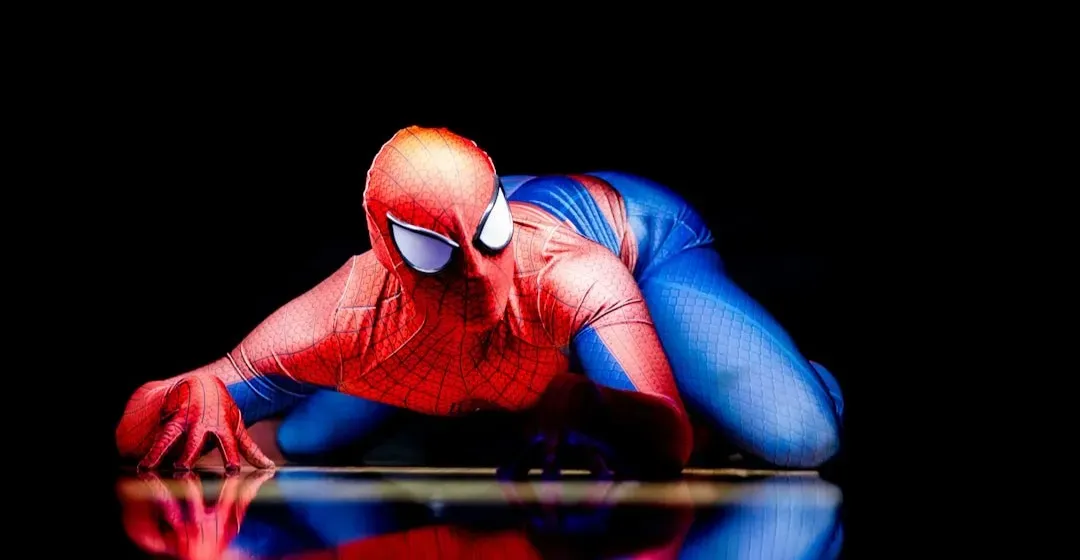
Peter Parker has been recast twice in the modern film era, each time resetting the character’s tone for a new generation of moviegoers. Tobey Maguire introduced the wall crawler to mainstream blockbuster audiences in Sam Raimi’s trilogy beginning in 2002, playing an earnest, somewhat awkward version of the hero that leaned into the character’s underdog roots. His performance set the emotional template that later actors would react to, whether by embracing or departing from it.
Andrew Garfield took over for two films starting in 2012, bringing a quicker-witted, more confident Peter Parker with a noticeably different visual style and supporting cast. Tom Holland then inherited the role in 2016 as part of the Marvel Cinematic Universe, playing a younger, more visibly teenage version of the character woven directly into a much larger shared universe of films. Each actor’s Spider-Man reflects the era it was made in, from early 2000s earnestness to today’s interconnected franchise filmmaking.
Across all five of these roles, the pattern holds steady. A character survives recasting not because every version pleases everyone, but because the part is sturdy enough to absorb different interpretations without losing what made it worth watching in the first place. Some actors lean into what came before them, others push hard in the opposite direction, and audiences generally end up with strong opinions about who did it best. That disagreement, more than anything, is probably a sign the role was worth fighting over.Partner offer
Planning a trip to Vegas?
Compare hotel rates and show tickets on VEGAS.com.