Movie fandoms have a habit of deciding a film is ruined the moment a casting announcement drops, often before a single frame has been shot. Message boards light up, hashtags spread, and studios brace for the fallout. Yet history keeps repeating itself in a curious way: some of the most beloved performances in film started out as the choices audiences hated most.
Looking back at these moments now, in 2026, it’s almost funny how confident everyone was that a project was doomed. The pattern holds across decades and genres, from comic book blockbusters to animated remakes, and it says a lot about how quickly public opinion can flip once people actually see the finished product.
1. Heath Ledger as the Joker in The Dark Knight

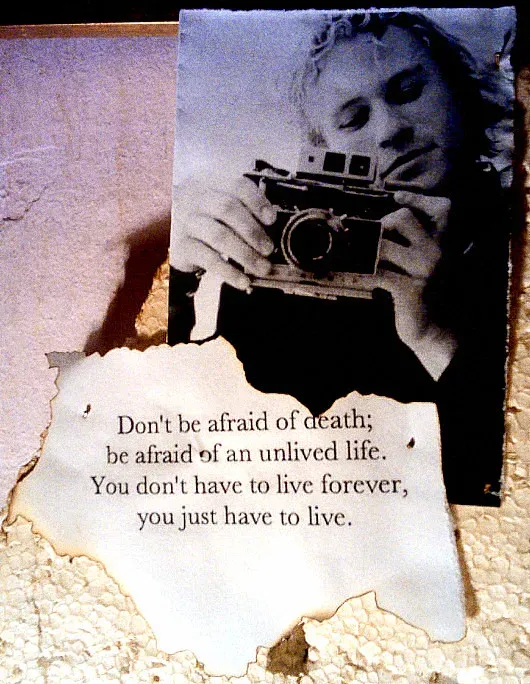
When Christopher Nolan announced Heath Ledger for the Joker in 2006, the reaction from comic fans was not gentle. Christopher Nolan, director of the project, faced a lot of backlash over casting Ledger, as the vast majority of fans and critics didn’t believe it would work. Producer Charles Roven later recalled the disbelief directly, describing the reaction as something close to “When we cast Heath Ledger, it was like, ‘What? Heath Ledger? What, as The Joker? Are you kidding me?”
Nolan’s own brother and co-writer Jonathan admitted he didn’t see it either at first, later explaining that “Chris had a good meeting with Heath Ledger, and no one got it. I didn’t get it. The studio didn’t get it.” The film’s release in 2008 ended the debate almost instantly. The actor even won a posthumous Oscar for Best Supporting Actor, proving that his work is seen by many critics as one of the most brilliant in movie history.
2. Daniel Craig as James Bond in Casino Royale

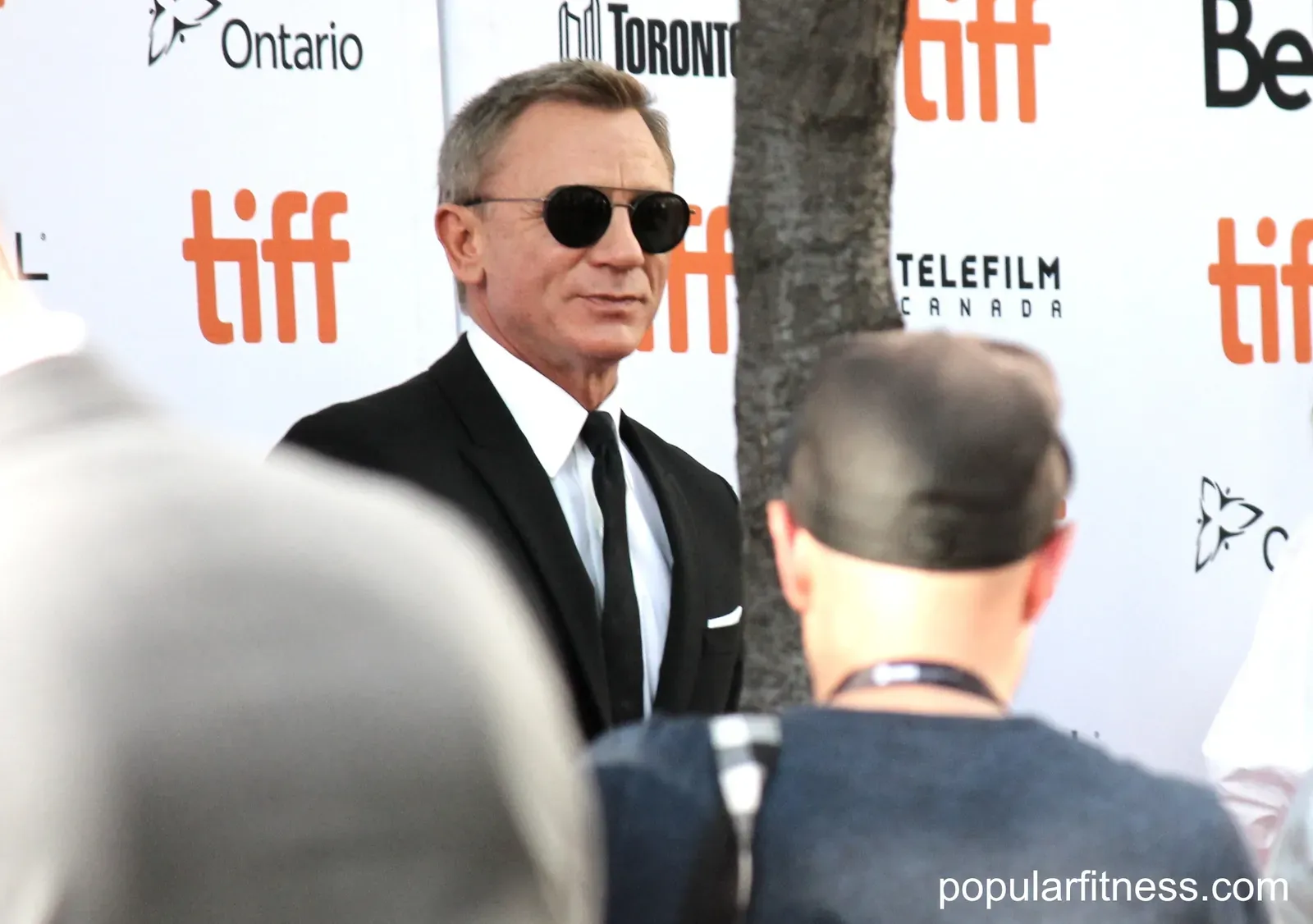
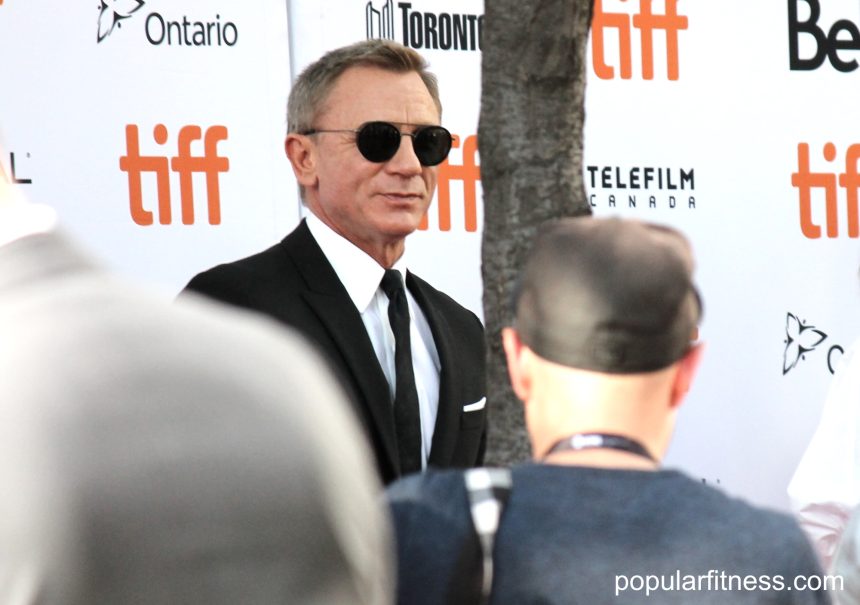
Few casting decisions have inspired their own protest website, but Daniel Craig managed it. A fan-run boycott campaign argued that “EON cast a short, blond, odd-looking Daniel Craig in the role of Bond,” and tabloids ran with the anger for months. Production on the Martin Campbell-helmed film had been rocked by bad buzz, with British tabloids, movie bloggers and the die-hard 007 fanbase enraged that the producers had dared cast a blue-eyed, blond-haired man to take over the tux from Pierce Brosnan.
The backlash evaporated almost the moment Casino Royale hit theaters in 2006. Critics hailed the grittier-than-ever, character-driven film as one of the very best of the series, resulting in nine BAFTA nominations, and audiences were enthralled, giving the film a franchise-best financial haul of just under $600 million worldwide. Craig would go on to headline four more installments, cementing a version of Bond that many now consider the definitive take on the character.
3. Michael Keaton as Batman in Batman (1989)

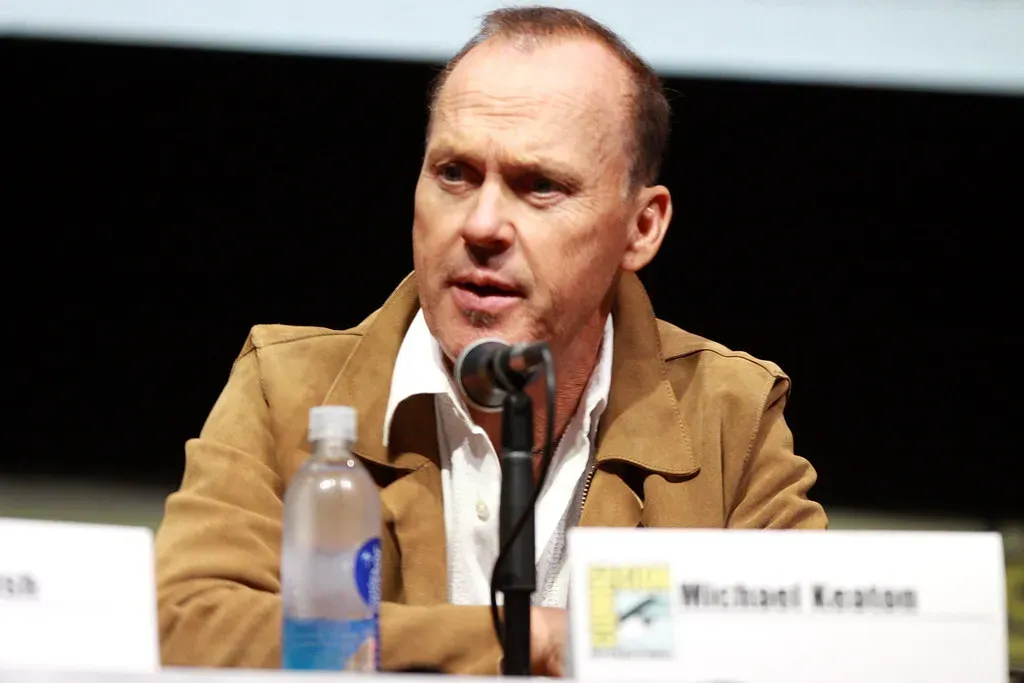
Long before social media outrage existed, fans found another way to voice their fury: the mail. The intensity of the outrage was even featured on the front page of the Wall Street Journal, and an estimated 50,000 letters were sent to Warner Bros. decrying Keaton’s casting. Comic writers piled on too, with one telling a newspaper that the choice felt “like Rodney Dangerfield in a Bat-suit.”
Director Tim Burton refused to budge, insisting he saw something specific in Keaton that fit his vision of a psychologically unsettled Bruce Wayne. Despite the initial fan backlash, the 1989 film was a monumental critical and commercial success, holding a 77 percent Tomatometer score on Rotten Tomatoes based on 143 reviews. Keaton’s performance is now frequently cited as one of the most influential takes on the character in the franchise’s history.
4. Halle Bailey as Ariel in The Little Mermaid

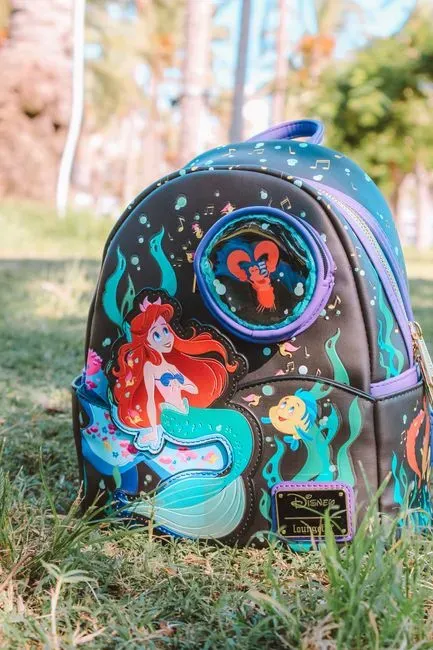
Disney’s 2023 live-action remake generated one of the more openly hostile casting reactions in recent memory. The racist backlash that emerged after Halle Bailey was cast as Ariel took the form of hashtags like #NotMyAriel and derogatory online comments. Bailey herself was candid about bracing for it, saying plainly, “As a Black person, you just expect it and it’s not really a shock anymore.”
Director Rob Marshall later explained the studio’s approach to casting, noting that his team had “no agenda” when it came to the casting of Ariel and that his team auditioned “every ethnicity” for the role before landing on Bailey, saying “We just were looking for the best actor for the role, period. The end. We saw everybody and every ethnicity.” Once the film released, reception shifted noticeably: the 67 percent score it received from critics was a far cry from the 93 percent it was awarded on the fan-generated Popcornmeter, suggesting that, when all was said and done, the casting didn’t matter that much.
Partner offer

5. Robert Downey Jr. as Tony Stark in Iron Man
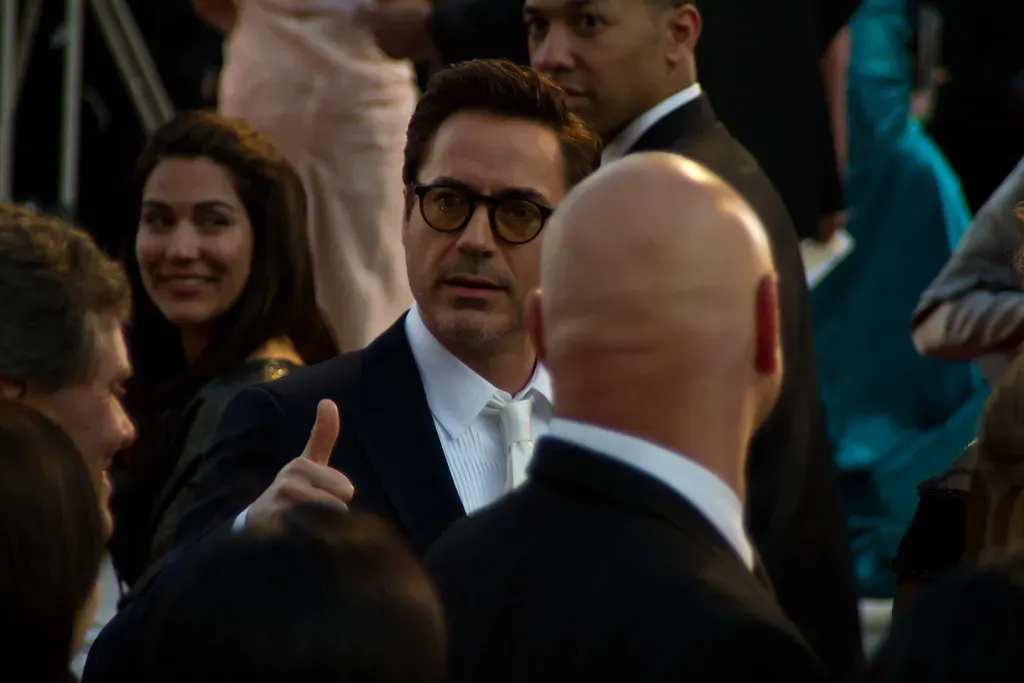
By 2007, Robert Downey Jr. was a gifted actor with a well-documented history of substance abuse issues and legal trouble, which made Marvel’s decision to hand him a franchise-defining lead role feel like a genuine gamble at the time. Insurance companies reportedly needed convincing before the studio could even move forward, and industry observers openly questioned whether a major studio should bet its future on someone with his recent past. The skepticism wasn’t really about acting talent, it was about reliability and risk, which made it a different flavor of outrage than most casting controversies.
Iron Man’s 2008 release changed the conversation almost overnight. Downey’s performance became the connective tissue for the entire Marvel Cinematic Universe that followed, and his casting is now widely regarded as one of the smartest bets in modern blockbuster history. What once looked like a liability turned into the foundation of a franchise worth tens of billions of dollars.
6. Idris Elba as Heimdall in Thor

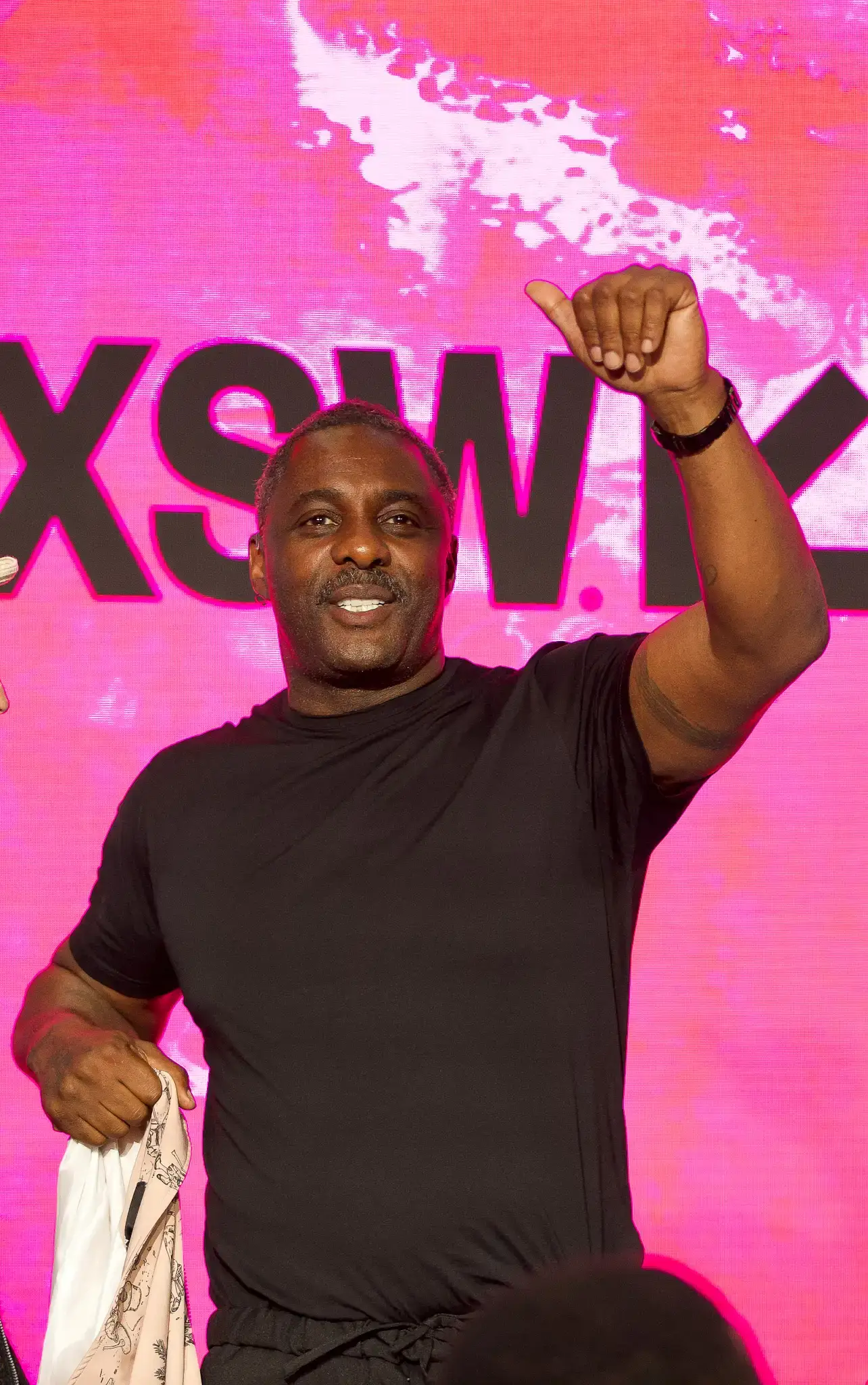
When Idris Elba was cast as the Norse god Heimdall in 2010’s Thor, the objection wasn’t about his acting range, it was about mythology purism mixed with something uglier. Some vocal corners of the internet argued that a Black actor couldn’t play a character rooted in Norse legend, and the controversy drew real media attention at the time. Marvel and director Kenneth Branagh stood by the decision without much public hand-wringing.
Elba’s performance turned out to be one of the more grounded, gravity-filled elements of the early MCU, and he returned for multiple sequels without any of the original controversy resurfacing in a meaningful way. Looking back, the objections read less like film criticism and more like a preview of the identity-based casting debates that would resurface again and again over the following decade.
7. Zendaya as MJ in Spider-Man: Homecoming
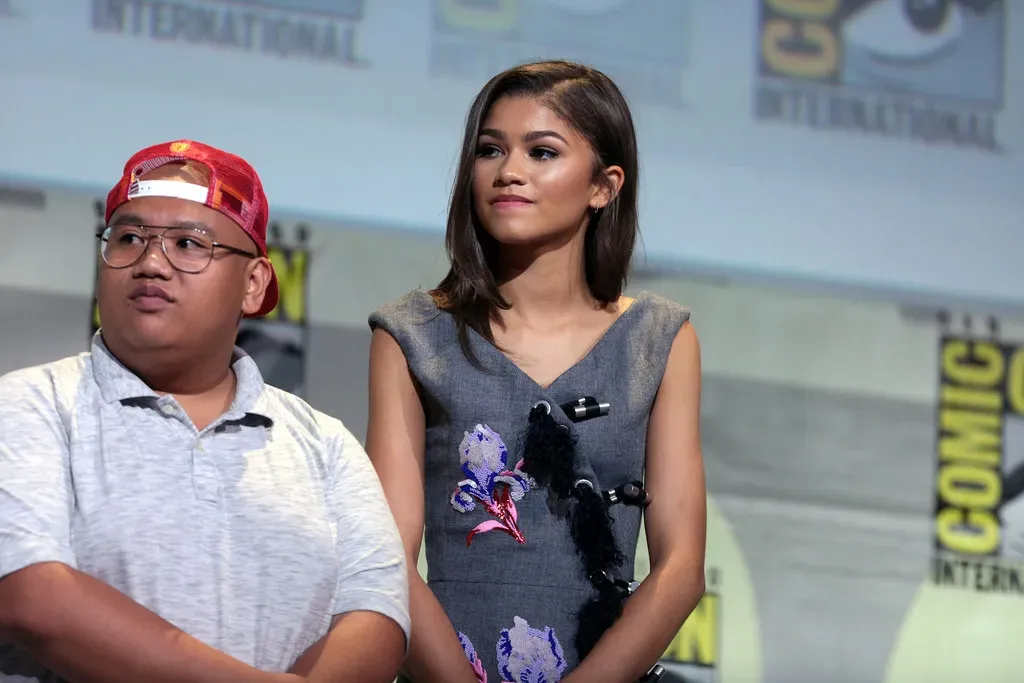
Marvel’s decision to cast Zendaya in a version of the Mary Jane Watson role for 2017’s Spider-Man: Homecoming stirred up a familiar kind of comic-purist anger. The character was traditionally depicted as a redheaded white love interest, and some fans treated the change as a betrayal of the source material before seeing a single scene. The studio initially kept her character billed only as “Michelle,” which fueled speculation and further argument about what exactly they were doing with the character.
The film’s release quietly resolved most of the tension. Zendaya’s dry, deadpan take on the character was praised by critics and audiences alike, and she continued in the role through Spider-Man: Far From Home and Spider-Man: No Way Home. The version of MJ she created is now inseparable from the modern Spider-Man film series, controversy largely forgotten.
8. Timothée Chalamet as Willy Wonka in Wonka


Casting news for 2023’s Wonka drew immediate comparisons to Gene Wilder’s iconic 1971 performance, and not favorably. Timothée Chalamet, then in his mid-twenties and known for slender, brooding roles, struck many longtime fans as simply the wrong physical and tonal fit for a character built on eccentric, commanding presence. Social media chatter leaned heavily toward disbelief that a studio would hand the role to someone so far removed from Wilder’s version.
Wonka’s release proved the skeptics wrong in fairly convincing fashion. Critics praised Chalamet’s take as a distinct, younger origin story rather than an imitation of Wilder, and the film performed well at the box office during its holiday release window. The backlash, once loud, faded quickly once audiences saw the finished performance rather than just a casting headline.
Taken together, these eight cases form a pattern that keeps repeating across generations of moviegoing. Outrage tends to arrive fast and loud, built on assumptions rather than finished work, while the films themselves usually get the final say. It’s a reminder worth keeping in mind the next time a casting announcement sends the internet into a frenzy.
Partner offer
Planning a trip to Vegas?
Compare hotel rates and show tickets on VEGAS.com.