Most of us treat coins as an afterthought, tossing them into a jar or leaving them in a cup holder until they’re needed for parking meters. Yet a surprising number of old and error coins are still quietly circulating in everyday transactions, sometimes worth far more than their face value. Coin roll hunters and casual collectors alike have built entire hobbies around checking pocket change before spending it, and every so often, someone finds something genuinely valuable hiding among ordinary quarters and pennies.
1943 Copper Lincoln Cent
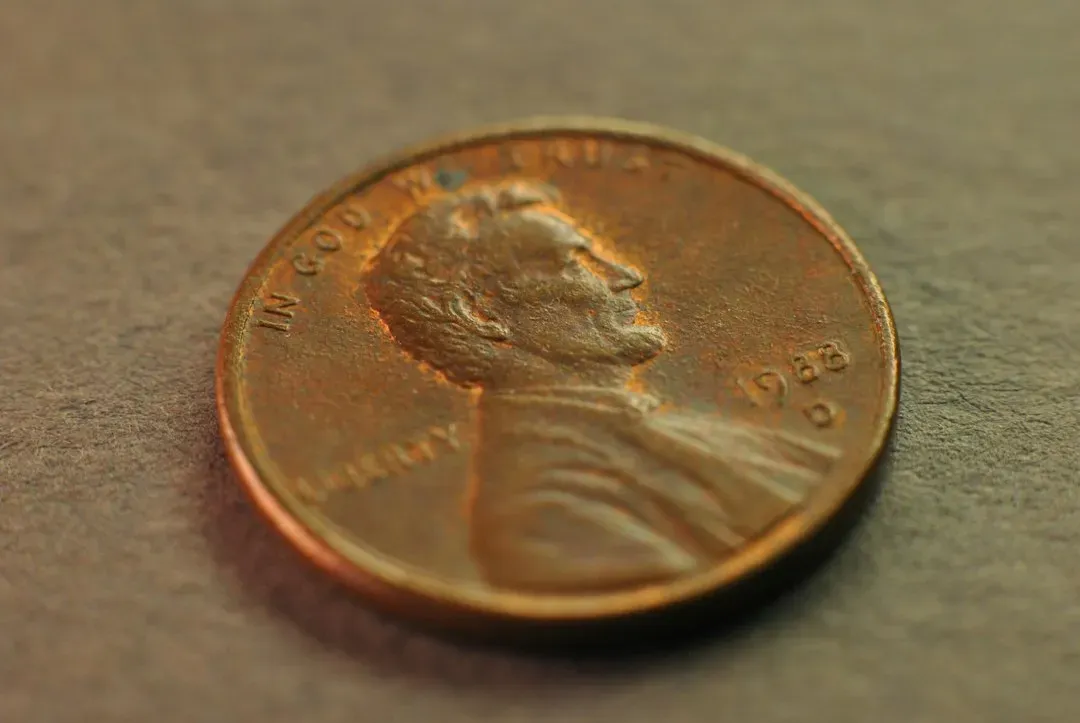
During World War II, the U.S. Mint switched penny production to zinc coated steel to conserve copper for the war effort. The United States Mint was striking pennies from zinc-coated steel planchets to help save copper for World War II ammunition shells. A handful of leftover bronze planchets from 1942 accidentally got struck with 1943 dies anyway, creating one of the most famous error coins in American history.
A total of perhaps 20 to 30 of these 1943 copper cents were minted cumulatively at the Philadelphia, Denver, and San Francisco Mints. Values vary wildly depending on condition and mint mark, but extremely fine grade 1943 copper pennies are worth around $250,000, while the rarest Denver strike has sold for even more at auction. If you ever find a 1943 penny that sticks to a magnet, it’s steel and common. If it doesn’t stick, it’s worth getting authenticated immediately.
1909-S VDB Lincoln Wheat Cent
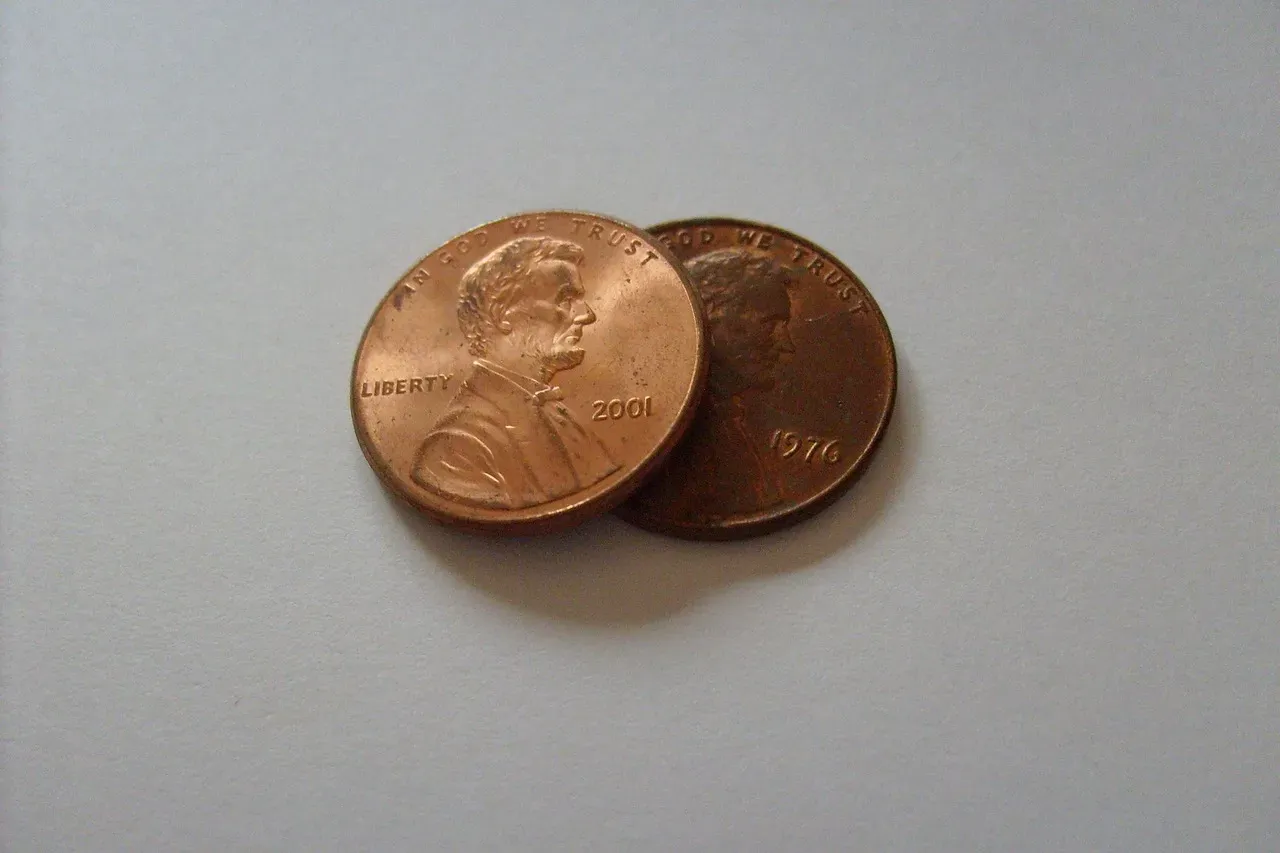
This coin marks the very first year of the Lincoln cent design, and it carries the initials of designer Victor David Brenner on the reverse. The 1909-S V.D.B. Lincoln Penny is famous for its association with wheat pennies and its low mintage numbers. Because the San Francisco mint produced a limited run before the initials were removed from later dies, this particular date and mint combination became an instant classic among collectors.
Prices for a 1909-S VDB in circulated condition typically range from several hundred to over a thousand dollars, with pristine uncirculated examples reaching into the tens of thousands. It’s a coin that rarely turns up in modern change since it’s over a century old, but wheat cent collections and old jars of coins passed down through families occasionally hide one. Anyone sorting through an inherited coin collection should check the reverse for those tiny “VDB” initials near the rim.
1955 Doubled Die Lincoln Cent
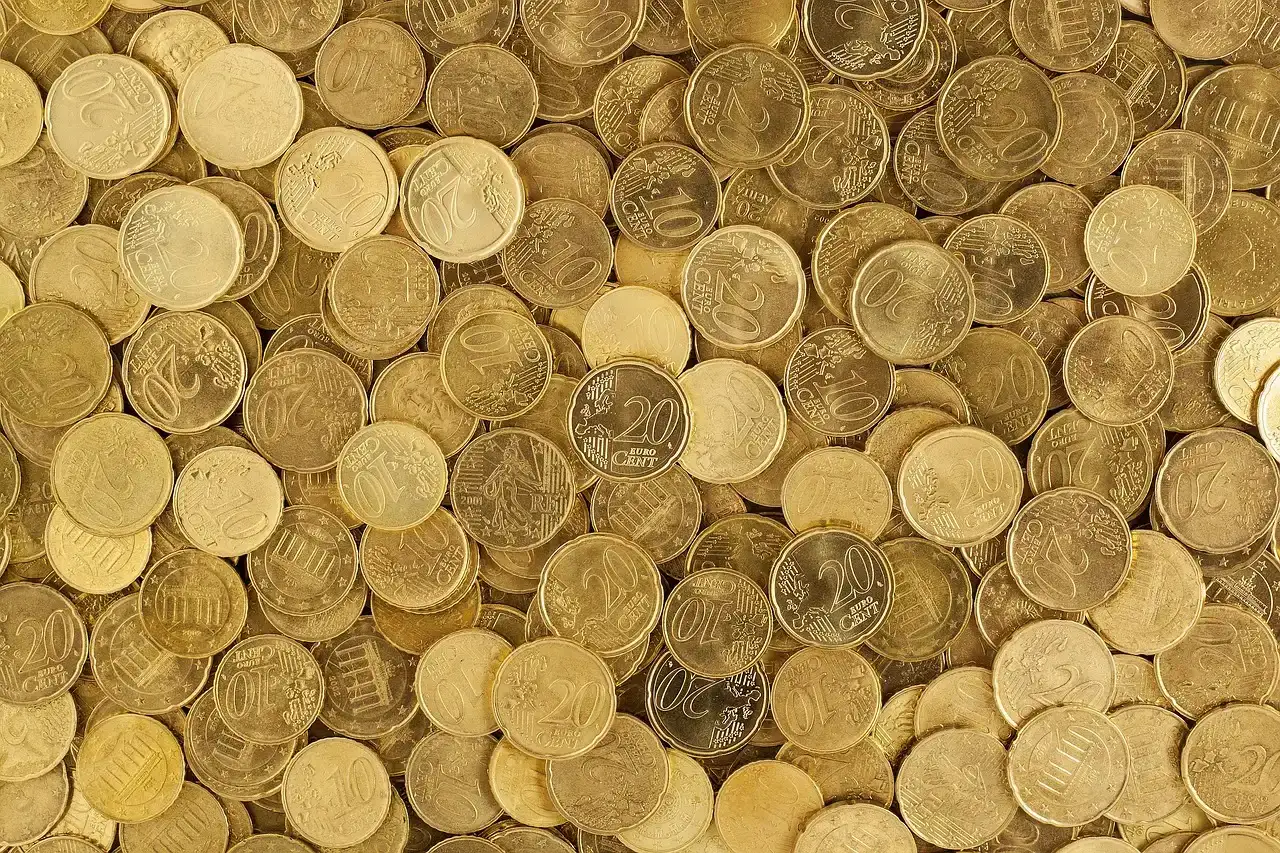
Minting errors happen when a die strikes a coin more than once with a slight misalignment, creating a doubled image on letters or numbers. The 1955 doubled die cent is one of the most recognizable examples, showing a dramatic doubling on “LIBERTY,” the motto, and the date itself. It slipped past mint quality control and entered general circulation before anyone caught the mistake.
A well worn example can still fetch a few hundred dollars, while coins in higher grades command prices well into the thousands. Because the doubling is visible to the naked eye without magnification, it remains one of the easier error coins for beginners to identify. Genuine examples are scarce enough that most surviving ones are already in collections, but a low grade circulated find isn’t impossible.
Pre-1965 90 Percent Silver Quarters and Dimes
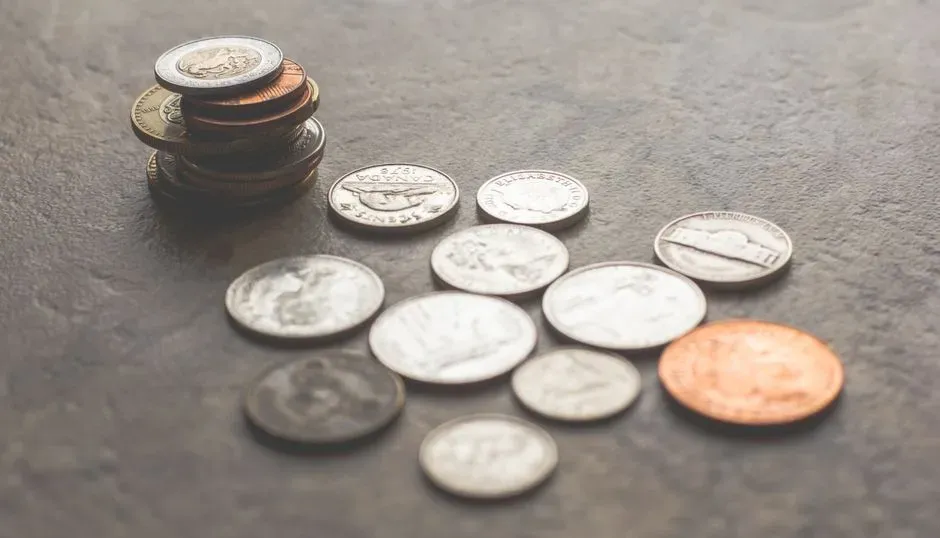
Before 1965, U.S. quarters and dimes were struck from a composition of 90 percent silver and 10 percent copper. When silver prices climbed, the Mint switched to a copper nickel clad composition, and older silver coins slowly disappeared from everyday circulation, though a few still surface unexpectedly. Collectors usually treat these coins as bullion rather than collectibles, and for that reason, the hobby commonly calls them “junk silver,” with dealers buying and selling them based on their metal content.
Their value moves with the spot price of silver, which has been notably strong recently. As of March 14, 2026, silver traded at $81.13 per ounce, meaning even a well worn silver quarter or dime carries several times its face value just in metal content. Collectors can spot these quickly by checking the edge: modern clad coins show a visible copper core along the edge, while silver coins display a solid silver-colored edge with no copper stripe.
Partner offer
1942 to 1945 Silver “War Nickels”
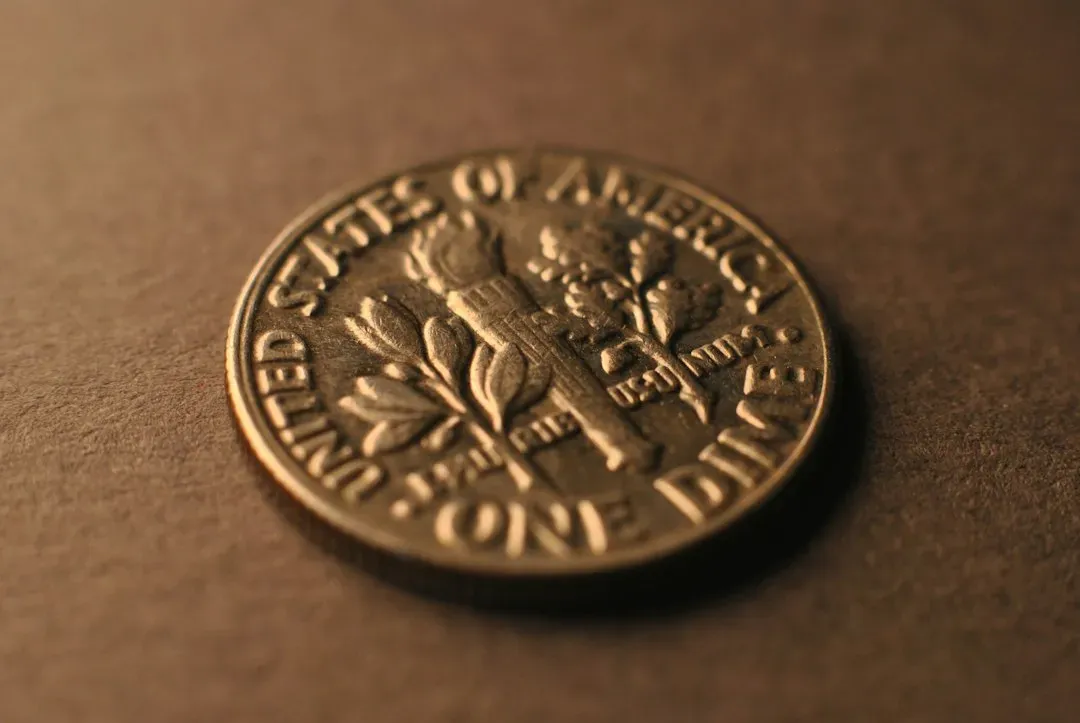
Nickel was needed for wartime armor plating, so the Mint temporarily changed the five cent coin’s composition to 35 percent silver, along with copper and manganese, from 1942 through 1945. These wartime nickels are easy to identify because the mint mark, whether P, D, or S, appears in an unusually large size above Monticello on the reverse, a detail added specifically so the silver content could be tracked and later recalled.
Like silver quarters and dimes, war nickels trade largely on their metal content today, though certain dates and grades carry small numismatic premiums above melt value. They’re one of the more approachable silver coins for new collectors to hunt for, since the oversized mint mark makes identification simple even without a loupe. Finding one in actual pocket change is rare now, but they still occasionally appear in inherited coin jars and bank rolls.
Silver Half Dollars from 1964 and Earlier, Plus 1965 to 1970 Kennedy Halves
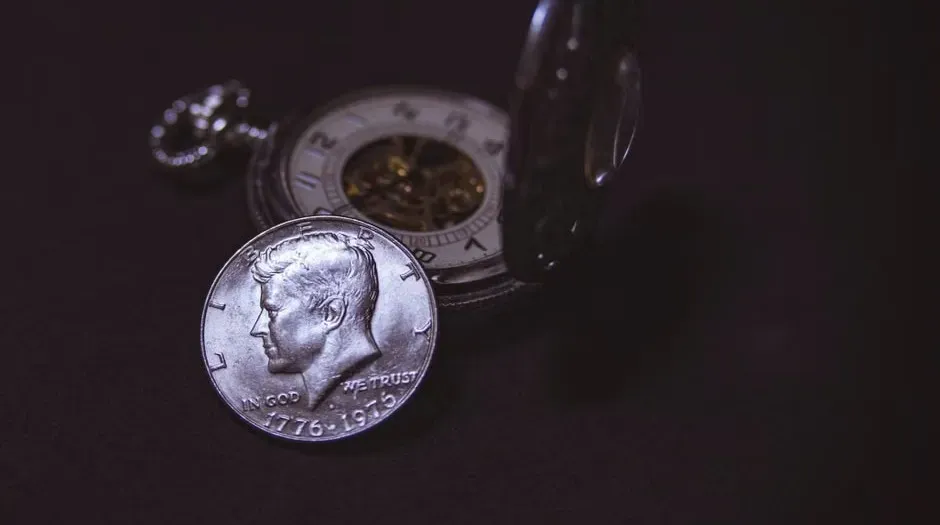
Half dollars minted through 1964, including Franklin and Walking Liberty designs, were struck in 90 percent silver just like quarters and dimes of that era. When the Kennedy half dollar launched in 1964 following President Kennedy’s assassination, demand was so high that the Mint kept using 90 percent silver that first year, then transitioned to a 40 percent silver composition from 1965 through 1970 before eventually moving to clad metal.
Those later 40% silver Kennedy half dollars from 1965 to 1970 contain about $12.00 in silver at recent silver prices, while the earlier 90 percent silver halves contain proportionally more. Half dollars see far less everyday use than other denominations, so most people rarely handle them at all, let alone check their dates. That relative neglect is exactly why silver halves sometimes sit unnoticed in old coin jars, bank bags, or forgotten drawers for decades.
Wheat Pennies from 1909 to 1958
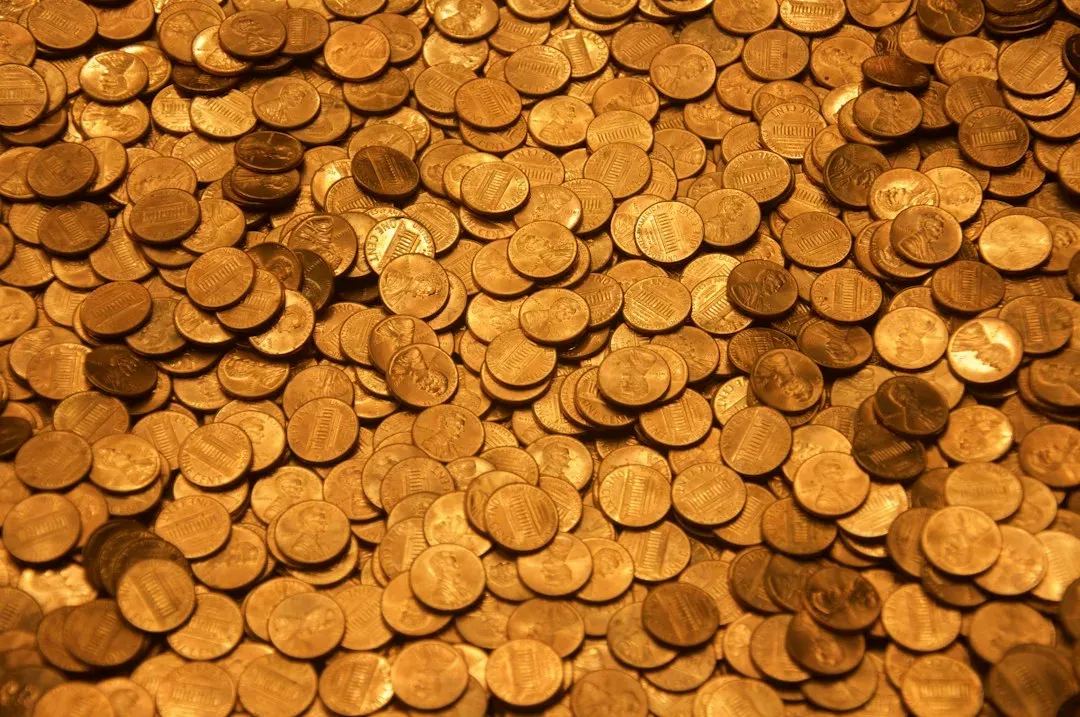
Before the Lincoln Memorial replaced the wheat stalk design on the reverse in 1959, the U.S. Mint produced Lincoln cents featuring two wheat ears framing the “ONE CENT” text. The reverse design shows the coin’s face value, “ONE CENT,” flanked by two wheat stalks, earning it the nickname “Wheat Penny.” These circulated for decades afterward, meaning plenty of older Americans still have them mixed into coin jars without realizing it.
Most common date wheat pennies are worth only a small premium over face value, often just a few cents to a dollar, but certain key dates and mint marks are exceptions worth serious money. Some pennies commonly found in circulation are worth 100 times their face value or more, and certain old nickels are worth saving as well. The sheer volume of wheat cents produced over nearly fifty years means they turn up in coin roll hunting more often than almost any other historic coin type.
Modern Error Coins with Off-Center Strikes or Doubling
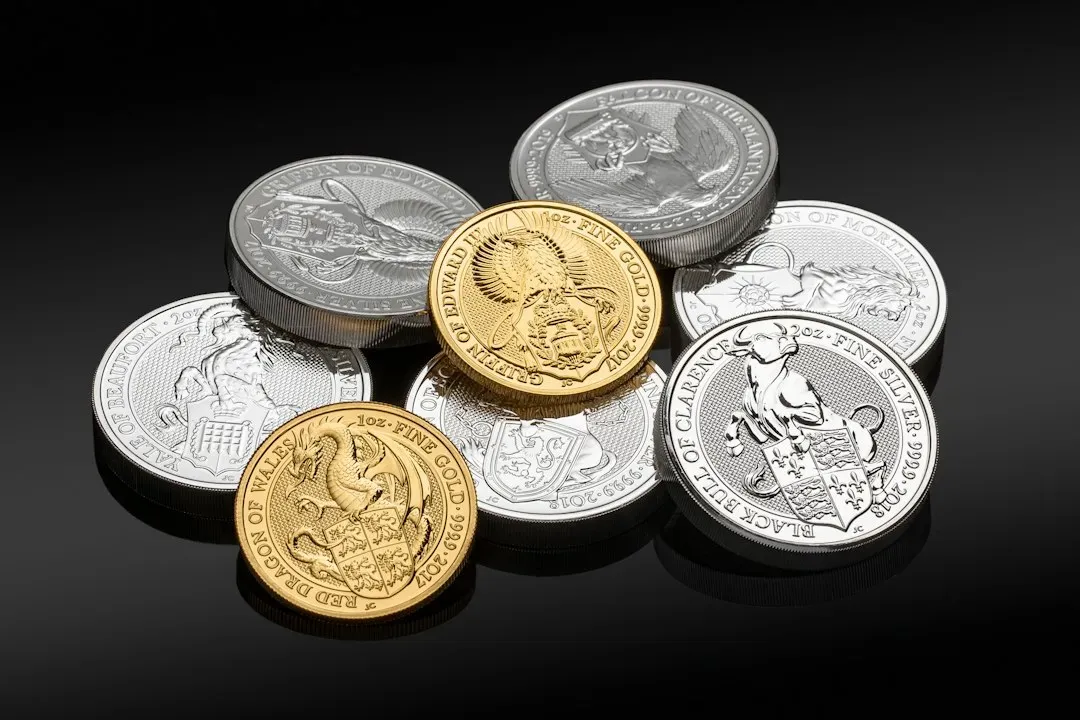
Not every valuable find has to be old. Modern error coins, struck within the last few decades, can still command solid prices if they show a genuine minting mistake rather than damage from circulation. Error coins bear mistakes in their designs or composition, which is why they become unique and exceptional, generally including off-center strikes, doubled dies, and planchet errors.
A dramatically off-center strike, where the design sits noticeably shifted on the coin rather than centered, can be worth anywhere from a few dollars to several hundred depending on how far off-center it is and how much of the date remains visible. A 70% off-center Jefferson nickel is a good example of the kind of dramatic error that catches a collector’s eye immediately. These errors occasionally slip through modern minting quality control just as they did decades ago, which means checking recent pocket change is still worthwhile, not just older coins.
Coin roll hunting rewards patience more than luck. Most rolls a person opens will contain nothing but ordinary, modern coins worth exactly their face value. Still, the occasional wheat penny, silver quarter, or oddly struck error coin does turn up, which is precisely why the hobby has held steady appeal for generations of collectors checking their change before spending it.Partner offer
Planning a trip to Vegas?
Compare hotel rates and show tickets on VEGAS.com.