There’s a reason audiences remember the villain long after they’ve forgotten the plot. A great antagonist does something a hero simply can’t: they reveal what the story is really about. They push at moral boundaries, expose social fears, and sometimes, uncomfortably, make the audience root for them. Cinema has been stacking its rogues’ gallery for over a century, and the names on this list have permanently altered the way we think about evil on screen.
What follows is a ranking built on cultural impact, performance depth, and lasting influence. These aren’t just characters who were mean or threatening. The lead antagonist gives the protagonist something to fight against and is often the primary source of a story’s conflict – and the better the villain, the more emotional engagement a viewer will feel. With that measure in mind, the choices below speak for themselves.
1. Hannibal Lecter – The Silence of the Lambs (1991)
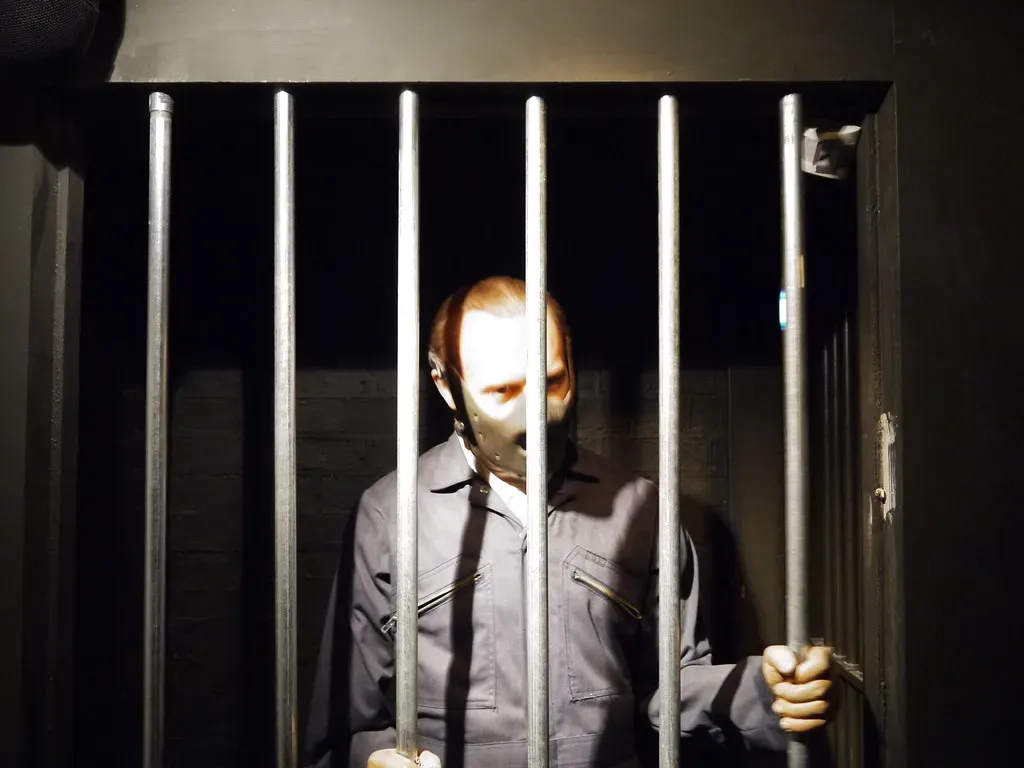
The American Film Institute named Hannibal Lecter, as portrayed by Anthony Hopkins, the number one film villain of all time. That ranking has never seriously been challenged. Hopkins was only in the movie for 16 minutes, yet managed to tap into a deep, almost primal fascination with a character who gourmet-cooks humans.
The film grossed $272.7 million worldwide on a $19 million budget and became the fifth-highest-grossing film of that year. At the 64th Academy Awards, it became the third film to win the “Big Five” categories: Best Picture, Best Director, Best Actor, Best Actress, and Best Adapted Screenplay. What makes Lecter so enduring is his calm. Quite rare for a horror villain, the film doesn’t show Lecter killing the majority of his victims – while other villains gain notoriety through gruesome kills, Lecter is a villain who has to rely on what the audience hears about his crimes.
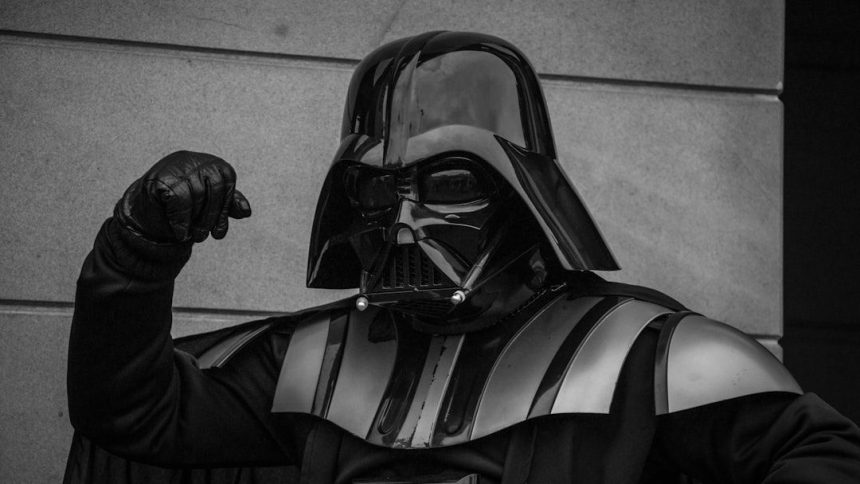
2. Darth Vader – Star Wars (1977)
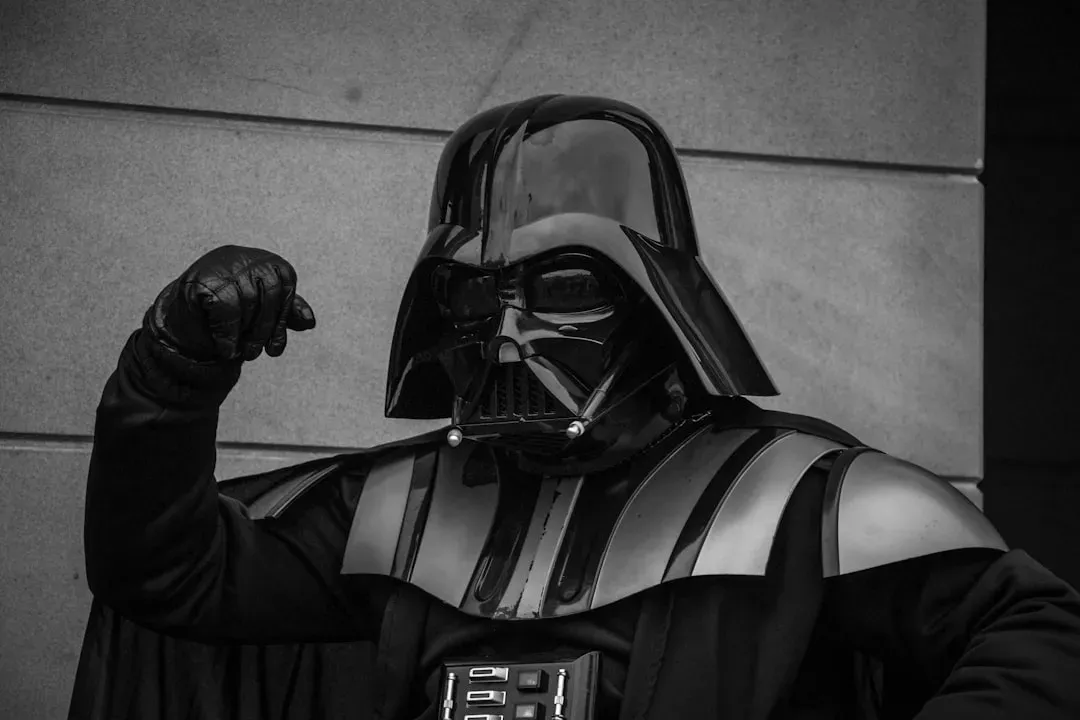
Cloaked in darkness and towering over his enemies, Darth Vader instills fear merely by his presence. Once a hero turned evil by power and manipulation, his booming voice, merciless tactics, and iconic heavy breathing have earned him a place among the great villains in history. He is the definitive fallen hero of cinema, a template that dozens of films have tried to copy since.
Although Vader is first introduced in the original trilogy as a ruthless cyborg killing anyone who stands in his path to galactic domination, by the final film he’s using his last ounce of humanity to sacrifice himself to save his son’s life. What makes Darth Vader one of the greatest villains ever is the fact that he wasn’t really a villain to begin with. That tragic arc is precisely what sets him apart from nearly every other antagonist in blockbuster history.
3. The Joker – The Dark Knight (2008)
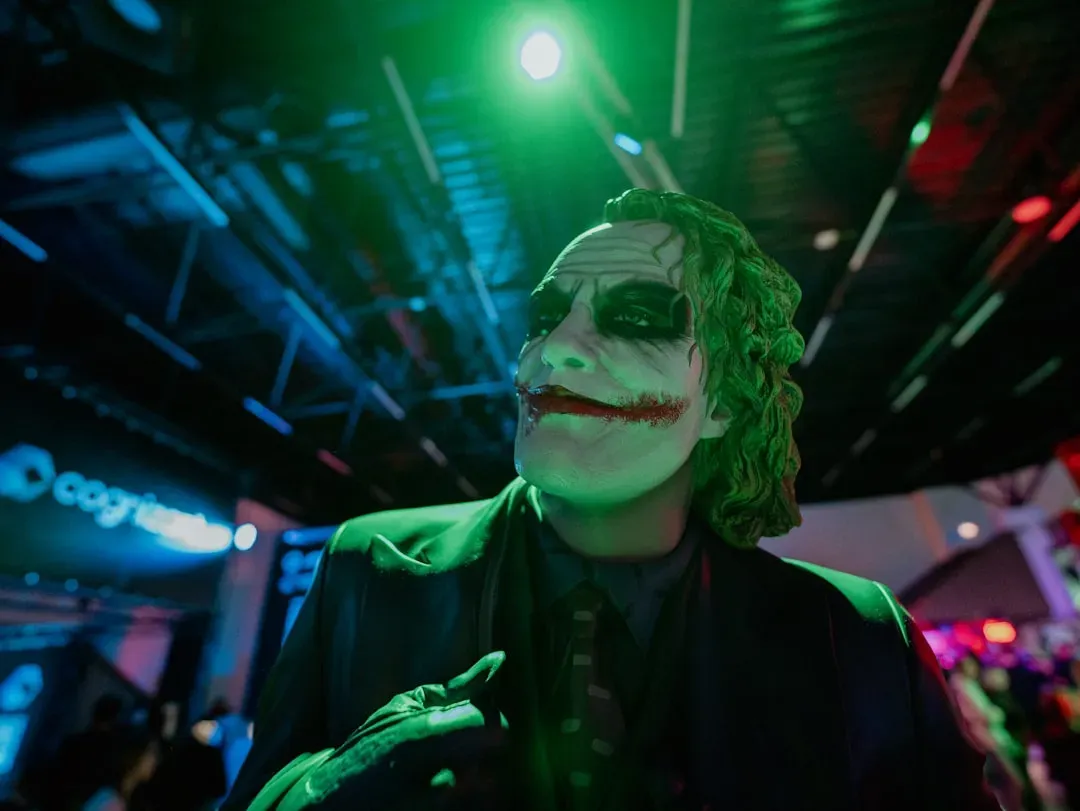
The Clown Prince of Crime remains the Dark Knight’s greatest adversary and one of the all-time great movie villains. If DC is the house that Batman built, then the Joker is the spray paint on the wall, because he’s been part and parcel of the hero’s greatest stories on screen. Heath Ledger’s specific interpretation took the character somewhere genuinely new, and the performance still feels unmatched.
It’s not easy to steal a Batman movie from Batman himself, but Heath Ledger’s Joker managed to overshadow the titular masked vigilante in The Dark Knight. Unpredictable, manipulative, and twisted beyond belief, the Joker is easily one of the most notorious villains in modern history – and the greatest figure in Batman’s robust rogues’ gallery, which is saying a lot.
4. Nurse Ratched – One Flew Over the Cuckoo’s Nest (1975)
When the American Film Institute named the greatest villains in film history, Nurse Ratched earned the fifth spot on the list. Of those top five, there were only two women, and the only one ranked ahead of Nurse Ratched was the Wicked Witch of the West from The Wizard of Oz. That placement is remarkable for a character who never throws a punch or wields a weapon.
Louise Fletcher won the Academy Award for Best Actress for her sinister turn as Nurse Ratched, the abusive tyrant who rules over her psychiatric ward with an iron fist. Fletcher’s unsettling portrayal represents the boot of authority, while Jack Nicholson’s everyman protagonist Randle McMurphy represents the little guy standing up to bureaucracy. Apparently a lovely person in real life, Fletcher committed so wholeheartedly to the evil of Nurse Ratched that the rest of the cast were reluctant to speak to her between takes.
5. Anton Chigurh – No Country for Old Men (2007)
When Javier Bardem accepted his Oscar for Best Supporting Actor, he thanked the Coen brothers for putting “one of the most horrible haircuts in history” on his head. Bardem has never topped the tired-eyed malevolence of Anton Chigurh, the cartel hitman who uses a bolt pistol to execute his victims and takes or spares lives at the whim of a coin toss.
Chigurh maintains a strict personal code, believing his victims are ultimately responsible for the consequences of their choices, justifying his actions as fulfilling fate’s will. That philosophy is what truly unnerves. What’s most striking about Chigurh is his calmness – he’ll break into a motel room, shoot people dead, and then quietly sit at the foot of the bed and reflect. He seems more like a deadly force of nature than a human being.
6. Hans Gruber – Die Hard (1988)
While Bruce Willis’ portrayal of John McClane revolutionized action movies, Alan Rickman’s incredible performance as Hans Gruber was equally essential to Die Hard’s success. As a criminal mastermind and ruthless leader of a West German terrorist organization, Gruber’s cunning plan to hold the Nakatomi Plaza hostage to steal bonds worth $640 million would have been the perfect crime if McClane hadn’t intervened.
Hans Gruber was truly one of the most iconic villains in movie history, as his complexity, sophistication, and dark sense of humor made him darkly chilling and oddly funny. A cultured, conniving villain who could improvise and change the situation even when his original plan was compromised, Gruber sears himself into cinema history – and it doesn’t hurt that he was given some truly memorable dialogue by writers Jeb Stuart and Steven de Souza.
7. Thanos – Avengers: Infinity War (2018)
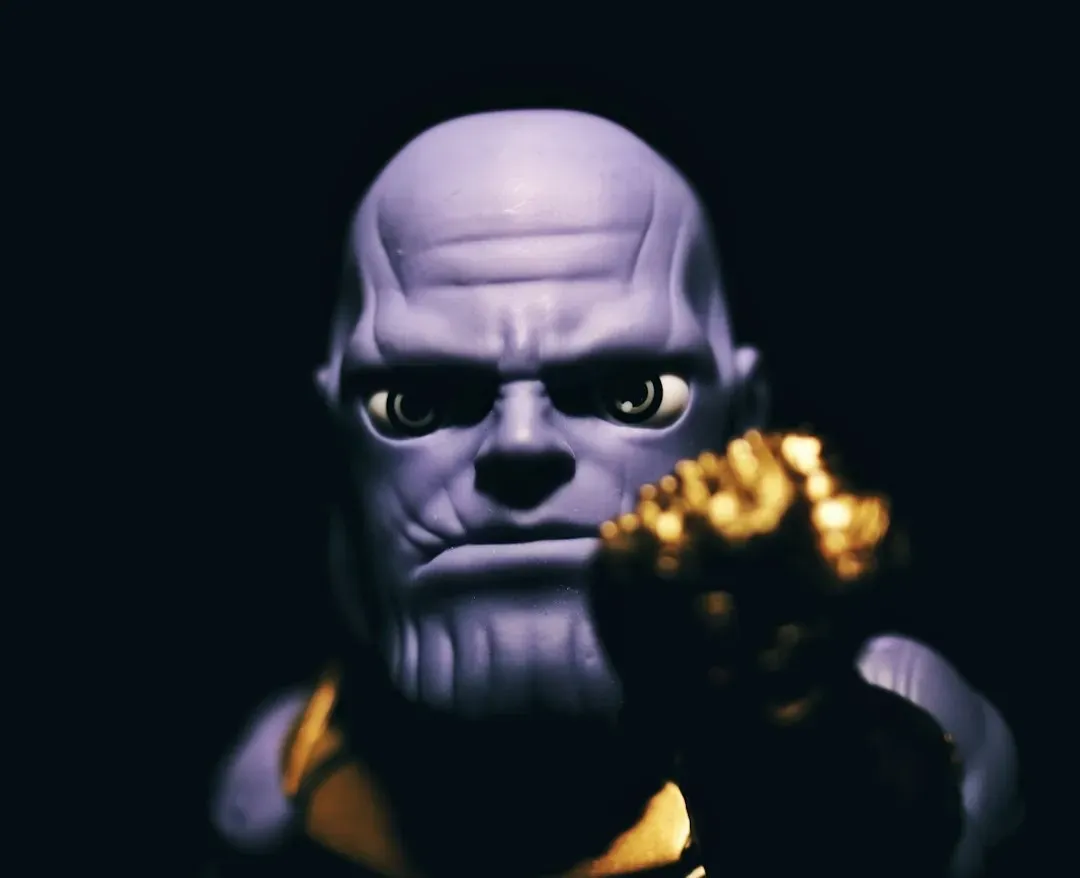
Thanos is the movie villain who changes everything. In Avengers: Infinity War, he gathers all the colorful cosmic stones, puts them in a heavy-duty gauntlet, and snaps away half of the universe. The Mad Titan’s reasoning is that he wants to bring stability to the world through one swift genocide, because according to him, there are too many creatures around.
Thanos brings a terrifying layer of ideological conviction that makes him stand out from your typical bad guy. He isn’t cruel for cruelty’s sake. He’s considered and even sorrowful about what he believes he must do. Throughout the history of super villains in film, no one had been able to pull off such inconceivable evil – and when his plan actually came to fruition, moviegoers around the globe sat in jaw-dropping silence.
8. Norman Bates – Psycho (1960)
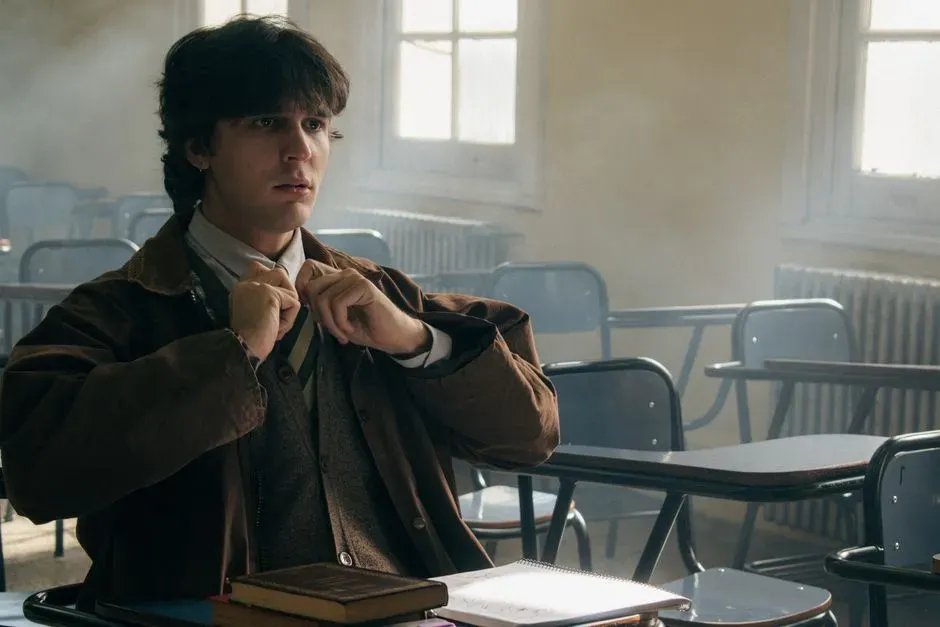
The man behind cinema’s greatest shower scene is no mere villain. He is the first of his cinematic kind: a movie monster who is one hundred percent human. Not some fanged phantom or hairy beast, but a guy who could be standing next to you right now. Someone you’d never suspect of wanting to harm even a fly.
It’s hard now to imagine just how shocking and terrifying mother-possessed hotelier Norman Bates was to 1960 audiences, but it’s fair to say he truly redefined horror. Anthony Perkins was born to play Norman Bates in Psycho. Leaning into his sensitive young man image, Bates is a bit weird before the twist at the end – running his motel, he kills multiple people throughout the film, taking on the persona of his dead mother.
9. Hans Landa – Inglourious Basterds (2009)
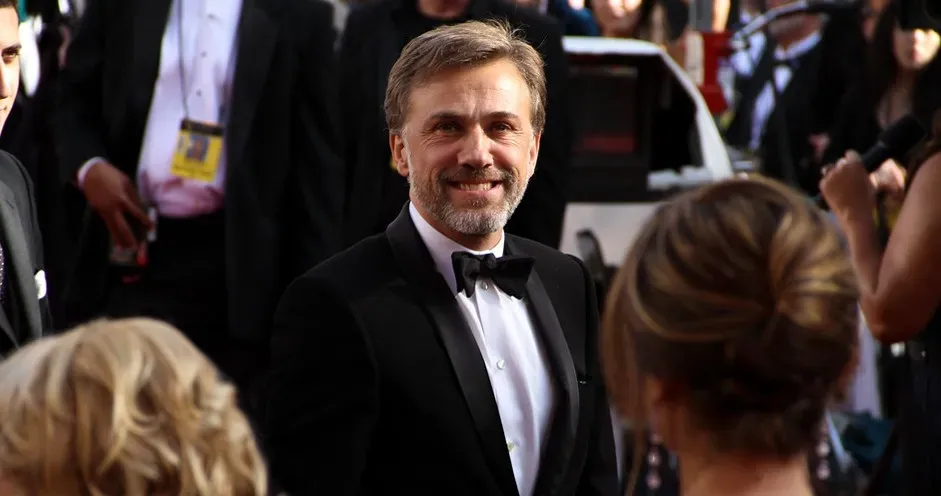
In Quentin Tarantino’s history-warping WWII masterpiece, all the Nazis are despicable, but the worst of them is Colonel Hans Landa. Known as “The Jew Hunter,” he has earned his nickname by ruthlessly pursuing Jews in hiding throughout Occupied France. An exceptionally adroit detective and smug quadrilingual intellectual, he hunts because those are his orders and he’s good at it.
What makes Landa especially disturbing is his cheerfulness. He commits atrocities with the same relaxed energy someone else might use to discuss wine. Christoph Waltz won the Academy Award for Best Supporting Actor for the role, a performance so precise and controlled it became one of the most discussed villain portrayals of the entire decade.
10. Michael Myers – Halloween (1978)
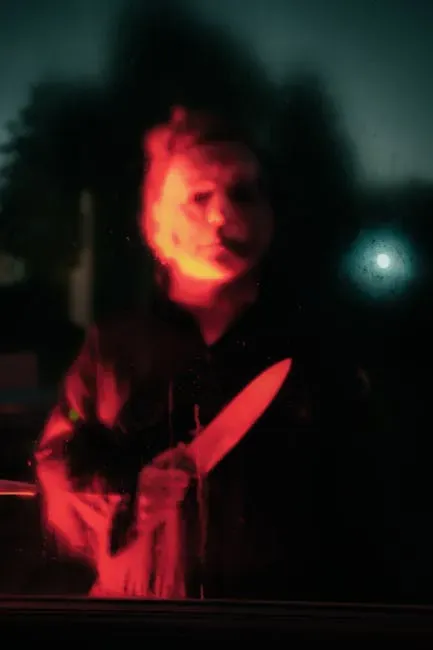
It’s to co-writer and director John Carpenter’s credit that he turned an old William Shatner mask and some decidedly non-threatening attire into one of the most iconic killer characters in cinema history for the original Halloween. Michael is one of those who doesn’t need much in the way of personality or a massive backstory to be effective as a threat.
Michael Myers is one of the most nightmare-inducing characters in cinema. He is pure, silent malice – a blank that the audience fills with their own worst fears. Like so many of his horror contemporaries, his impact has been diluted through the years, but in his original form, he can still strike terror into the hardest heart.
11. Agent Smith – The Matrix (1999)
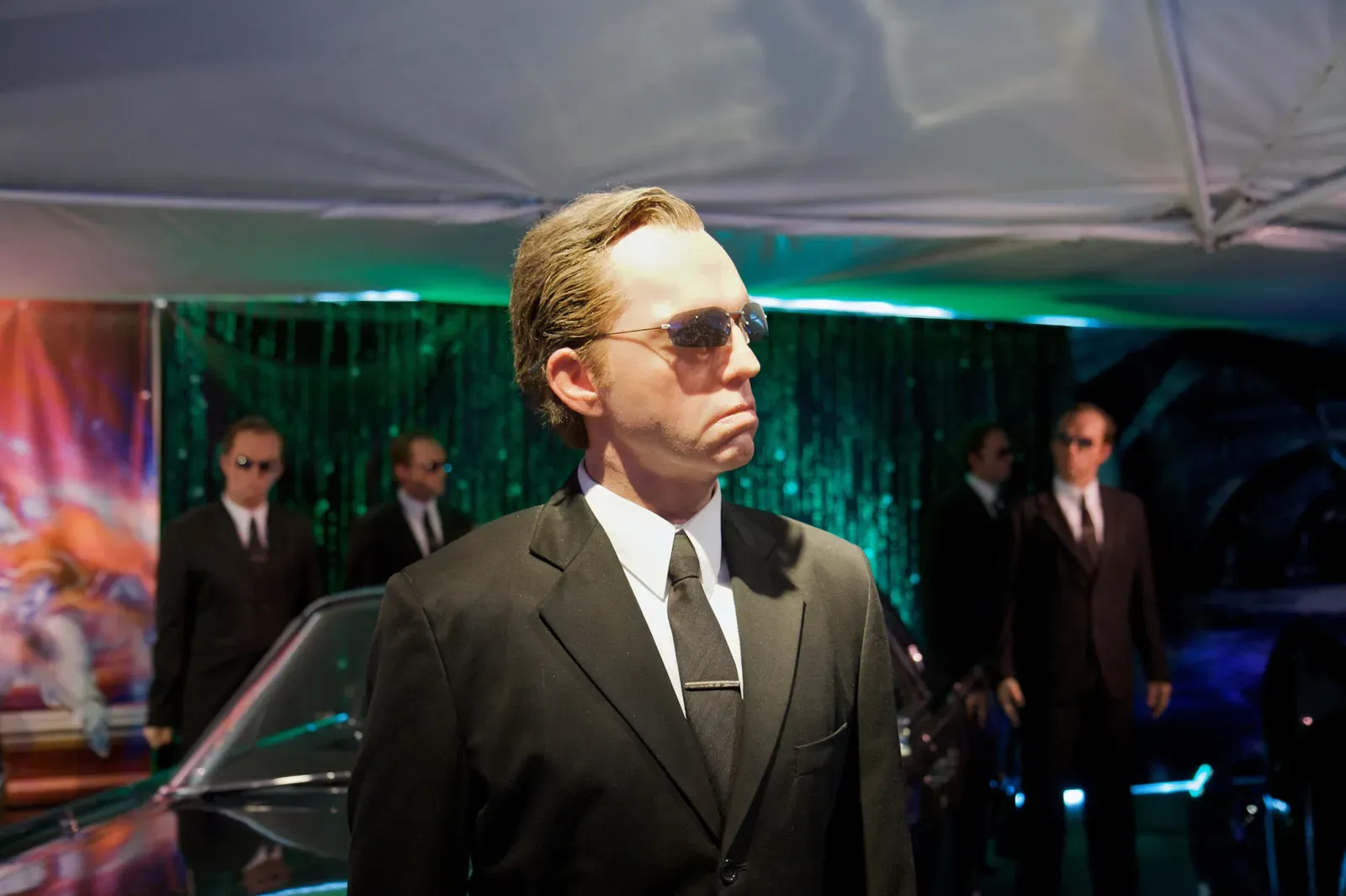
Easily one of the best sci-fi movie villains ever, Agent Smith is a ruthless AI construct who lives only to protect the simulated reality, battling those who dare to oppose the Matrix. Smith possesses a wide range of powers, including enhanced strength and speed, but his most outstanding ability is how he can hop from body to body like some kind of digital entity.
In a story about enlightenment, it’s a literal and figurative suit who is the greatest menace. He’s the embodiment of corporate power maintaining the status quo and stamping out dissenting voices demanding change – the ultimate slave to the system, and what’s more dangerous than squaring off against that? Hugo Weaving’s performance anchored the entire trilogy, giving Smith a bureaucratic dread that no amount of special effects could have manufactured on its own.
12. John Doe – Se7en (1995)
John Doe’s chilling calmness of cold calculation made him one of the most memorable villains in cinema history despite having limited screen time. With an almost mythical aura and a slow build toward its shocking conclusion, John Doe’s serial killing spree based on the seven deadly sins made him a smart criminal whose actions were filled with symbolism. As an evil figure whose crimes were informed by the moral decay of society, John Doe’s motivations toward his own warped sense of justice made him an incredibly compelling villain.
Kevin Spacey’s late arrival in the film is one of the great villain entrances in thriller history. The character says almost nothing that isn’t laced with a cold, inverted logic, and the final act of the film belongs entirely to him. David Fincher’s Se7en was truly one of the most thrilling films of the 1990s and has had a major influence on the film and television landscape in the years since.