Screenplays get rewritten dozens of times, yet some of the most remembered beats in cinema never appeared on the page. An actor reaches for a line, a stunt goes sideways, or a real car horn blares through a take, and the director decides to keep it.
The stories below come from decades of interviews, making-of accounts and film history. A few details have grown shinier with retelling, so where accounts differ, I’ve said so.
Taxi Driver: The Mirror Scene
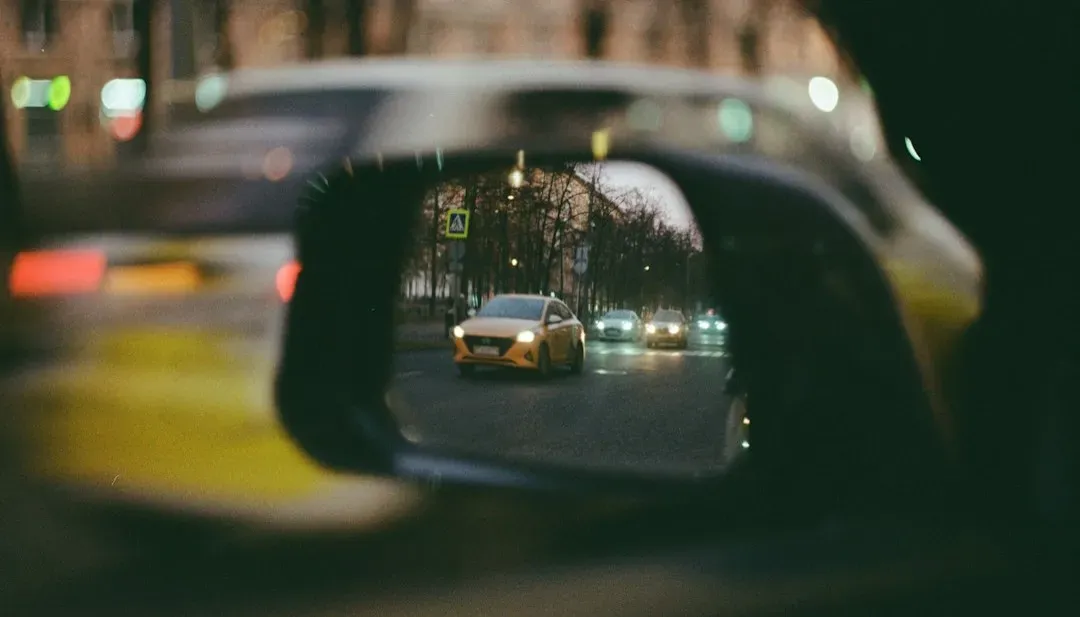
Travis Bickle’s confrontation with his own reflection is one of the most quoted scenes of the 1970s. Paul Schrader’s script reportedly gave only a bare outline for it. Robert De Niro is widely credited with building the actual dialogue on the spot.
Martin Scorsese has often described the film as a collaborative, loose set, and this scene shows why. The menace comes from how unrehearsed it feels. The scene is short, and it still sums up the character better than pages of narration could.
Jaws: The Bigger Boat

When Roy Scheider’s Chief Brody sees the shark for the first time, he backs away and mutters that they’ll need a larger boat. That line is commonly credited to Scheider himself, who is said to have ad libbed it during a tense shoot. It wasn’t in the written scene.
The production was famously troubled. The mechanical shark kept malfunctioning, and the schedule dragged far past plan. In that atmosphere, a dry, almost deadpan reaction felt right, and Steven Spielberg kept it.
Midnight Cowboy: The Taxi Incident
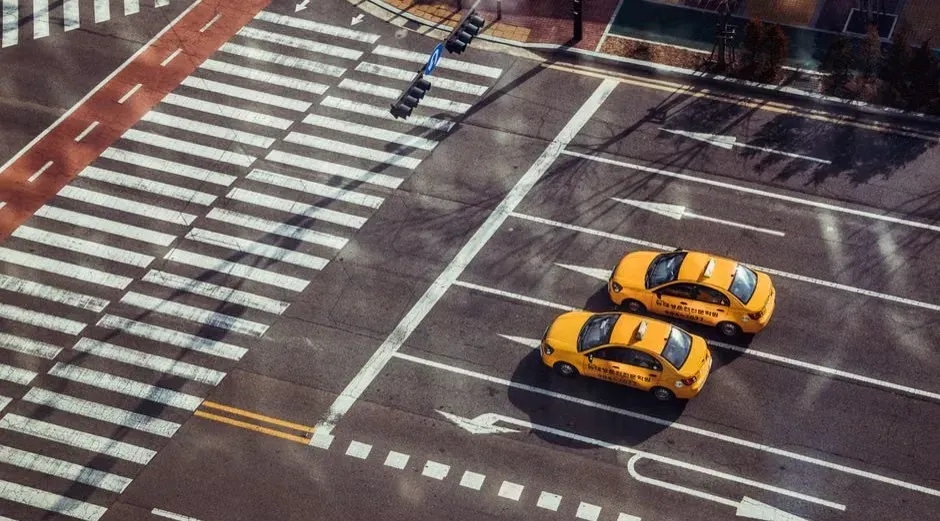
In one New York street scene, a cab cuts across the crosswalk as Dustin Hoffman’s Ratso Rizzo and Jon Voight’s Joe Buck are filming. Hoffman snaps at the driver in character, and the take stays in the finished film. The exchange has become one of the best known bits of improvisation in American cinema.
Some historians note that the story has been polished over the years, and versions differ on how much was spontaneous. Even so, the moment fits because the film was shot on real streets among real traffic. John Schlesinger’s gritty approach left room for the city to interrupt.
Raiders of the Lost Ark: The Swordsman Gets Shot
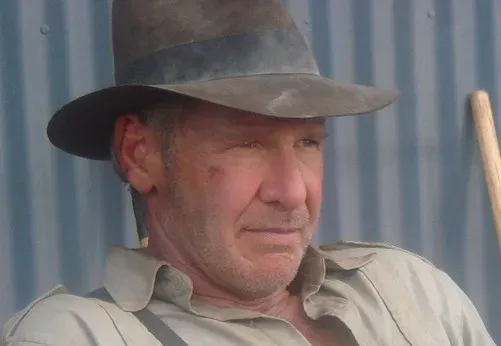
The Cairo market scene was meant to be an elaborate whip versus sword duel. Harrison Ford, who was reportedly ill with dysentery during the shoot, was in no shape for a long fight. The story goes that he suggested simply shooting the swordsman instead.
Partner offer
The result got one of the biggest laughs in the series. It also told audiences something about Indiana Jones: he’s resourceful, tired and a little impatient. A problem on set became a character beat.
The Godfather: The Cannoli Line
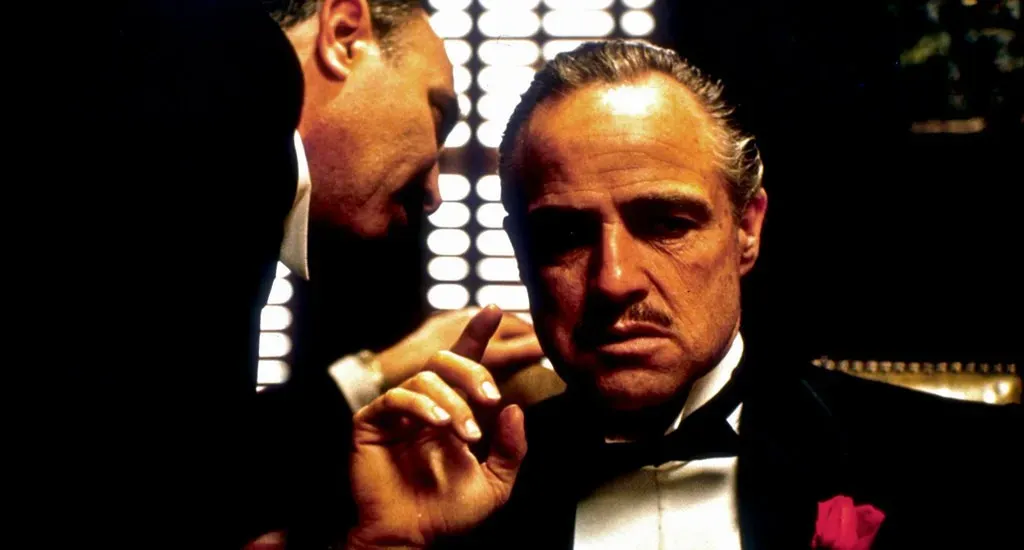
After the roadside killing of Paulie, Clemenza tells a colleague to leave the weapon and take the pastries. Richard Castellano, who played Clemenza, is generally credited with adding the food reference. It slipped casually into a brutal scene.
Francis Ford Coppola let the line stand, and it has since become one of the film’s most repeated bits. It works because it makes violence feel like routine business. That kind of detail is hard to write on purpose.
The Shining: Here’s Johnny
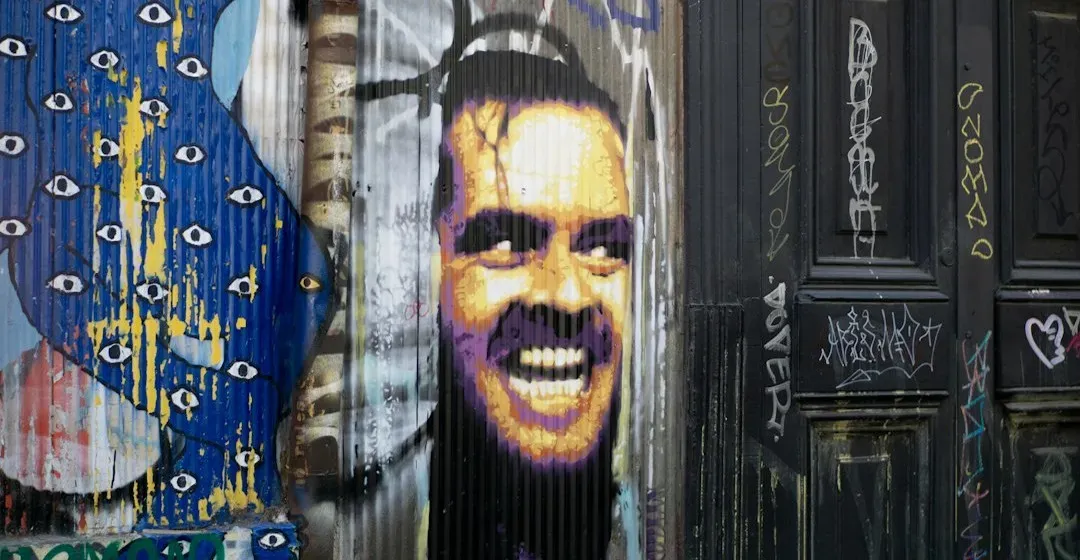
Jack Nicholson’s grinning announcement as he breaks through the bathroom door is a signature horror moment. According to accounts of the production, he borrowed it from the old late night talk show introduction. Stanley Kubrick reportedly didn’t recognize the reference at first.
Kubrick was known for demanding endless takes, so keeping an improvised line stands out. Nicholson’s instinct turned a frightening scene into something eerier, since the humor feels deranged. It remains one of the most imitated moments in film.
Blade Runner: The Rain Speech
Rutger Hauer’s final monologue as the replicant Roy Batty is often cited as a moving piece of actor driven writing. Hauer is widely reported to have trimmed and reworked the written speech, cutting it down to a few lines the night before shooting. The closing images of his character’s memories fading came from him.
Director Ridley Scott went with the leaner version. Its brevity is part of why the scene lingers, and the dove release that follows adds to the effect. Many fans still regard it as the emotional peak of the film.
The Dark Knight: Joker’s Hospital Exit
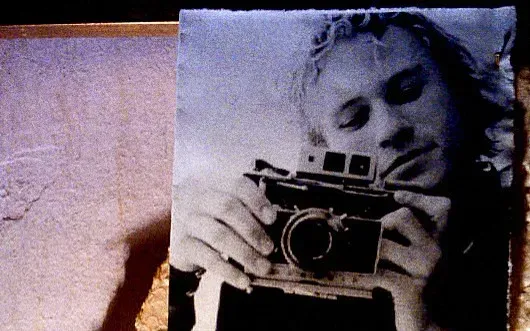
In the hospital sequence, Heath Ledger’s Joker walks away as the building explodes behind him. The charge reportedly did not go off on cue, and Ledger stayed in character, pausing and fiddling with the detonator before the blast finally went. The hesitation looks planned on screen, though it was reportedly improvised.
Christopher Nolan, known for tightly planned practical effects, kept the take. The stumble made the Joker seem unpredictable even to his own plans. It’s a good example of a technical failure becoming a performance highlight.
Partner offer
Planning a trip to Vegas?
Compare hotel rates and show tickets on VEGAS.com.