
The Academy Awards have been running for close to a century. That’s plenty of time for legends, half-remembered trivia and confident guesses to harden into common knowledge. Most of us pick these ideas up at watch parties, and few of us ever check them.
Some of the popular beliefs about Hollywood’s biggest night are only partly true. Others are plainly off. Here are nine worth correcting.
1. The Statuette Is Not Solid Gold
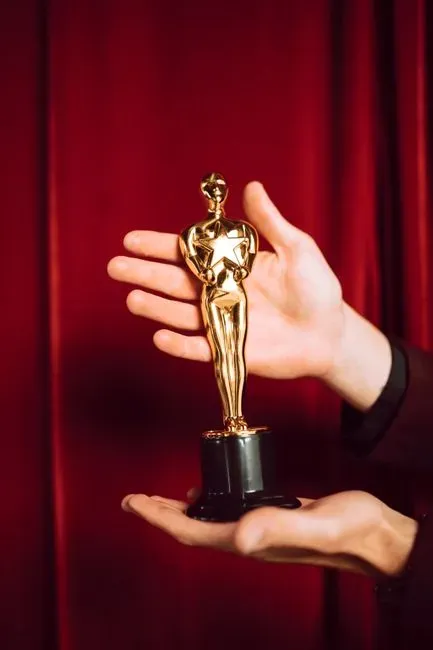
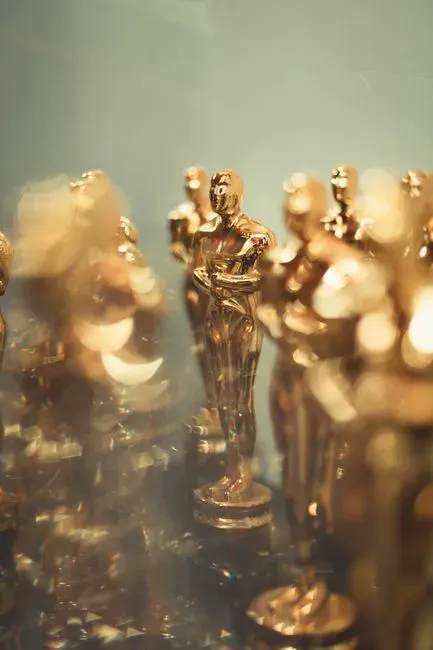
Plenty of people picture the golden man as a heavy chunk of precious metal. In reality, the statuette is bronze coated with a thin layer of 24 karat gold. It stands about thirteen and a half inches tall and weighs roughly eight and a half pounds.
The Academy has said that since 2016 the statuettes have been cast by Polich Tallix, a foundry in upstate New York. Before that, a Chicago manufacturer made them for decades. The value people imagine has more to do with prestige than materials.
2. Winners Can’t Simply Sell Their Oscars
It’s easy to assume an Oscar is a personal asset like any other. Since 1951, though, winners and their heirs have had to agree to a rule. If they ever want to sell, they must first offer the statuette back to the Academy for one dollar.
The Academy has gone to court to enforce this, and the rule is why modern winners’ statuettes almost never show up at auction. Statuettes awarded before that rule took effect can still be bought and sold. Those older pieces have fetched large sums over the years.
3. The Nickname Story Isn’t Settled History
The most repeated origin tale says an Academy librarian named Margaret Herrick saw the statuette and remarked that it looked like her Uncle Oscar. It makes a tidy story, and it turns up in nearly every trivia column. Yet the Academy itself treats the origin of the nickname as uncertain, with several competing accounts.
The official name is the Academy Award of Merit. The Oscar nickname was in wide use by the 1930s, and the Academy adopted it formally in 1939. So the name is real, but the neat story behind it is folklore.
4. The First Ceremony Was Nothing Like a Broadcast
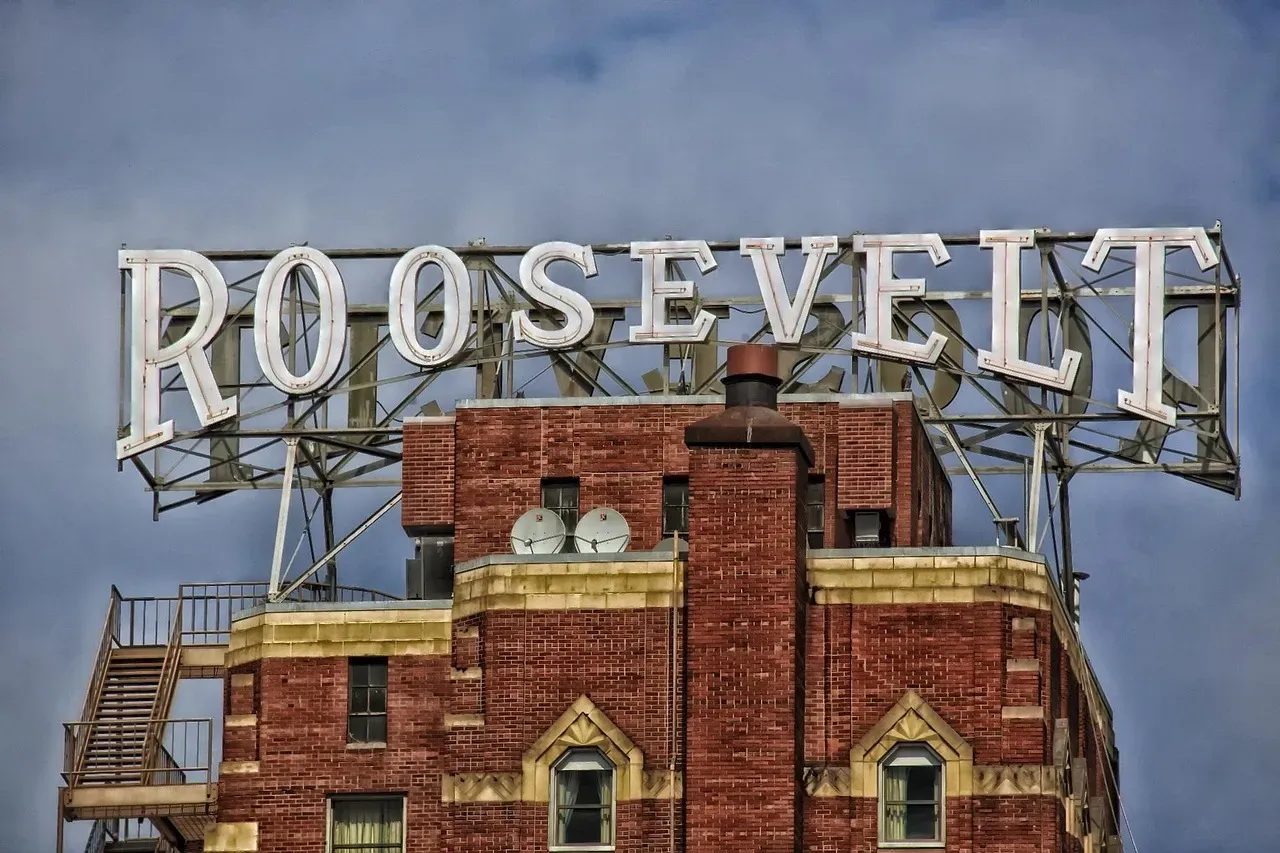
Many people imagine the first Oscars as a smaller version of today’s telecast. The first ceremony, held in May 1929 at the Hollywood Roosevelt Hotel, was a private dinner for a few hundred guests. The handing out of the awards took around fifteen minutes.
There was no suspense, either. The winners had been announced about three months earlier. The sealed envelope tradition came later, and radio and television turned the night into a public event.
Partner offer
5. Best Picture Doesn’t Always Go With Best Director

It feels logical that the film voted best of the year would also have the best director. Often they do match, but not always. In 2019, Green Book won Best Picture while Alfonso Cuarón took Best Director for Roma.
Part of the reason is how Best Picture is counted. The category uses a ranked choice ballot, and it can have up to ten nominees. A broadly liked film can win there without being anyone’s absolute favorite for direction.
6. It Isn’t Just an American Film Contest
A common assumption is that the Oscars are essentially a Hollywood prize for English language movies. Parasite ended that idea in 2020 when it became the first foreign language film to win Best Picture. In 2024, The Zone of Interest and Anatomy of a Fall both earned Best Picture nominations.
The following awards season added more evidence. Emilia Pérez received thirteen nominations in 2025, the most ever for a film not in English. The Academy’s membership is also international, which helps explain the shift.
7. Meryl Streep Doesn’t Hold the Record for Most Wins

Streep is famous for nominations, and that reputation gets mixed up with wins. She has twenty one acting nominations, the most of any performer, but three wins. Katharine Hepburn still holds the record for acting wins with four.
The overall record belongs to someone else entirely. Walt Disney won twenty two competitive Oscars and received four honorary ones, for twenty six in total. No individual has come close since.
8. The List of Categories Isn’t Frozen
Many viewers treat the lineup of awards as permanent. It has changed repeatedly, and it’s still changing. A casting category was added for the ceremony honoring 2025 films, the first new competitive category in years.
The Academy also announced in 2025 that stunt design will become an Oscar category. It’s set to debut at the ceremony honoring 2027 films. Stunt performers had campaigned for that recognition for a long time.
9. Box Office Success Doesn’t Decide the Winners

People often assume the biggest hit takes the top prize, or the reverse, that the Academy only rewards films nobody saw. Neither is a rule. Best Picture winners span blockbusters and modest releases, and results depend on how members rank their choices.
Anora won Best Picture in 2025 after a limited theatrical run compared with major franchise films. Titanic, in 1998, earned the top prize while also being the highest grossing film of its time. Commercial success matters far less than the ballot math suggests.
Partner offer
Planning a trip to Vegas?
Compare hotel rates and show tickets on VEGAS.com.