Video games used to be treated as risky source material for television, plagued by decades of adaptations that missed the mark. That reputation has quietly fallen apart over the past few years, as studios figured out how to translate interactive storytelling into something that works on the small screen too. From prestige HBO dramas to stylish anime spinoffs, the shift has been fast and, by most measures, surprisingly successful.
The Last of Us
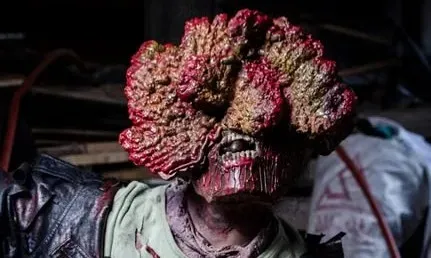
HBO’s adaptation of Naughty Dog’s post-apocalyptic saga became the clearest sign that game-to-TV projects could earn both critical respect and mainstream attention. The original game stood out for its grounded storytelling and the evolving bond between Joel and Ellie, something the series treats as its backbone, with its biggest strength being how faithfully it recreates that emotional core while giving certain moments more space to breathe. Pedro Pascal and Bella Ramsey led the first season, which adapted the original 2013 game.
The second season, officially announced in January 2023, adapted portions of the 2020 video game The Last of Us Part II and consisted of seven episodes. It premiered on April 13, 2025 with the episode “Future Days” and concluded on May 25, 2025 with its finale, “Convergence.” Given the scope of the source material, HBO executive Francesca Orsi indicated the series will likely span four seasons, since the second game was considered too expansive to fit into a single television season.
Arcane
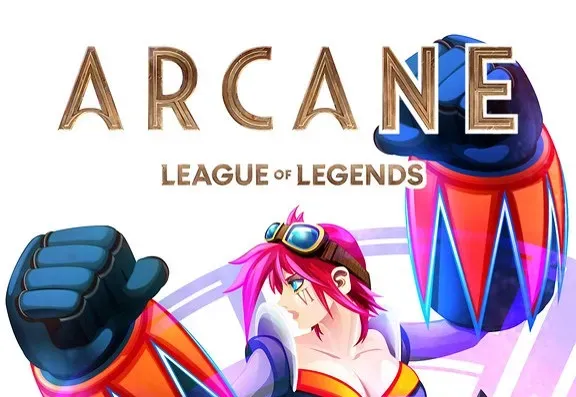
Riot Games took a different route with its League of Legends universe, opting for animation rather than live action. Arcane followed the fractured cities of Piltover and Zaun and the sisters Vi and Jinx, whose relationship anchored the show’s emotional weight. The series first arrived in 2021 and closed out its story with a second and final season in 2024.
What set Arcane apart was its refusal to treat the game’s lore as a checklist. Instead, the writers built an original narrative around existing characters, giving newcomers an entry point without alienating longtime players. It picked up multiple Emmy Awards for animation and is often cited alongside The Last of Us as proof that game adaptations can be genuinely prestige television rather than a marketing tie-in.
Halo
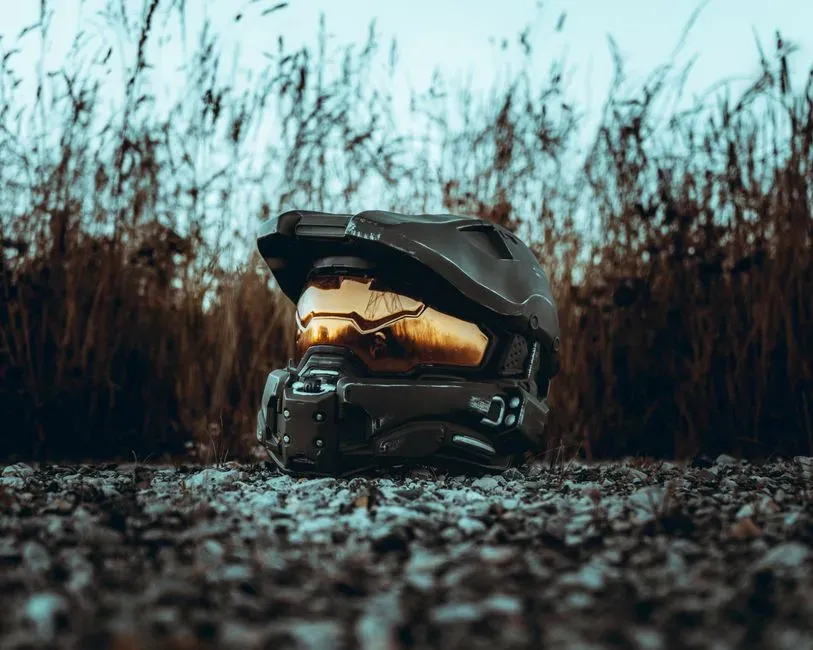
Paramount+ spent years developing a live-action take on Microsoft’s flagship sci-fi shooter before finally releasing it in March 2022. The series starred Pablo Schreiber as Master Chief and reimagined the Halo universe with a heavier focus on human drama, political intrigue, and the ethics of the Spartan program. It diverged from the games in several notable ways, which drew a mixed reaction from longtime fans of the franchise.
A second season followed in 2024, refining the pacing and leaning further into the war between humanity and the alien Covenant. Despite the uneven critical reception, the show found enough of an audience to justify its continuation, and it remains one of the more ambitious attempts to build a sprawling shared universe out of a game franchise known primarily for multiplayer combat rather than narrative depth.
Resident Evil
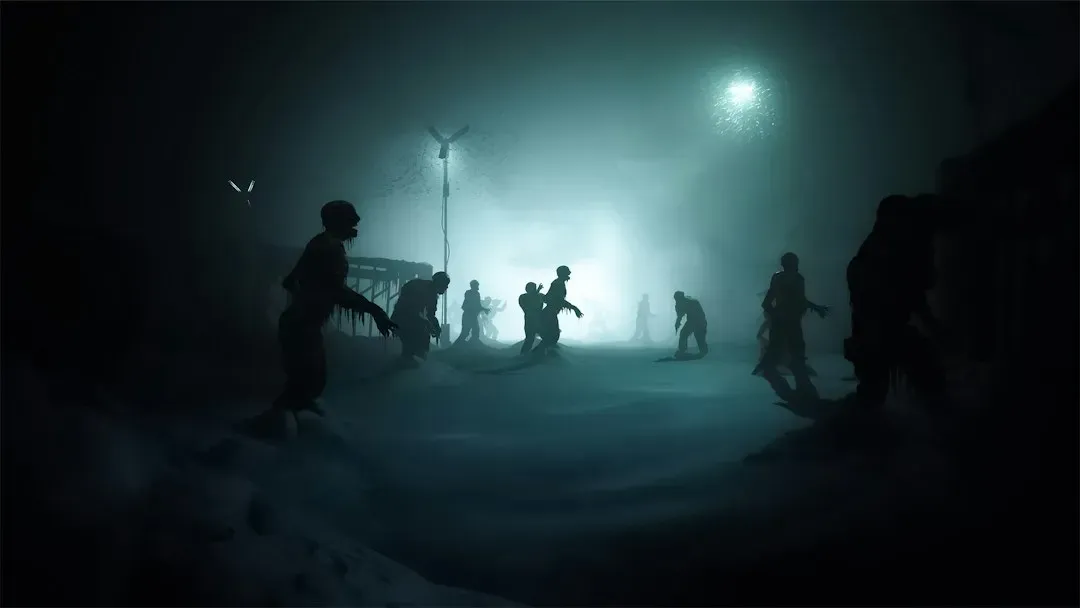
Netflix took its own swing at Capcom’s zombie franchise with a live-action series released in July 2022. The show split its story across two timelines, following sisters Jade and Billie Wesker as teenagers and later as adults navigating a world overrun by infected creatures. It borrowed character names and corporate villains from the games but largely told an original story.
The reception was lukewarm at best, and Netflix cancelled the series after a single season. Its quick exit stands as a reminder that not every adaptation lands, even when the source material has decades of built-in name recognition. Still, the attempt fits into the broader pattern of streamers testing video game IP as a way to draw in built-in audiences.
Twisted Metal

Peacock’s take on Sony’s demolition-derby game franchise leaned hard into comedy, casting Anthony Mackie as a wisecracking courier navigating a post-apocalyptic America filled with armed vehicles and gladiatorial combat. The 2023 series took considerable creative liberties, transforming a mostly plotless arcade game into a buddy comedy with action set pieces built around vehicular combat.
Critics generally responded well to the show’s tone, which balanced absurd humor with genuine stakes. A second season arrived in 2025, continuing the story and expanding the cast of iconic vehicles and drivers from the games. It’s a smaller, less discussed entry compared to shows like The Last of Us, but it demonstrates that adaptations don’t need to be somber to succeed.
Fallout
Amazon’s adaptation of Bethesda’s long-running role-playing series became one of the platform’s biggest success stories. The post-apocalyptic dramedy series launched in April 2024 to rave reviews and a surprising lack of controversy, though some diehard fans of the games were upset by changes to lore. By the time Season Two arrived, Fallout Season One had accumulated more than 100 million viewers worldwide, ranking among the service’s top three most-watched titles ever.
The second season premiered on December 16, 2025, with eight episodes releasing weekly, culminating in a season finale on February 3, 2026. Amazon MGM Studios and Kilter Films secured an early Season Three renewal ahead of that second season’s debut. The new season took viewers on a journey through the wasteland of the Mojave to the post-apocalyptic city of New Vegas, pulling directly from one of the most beloved entries in the game series.
Partner offer
Castlevania: Nocturne

Konami’s gothic action franchise had already proven itself as animated TV material with the original Castlevania series, which wrapped up in 2021 after four seasons on Netflix. Rather than end there, the creative team returned with a spiritual successor set generations later, called Castlevania: Nocturne, which debuted in 2023.
The new series shifted its setting to the French Revolution and introduced fresh protagonists while retaining the moody animation style and vampire mythology that made the original a fan favorite. A second season followed in 2025, expanding the story further. It’s a good example of a studio building on an established adaptation rather than starting an entirely new IP from scratch, which has become a smart way to keep audiences engaged without risking a cold launch.
Devil May Cry
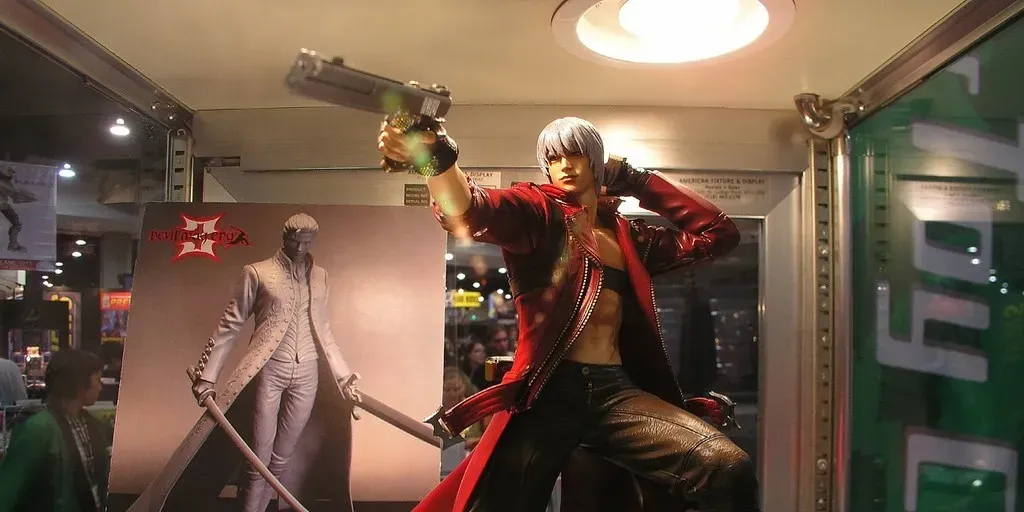
Netflix and Adi Shankar, the producer behind the Castlevania series, brought Capcom’s stylish demon-hunting franchise to animated television in 2025. The show centers on Dante, the franchise’s wisecracking, sword-and-gun-wielding protagonist, and leans into the same blend of over-the-top action and dark humor that defined the games.
Reviews were generally positive, with many praising the animation’s fluidity during combat sequences and the voice cast’s handling of Dante’s irreverent personality. The series arrived at a moment when animated game adaptations had already built credibility through Castlevania and Arcane, giving it a smoother path to acceptance than earlier attempts at bringing action games to television might have had. The wave of adaptations shows little sign of slowing. Amazon has a Tomb Raider series in the works, Netflix is developing a live-action Assassin’s Creed show with production underway in 2026, and reports point to a Persona adaptation and other projects still finding their footing. Whether each one lands the way The Last of Us or Fallout did remains to be seen, but the format has clearly moved past its rocky reputation and into something studios now treat as a serious bet.
Partner offer
Planning a trip to Vegas?
Compare hotel rates and show tickets on VEGAS.com.