There’s something almost stubborn about musicians who refuse to overthink a recording. While plenty of famous records took months or years of studio tinkering, a handful of artists walked in, plugged in, and walked out with a finished album before the sun went down. These sessions weren’t always born from confidence. Sometimes it was a tight budget, a rented studio with a ticking clock, or simply an artist who believed the first take was usually the truest one. What follows is a look at nine albums that came together of recording. Some are now considered landmarks of their genre, others remain cult favorites known mostly to musicians and collectors. All of them prove that speed and quality aren’t always at odds.
1. Please Please Me – The Beatles (1963)
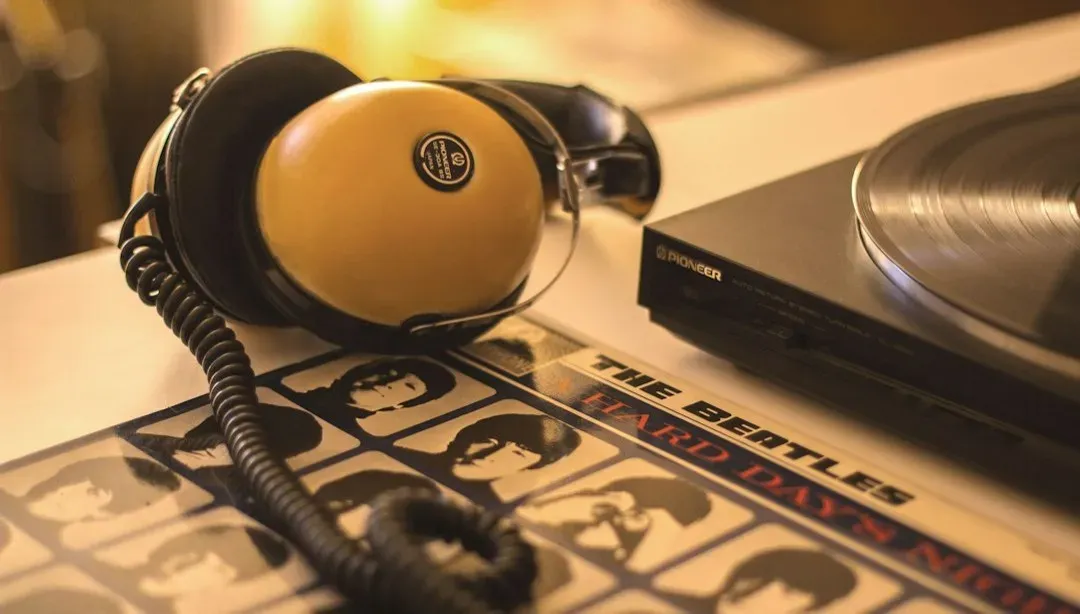
The Beatles’ debut studio album is probably the most famous entry on any list like this. As we all know, Please Please Me was recorded, start-to-finish, in just over 10 hours. George Martin booked the session to capture the band’s live set as closely as possible, and the group barreled through the tracklist with barely a break.
John Lennon reportedly had a sore throat by the end of the day, which you can actually hear on the raspy vocal for “Twist and Shout,” recorded near the session’s close. The urgency shows, but not in a bad way. It gives the record a rawness that later, more polished Beatles albums simply don’t have.
2. My Aim Is True – Elvis Costello (1977)
Elvis Costello’s debut is another frequently cited example, though the story is a bit more layered than the “one day” shorthand suggests. My Aim Is True was recorded at Pathway Studios, Islington in a total of 24 hours’ studio time and at a cost of £2000, with sessions taking place on sick days and holidays during late 1976 and early 1977. Costello was still working a day job as a computer operator at the time, which explains the stealthy scheduling.
The album was recorded from late 1976 to early 1977 over six four-hour studio sessions at Pathway Studios in Islington, London. So while the total clock time adds up to a single working day, it was spread across weeks. Even so, the finished record has the tight, unfussy feel of something built in one sitting, and it’s often grouped with true one-day albums for that reason.
3. Blue Train – John Coltrane (1957)
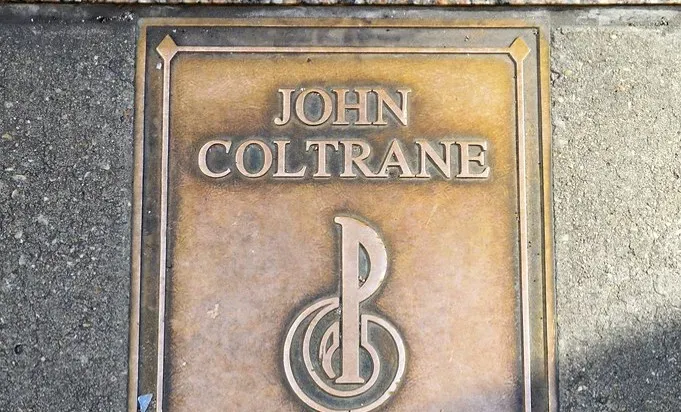
Jazz musicians in the 1950s worked under a different set of expectations than rock bands do now. Studio time was expensive and union rules were strict, so recording an entire album in a single session, often just a few hours, was standard practice at labels like Blue Note. John Coltrane’s Blue Train, cut at Rudy Van Gelder’s studio in Hackensack, New Jersey, followed that exact model.
The band, which included Lee Morgan and Curtis Fuller, ran through the material in one extended session and left with what became one of the defining hard bop records of the decade. There’s a looseness to the interplay that only comes from musicians reacting to each other in real time, without the luxury of overdubs or second-guessing.
4. 6 and 12 String Guitar – Leo Kottke (1969)
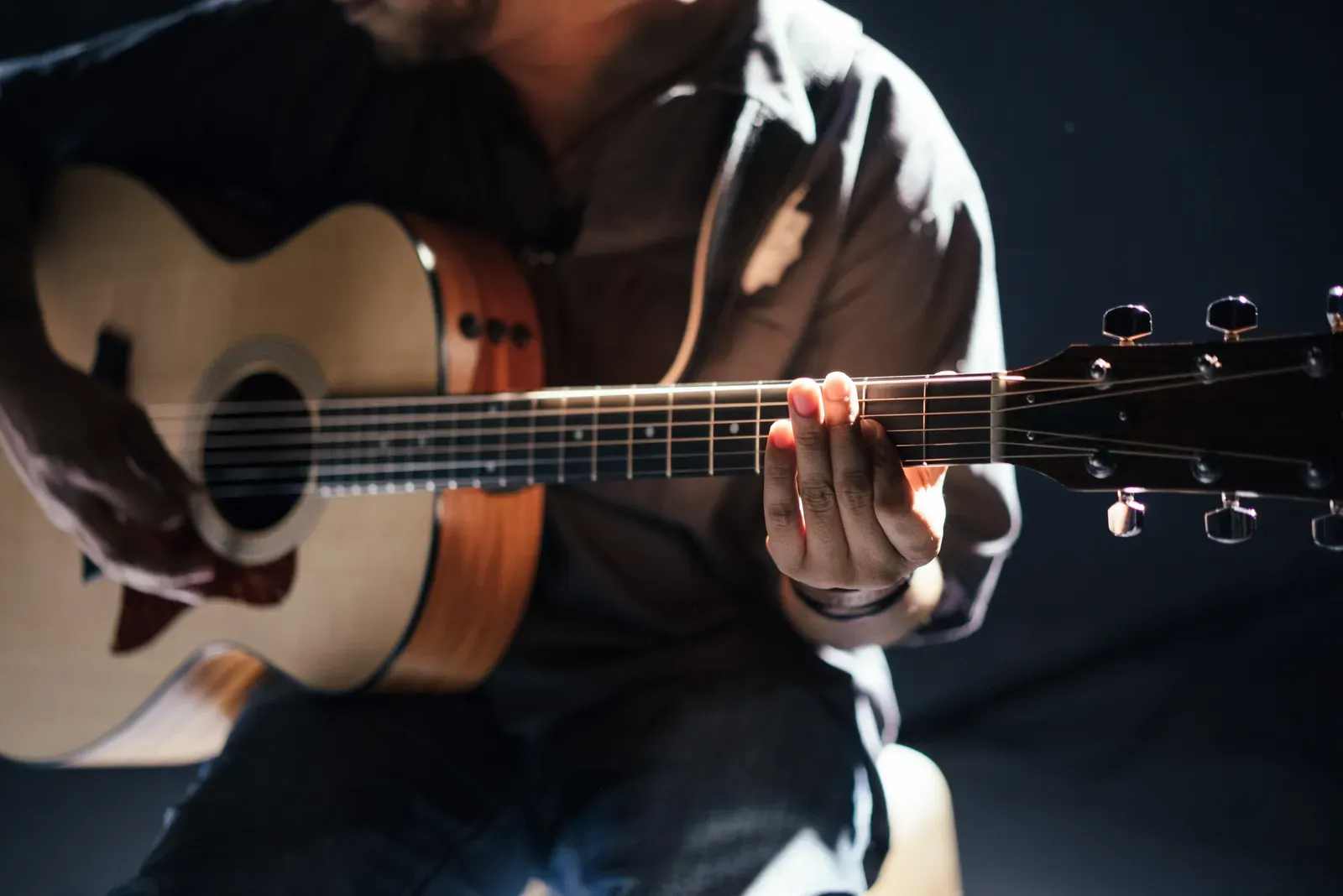
Leo Kottke’s early instrumental guitar records are still held up as technical benchmarks, and his breakthrough album has long carried a reputation as a one-day session. Recorded cheaply and quickly, the album showcased Kottke’s percussive fingerpicking style with almost no studio polish layered on top.
That bare-bones approach turned out to be a selling point rather than a limitation. Guitarists still study the record decades later, partly because the performances feel so immediate, like you’re sitting a few feet away while he plays.
5. Gunfighter Ballads and Trail Songs – Marty Robbins (1959)
Marty Robbins built his reputation on storytelling songs, and his concept album about outlaws and gunslingers has circulated for years among musicians as a quick, focused session. The record leans on spare arrangements, mostly acoustic guitar and light percussion, which made a fast recording process realistic in the first place.
Partner offer
“El Paso,” the album’s most enduring track, went on to win a Grammy and remains a country radio staple. It’s a reminder that a record doesn’t need weeks of overdubs to produce a song that outlives its era by decades.
6. Lead Me On – Kelly Joe Phelps (1994)
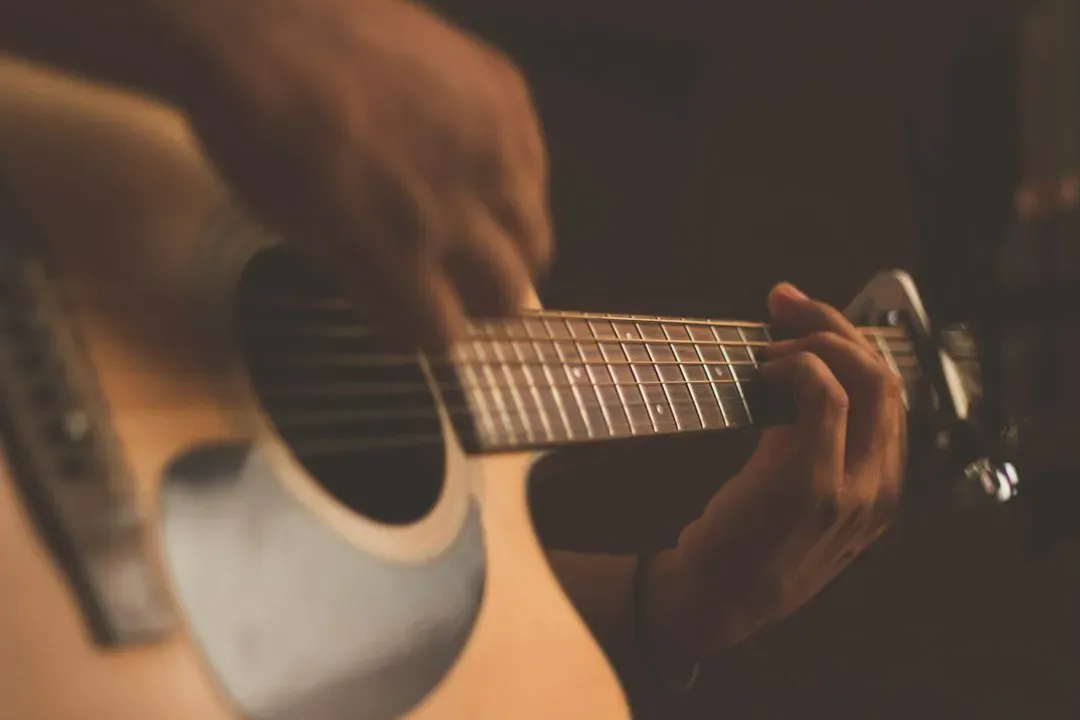
Kelly Joe Phelps built a career on stripped-down slide guitar and blues phrasing, and his early album Lead Me On fits that minimalist ethos completely. According to musicians who’ve discussed the record over the years, it was recorded in his own living room , with none of the layering typical of studio blues records.
That domestic setting suits the material. The songs feel intimate rather than performed, closer to an evening spent listening to someone play for themselves than a formal studio recording.
7. A Meeting by the River – Ry Cooder and V.M. Bhatt (1993)
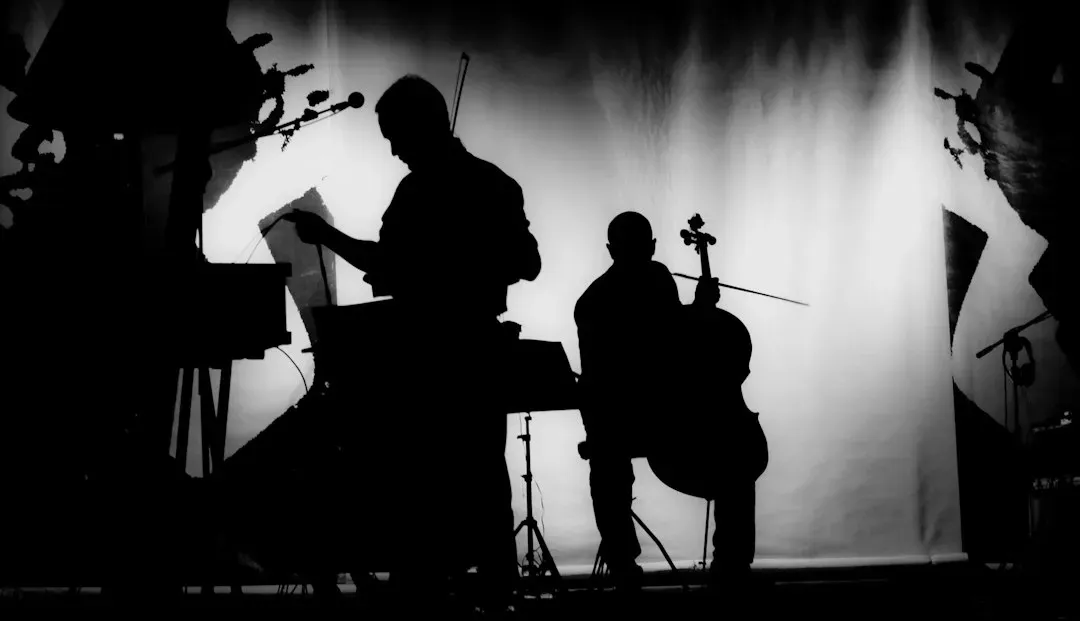
This collaboration between American slide guitarist Ry Cooder and Indian classical musician V.M. Bhatt is a genuinely unusual case. The two had never played together before entering the studio, and the entire album of largely improvised pieces was captured in a single session at Cooder’s home studio.
The record went on to win the Grammy Award for Best World Music Album, which is a fairly remarkable outcome for a project built entirely on spontaneous chemistry. There was no rehearsal to speak of, just two musicians finding common ground between blues and Indian raga in real time.
8. One Day – Fucked Up (2023)
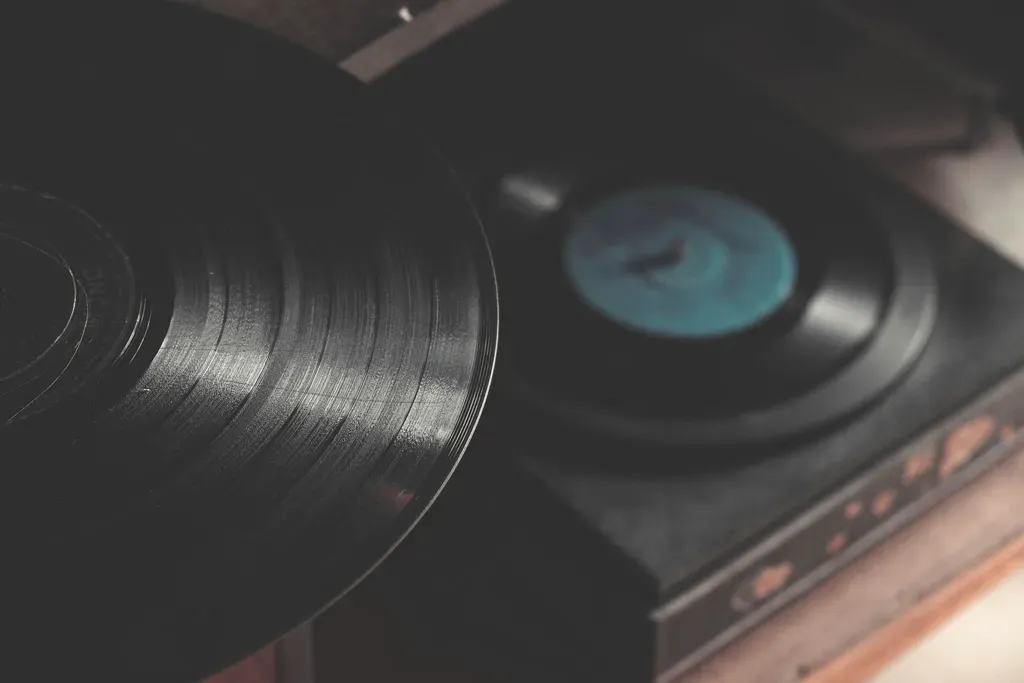
Canadian post-hardcore band Fucked Up took the “single day” concept and turned it into an actual creative constraint rather than a budget necessity. The guitars of the album were recorded one day in December 2019 at Candle Studios in Toronto, while the bass and vocals were recorded in February 2020 at Palmer Stone Studios and Candle Stone Studios, respectively.
Each instrumental layer had its own dedicated 24-hour window, which is a more structured approach than most bands attempting a rush job. The finished album, One Day, was well received by contemporary music critics, earning universal acclaim on Metacritic and AnyDecentMusic. The concept clearly resonated, since the band didn’t stop there.
9. Another Day – Fucked Up (2024)
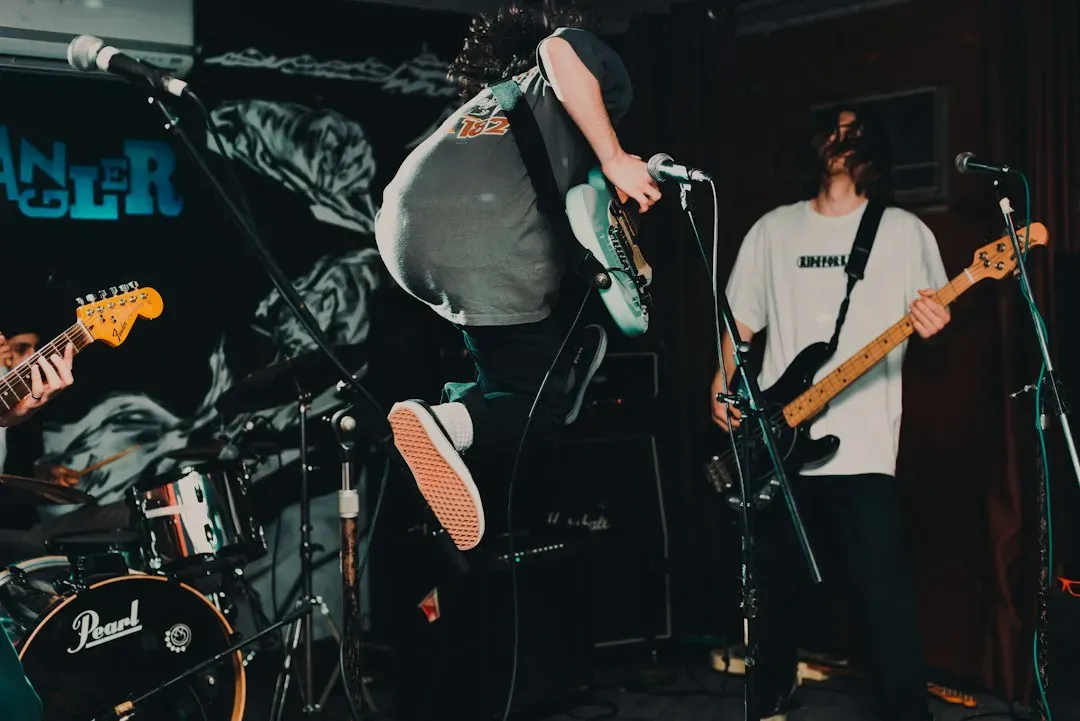
Fucked Up doubled down on their one-day recording method with a direct sequel to One Day, released the following year. Produced by guitarist Mike Haliechuk, the album was self-released on August 9, 2024, and is a direct sequel to One Day, using the same recording approach where each band member recorded their respective studio parts within a strict 24-hour timeframe.
It’s a rare case of a band treating a recording constraint not as a one-off experiment but as an ongoing method worth repeating. The pair of albums, One Day and Another Day, effectively turned a practical limitation into a signature production style, something few other acts have attempted twice in a row.
Speed doesn’t guarantee greatness, and plenty of one-day sessions have vanished without a trace. What connects the records on this list is less about the clock and more about the mindset behind it. Whether it was money, opportunity, or plain stubbornness, each of these artists trusted their first instincts enough to let them stand as the final version.Partner offer
Planning a trip to Vegas?
Compare hotel rates and show tickets on VEGAS.com.