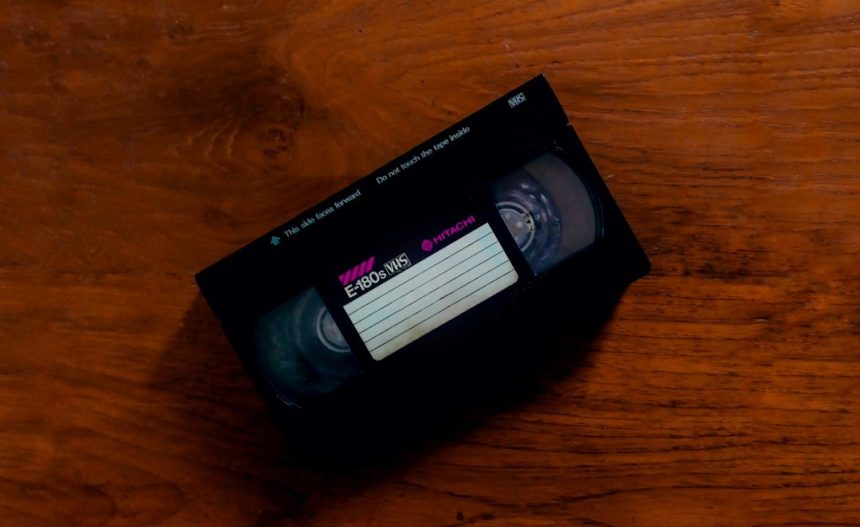
Long before anyone tapped a remote to start a film, watching a movie at home took planning, equipment, and sometimes a bit of luck. The options changed a lot between the 1920s and the 2000s, and each one left its own habits behind.
Here are eight of the main ways people did it, roughly in the order they appeared. Some were rare luxuries, and others became part of ordinary weekend routines.
Home Movie Projectors
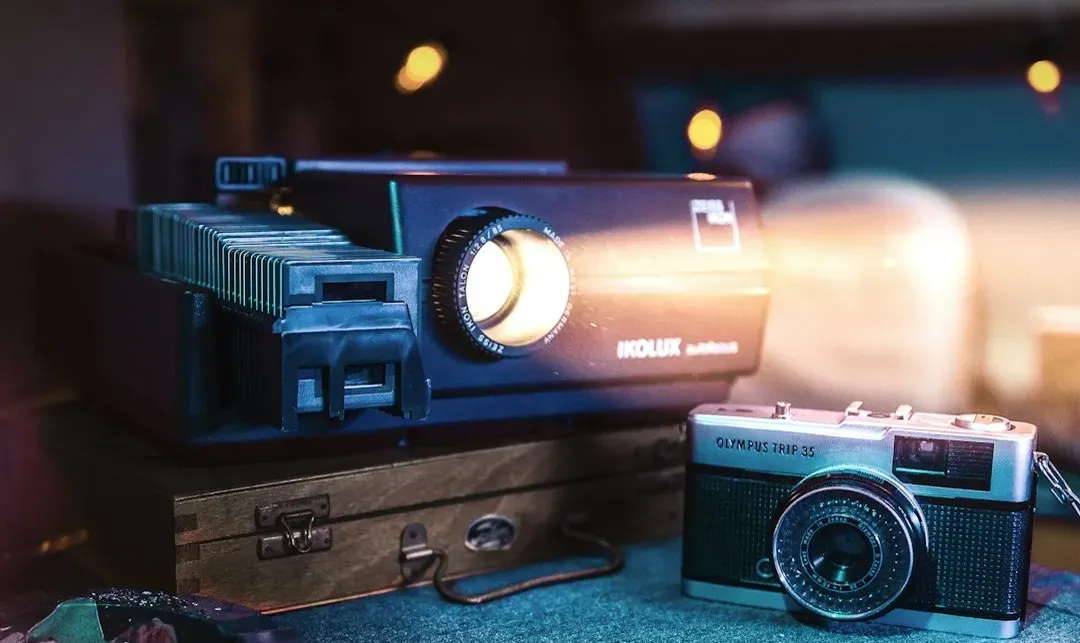
Home projection started in the early twentieth century, when companies sold small film formats for family use. Kodak introduced 16mm film in 1923, and 8mm followed in 1932, which made home equipment cheaper and easier to handle. Families could rent or buy shortened versions of films, as well as shoot their own.
The experience was a production in itself. You set up a screen or a bare wall, threaded the reel, and dimmed the lights. Feature films were usually cut down heavily, so you often watched a condensed version rather than the whole movie.
Television Broadcasts
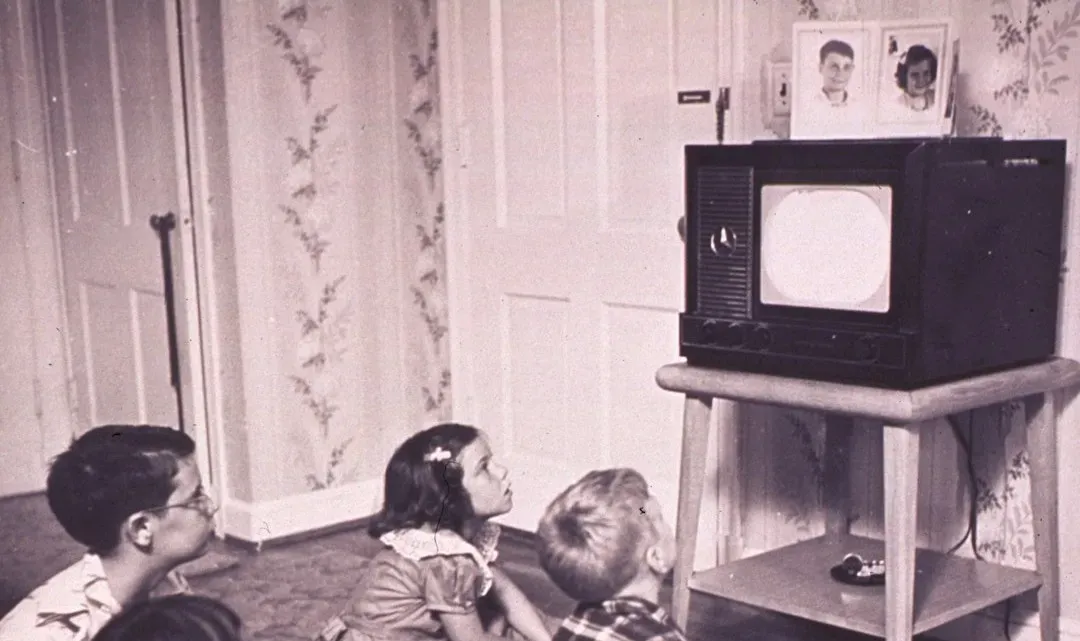
Once television spread through households after World War II, movies reached the living room without any equipment beyond the set. In the United States, networks began airing films in prime time in the 1950s and 1960s. NBC’s Saturday Night at the Movies, launched in 1961, is a well known example of that shift.
The trade off was control. You watched on the broadcaster’s schedule, with commercial breaks, and edits for time or content were common. Missing the start meant missing it.
Videocassette Recorders
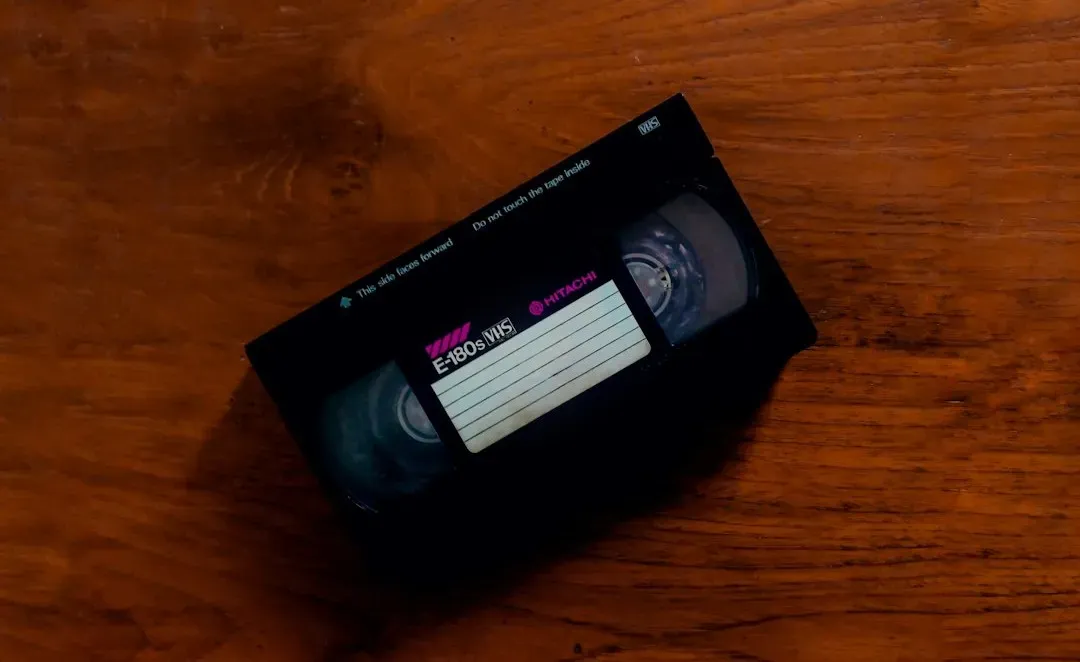
The VCR changed the rules by letting people record broadcasts and watch them later. Sony’s Betamax arrived in 1975, and JVC’s VHS followed in 1976. The two formats competed for years, and VHS eventually won the market.
Time shifting became an everyday habit. A famous legal dispute, Sony Corp. v. Universal City Studios, reached the US Supreme Court, which ruled in 1984 that home recording for later viewing was lawful.
Video Rental Stores
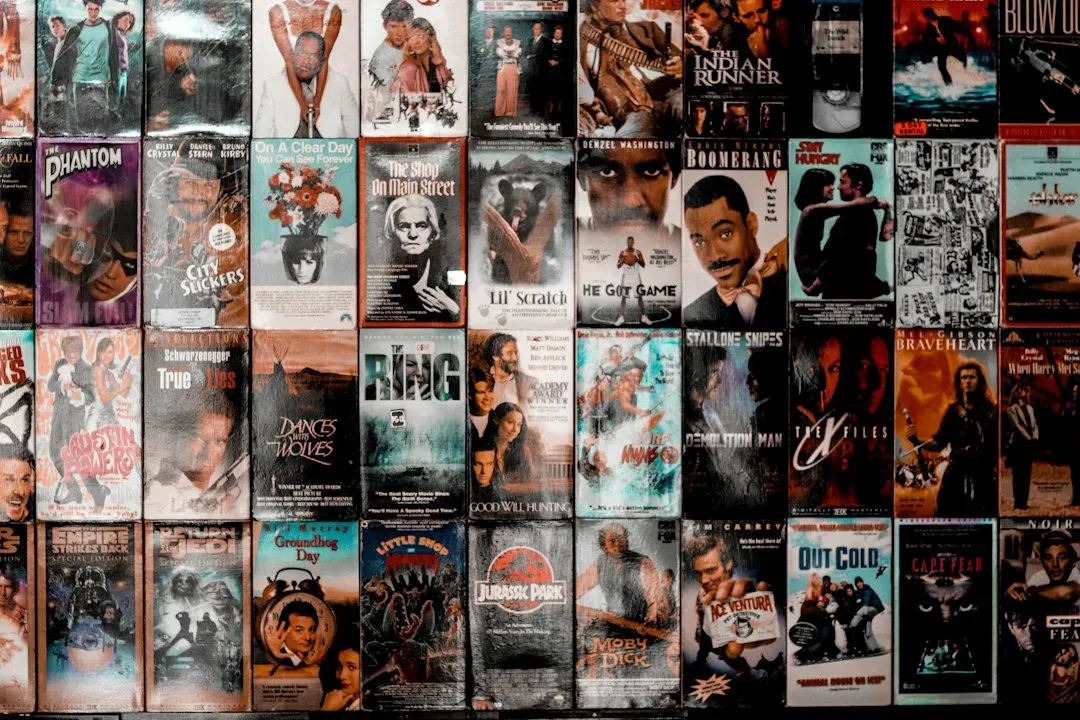
Renting a tape turned a trip to the store into a social ritual. Blockbuster, founded in 1985, grew into a huge national chain, though independent shops flourished too. Browsing shelves, reading the backs of boxes, and hoping the new release was still in were all part of the evening.
Late fees were infamous, and popular titles often ran out on Friday nights. Still, rentals gave ordinary viewers access to far more films than television ever scheduled.
Premium Cable and Pay Channels
Pay channels offered films without ads and often soon after theatrical runs. HBO began in 1972 and expanded nationally by satellite in 1975, helping build a market for subscription movie services. Others like Showtime and The Movie Channel followed.
Subscribers still followed a programming schedule, so the same film might repeat across the month. For many households, this was the closest thing to a built in movie library before on demand options came along.
Laserdiscs
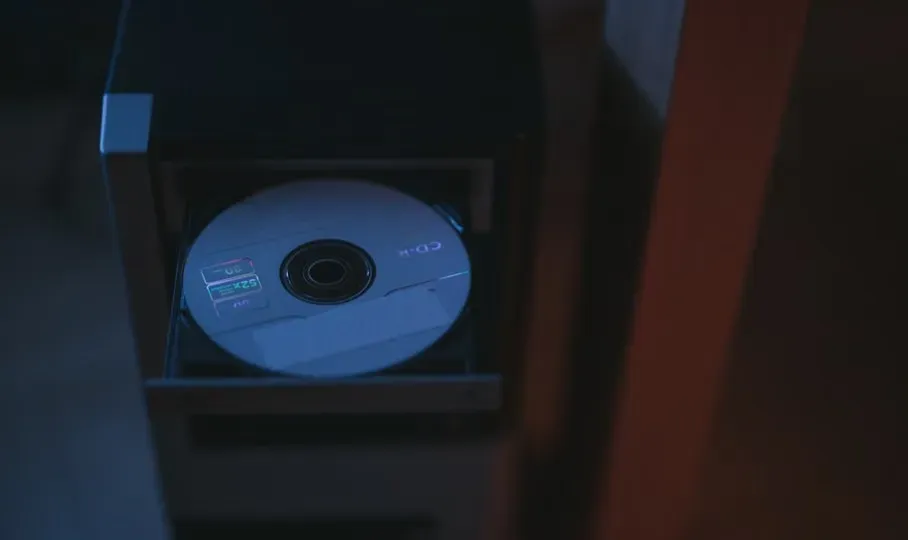
Laserdisc was an early optical format with a loyal following among film fans. It launched commercially in the United States in 1978, and discs were large, about twelve inches across. They offered better picture quality than VHS for much of their life.
Many releases included commentary tracks and widescreen presentations, features that later became standard on DVD. High prices and bulky discs kept the format a niche pursuit rather than a mass market choice.
DVDs and Blu-ray Discs

DVD arrived in the United States in 1997 and grew quickly because it was compact, durable, and offered sharper picture and sound. Players became cheap, and the format largely replaced VHS in the early 2000s. Extras like deleted scenes, menus, and multiple languages became a selling point.
Blu-ray later added high definition, and it won a format war with HD DVD, which Toshiba abandoned in 2008. Disc sales were strong for years, though they have declined sharply as digital options expanded.
Mail Order Rentals and Pay Per View
Before streaming, two services let people skip the store. Pay per view let cable customers order a film for a one time fee, while Netflix began renting DVDs by mail in 1998 and moved to a subscription model in 1999. Its red envelopes became a familiar sight.
Mail rentals removed late fees and offered a huge catalog, but you waited a few days between discs. Netflix introduced its streaming service in 2007, which gradually ended the era this list describes.