MTV built its reputation on pushing boundaries, but the network also drew lines it wasn’t willing to cross. Over four decades, plenty of clips made it to air only to get yanked, trimmed, or quietly shuffled off to late-night slots once complaints started rolling in. Some of these stories are about sex, some about violence, and a few are just about bad timing. What follows is a look at nine videos that ran into trouble with MTV’s censors, along with the specific reasons each one got pulled.
Michael Jackson, “Black or White” (1991)
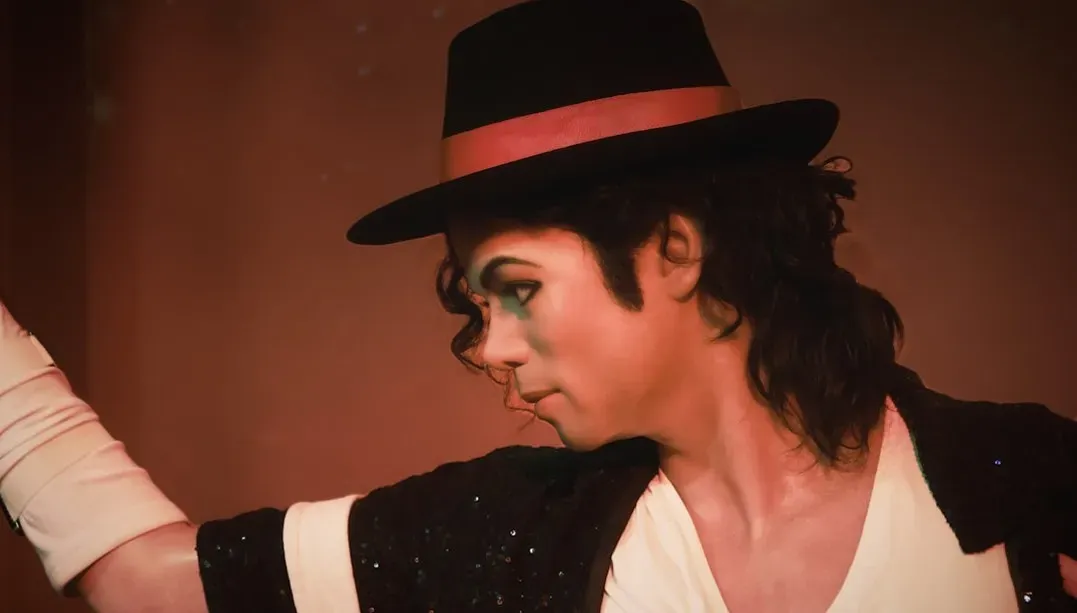
When Michael Jackson’s eleven minute epic premiered simultaneously on MTV, BET, and Fox in November 1991, it was seen by an estimated 500 million viewers worldwide. The bulk of the controversy centered on the final segment, where Jackson transforms into a black panther before launching into a dance sequence.
During that closing stretch, Jackson breaks a storefront window with a garbage can, vandalizes an abandoned car and repeatedly grabs his crotch. The backlash was swift. By the next morning, Jackson had agreed to cut the full dance sequence from all future airings of the video following an outcry from parents’ groups and major media outlets. For years afterward, only the trimmed version aired anywhere.
Madonna, “Justify My Love” (1990)
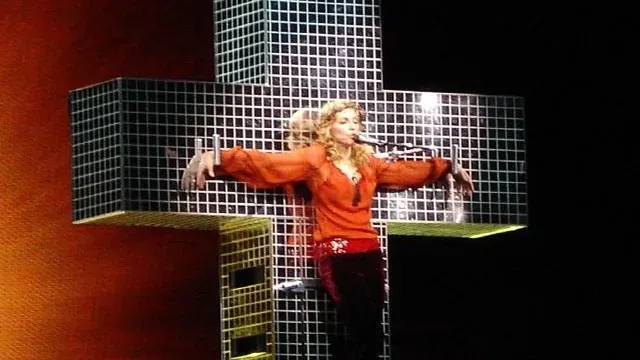
Madonna’s black and white clip for “Justify My Love” featured her opposite then boyfriend Tony Ward in a moody Parisian hotel scene loaded with suggestive imagery. On November 27, MTV formally announced that it had banned the video, not edited, not relegated to late-night programming, but banned, with executives writing in a statement that “This one is not for us.”
Rather than let it disappear, Madonna took her case public. Madonna debuted her controversial video for “Justify My Love” on Nightline after MTV refused to air it, providing commentary as the clip played and answering questions from host Forrest Sawyer. The stunt worked out well for her financially, since the clip went on to become a bestselling video single of its era.
Pearl Jam, “Jeremy” (1992)
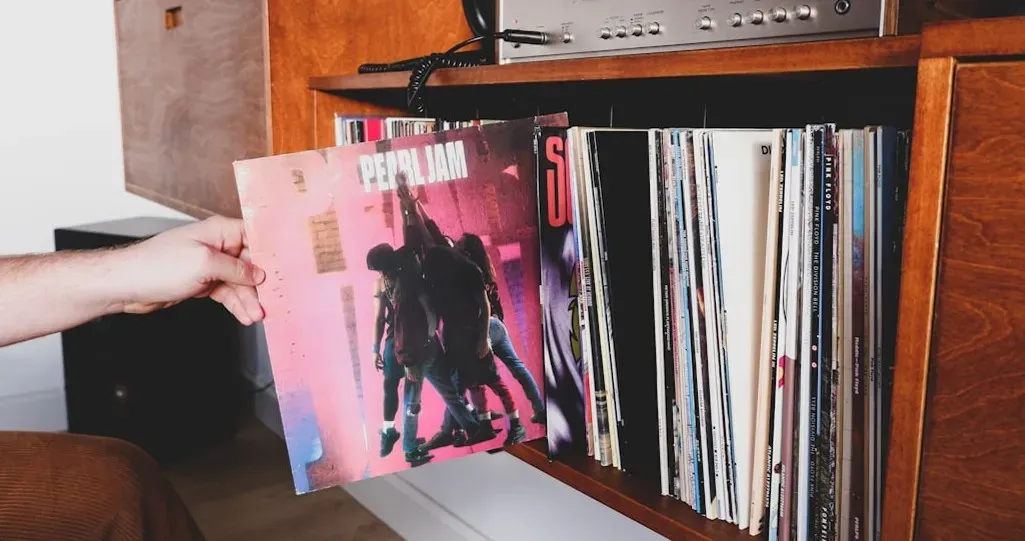
Directed by Mark Pellington, the video for “Jeremy” told a fictionalized version of a real Texas high school student’s death and won Video of the Year at the 1993 MTV Video Music Awards. Even so, the network wasn’t comfortable airing it uncut. MTV balked at the sight of Jeremy putting the gun in his mouth, and it was removed, although the final images of the kids remained.
That single cut created decades of confusion. The edit quickly became a source of confusion, with some viewers mistakenly interpreting the ending to mean Jeremy had shot his classmates instead of himself. Pearl Jam finally released the uncensored version in 2020, nearly thirty years after the original aired.
Nine Inch Nails, “Closer” (1994)
Trent Reznor’s “Closer” pushed further into explicit territory than most videos MTV had encountered up to that point. The imagery included needles threading through people’s skin and even blurry images that led MTV to ban it from airing due to the graphic nature of the video. It was a rare case where even a heavily edited version still couldn’t clear the network’s standards.
Years later, MTV’s own sister network softened its stance. However, in a series about the most controversial music videos of all time, MTV2 showed the full video. That reversal said a lot about how much the cultural threshold for shock value had shifted by the early 2000s.
Tool, “Prison Sex” (1993)
What makes Tool’s “Prison Sex” stand out on this list is that it contained no nudity and no depicted violence, yet still got pulled. “Prison Sex” is one of the few rock music videos on our list that was banned despite not featuring any nudity or violence, since this extremely creative stop-motion film from Tool was thought-provoking and disturbing, and according to MTV, that was enough to ban it from their network.
The stop-motion animation alluded to themes of child abuse through a robotic doll figure, which was apparently unsettling enough on its own. Ironically, the ban didn’t stop industry recognition. The video ended up winning an MTV Video Music Award for Best Special Effects in 1995.
Partner offer
Foo Fighters, “Low” (2003)

Not every banned video needed shocking violence or explicit sex to get pulled. Dave Grohl and Jack Black simply pushed things too far with slapstick chaos. “Low” never gets too crazy, though it does depict Dave Grohl and Jack Black in drag, getting wasted, and tearing apart a hotel room, and MTV banned it in 2003.
The clip’s tone was comedic rather than dark, which made the ban feel a bit out of step with the more genuinely disturbing videos MTV had let slide over the years. Still, the network drew its line at cross-dressing and destructive antics, even in a mostly playful package. Foo Fighters largely shrugged it off, and the video circulated widely online regardless.
Queen, “I Want to Break Free” (1984)
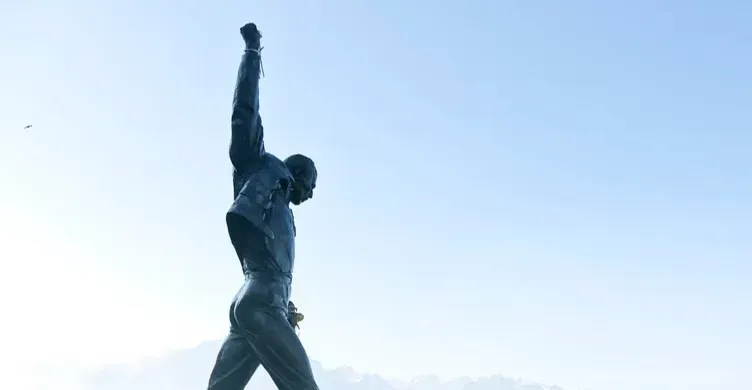
Queen’s video found the band dressed in drag, spoofing the British soap opera Coronation Street, with Freddie Mercury in particular embracing the gender bending concept. MTV banned the video as they believed it promoted “cross-dressing” when they were just parodying the popular British television soap, Coronation Street.
The irony is that American audiences largely missed the joke entirely, since Coronation Street wasn’t a show most US viewers would have recognized. What was meant as gentle British comedy read as something far more provocative once it crossed the Atlantic. The video has since become an enduring touchstone, particularly within LGBTQ+ culture.
Duran Duran, “Girls on Film” (1981)
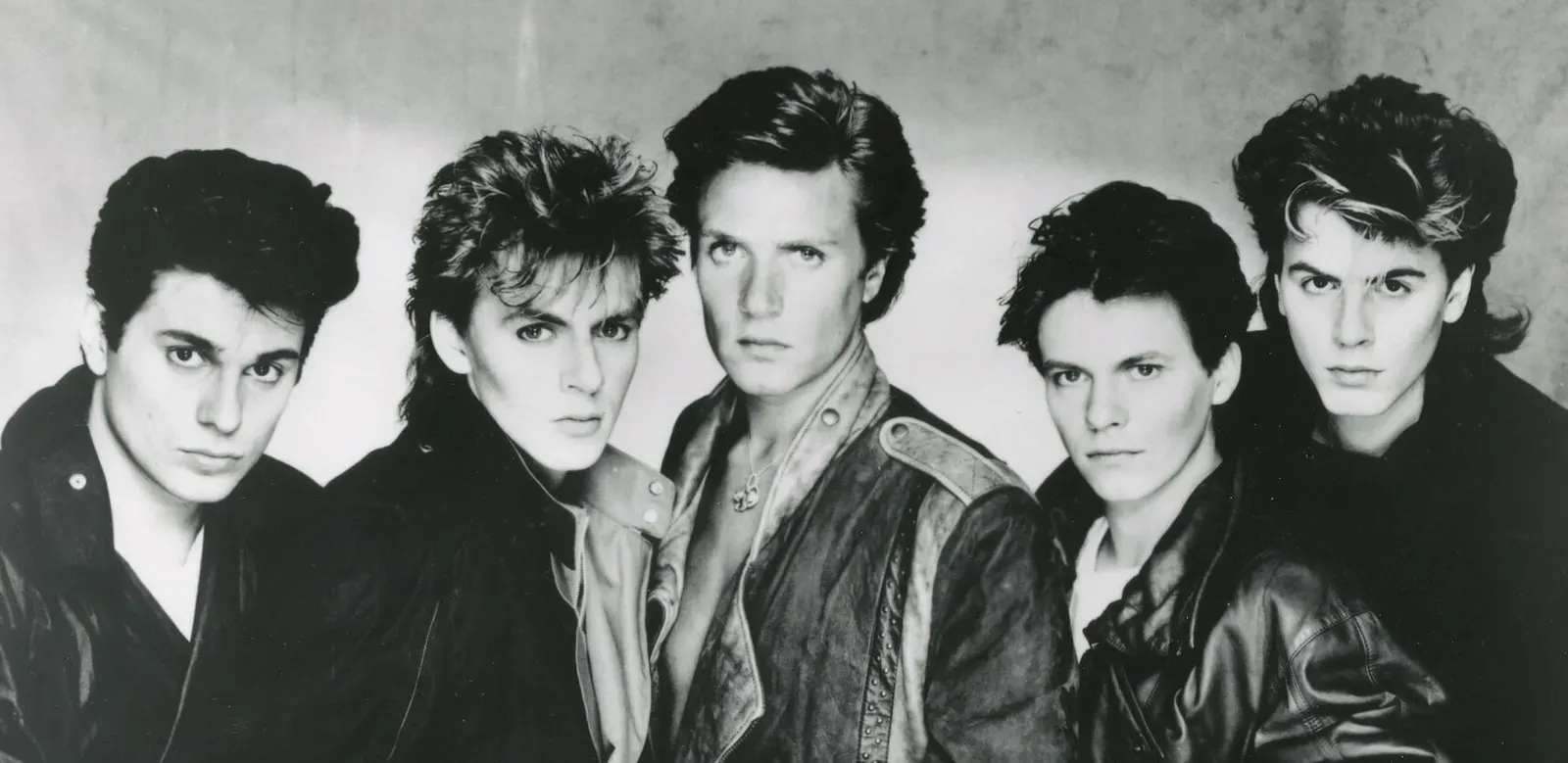
Made before MTV even existed, this clip was originally intended for club screens rather than television. “Girls on Film,” Duran Duran’s first huge hit, was heavily edited down by MTV and banned altogether by the BBC, given that it was filmed right before MTV launched in 1981 for use in nightclubs and not TV airplay.
The uncut version included overtly sexual imagery that simply had no place on broadcast television in the early eighties. MTV’s decision to air a heavily trimmed cut rather than reject it outright reflected the network’s early instinct to compromise rather than lose access to buzzworthy new wave acts. The BBC took the harder line and banned it entirely.
Motley Crue, “You’re All I Need” (1987)
Unlike most Motley Crue controversies, this one had nothing to do with the band’s usual excesses. Motley Crue’s “You’re All I Need” banning had nothing to do with sexual content, and instead the clip was vetoed by MTV due to its violent nature, with a plot centered on an abusive relationship that eventually ended in murder, a concept the network found too intense to air.
Bassist Nikki Sixx pushed back on the characterization at the time, insisting the clip wasn’t glorifying the tragedy it depicted. “‘You’re All I Need’ doesn’t condone or exploit this tragedy,” Motley Crue bassist Nikki Sixx explained at the time. MTV didn’t budge, and the video never found a regular home on the channel.
Marilyn Manson, “(s)AINT” (2003)
Marilyn Manson’s clip crammed shock value into a short runtime, opening with religious imagery and escalating from there. Beginning with a blood-covered Manson carving up a Bible with a razor, the video then goes even further as he feels up a woman and snorts some questionable substances. It’s arguably the most extreme entry on this list in terms of raw content.
Interestingly, the ban didn’t come from MTV directly. Manson’s own label Interscope banned the video from airing in America, and several scenes were blurred out in Japan and Germany. The label evidently decided the clip was too risky to even submit for consideration, cutting off the fight before MTV had to weigh in itself.
What These Bans Tell Us Today
Partner offer
Planning a trip to Vegas?
Compare hotel rates and show tickets on VEGAS.com.