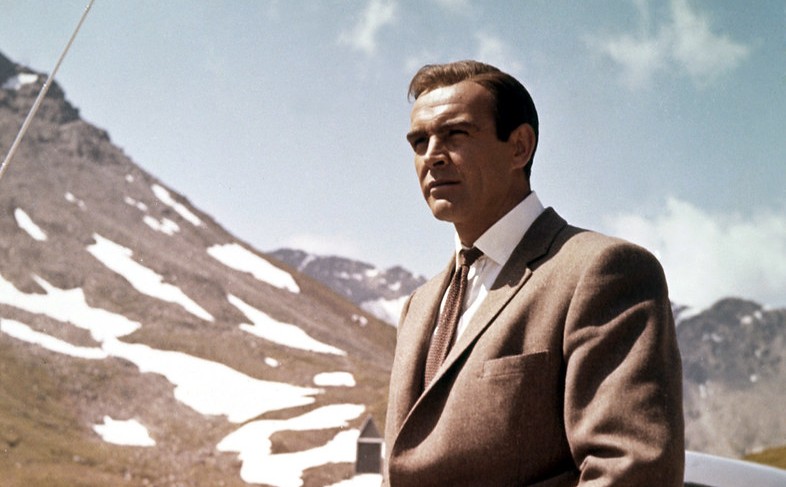
Hollywood casting decisions rarely feel dramatic in the moment. A script gets passed over, a contract gets in the way, or an actor simply misreads what a project could become. Only years later, once the film has become part of the cultural furniture, does the decision look like a turning point. What follows are nine well-documented cases where an actor said no, sometimes for good reason and sometimes to their lasting regret, and someone else stepped in and became inseparable from the part.
1. Tom Selleck lost Indiana Jones to a television contract

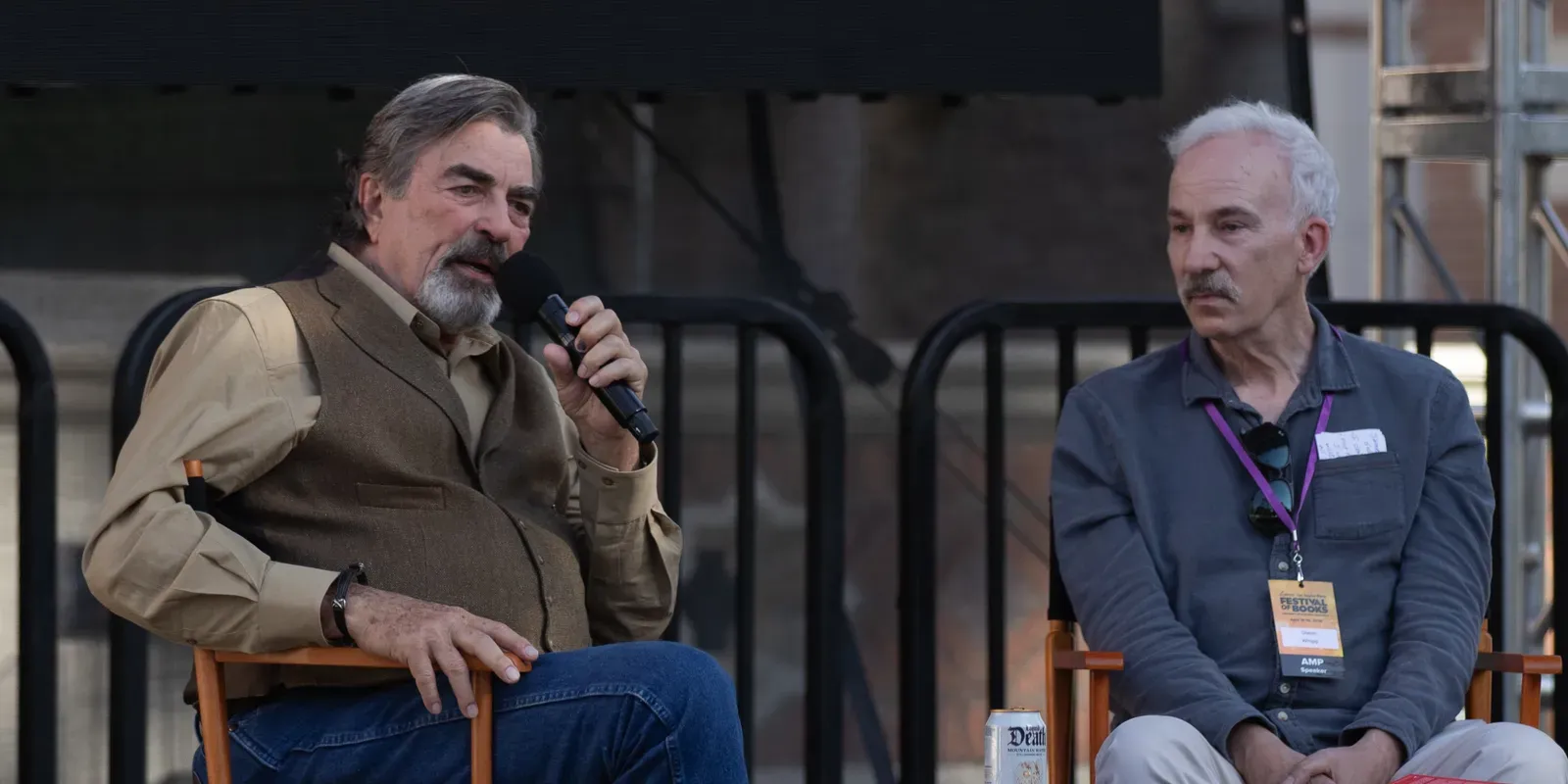
Long before Harrison Ford ever put on the fedora, Harrison Ford as Indiana Jones is one of the most universally agreed on castings, but a key fact is that Tom Selleck had the part before Ford was even a consideration. Selleck had actually gone through the audition process and was cast, only to run into a scheduling problem tied to a pilot he had already filmed.
Karen Allen, who played Marion Ravenwood, explained that Selleck had done a pilot for Magnum, P.I. before being asked to play Indiana Jones, and once a pilot gets picked up, the actor is contractually committed. Selleck later said he was offered the role and wanted it, but Spielberg and Lucas kept the offer open while CBS refused to let him do both. Ford stepped in as what he has openly called the second choice, and the rest became film history.
2. John Travolta passed on Forrest Gump before it defined Tom Hanks

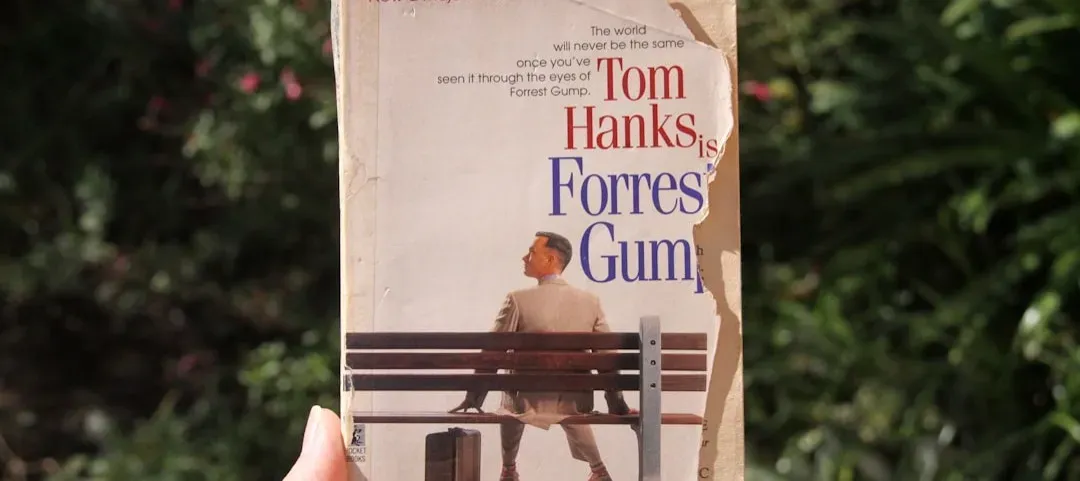
It’s hard to imagine anyone else in the role, but John Travolta passed on the role of Forrest Gump because he wasn’t fully convinced by the script or direction. It was one of several near-misses for Travolta during a career lull in the early nineties.
Tom Hanks ended up taking the role and won an Academy Award for his performance. Travolta later admitted it was a mistake, though it’s hard to imagine anyone else embodying the character the way Hanks did. The film went on to become one of the defining American movies of its decade, and Hanks’s performance is now inseparable from it.
3. Will Smith walked away from Neo in The Matrix

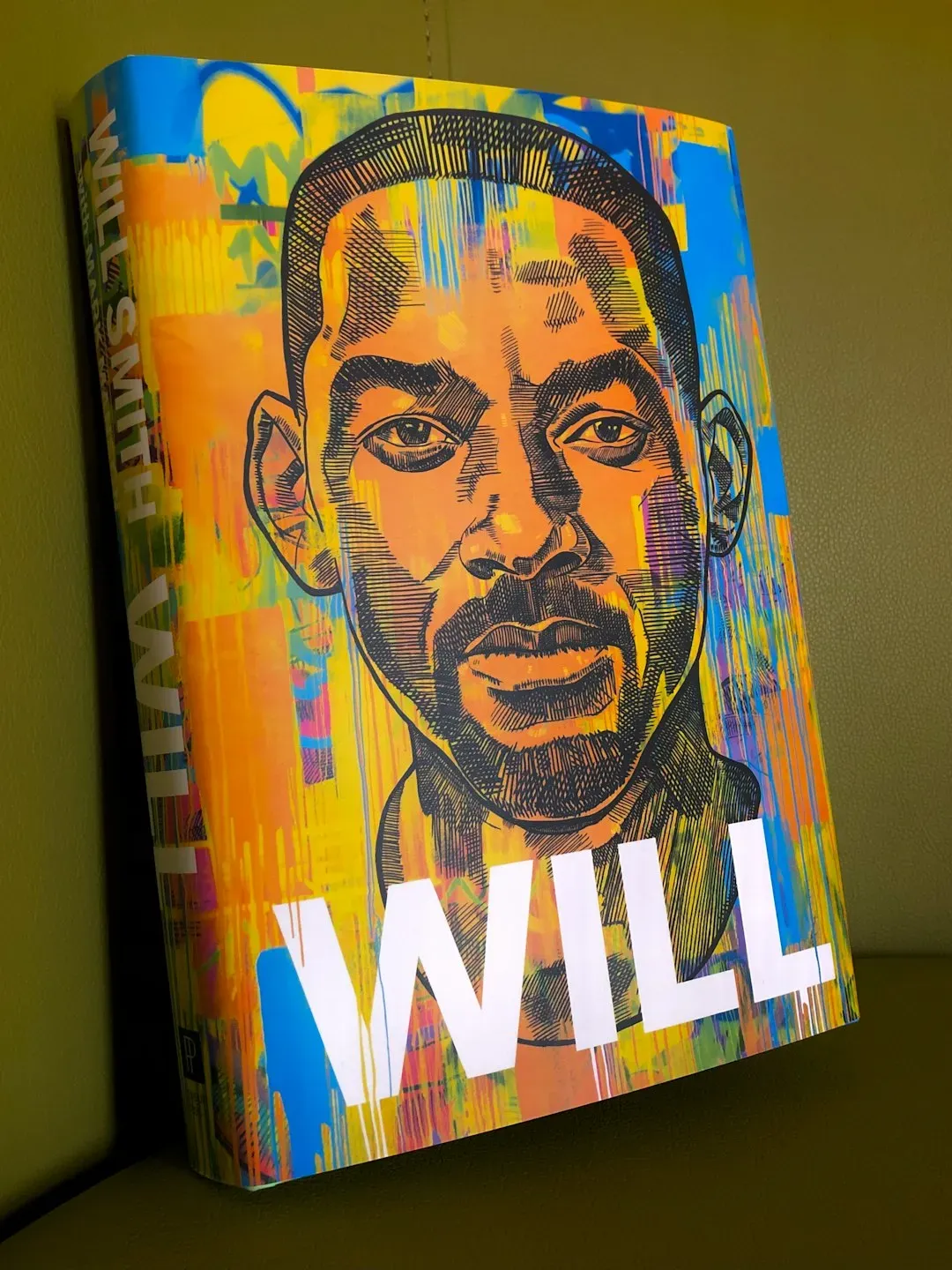
Before Keanu Reeves ever donned the black trench coat, the Wachowskis pitched their groundbreaking sci-fi concept to Will Smith. Smith later admitted he turned down Neo after a pitch meeting with the Wachowskis, who had only made one prior film, and while he acknowledged they turned out to be geniuses, he found a fine line in that meeting between genius and confusion.
Smith chose to make Wild Wild West instead, a film that underperformed at the box office. Looking back, Smith has said that if he had taken the role, Morpheus likely would not have been played by a Black actor since Val Kilmer was being considered, so he believes he would have messed The Matrix up and did everyone a favor by turning it down.
4. Emily Blunt missed her shot at Black Widow


Marvel’s search for its first female Avenger nearly landed on a different actress entirely. Scarlett Johansson was perfect as Natasha Romanoff, but Emily Blunt would have made a killing as the Avenger also called Black Widow, explaining she could not originate the role in 2010’s Iron Man 2 because she was contractually obligated to appear in that year’s adaptation of Gulliver’s Travels.
It wasn’t a case of turning the part down out of doubt. Emily Blunt told Howard Stern on his podcast that it was a bit of a heartbreaker for her to turn down the role of Natasha Romanoff. Johansson went on to play the character across more than a decade of Marvel films, turning it into one of the franchise’s most recognizable roles.
5. Sean Connery said no to Gandalf
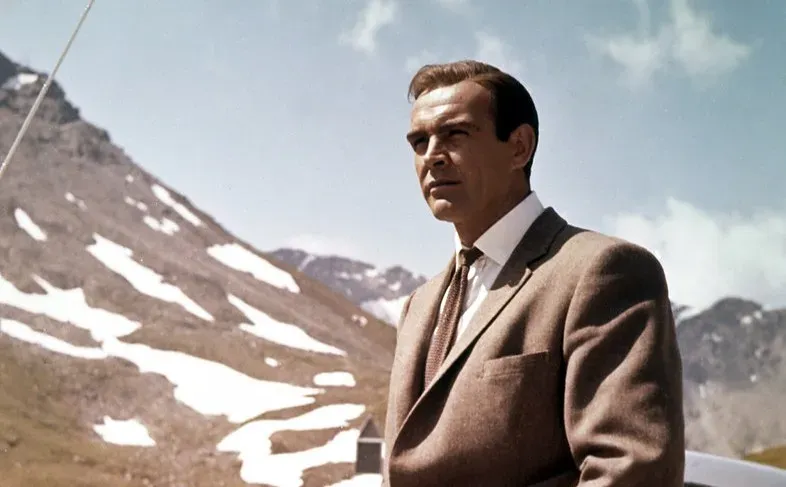
Peter Jackson’s Lord of the Rings trilogy needed a wizard, and the studio initially set its sights on one of cinema’s most respected leading men. Sean Connery was offered the role of Gandalf but declined because he did not understand the story, even though the studio was reportedly willing to offer him a significant percentage of the box office revenue to secure his involvement.
Ian McKellen eventually took the part and received critical acclaim for his portrayal of the wizard, and the films became a global phenomenon with McKellen becoming synonymous with the character. Given how the trilogy performed worldwide, it stands as one of the more costly passes in recent film history, both artistically and financially.
6. Burt Reynolds stepped aside from The Godfather

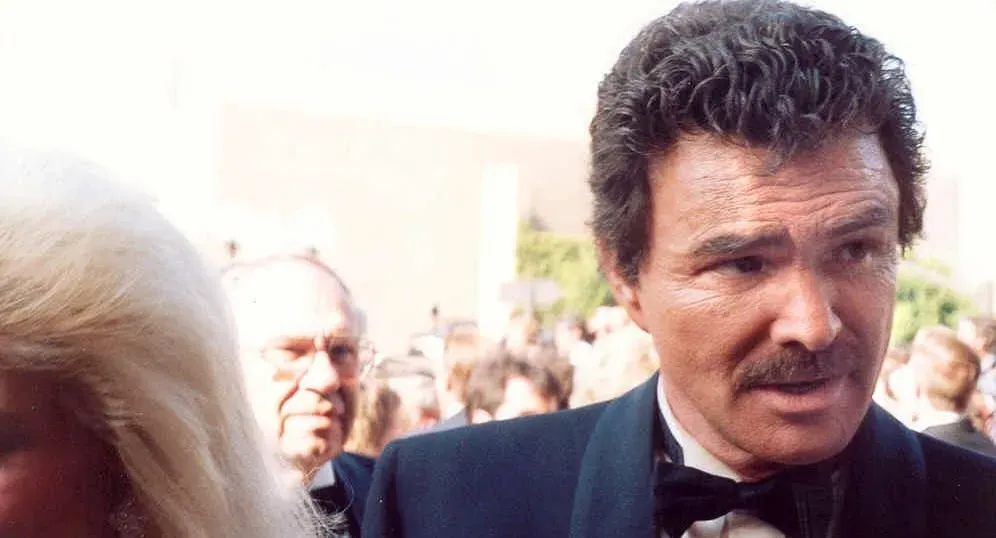
Before Al Pacino became forever linked with Michael Corleone, the role nearly went in a very different direction. Burt Reynolds was offered the role of Michael Corleone but turned it down after Marlon Brando threatened to quit, since Brando did not want to work with a television actor.
The decision cleared the way for one of the most celebrated performances in film history. Al Pacino eventually took the role, and it became the performance that defined his entire career, with the film now considered one of the greatest movies ever made. It’s a reminder that casting politics behind the scenes can shape a film just as much as talent does.
7. Matt Damon turned down a profit share in Avatar

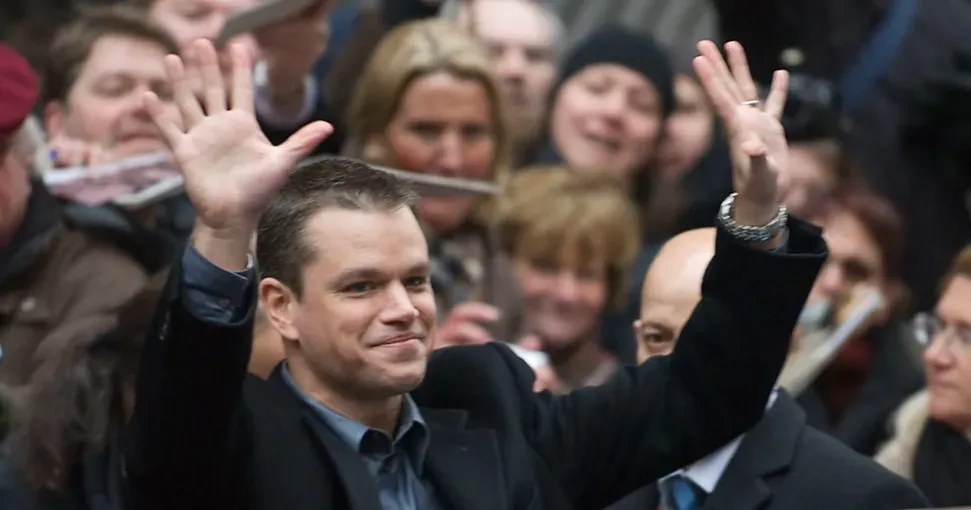
James Cameron’s Avatar became one of the highest grossing films ever made, but its lead was almost someone else entirely. Matt Damon was offered the lead role in Avatar, along with a percentage of the film’s profits, but had to decline due to scheduling conflicts with the Bourne franchise.
Partner offer

Sam Worthington stepped into the role instead, and the film’s box office success has made Damon’s decision a well-known punchline in his own interviews over the years. Damon has openly said he regrets the decision and often jokes about it in interviews. Given the profit percentage attached to the deal, it remains one of the more financially significant passes on this list.
8. Michelle Pfeiffer walked away from The Silence of the Lambs

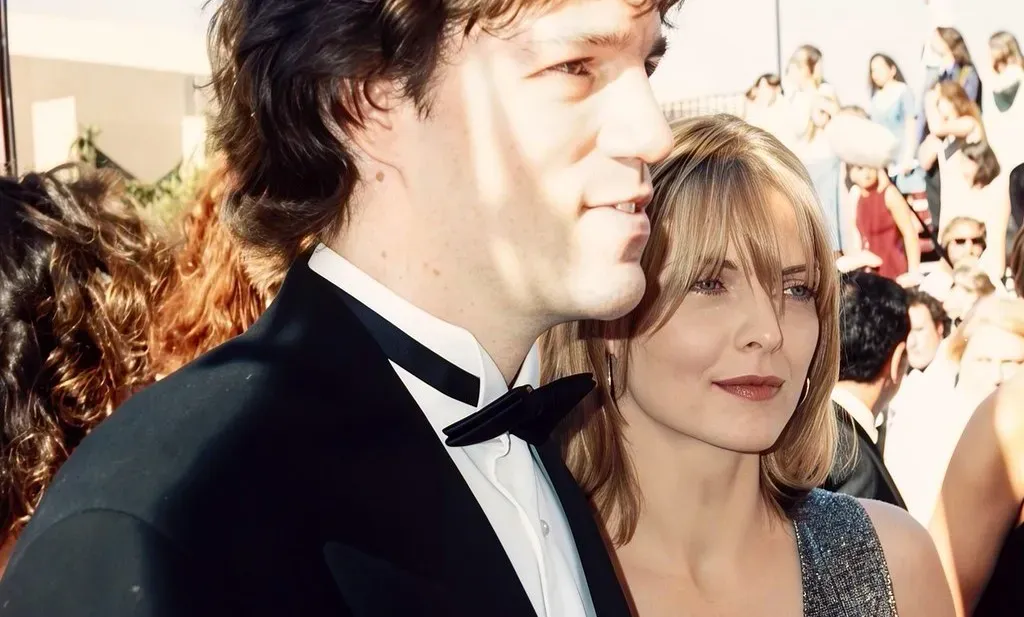
Jodie Foster’s performance as Clarice Starling earned her an Academy Award and remains one of the most studied performances in thriller cinema, but she wasn’t the first actress considered for the role. Reports have long noted that Michelle Pfeiffer declined the part of Clarice Starling before Foster was cast.
Foster’s take on the young FBI trainee opposite Anthony Hopkins’ Hannibal Lecter became the defining version of the character across the franchise’s later films and television adaptations. The film swept the major Academy Awards categories, an outcome that has kept the story of Pfeiffer’s decision part of Hollywood casting lore ever since.
9. Gwyneth Paltrow passed on Titanic

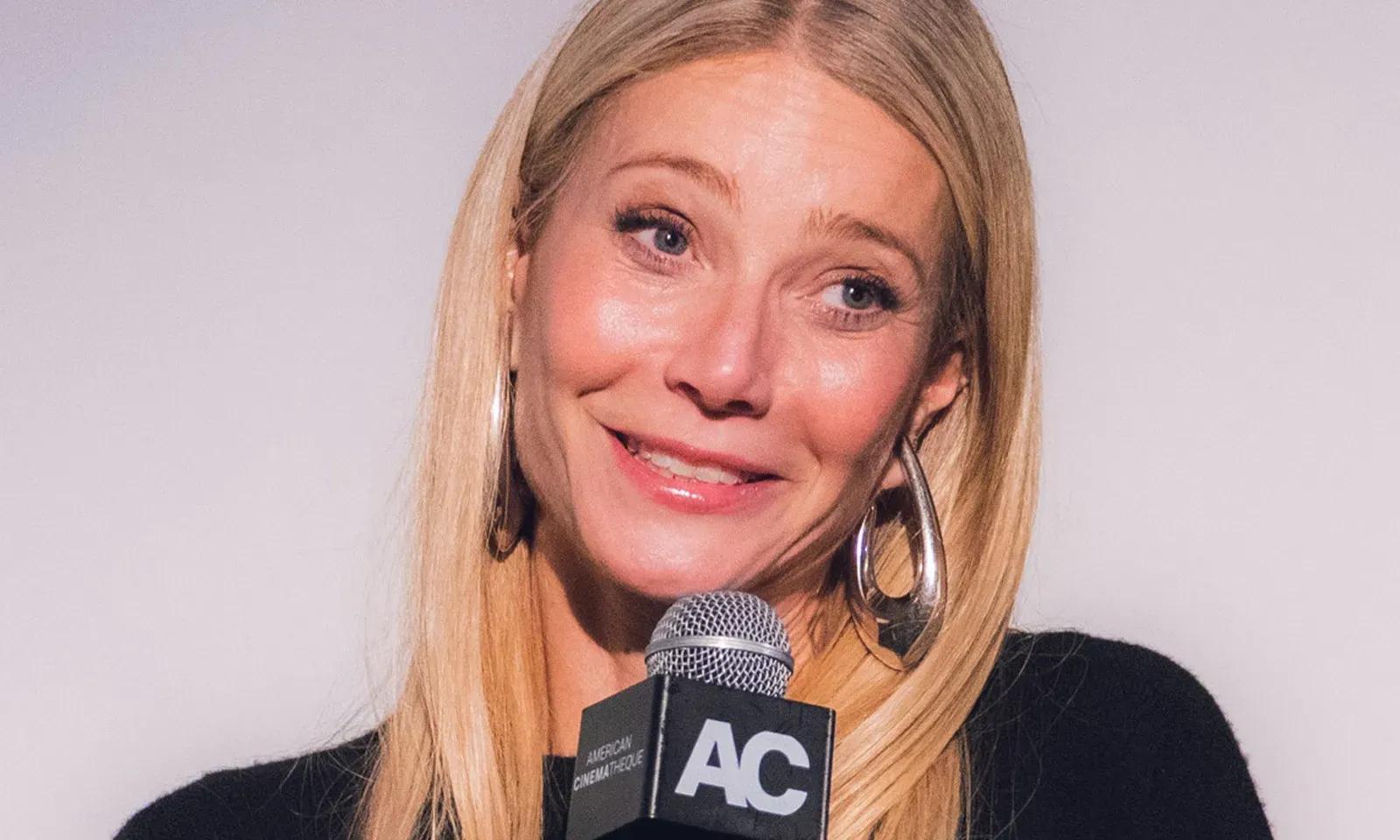
Before Kate Winslet became forever associated with Rose DeWitt Bukater, other actresses were in the conversation for James Cameron’s disaster epic. Gwyneth Paltrow was among the names considered for the role, alongside other leading actresses of the era, before ultimately passing on the project.
Winslet’s performance opposite Leonardo DiCaprio helped turn Titanic into one of the most commercially successful films of all time and earned her an Academy Award nomination. The film’s staying power, still referenced regularly in pop culture decades later, has made every actress who passed on the role a permanent footnote in its story. Casting decisions like these rarely come down to a single clear mistake. Contracts, scheduling conflicts, and simple gut instinct all play a role, and most of these actors went on to build strong careers regardless. What makes these particular stories endure is the contrast between the part that got away and the performance that followed, a reminder that in film, timing and circumstance can matter just as much as talent.
Partner offer
Planning a trip to Vegas?
Compare hotel rates and show tickets on VEGAS.com.