Every actor has a rejection story, but some of these rejections were so blunt they read like punchlines in hindsight. Long before red carpets and franchise paychecks, plenty of household names were sat down by studio executives, professors, or casting directors and told, in one way or another, to find a different line of work. What makes these stories worth revisiting is not just the humiliation of the moment but how casually wrong the predictions turned out to be.
Harrison Ford

In 1966, a young Harrison Ford landed a tiny, uncredited part as a bellhop in the Columbia Pictures film Dead Heat on a Merry-Go-Round. It was barely a role, just a single line delivering a telegram, yet it was enough for studio executive Jerry Tokofsky to call him into his office and deliver a verdict. Tokofsky told him, “Boy, you’re never going to make it in this business.” Tokofsky then compared him unfavorably to Tony Curtis, arguing that real movie stars are instantly recognizable onscreen.
Ford did not exactly take the insult quietly, and the exchange reportedly turned tense before he was told to leave the office. He said the tension between the two lasted for nearly a year. Years later, long after Han Solo and Indiana Jones had made him a global star, Ford ran into Tokofsky again in a studio commissary, where the executive sent over a card that simply read, “I missed my bet.”
Sidney Poitier

Sidney Poitier arrived in New York as a teenager with almost nothing to his name and a thick Bahamian accent that made reading scripts a struggle. When he auditioned for the American Negro Theatre, the director cut him off almost immediately. The director told him, “Stop wasting your time, get a job as a dishwasher.” Poitier was already working as a dishwasher at the time, so the comment landed with particular sting.
Rather than quit, he spent months teaching himself to read fluently and softening his accent, partly with help from an elderly waiter at the restaurant where he washed dishes. He practiced his reading skills with the waiter’s help and returned to the American Negro Theater six months later to prove himself. That second chance eventually led to a Broadway debut and, in 1964, an Academy Award and Golden Globe for Best Actor for Lilies of the Field.
Fred Astaire
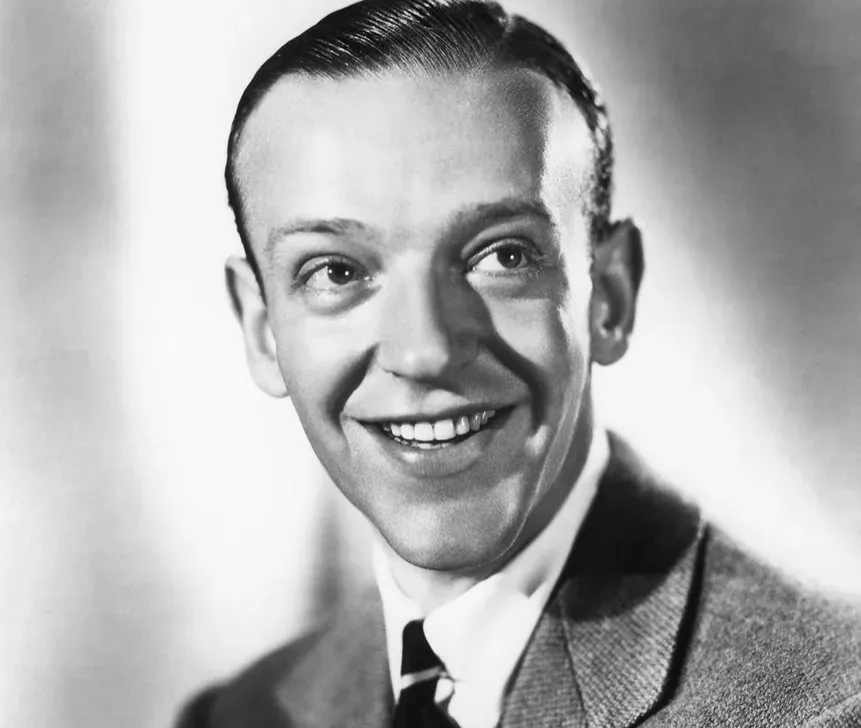
Before he became synonymous with elegance on screen, Fred Astaire sat through a screen test at RKO that producers found underwhelming. The report on that test is said to have read, “Can’t sing. Can’t act. Balding. Can dance a little.” Astaire later offered his own recollection of the note, insisting it actually said something slightly different but no more flattering.
What saved him was not the testing director but producer David O. Selznick, who saw something the memo missed. Selznick wrote in his own memo that despite Astaire’s “enormous ears and bad chin line,” his charm came through even in the wretched test. Astaire went on to headline a string of RKO musicals with Ginger Rogers, and six of their nine films together became the studio’s biggest moneymakers.
Clint Eastwood
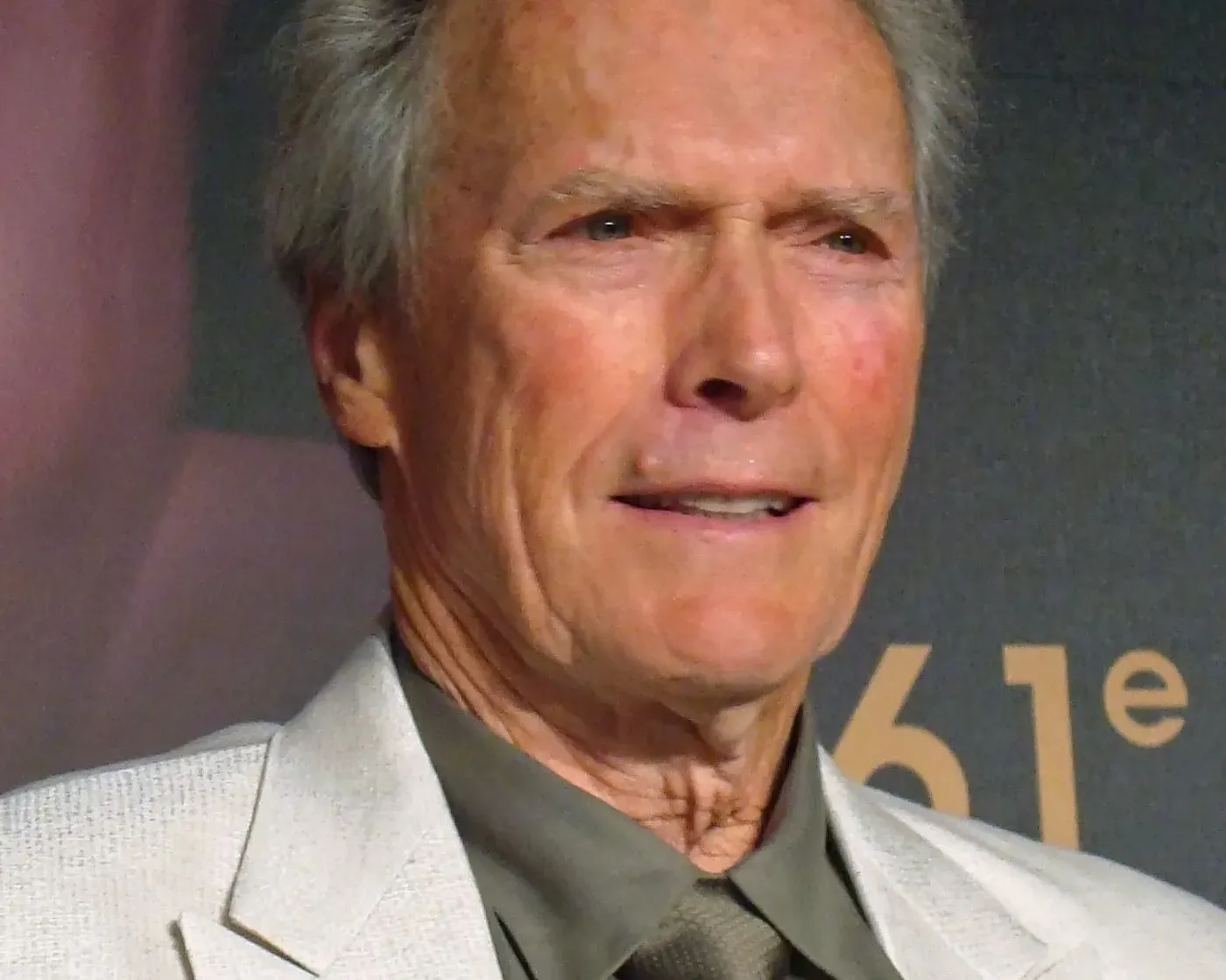
Clint Eastwood signed a contract with Universal Pictures in the 1950s and mostly landed small, forgettable parts before the studio quietly cut him loose. According to his longtime friend Burt Reynolds, who was fired from the same lot the same year, the reasoning had nothing to do with talent and everything to do with looks. Reynolds recalled that Eastwood was let go because his Adam’s apple stuck out too far, he talked too slowly, and he had a chipped tooth he refused to fix.
Eastwood did not fight the decision so much as move on, eventually landing a regular role on the television western Rawhide. He joined the cast of Rawhide in 1958 and stayed with the show for eight seasons, which marked a turning point in his career. From there he moved into spaghetti westerns in Europe before returning to Hollywood as one of its defining leading men and, eventually, an Oscar-winning director.
Burt Reynolds
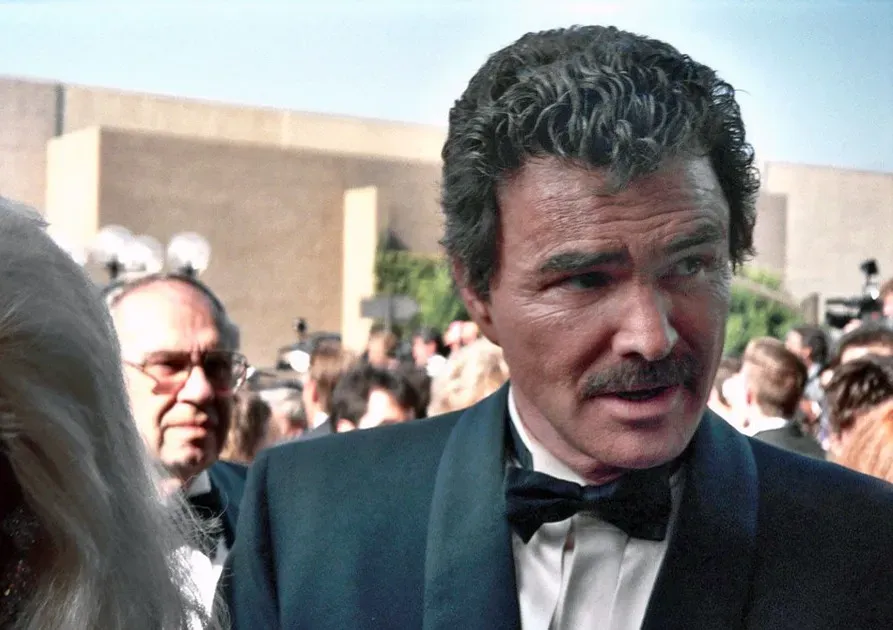
Reynolds shared his own dismissal story so often that it became something of a party trick, but the details never really softened with retelling. Fired from Universal the same year as Eastwood, Reynolds got a far more direct explanation for his pink slip. When he asked why he was being let go, the studio simply told him, “You can’t act.”
He found the whole thing funny rather than devastating, and even joked with Eastwood on the walk out that his friend had the tougher road ahead. Reynolds told Eastwood he could learn to act, but Eastwood would never get rid of that Adam’s apple. Both men eventually returned to Universal on far better terms, and Reynolds noted that the next time either of them worked at the studio, they were each paid a million dollars.
Mark Ruffalo

Long before he became a fixture of prestige dramas and superhero blockbusters, Mark Ruffalo faced doubt from the very people meant to guide him. Right after high school, during an audition for the theater department at SUNY Purchase, a professor told him he had no future as an actor. He has described going into that audition with very little confidence to begin with, which made the comment land even harder.
He kept at it anyway, spending years in smaller theater and television roles before breaking through in film. Someone had literally asked him, “What are you going to do when you realize you’ll never make it as an actor?” The question turned out to be moot, since Ruffalo went on to earn multiple Oscar nominations and a lasting career on stage and screen.
Adam Sandler
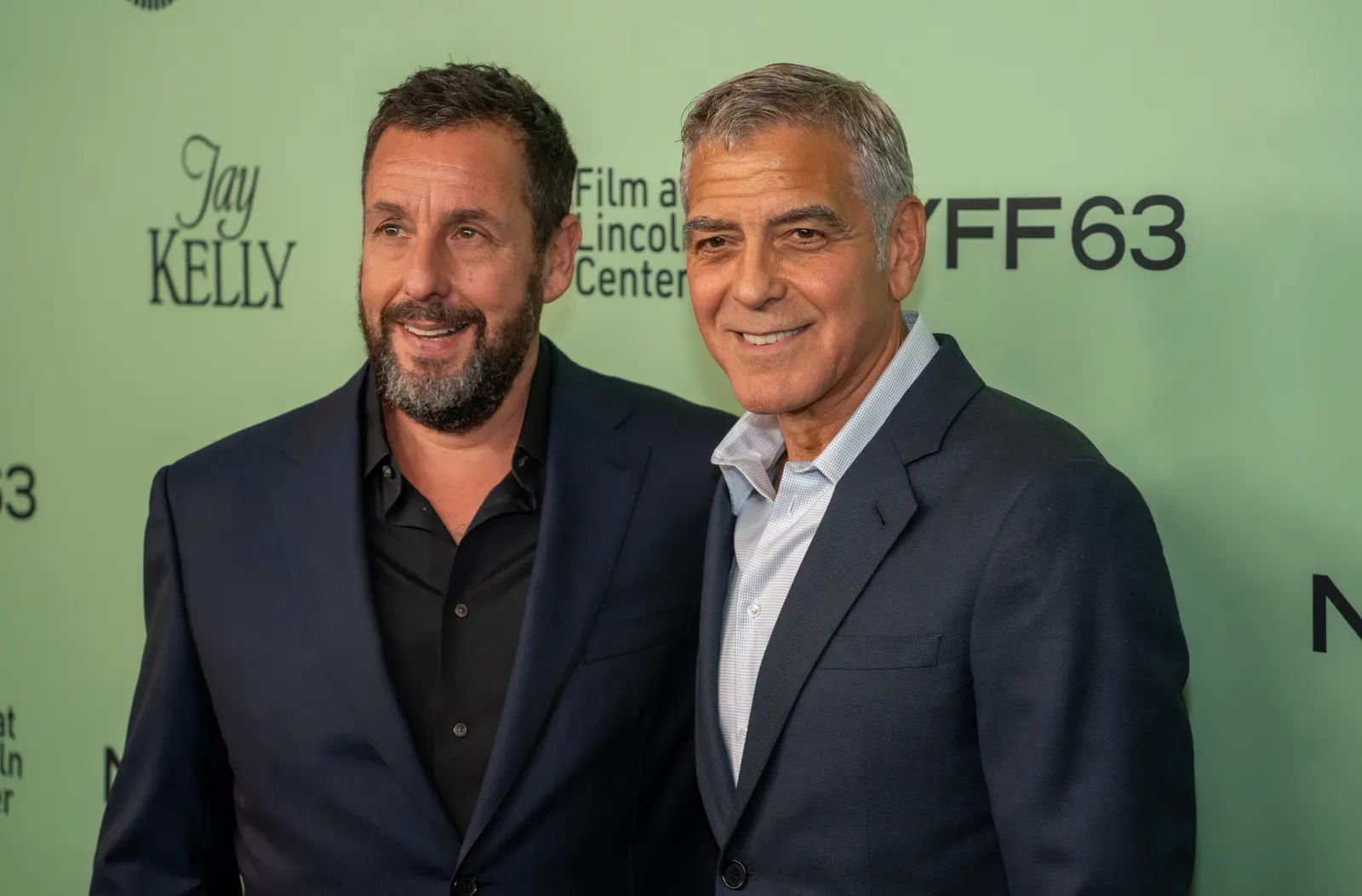
Adam Sandler’s rejection story has a slightly gentler edge, but it still stung at the time. While studying at New York University, one of his professors invited him out for a beer specifically to suggest he consider a different career path. His friend Brad Pitt later recounted that the professor told Sandler he had “heart” but didn’t have “it.”
Years afterward, once Sandler had become one of the biggest comedic draws in Hollywood, he crossed paths with that same professor again. Rather than gloat, Sandler reportedly introduced him to friends by saying, “This is the only teacher to ever buy me a beer.” It is a small detail, but it says a lot about how little the rejection seemed to matter once the career actually took off.
Benedict Cumberbatch

Before Sherlock made him internationally recognizable, Benedict Cumberbatch received a discouraging assessment from within a prestigious drama school. He was told by the school that he had no future as an actor and should consider a different career path. Coming from an institution meant to train actors for exactly this kind of career, the comment carried extra weight.
Even after he started working steadily, doubts followed him into one of his defining roles. Producers initially hesitated to cast him as the lead in Sherlock because they worried audiences would not find him attractive enough for the part. The show became an international hit, and it turned him into a global star while earning him multiple Academy Award nominations for later films like The Imitation Game.
Henry Cavill

Henry Cavill’s path to stardom involved a particularly public string of near misses rather than a single blunt insult. He was famously called the unluckiest man in Hollywood after losing out on several major roles in a row, including runner-up finishes for both James Bond and Batman. Industry observers at the time treated each loss as further proof that his moment had passed.
Rather than fading from view, Cavill kept auditioning, and the pattern of near misses eventually broke in his favor. Many insiders believed his window for a major franchise had closed, right before he secured the role of Superman in Man of Steel and became a central figure in modern action cinema. It is one of the more recent reminders that being passed over repeatedly is not always a sign that the industry has given up on someone.
These nine stories span more than eight decades of Hollywood, from Fred Astaire’s screen test in 1933 to Henry Cavill’s string of near misses in the 2010s, yet they share the same basic shape. Someone with authority made a confident prediction, and the prediction was wrong. It is a useful thing to remember the next time a talented person gets written off too quickly, since the people doing the judging are not always right, even when they sound certain.