
There was a time, not that long ago, when mentioning Las Vegas in the same breath as Green Bay, Boston, or Pittsburgh would have earned you a laugh. The city was a gambling hub, a weekend escape, a convention destination. A real sports town? Not exactly. That perception has been dismantled almost completely within a single decade, replaced by something nobody in the traditional sports establishment quite saw coming. In almost ten years, Las Vegas has gone from a land with no major professional team sports to being well on its way to having all four major professional leagues represented in town. The speed of this transformation isn’t just remarkable. It’s practically unprecedented in American sports history.
The Golden Knights Started Everything

The Vegas Golden Knights, playing in the NHL, were the first major team in the city of Las Vegas, and they played their first season in 2017 as the only locally born professional sports franchise. Nobody expected much from an expansion team in a city associated more with poker tables than penalty shots. What followed rewrote the playbook for sports launches entirely.
Although they are a young franchise, they are no less efficient, having already claimed a championship title in 2023 and making two appearances in the Stanley Cup Final, in 2018 and 2023. Winning early gave Las Vegas sports credibility in the most direct way possible. The city didn’t just adopt a team. It adopted a winner.
The Raiders Brought the NFL – and National Legitimacy

The Las Vegas Raiders of the National Football League began play in 2020 after relocating from Oakland, California, joining the Vegas Golden Knights as a major league professional team in the Las Vegas Valley. The arrival of an NFL franchise was the clearest signal yet that Las Vegas had permanently changed its sports identity. Few relocations in league history carried more symbolic weight.
In 2025, the Las Vegas Raiders recorded an average home attendance of 62,260 spectators, a slight increase over the previous year’s figure of 62,175. The numbers have stayed remarkably stable. In 2025, events at Allegiant Stadium drew 1.7 million fans in total, up from 1.4 million in 2024 and 1.6 million in 2023.
The Tourist Economy Nobody Else Has

Las Vegas is unlike probably any other market, and the city doesn’t just rely on the local populace to pack its sports venues, but also draws heavily on the nearly 40 million tourists who visit annually. That’s the core structural advantage that separates Vegas from every traditional sports town. A team in Green Bay lives and dies on its local fanbase. Vegas imports fans from everywhere, every week.
Las Vegas teams are not competing solely for the roughly three million residents in the metro area, but also for traveling fans across the country who may plan trips around seeing their teams play in Las Vegas. This is a fundamentally different model. The stadium becomes part of the tourist itinerary, not just the local routine. A November 2025 Raiders game against the Dallas Cowboys drew 60,327 fans, with 68 percent coming from out of town, and a December game against the Denver Broncos drew 57,018 fans, with 69 percent from out of town.
Super Bowl LVIII Changed the Perception Permanently
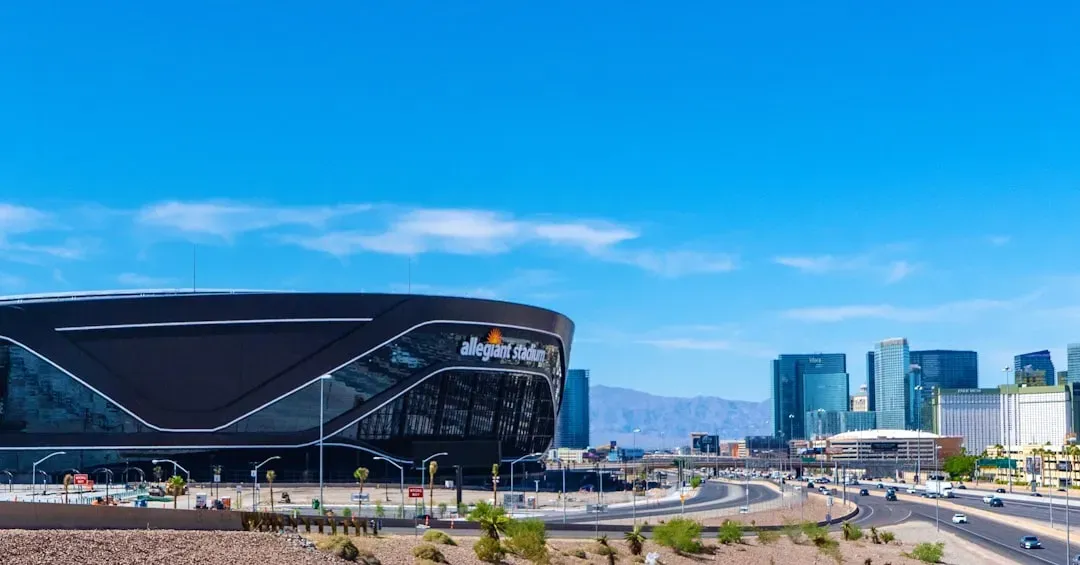
Super Bowl LVIII, hosted at Allegiant Stadium in February 2024, was the first Super Bowl played in Las Vegas and Nevada, bringing the total number of states to have hosted a Super Bowl to eleven. Getting the NFL’s most prized event was the clearest endorsement the league could have offered. Vegas delivered in spectacular fashion.
According to the United States Chamber of Commerce, that Super Bowl generated one billion dollars in revenue for the city. The event also featured the highest average ticket price ever, with tickets averaging $7,790 as of the Tuesday before the Chiefs-49ers matchup, surpassing the previous record of $5,940 from the limited-capacity 2021 Super Bowl in Tampa. Those aren’t just sports numbers. They’re economic declarations.
Formula 1 Turned the Strip Into a Racetrack

The inaugural Las Vegas Grand Prix, held on November 18, 2023, was a historic moment for formula racing in the city, marking the return of formula racing since the 1982 Caesars Palace Grand Prix and the first street race since the 2007 Vegas Grand Prix Champ Car. The circuit running past the casinos on the Strip produced images that circled the globe and introduced Las Vegas to an entirely new international audience.
The inaugural Formula 1 Las Vegas Grand Prix in 2023 generated a reported economic impact of approximately $1.5 billion, while in its second year, 2024, the economic impact was reported to be $934 million. The 2024 event drew an announced crowd of 306,000, with the race attracting 175,000 unique visitors to Las Vegas. Hotel occupancy rates during the Formula 1 weekend in 2024 reached 87 percent, an increase from the 80 percent recorded during the 2023 event.
Partner offer
The Aces and the WNBA’s Quiet Powerhouse Story
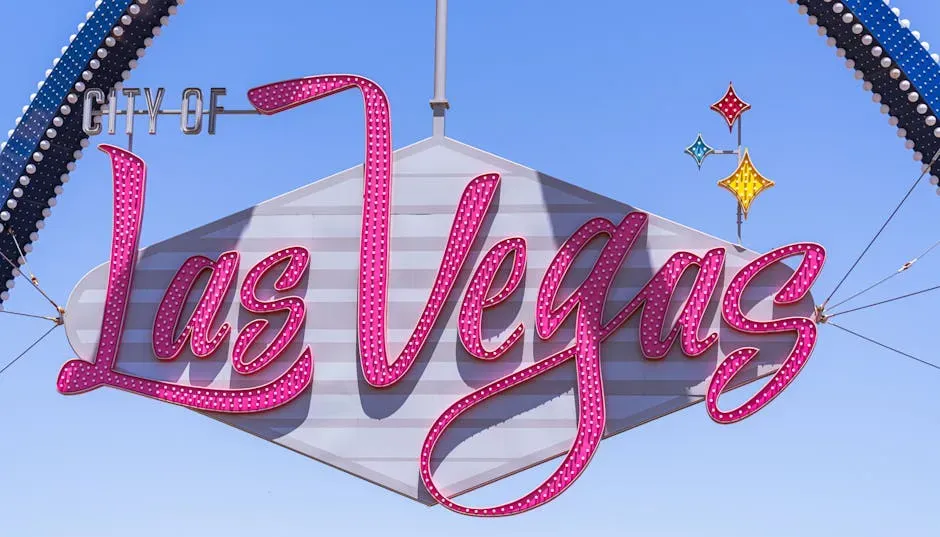
Currently, the only professional basketball team in Las Vegas is the Las Vegas Aces, playing in the WNBA. The team moved to Las Vegas in 2018 from San Antonio, and since then they have won two consecutive WNBA championship titles in 2022 and 2023. Those back-to-back titles placed the Aces among the most decorated WNBA franchises of the modern era.
The Las Vegas Aces have won the league title three times in the last four years. In an era when women’s professional basketball is drawing record audiences nationally, the Aces are exactly the kind of anchor franchise a city wants on its sports resume. Vegas built a WNBA dynasty before most cities even had a team.
Baseball Is Coming – and With It, All Four Major Leagues
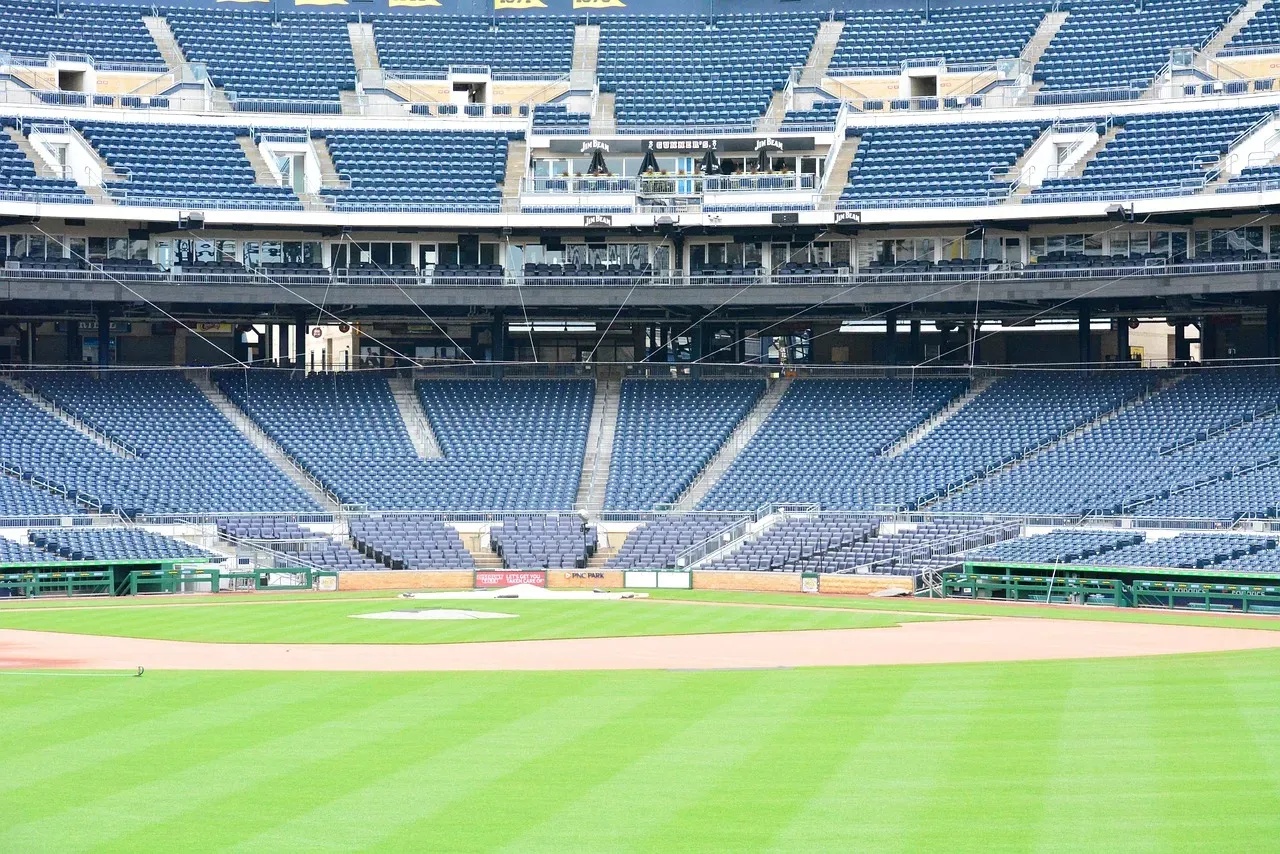
Major League Baseball’s Athletics will officially move to Las Vegas in time for the start of the 2028 baseball season, and a new indoor stadium is under construction on the South Strip at the former Tropicana site. The significance of this cannot be overstated. When this relocation happens, Las Vegas will have progressed from being the largest market in the U.S. with no teams in major sports leagues to one with representation across all four.
MLB teams host the most regular-season games of any major sport, with 81 home games, while the NBA and NHL tie for second with 41. Having 81 home games a season means the A’s will drive foot traffic and visitor spending across an entirely different portion of the year. Proponents have pointed to the 2028 arrival of the A’s as being a significant growth driver for the city.
The NBA Expansion Question That May Already Be Answered

In late March 2026, all 30 NBA governors voted in favour of exploring Las Vegas as a potential league expansion site, and while there is still a long way to go to bring the NBA to southern Nevada, a final decision is expected by year’s end. The momentum now feels different from previous years of casual speculation. This is a formal process with real stakes.
The Las Vegas Diamond Arena project is emerging as a leading contender to host a future NBA expansion team, with its location at the northeast corner of Las Vegas Boulevard and Four Seasons Drive, directly across from Mandalay Bay, representing a transformative opportunity for the NBA, the city of Las Vegas, and Clark County. Both the A’s and the eventual basketball franchise would begin play in 2028 within months of each other. The convergence is deliberate and would make 2028 the most consequential year in Las Vegas sports history.
The Economic Machine That Runs Under All of It
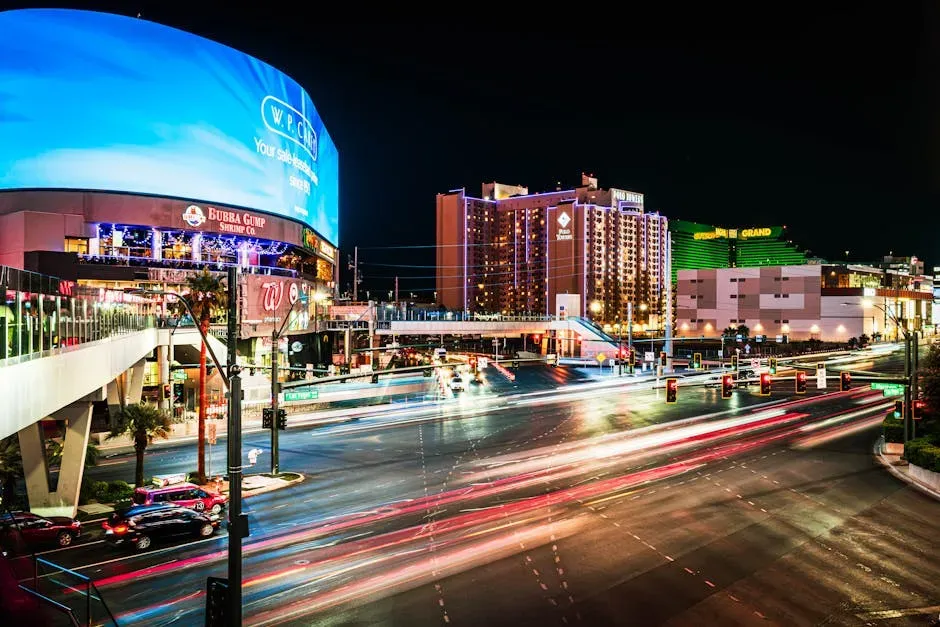
The Sports Events and Tourism Association recently released its 2026 State of the Industry Report, which says sports tourism has evolved into a $274.5 billion total economic impact industry, generating $111.2 billion in direct spending. Las Vegas is one of the clearest examples of how that industry operates at its most potent. Sports here isn’t a pastime. It’s infrastructure.
One of the key factors behind Las Vegas’s recovery is its successful rebranding as the Sports and Entertainment Capital of the world, with the city working hard to diversify its appeal beyond leisure gambling by expanding into sports, conventions, and entertainment. The Raiders’ 2025 impact report notes that Allegiant Stadium alone generated a $1.1 billion economic boon for the city. That’s one stadium, one team, one year.
Can the Growth Be Sustained, or Is Saturation Coming?
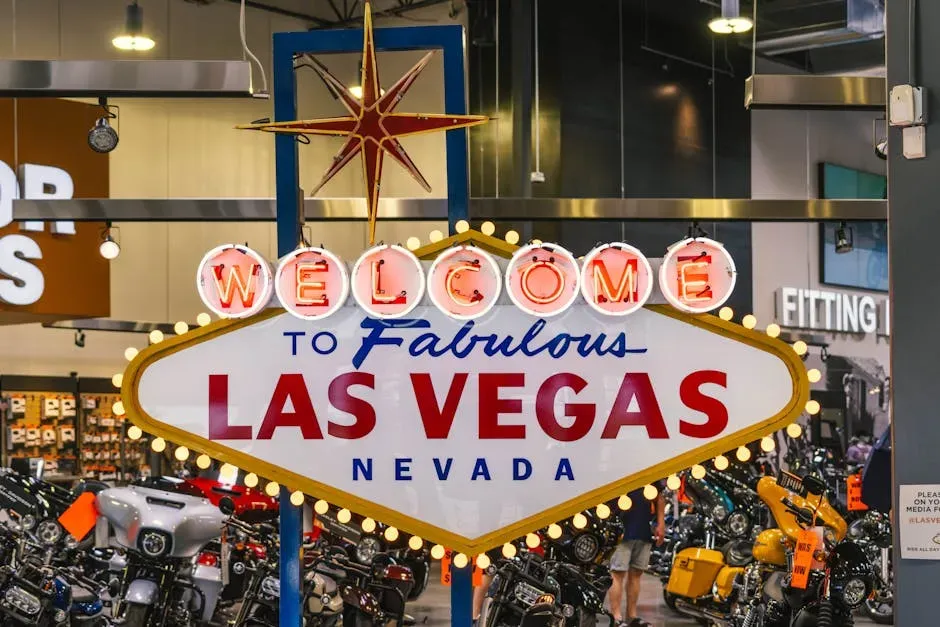
Las Vegas is now on the verge of becoming home to the NFL, NHL, WNBA, and MLB, and could eventually add the NBA too, raising questions about whether the market could become oversaturated. These are fair questions. The tourist economy is uniquely positioned to absorb multiple franchises, but it isn’t infinitely elastic. According to data from the Las Vegas Convention and Visitors Authority, total visitation in 2025 was 38.5 million, down 7.5 percent from 2024.
The Center for Business and Economic Research at the University of Nevada Las Vegas projects Las Vegas will host 40.1 million visitors in 2026, after falling six percent in 2025. Sports will be a key part of that recovery story. Las Vegas has already hosted one Super Bowl and will host another in 2029, is due to be home to the National College Football Championship in 2027, and will have the NCAA March Madness Final Four in 2028. The calendar of mega-events extending into the next decade gives Las Vegas something traditional sports towns genuinely can’t replicate: a permanent invitation for the world’s biggest stages to keep coming back.
The story of Las Vegas as a sports capital isn’t really about stealing anything from Pittsburgh or Boston or Chicago. Those cities have deep, generational identities tied to their teams. What Vegas did was build an entirely different model – one where tourism, spectacle, and sport fuse into a single economic engine that no other American city can quite match. Whether that model holds as the league count grows is the next test. So far, the city hasn’t failed one yet.Partner offer
Planning a trip to Vegas?
Compare hotel rates and show tickets on VEGAS.com.