For most of the last century, musicians handed over the rights to their own recordings the moment they signed with a label. It was simply how the business worked. A handful of acts, though, fought their way into a different arrangement, one where the tapes, the mixes, and the final say all stayed in the hands of the people who made the music.
Their stories look different from one another, some involved lawsuits, others long negotiations or clever contract clauses signed decades earlier. What they share is a lesson about leverage, patience, and what it actually costs to control your own back catalog.
1. Metallica

Metallica’s path to owning their masters started with a smart move made back in 1994. Under provision of their renegotiated joint venture agreement with the Warner Music Group in 1994, all masters revert back to the band as of November 30, 2012. That clause, buried in a contract signed nearly two decades earlier, quietly set an expiration date on the label’s control.
When the date finally arrived, the band did not waste time. Metallica announced that they had taken ownership of all their master recordings including all music and long form videos, a move almost unprecedented for musicians signed to recording contracts. They launched Blackened Recordings to manage everything going forward, and drummer Lars Ulrich summed up the motivation simply, noting that it had “always been about control for us as a band.” Warner still handled distribution through Rhino domestically and Universal internationally, but the ownership itself now sat entirely with the band.
2. Radiohead

Radiohead’s relationship with their masters is a study in contrasts between their early and later careers. In 1991, Radiohead signed to EMI, one of the world’s largest major music labels of the time, after meeting an A&R rep in a record shop and handing them a demo, agreeing to a six album deal. That deal meant EMI’s subsidiary Parlophone controlled the masters for their first six albums, a fact that came back to bite the band in 2008 when a compilation they never approved hit shelves.
Everything changed with their seventh album. Radiohead actually owned the album masters for In Rainbows, which meant not only would they receive the bulk of money from these sales but that they could profitably negotiate a conventional wide release. Years later, their entire back catalog found a new home when Warner Music acquired EMI in 2013 and soon began fielding offers for more than 11,000 artist catalogs, with XL Recording emerging as the winning bidder of Radiohead’s discography. XL, an independent label with a reputation for artist friendly deals, now oversees the catalog the band once had no say over at all.
3. Nine Inch Nails
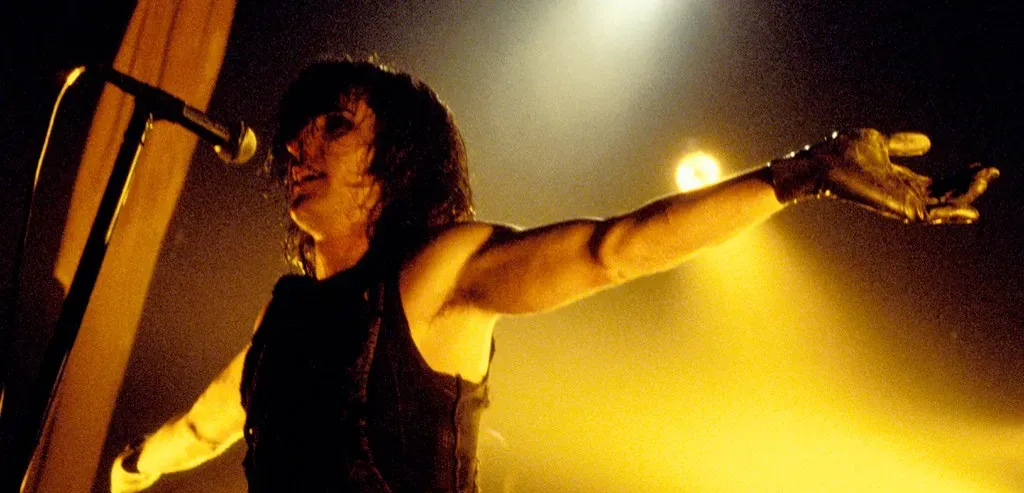
Trent Reznor’s split from the major label system in 2007 is one of the more dramatic examples of an artist walking away from a big machine to build a smaller one he actually controlled. Following the release of the album Year Zero in 2007, the band left Interscope after a feud, and Nine Inch Nails continued touring and independently released Ghosts I–IV and The Slip in 2008. Both projects came out through Reznor’s own label rather than a traditional distributor.
His manager at the time explained the thinking behind the move in stark terms. “It really takes three things to get this done right,” said Reznor’s manager, Jim Guerinot. “You have to control your publishing, you have to be able to control your masters, and you have to be able to control the brand. Trent has all three of them.” The freedom came with real logistical headaches, since licensing and distribution across different countries had to be handled without a major label’s infrastructure, but the tradeoff gave Reznor full authority over how his work got used.
4. Prince
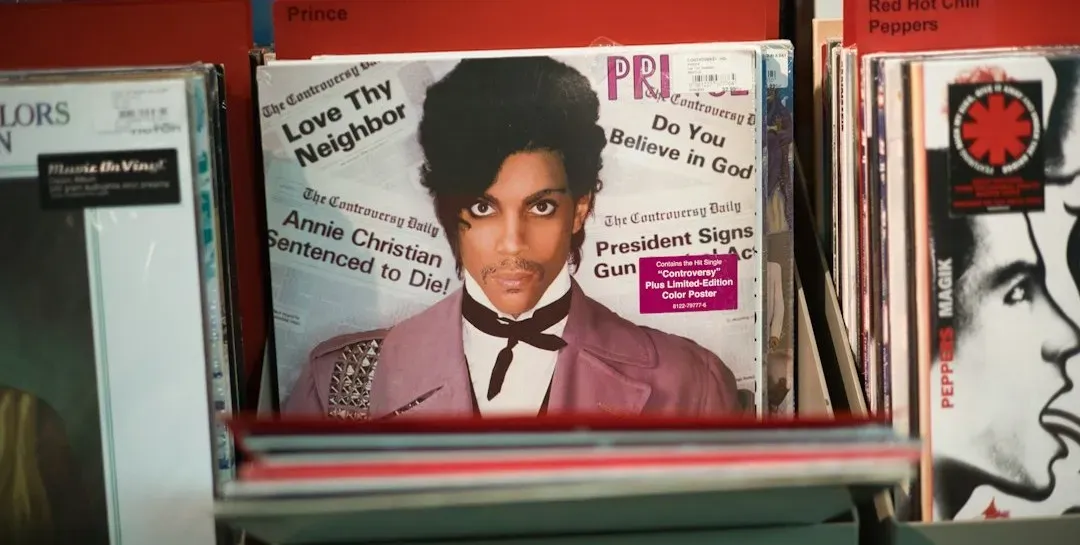
Prince’s fight over his masters became one of the most public artist versus label conflicts of the 1990s. He was unable to own his master recordings, so he went so far as to change his name to a symbol and tried to release music under that in hopes that he would own the master recordings for those albums if his name was not Prince. The strategy did not work as intended, but it made his frustration impossible to ignore.
Persistence eventually paid off, though it took two decades. This did not work but in 2014 the record label gave Prince back his master recordings after he held a public campaign shaming them. The episode remains a frequently cited example of how public pressure, not just legal argument, can shift the balance in a masters dispute.
5. De La Soul
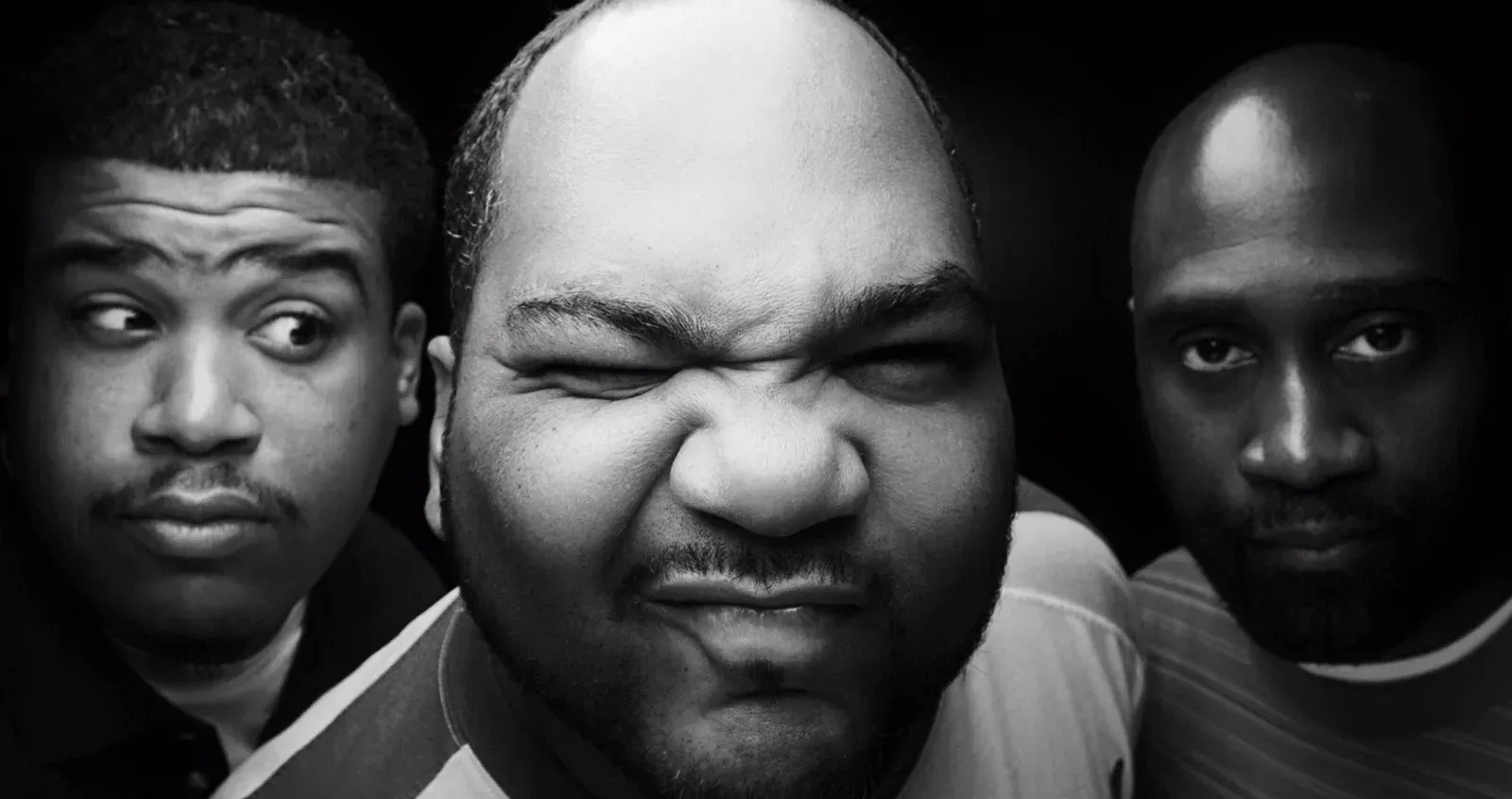
Not every masters story ends with resolution, and De La Soul’s fight illustrates how negotiations can stall out entirely. The hip hop group spent years trying to regain control of their catalog from Tommy Boy Records, the label that released their early and most celebrated albums. The tug of war over master recordings fired back up when De La Soul told fans not to stream or buy their music after negotiations to regain their masters from label Tommy Boy fell through, with the group saying in a statement, “after 30 years of profiting from our music and hard work… we are sad to say that we’ve been unable to reach an agreement.”
Their catalog eventually did make it to streaming platforms through a different arrangement, but the years long standoff showed how tangled these disputes can get, especially for artists from the sampling heavy era of hip hop where clearances add another layer of complication. It is a reminder that owning your masters is not just about who signs the paperwork. It is also about whether the underlying rights are clean enough to actually exploit them.
6. Alabama Shakes

Alabama Shakes built their career on ATO Records, an independent label known for giving artists more favorable terms than a typical major. Released in April 2012, Alabama Shakes’ debut album Boys & Girls was named as one of the year’s best albums by many publications, and the label’s highest selling releases include Sound & Color by Alabama Shakes, certified Platinum by the RIAA. Independent labels like ATO often structure deals so the artist retains ownership or gets it back after a set term, a very different model from the traditional major label approach.
Partner offer
That kind of arrangement let the band build a commercially successful catalog without surrendering long term control the way earlier generations of rock acts often did. It is part of a broader shift in the industry where independent labels compete for talent partly by offering better ownership terms than the majors are willing to match.
7. Chance the Rapper
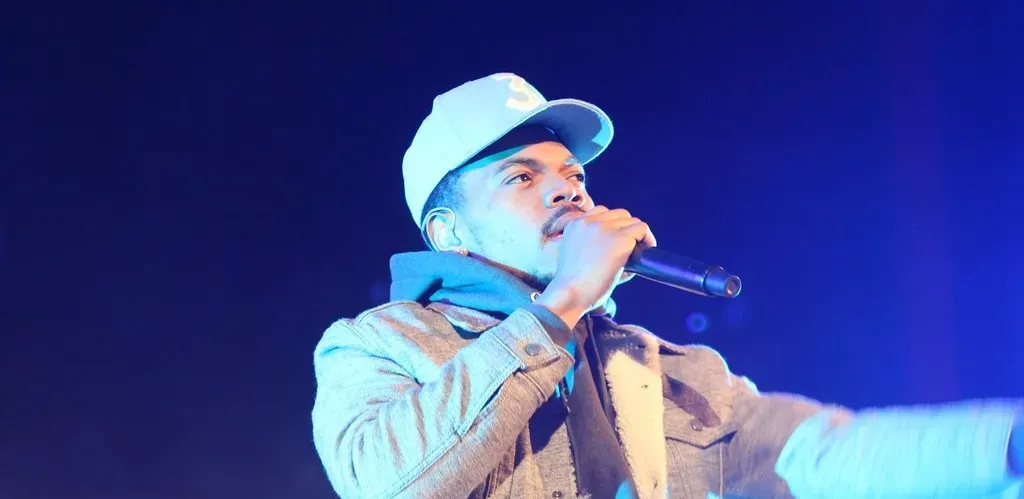
Chance the Rapper’s career offers one of the clearest modern examples of an artist skipping the traditional label system altogether. Chance the Rapper is a notable modern Grammy-winning artist who self-releases his music. By never signing away his masters in the first place, he avoided the reclamation fights that have consumed so many other artists.
His approach reflects a wider trend among independent musicians who release through streaming platforms and distribution services rather than traditional label deals. Owning the masters from day one, rather than fighting to win them back later, has become an increasingly viable path thanks to digital distribution tools that did not exist a generation ago.
8. Stevie Wonder
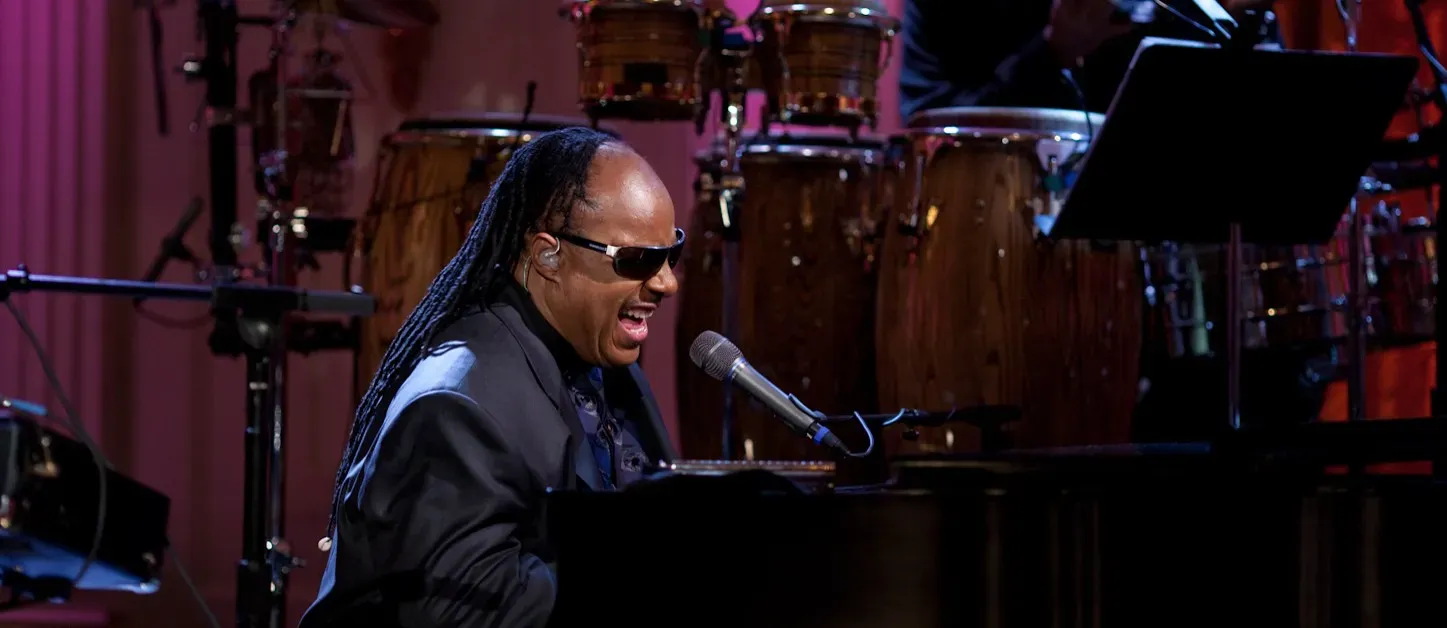
Stevie Wonder’s ownership story dates back further than almost anyone else on this list, and it set a precedent that took decades for the rest of the industry to catch up to. Stevie Wonder had a long journey before he could fully benefit from his music, and he only gained full control over his master recordings after signing a deal with Motown Records back in 1971. That renegotiated contract gave him both creative independence and financial control at a time when almost no artists had either.
The 1971 deal is often cited by music industry historians as one of the earliest examples of a major artist successfully wresting master ownership away from a label rather than simply accepting the standard terms. It gave Wonder the freedom to record the string of albums throughout the 1970s that would come to define his career, without a label dictating the terms of that creative output.
9. ECR Music Group Artists
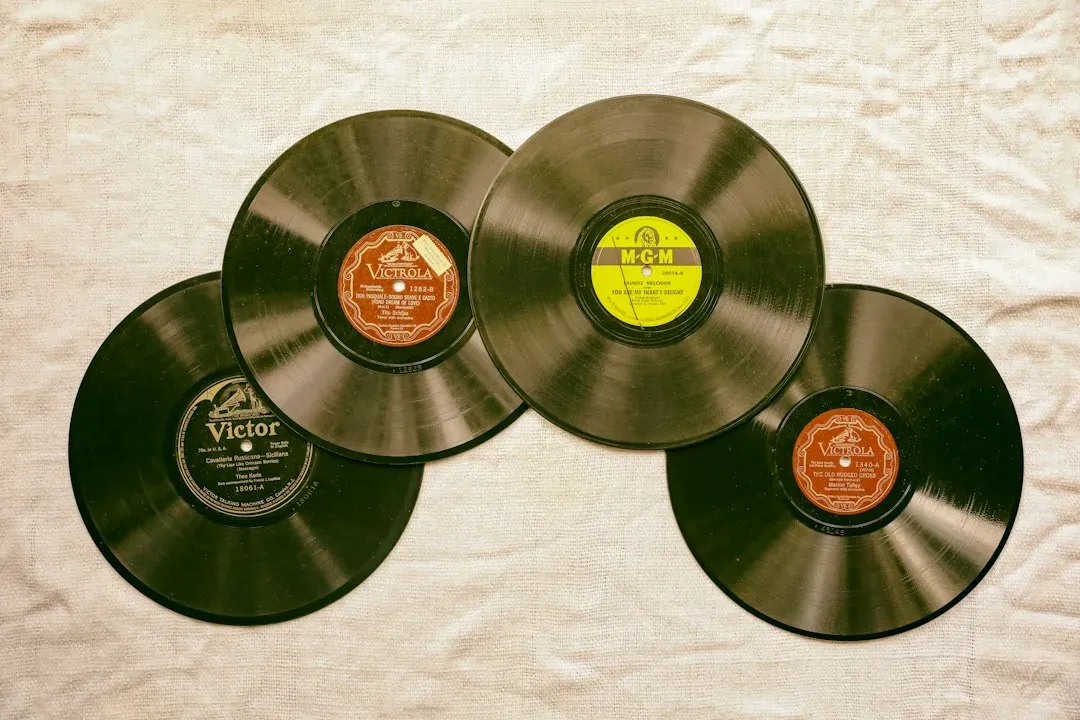
Rather than a single band, this entry covers an entire roster built around a different philosophy from the ground up. The label differs from its counterparts in its artist-friendly philosophy and partnership wherein all ECR artists and labels own 100% of their master recordings. Artists on the roster have included Janita, James McCartney, Tracy Bonham, David Poe, Jill Sobule, Terry Manning, Blake Morgan, Lesley Gore, David Cloyd, and Chris Barron.
The model flips the traditional label relationship on its head. Instead of the label owning the recordings and paying the artist a royalty, the artist owns everything and the label functions more like a services partner, handling distribution and promotion for a smaller cut. It is a structure that has started to spread through the independent music world as more artists prioritize long term ownership over upfront advances.
What ties all nine of these stories together is timing and leverage. Some bands won ownership through a contract clause negotiated years in advance, others through public pressure, a change in label ownership, or simply by refusing to sign away the rights in the first place. The common thread is that owning your masters means owning your future, whatever gets made from streaming, licensing, or reissues down the line belongs to the people who created it, not to whoever happens to be holding the paperwork.
Partner offer
Planning a trip to Vegas?
Compare hotel rates and show tickets on VEGAS.com.