There’s a strange kind of immortality that happens when a film score outgrows its movie. You hear four notes and your pulse quickens, even if you’ve never sat through the actual film start to finish. Some compositions have drifted so far from their original context that they now live independently, recognized by people who couldn’t name the director, the lead actor, or even the plot. This happens more often than you’d think, and it says something about how music works differently than image or narrative. A visual scene fades from memory, but a melody sticks in a way that feels almost physical. Here are eight scores that eclipsed the films they were written for, at least in terms of pure cultural memory.
1. Jaws (1975)
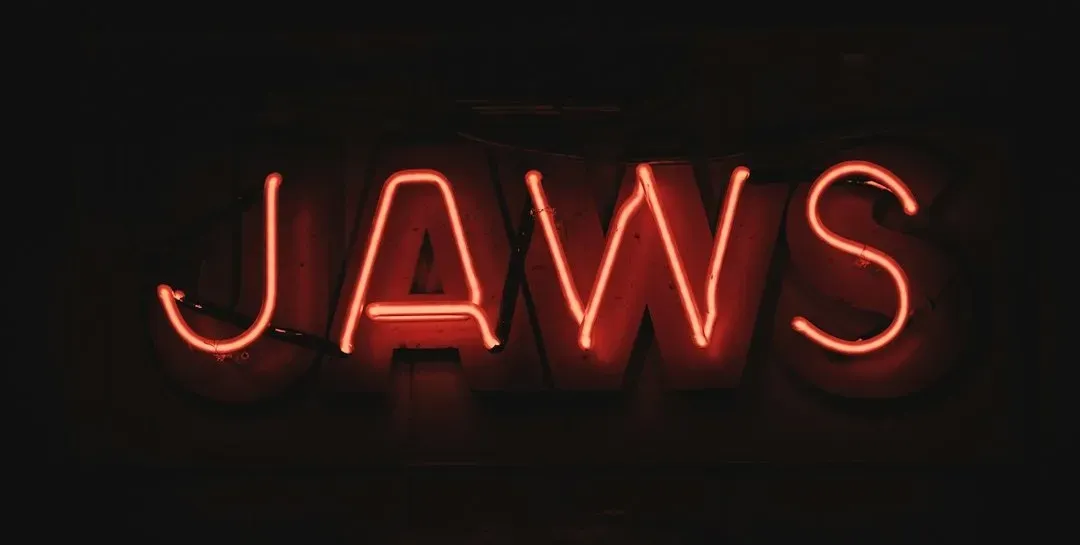
John Williams wrote a theme so simple that it almost seems like a joke, two alternating notes, yet it became shorthand for approaching danger in general. People use it as a verbal gag when someone walks into a room unexpectedly, often having no idea it originated from a movie about a shark terrorizing a New England beach town. The tuba and string motif is now embedded in everyday language the way certain phrases or gestures become universal.
Steven Spielberg has said in interviews over the years that the score essentially saved the film, since the mechanical shark prop malfunctioned constantly during production and forced him to rely on suggestion rather than full reveals. Williams’ music did the heavy lifting that the visuals couldn’t, and audiences absorbed the tension without needing to see much of anything. Decades later, the theme still gets used in commercials, sports broadcasts, and parody sketches that have nothing to do with sharks.
2. Halloween (1978)

John Carpenter composed the Halloween theme in a single evening using a Yamaha synthesizer, working in a 5/4 time signature that gives it an unsettling, slightly off-balance feel. That piano riff has become synonymous with slasher horror as a genre, not just with Michael Myers or the original film. It plays in trailers for movies that have zero connection to the franchise, simply because it signals dread so efficiently.
Carpenter wasn’t formally trained as a composer, which makes the theme’s staying power even more notable. The original 1978 film was made on a modest budget under 400,000 dollars, yet the score has generated a cultural footprint far larger than that number would suggest. Even people who’ve never seen a single Halloween sequel can usually hum the tune correctly.
3. The Pink Panther (1963)
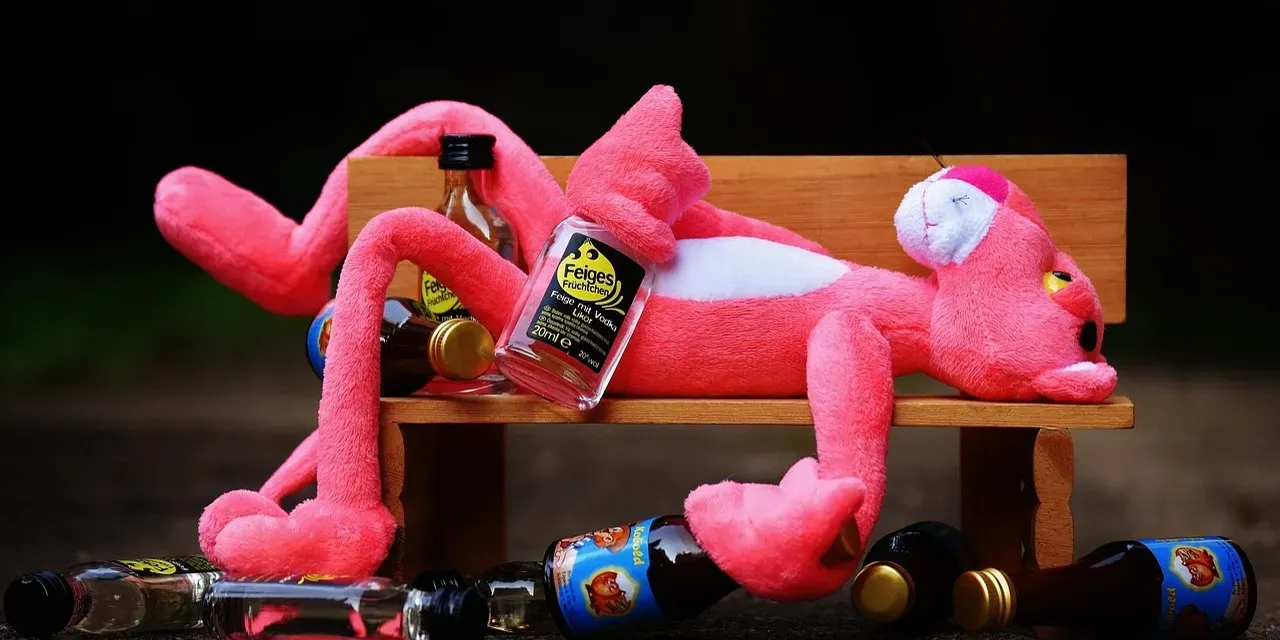
Henry Mancini’s theme for The Pink Panther is arguably better known today through the animated opening credits and the cartoon character than through the actual Peter Sellers comedy it was written for. The saxophone-led melody has a sly, creeping quality that fits a cartoon cat burglar more naturally than it fits the human plot of the original film. Mancini won a Grammy for the composition, and it remains one of the most licensed pieces of music in advertising history.
Most people who recognize the tune couldn’t summarize the 1963 film’s storyline about a jewel thief, but they can picture the pink cartoon panther instantly. That’s a rare case where the music essentially spawned its own separate media franchise, including cartoons, video games, and merchandise, that outlived interest in the original live-action comedy. The panther character himself never appeared in the first film at all, existing only in the opening titles.
4. Psycho (1960)

Bernard Herrmann’s shrieking string arrangement for the shower scene in Psycho is one of the most referenced pieces of music in film history, often called the screech or stabbing strings by people who don’t know its formal name. Alfred Hitchcock reportedly wanted the scene to play without music at all, and Herrmann convinced him otherwise, a decision that changed how the moment landed with audiences. The high-pitched violin attack has since become a stand-in for sudden violence in countless parodies and homages.
Ask someone to imitate a horror movie stabbing sound and there’s a good chance they’ll mimic Herrmann’s strings rather than describe an actual scene from the film. That’s a strange kind of legacy, where a fifty-second musical cue outlives detailed memory of the black-and-white thriller it accompanied. Herrmann’s score for Psycho is frequently ranked among the greatest film scores ever written by critics and musicians alike.
5. The Good, the Bad and the Ugly (1966)
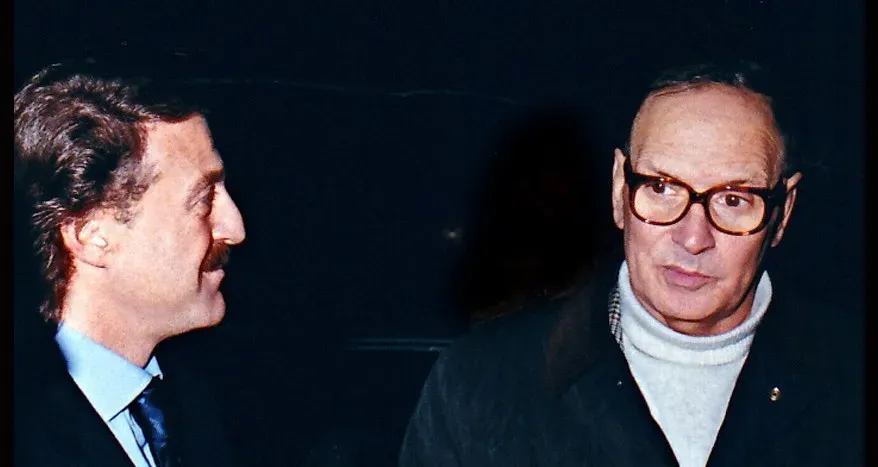
Ennio Morricone’s main theme, with its coyote-like vocal wail and twanging guitar, has become the default sound of the American West in popular imagination, even for people who’ve never watched a single Sergio Leone film. It gets used in trailers, commercials, and sketches to signal a showdown or tension, regardless of setting. The Italian composer wrote the melody before shooting even began, which was unusual for the time and gave Leone room to direct scenes around the music’s rhythm.
Partner offer
Morricone scored more than 500 films across his career, but this particular theme towers over the rest in terms of general recognition. Many listeners couldn’t identify Clint Eastwood’s character or the plot involving a hidden Confederate gold shipment, yet the whistled melody registers instantly. It has become one of those rare pieces of music that transcended its genre entirely.
6. Mission: Impossible (1966 TV series, later film franchise)
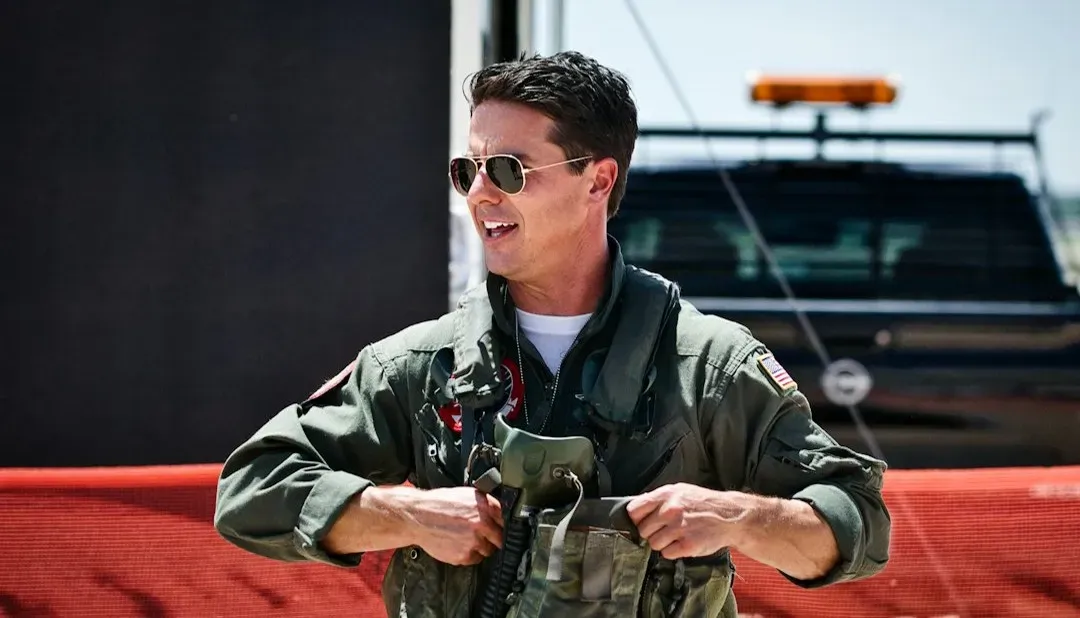
Lalo Schifrin’s theme, built around an unusual 5/4 time signature, was originally written for the 1966 television series before becoming permanently associated with the Tom Cruise film franchise that launched in 1996. The pulsing rhythm and fuse-like percussion evoke urgency and secrecy so effectively that it’s been used as a ringtone, a workout playlist staple, and a shorthand joke for any covert mission in pop culture. Few people under a certain age even know the original show existed.
Schifrin reportedly wrote the theme quickly, inspired by the idea of a lit fuse ticking toward an explosion, and that mental image comes through clearly in the music’s structure. The film franchise has grossed billions of dollars globally across its entries, yet audience surveys and cultural references suggest the theme itself remains the most universally recognized element of the entire brand. It’s one of the few cases where a television score outlived the show and then got adopted wholesale by an unrelated film series.
7. Chariots of Fire (1981)

Vangelis composed a synthesizer-driven theme for this British sports drama about Olympic runners, and the anachronistic electronic sound became one of the most recognizable pieces of music from the entire decade. The slow-motion beach running scene it accompanies is now referenced constantly in commercials, sitcoms, and sports broadcasts, almost always divorced from any knowledge of the 1924 Olympics plot the film actually tells. Vangelis won an Academy Award for the score, one of the film’s four Oscar wins that year.
Surveys and pop culture references over the decades suggest most people associate the theme purely with the image of runners moving in slow motion along a shoreline, rather than with the film’s actual themes of faith and national identity among British athletes. The music has been parodied so frequently, including in comedy sketches, that its emotional weight now functions almost independently of the original story. It’s a rare case of a score becoming visual shorthand even for people who’ve never watched the film in full.
8. The Exorcist (1973)
Mike Oldfield’s Tubular Bells wasn’t written for The Exorcist at all, it was an existing progressive rock instrumental album track that director William Friedkin selected for the opening and closing sequences. Despite that disconnect, the eerie, repetitive piano figure became so tightly linked to the horror genre that many people assume it was composed specifically for the film. Oldfield’s original album actually predates the movie’s release by several months in 1973.
The piece has since been used in countless horror trailers and Halloween-themed media, often with listeners assuming a direct connection to demonic possession imagery that Oldfield never intended. Friedkin’s choice to needle-drop existing music rather than commission an original score was unusual for a major studio horror film at the time. Decades later, that decision is remembered as one of the more effective marriages of a pre-existing composition to cinematic terror in movie history.
These eight examples share a common thread: the music found a way to escape the two-hour container it was built for and settle permanently into the broader cultural bloodstream. Some of that comes down to simplicity, since short, repeatable phrases tend to survive in memory better than longer, more complex passages. Some of it comes down to sheer overuse in advertising and parody, which paradoxically keeps a piece of music alive long after the film that spawned it fades from casual conversation.
Partner offer
Planning a trip to Vegas?
Compare hotel rates and show tickets on VEGAS.com.