
There’s a difference between an album that simply feels thematically connected and one that actually functions as a narrative, complete with characters, turning points, and an ending you can point to. Concept albums of the second kind ask more of their listeners. You’re not supposed to shuffle them or skip around; you’re supposed to sit with the whole thing, start to finish, the way you’d sit through a film. The eight records below all commit fully to that idea. Some tell stories rooted in personal trauma, others build entire fictional universes across decades of releases. What they share is a refusal to let any single song stand completely on its own.
1. Pink Floyd, The Wall
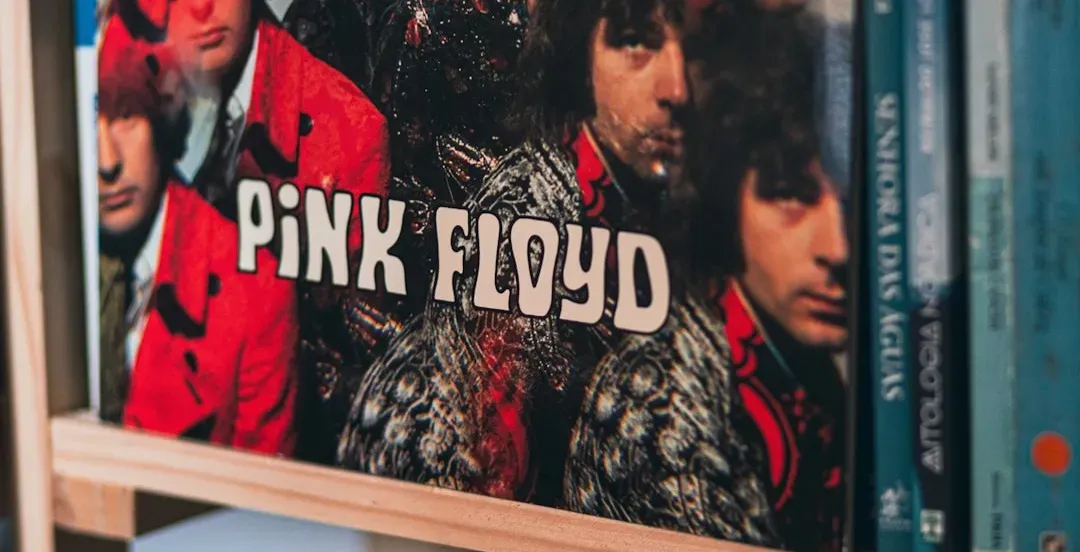
Released in 1979, The Wall follows Pink, a rock star who withdraws from the world by building a metaphorical wall out of childhood loss, an overbearing mother, and the numbing grind of fame. Each track adds another brick, literally and figuratively, until the character isolates himself completely and eventually stages his own surreal trial.
The album’s structure mirrors its subject matter closely, with recurring musical motifs that return in altered form as Pink’s mental state shifts. It remains one of the most commercially successful double albums ever released and is frequently cited as the high point of narrative ambition in classic rock.
2. The Who, Tommy

Pete Townshend’s 1969 rock opera tells the story of a boy who becomes deaf, dumb, and blind after witnessing a traumatic event, only to later develop an almost messianic following through his skill at pinball. Tommy was groundbreaking not just for its subject matter but for proving that a rock band could sustain a full theatrical narrative across an entire double album.
The album’s success led to a 1975 film adaptation and multiple stage productions, cementing its status as one of the earliest and most influential concept albums in rock history. Decades later, its structure still gets referenced as the template other bands borrowed from when attempting their own story albums.
3. The Who, Quadrophenia

Where Tommy leaned toward the fantastical, 1973’s Quadrophenia is grounded in something closer to real life. It follows Jimmy, a young mod in mid-1960s London struggling with identity and belonging, his personality split into four distinct facets represented by the band’s four members.
The story moves through disillusionment, a chaotic weekend in Brighton, and a final, ambiguous confrontation with the sea that leaves Jimmy’s fate open to interpretation. It’s a denser, more psychologically layered story than Tommy, and many longtime Who fans consider it the band’s most fully realized concept work.
4. David Bowie, The Rise and Fall of Ziggy Stardust and the Spiders from Mars

Released in 1972, this album traces the arc of Ziggy Stardust, an androgynous alien rock messiar sent to deliver a message of hope to a dying Earth, only to be consumed and ultimately destroyed by the fame and excess of his own stardom. The narrative isn’t laid out with strict linear precision the way some later concept albums are, but the arc, rise, peak, collapse, comes through clearly across the tracklist.
Bowie fully embodied the character on stage and in interviews for a stretch of years, blurring the line between performer and persona in a way that few artists before or since have attempted. The album is now widely regarded as a foundational text of glam rock and one of the clearest examples of a musician building an entire mythology around a single record.
5. Green Day, American Idiot
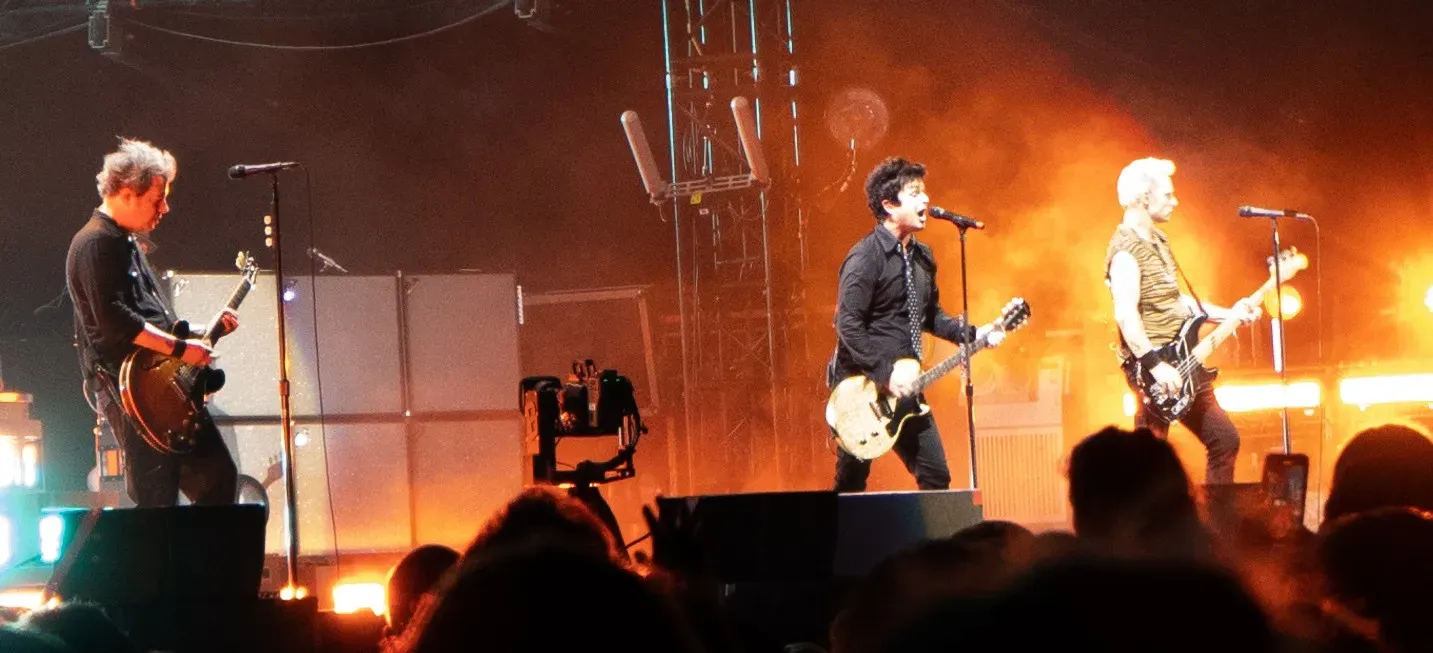
Released in 2004, American Idiot follows a disaffected suburban character named Jesus of Suburbia as he leaves home, moves to the city, and splits into two other characters, St. Jimmy and Whatsername, representing rebellion and lost love respectively. The album was widely read as a response to the political climate of the George W. Bush years, though its themes of alienation and searching for identity have kept it relevant well beyond that specific moment.
American Idiot went on to become a Broadway musical, a rare achievement for a punk rock record, and it revived Green Day’s commercial fortunes after a run of less ambitious releases. The band followed it with a loose sequel, 21st Century Breakdown, though American Idiot remains the tighter and more coherent of the two stories.
6. My Chemical Romance, The Black Parade
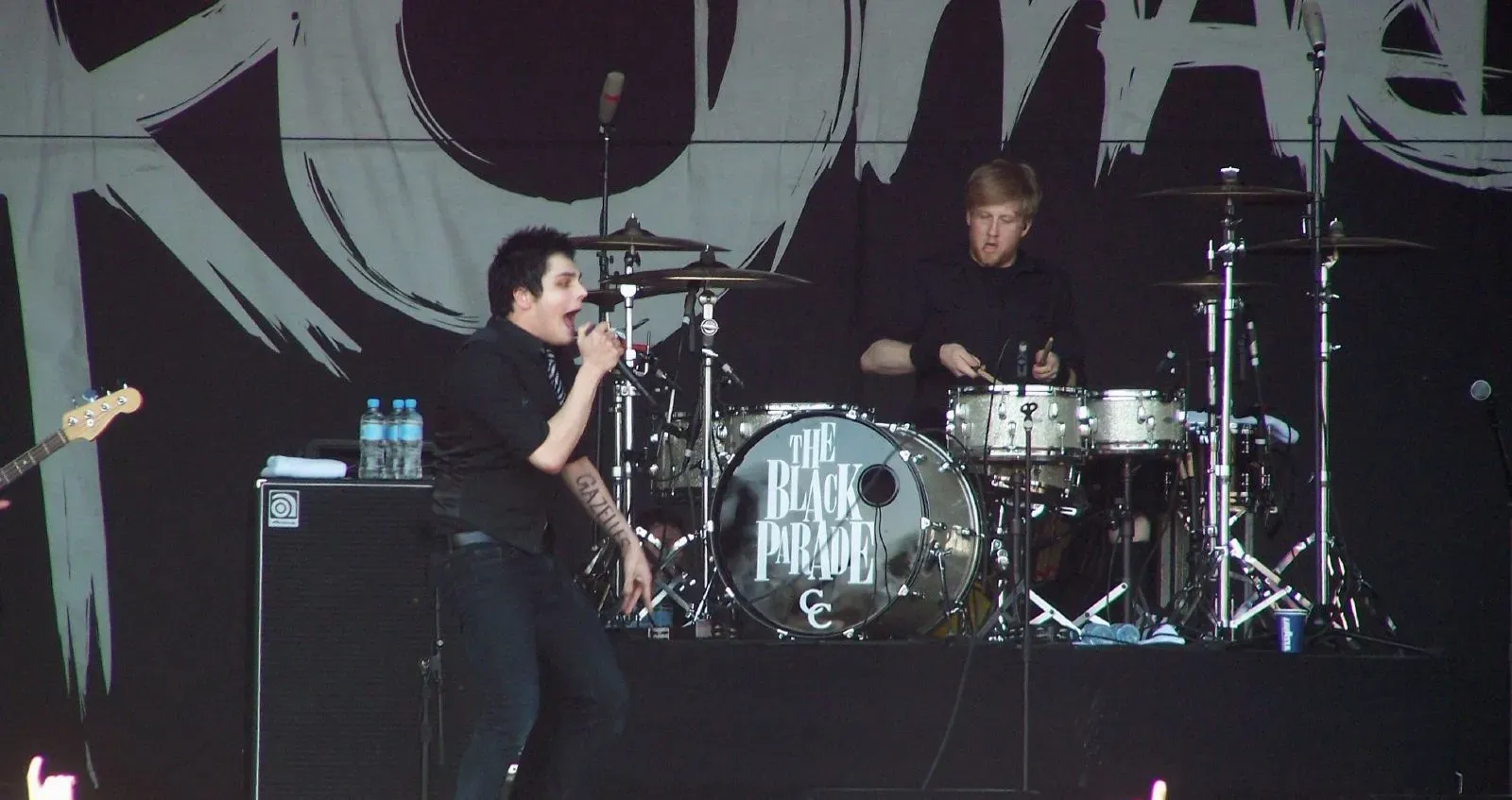
My Chemical Romance’s 2006 album centers on a character known only as the Patient, who is dying of cancer and confronts memories of his life as death, personified as a black parade, arrives to guide him. The record moves between defiance, regret, and eventual acceptance, structured almost like stages of grief set to music.
The Black Parade became the band’s commercial and creative peak, pushing them from an emo-adjacent rock act into something closer to theatrical arena rock. Its influence is still audible in a lot of 2020s emo revival and pop-punk adjacent acts who cite the record’s blend of bombast and vulnerability as a direct inspiration.
7. Coheed and Cambria, In Keeping Secrets of Silent Earth: 3
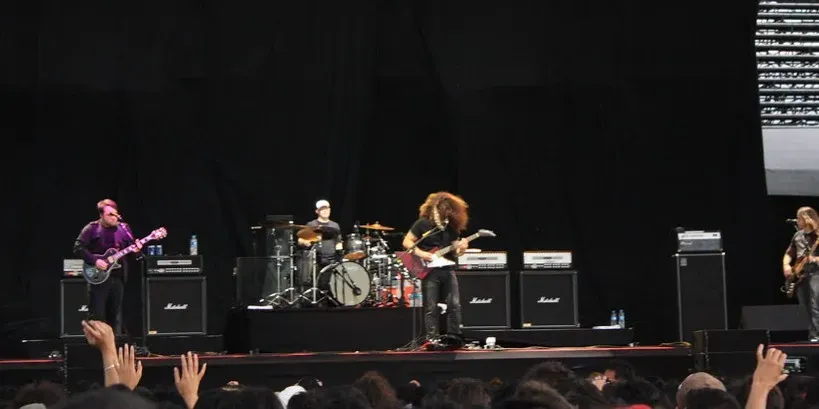
The album picks up with the character Claudio, who emerges from the depths of a planet called Shylos Ten years after the events of the band’s debut, only to discover his entire family has been murdered, setting him on a quest for revenge. The record has sold over 500,000 copies, earned RIAA Gold certification, and was described by Entertainment Weekly as one of the key albums in the modern prog rock revival. What makes it unusual on this list is that the story doesn’t end here; it continues across multiple later Coheed and Cambria releases, making this one entry in a much larger interconnected saga rather than a self-contained tale.
8. Ayreon, The Human Equation

Unable to communicate with the outside world, the man finds himself trapped in a strange realm where his emotions, most of which he’s repressed for a long time, come to life to confront him with the choices he’s made. Each track represents a single day of his hospitalization, with different vocalists voicing his various emotions rather than external characters. The album features guest vocalists including James LaBrie of Dream Theater, Mikael Åkerfeldt of Opeth, Eric Clayton of Saviour Machine, and Devin Townsend, an approach that lets the psychological drama unfold almost like a stage play performed entirely through voice.
Taken together, these eight albums show just how differently a story can be told through song. Some rely on a single character’s internal collapse, others build sprawling fictional universes meant to stretch across multiple records and decades. What connects them is a commitment to sequence: skip a track, and something in the plot goes missing. That’s a rare thing to pull off in an album format built around individual songs, and it’s part of why these particular records keep getting revisited by new listeners decades after their release.