
Hollywood loves a happy ending, but not every director gets one. Sometimes a filmmaker pours years into a project only to watch a studio recut it, reshape it, or hand the final scissors to someone else entirely. What follows isn’t quiet disappointment tucked into a DVD commentary. It’s public, sometimes furious, and occasionally career altering.
The stories below span decades and genres, from big budget superhero movies to horror sequels and one very strange meta comedy about disowning a movie. Each one involves a director who, at some point, stood up and said this isn’t mine anymore, or at least not the version I wanted you to see.
1. Tony Kaye and American History X
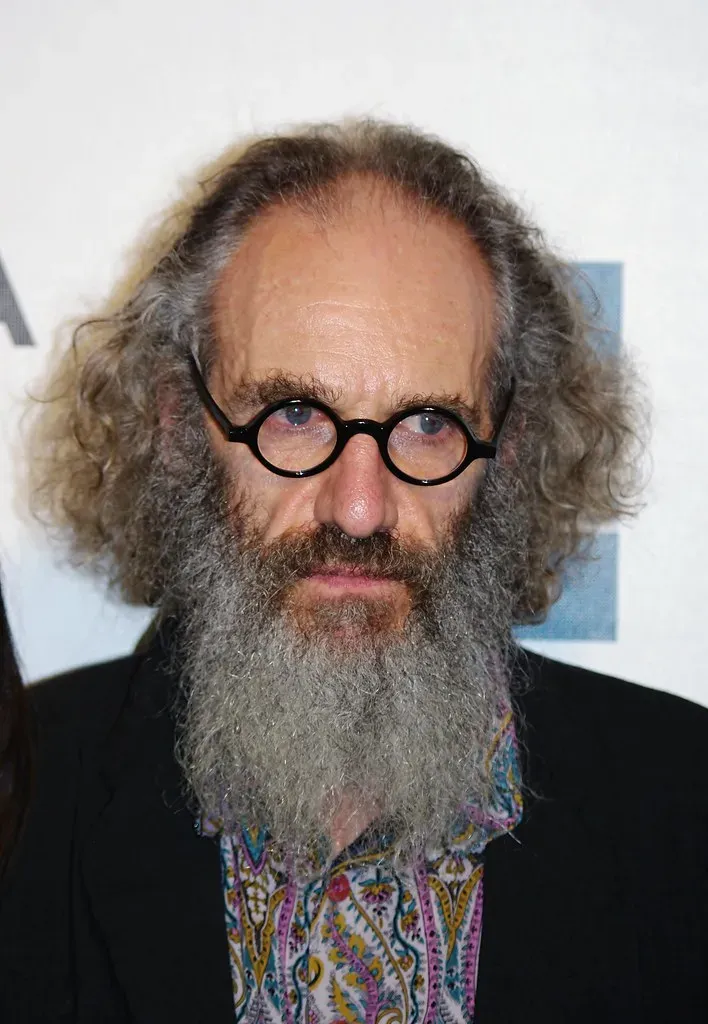
Before Tony Kaye directed a single frame of American History X in 1998, he had built a reputation shooting commercials. The feature debut should have launched him into the director’s A list. Instead, disputes over the final cut with New Line Cinema, and reported creative input from star Edward Norton during editing, left Kaye furious enough to try something drastic.
The final version was 40 minutes longer than Kaye’s 95-minute cut, which resulted in him publicly disowning the film through dozens of trade paper advertisements, thus negatively affecting his directing career. He then tried to get the Directors Guild to credit the film to Alan Smithee, the pseudonym reserved for directors distancing themselves from studio interference. The Directors Guild of America blocked the effort, however, because DGA guidelines stipulated that directors could only use the Smithee pseudonym if they agreed not to publicly disparage the film, something the overly vocal Kaye had already done.
2. David Fincher and Alien 3
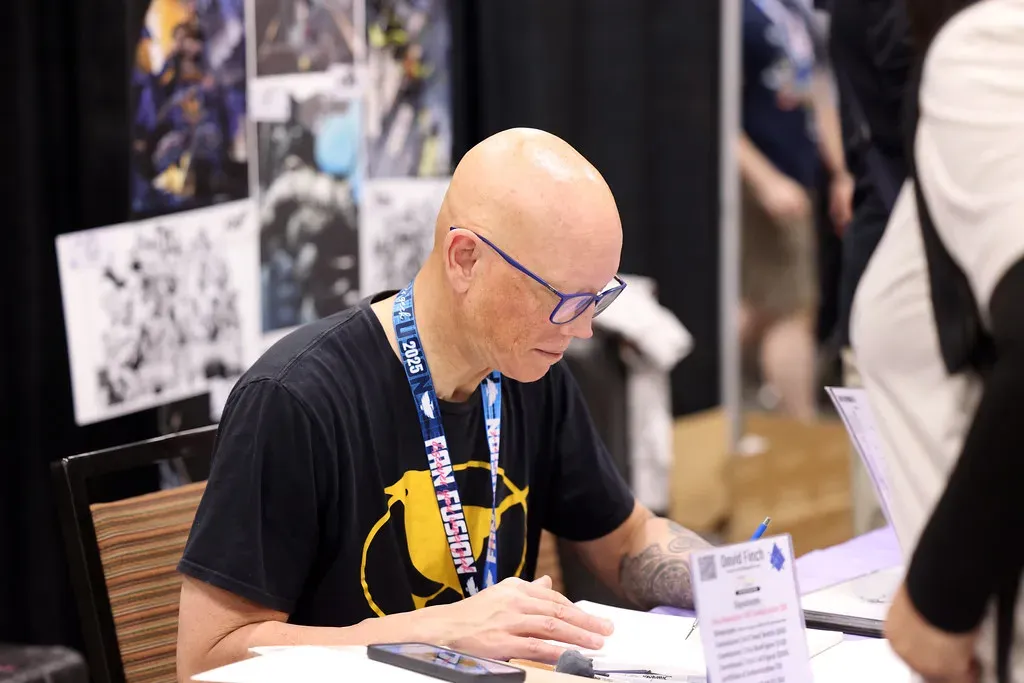
Long before he became one of the most meticulous filmmakers working today, David Fincher was a first time feature director thrown into a franchise already in crisis. Alien 3 had already burned through multiple screenwriters and a previous director before Fincher arrived, and the pressure never let up. Fincher was so upset by his experience on Alien 3 that he has disowned the film entirely, and his viewpoint is completely understandable, as it was his feature film debut and he was constantly overruled and disrespected during an extensive writing process.
Fincher has rarely minced words about the experience since. He recalled, “I had to work on it for two years, got fired off it three times and I had to fight for every single thing… It was a baptism by fire. I was very naive,” and offering a damning take on his own film, he said, “To this day, no one hates it more than me.” Fox eventually assembled an alternate “Assembly Cut” without him. Fincher was asked to oversee the new cut, he ultimately refused, and instead gave supervising producer Charles de Lauzirika his blessing to step in his place so long as they didn’t refer to it as a director’s cut.
3. David Lynch and Dune
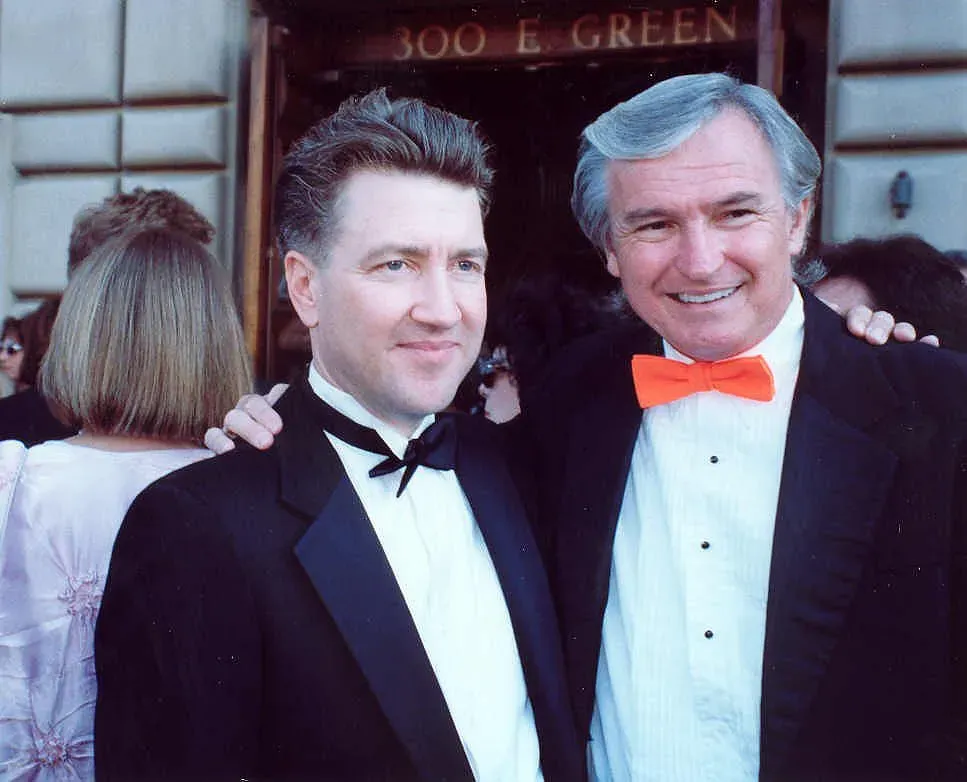
David Lynch’s take on Frank Herbert’s Dune was supposed to be his mainstream breakthrough after the acclaim of The Elephant Man. Instead, the 1984 sci-fi epic became one of Hollywood’s most famous cautionary tales about studio interference clashing with a singular artistic vision. David Lynch is known for his surrealist films, many of which have received considerable acclaim, but when he tried his hand at a sci-fi epic, with 1984’s Dune, the critical response was negative, and the movie was also a box-office bomb, which led Lynch himself to ultimately disown it.
Lynch was reportedly denied final cut on the theatrical release, and the studio imposed changes he never agreed with. For years afterward, he requested that his name be removed from certain extended television versions of the film, preferring the pseudonym credit instead. Dune has since found a cult following and critical reassessment, but Lynch himself largely avoided discussing the project in detail for the rest of his career.
4. Josh Trank and Fantastic Four
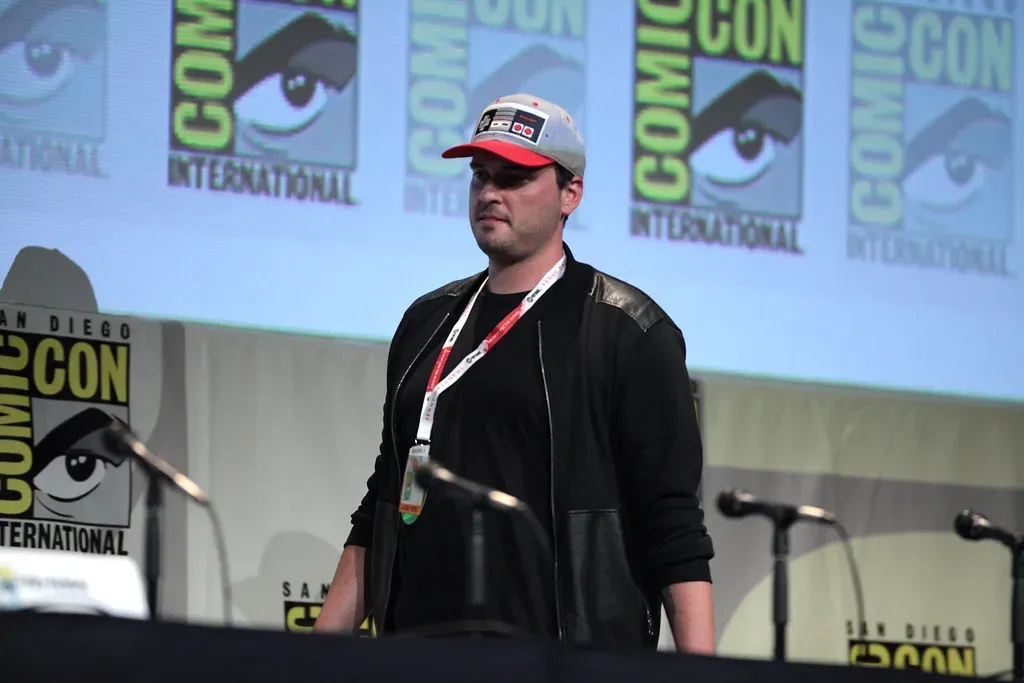
Josh Trank arrived on 2015’s Fantastic Four reboot fresh off the low budget hit Chronicle, expected to bring a grounded, genre bending edge to the Marvel property. What audiences got instead was a film plagued by reshoots, executive meddling, and a notoriously troubled production that became public knowledge almost immediately. The night before release, a Josh Trank Fantastic Four tweet spread quickly before being deleted, distancing himself from the movie and lamenting the final cut.
The tweet itself was blunt. On the eve of the 2015 premiere, Trank wrote, “A year ago, I had a fantastic version of this. And it would have received great reviews. You’ll probably never see it. That’s reality though.” The fallout was significant, both financially and personally. Trank has since admitted he regrets a negative tweet he posted that ended up costing Fox an estimated ten million dollars. Years later, in a Letterboxd review of his own film, he offered a more measured but still critical verdict, admitting the movie only came out “alright.”
5. Zack Snyder and the 2017 Justice League
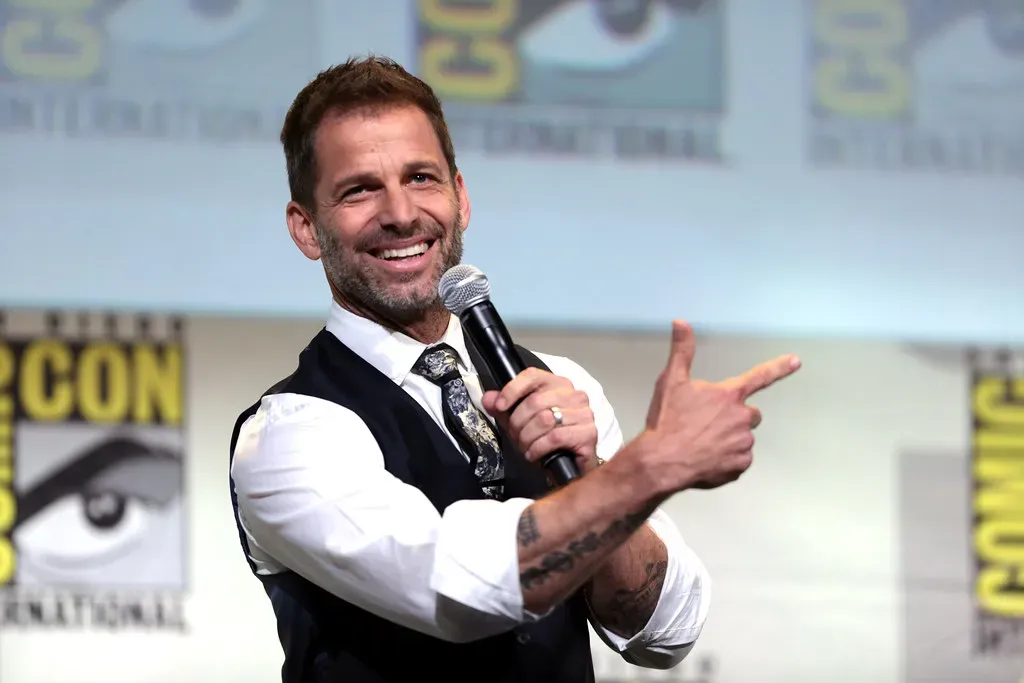
Zack Snyder’s relationship with the theatrical version of Justice League is one of the more well documented studio battles of the modern blockbuster era. After stepping away from the project during post production following a family tragedy, Warner Bros. brought in Joss Whedon to oversee extensive reshoots and edits, resulting in a film that bore little resemblance tonally to Snyder’s original plan.
Snyder has consistently distanced himself from the 2017 theatrical cut in interviews, press appearances, and social media, never presenting it as representative of his work. The years long fan campaign for a “Snyder Cut” eventually led HBO Max to release Zack Snyder’s Justice League in 2021, a four hour version that Snyder has embraced as the film he intended to make. The gap between the two versions, both creatively and in how their own director talks about them, remains one of the clearest modern examples of a filmmaker rejecting a studio’s final product.
6. David Ayer and Suicide Squad
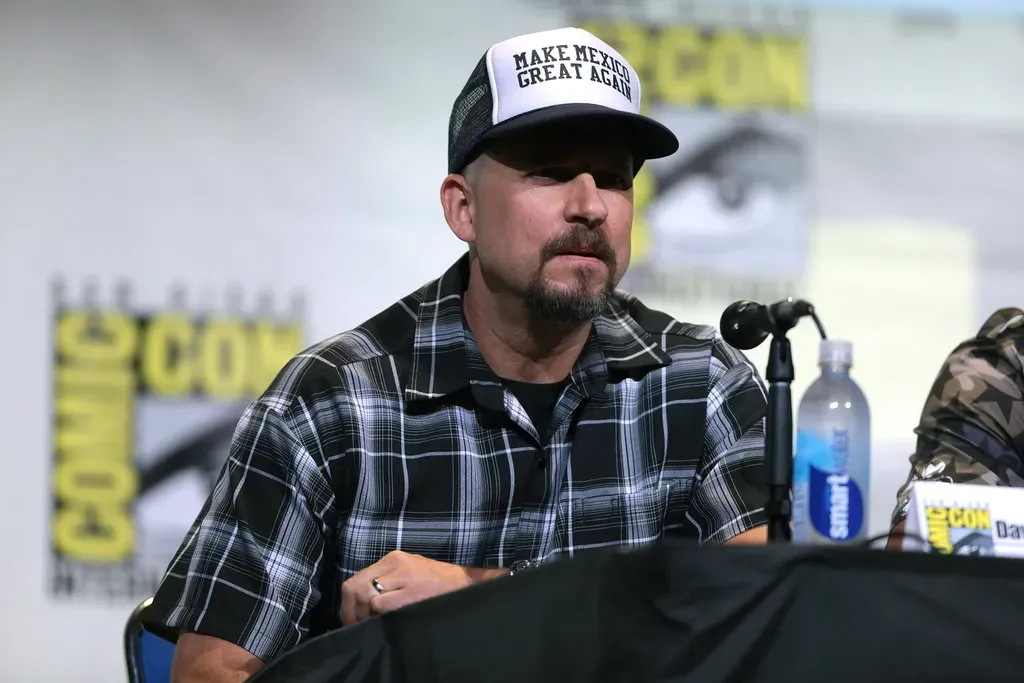
David Ayer’s Suicide Squad hit theaters in 2016 amid heavy marketing and high expectations, only to face a mixed critical reception tied largely to its choppy pacing and tonal inconsistency. Reports at the time and in years since indicated that the theatrical cut differed substantially from Ayer’s original vision, shaped in part by test screening feedback and a competing trailer house’s edit that reportedly influenced reshoots.
Ayer has spoken publicly on multiple occasions about wanting an “Ayer Cut” released, expressing frustration that the version audiences saw did not reflect his intended film. He has been notably more restrained than some peers in outright condemning the release, but his repeated public campaigning for an alternate cut functions as its own form of disownment. Unlike the Snyder Cut, Ayer’s preferred version has not been officially released in full, leaving the dispute somewhat unresolved.
7. Michael Mann and the television cut of Heat
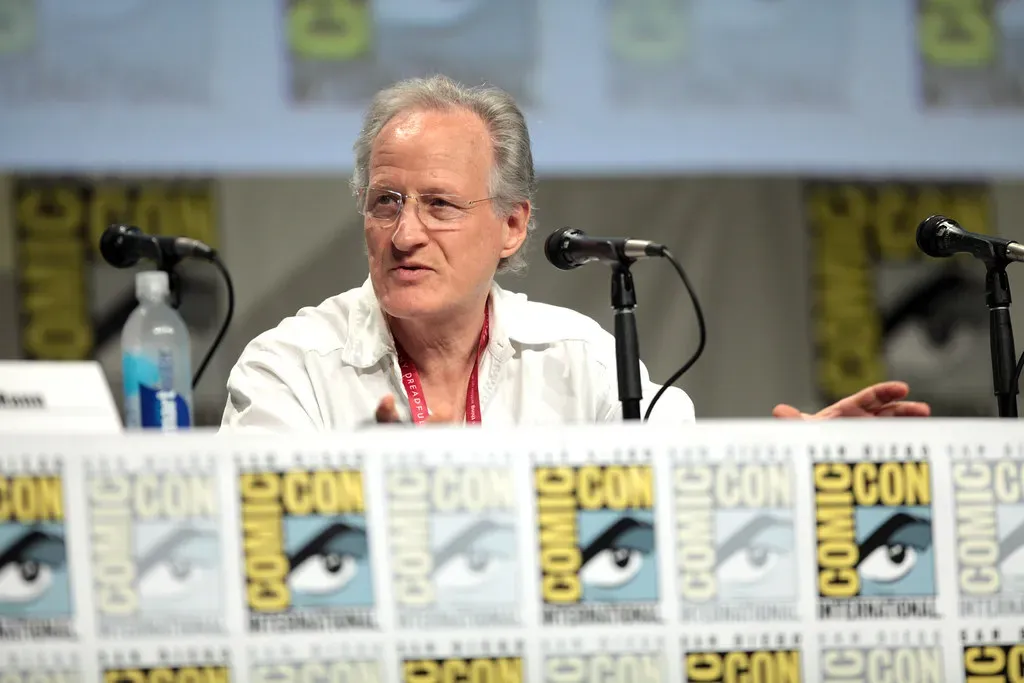
Michael Mann’s 1995 crime epic Heat is widely regarded as one of the finest films of its genre, built on the tension between Robert De Niro and Al Pacino’s characters. The theatrical version is not the source of Mann’s frustration. It’s the heavily trimmed broadcast television cut that drew his ire.
Forty minutes were trimmed from Michael Mann’s critically acclaimed film for television broadcast, cuts made in order to fit a three hour slot with commercial breaks. Mann was so upset with the results that he disowned the TV version, giving credit to Alan Smithee. It stands as a reminder that disownment doesn’t always apply to an entire film. Sometimes it’s aimed squarely at one specific, mangled version of it.
8. Kevin Yagher and Hellraiser: Bloodline

Hellraiser: Bloodline arrived in 1996 as the fourth entry in the horror franchise, with makeup effects artist turned director Kevin Yagher stepping behind the camera. Studio Miramax reportedly clashed with Yagher over the film’s tone and structure, leading to significant reshoots overseen by other hands after his cut was deemed unsatisfactory by executives.
The director of Hellraiser Bloodline wasn’t happy with how the studio cut chunks from the film and chose to be credited as Alan Smithee. The finished product carries none of Yagher’s name in its directing credit as a result, a quiet but permanent record of his refusal to claim the theatrical release as his own work. It remains one of the more overlooked examples of a director walking away from credit entirely rather than defending a compromised film.
9. Arthur Hiller and An Alan Smithee Film: Burn Hollywood Burn
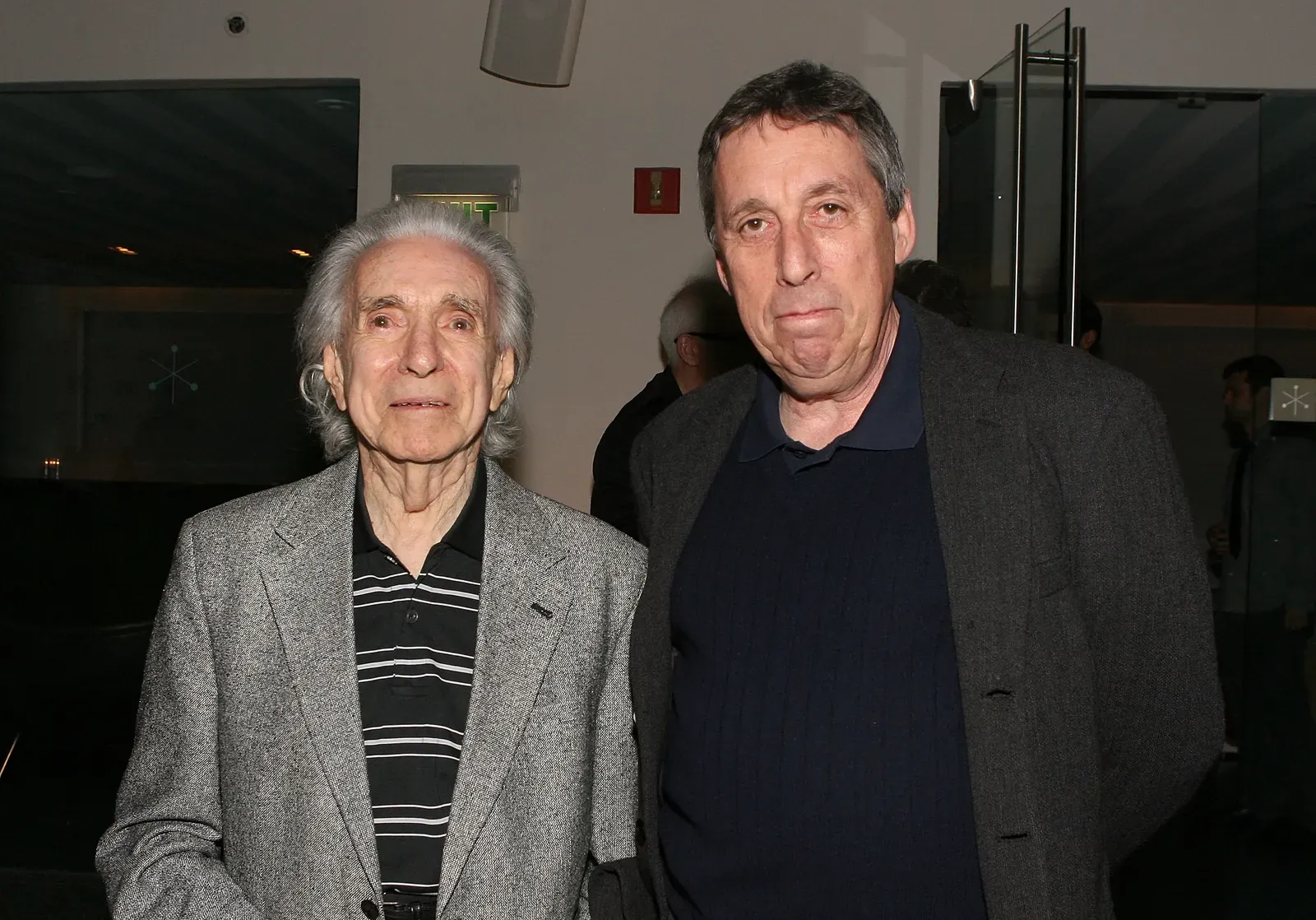
This entry carries a layer of irony that few others on this list can match. In 1997, director Arthur Hiller took on a satirical comedy about a fictional director who wants to disown his own film but legally cannot, because his name happens to be Alan Smithee. The comedy An Alan Smithee Film Burn Hollywood Burn was released, in which a director wants to disown a film but cannot because his real name is Alan Smithee.
Life imitated the plot almost immediately. The publicity around this movie, and especially around the fact that director Arthur Hiller asked and got an Alan Smithee credit for it, made the Directors Guild decide to discontinue using the Alan Smithee credit. A film built around the joke of a director disowning his work ended up being disowned by its actual director, which effectively ended the very pseudonym the movie was parodying. Few behind the scenes stories in Hollywood history carry that particular kind of self referential punchline.
Taken together, these nine cases show that disowning a film rarely comes from vanity or a fragile ego. It usually comes from a director watching years of work reshaped by committee, test audiences, or executive notes, and deciding they would rather speak up than pretend the result was theirs. Some of these films, like Alien 3 and Dune, have found redemption through reassessment and alternate cuts. Others, like the television version of Heat or Hellraiser: Bloodline, remain footnotes that only the most dedicated fans ever dig into. Either way, the split between what a director intended and what audiences actually saw remains one of the more human, unpolished corners of blockbuster filmmaking.