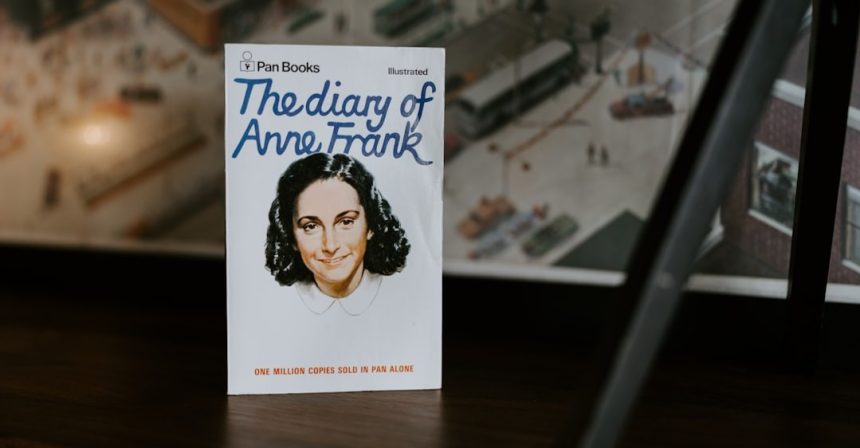
Every editor has a story about the one that got away. Publishing is a business built on educated guesses, and sometimes those guesses miss by a mile, turning down manuscripts that would go on to sell in the tens or hundreds of millions of copies. The following nine cases are among the most well documented examples of rejection letters that, in hindsight, look almost comically wrong.
1. Harry Potter and the Philosopher’s Stone


Before Bloomsbury took a chance on J.K. Rowling, twelve publishers rejected Harry Potter and the Philosopher’s Stone. Reasons cited by editors at the time included concerns that the story was too conventional, too long, too weird or too old-fashioned. Rowling’s own agent later explained that houses worried the boarding school setting would feel too “exclusive” to many readers.
Bloomsbury only agreed to publish it after the chairman’s young daughter read the first chapter and demanded to see the rest. Even then expectations were modest, since the first print run was a meagre 500 copies. The series has since become one of the best selling book franchises in history, and those twelve rejecting publishers missed out on what turned into a global entertainment empire spanning books, films, theme parks, and merchandise.
2. Carrie by Stephen King

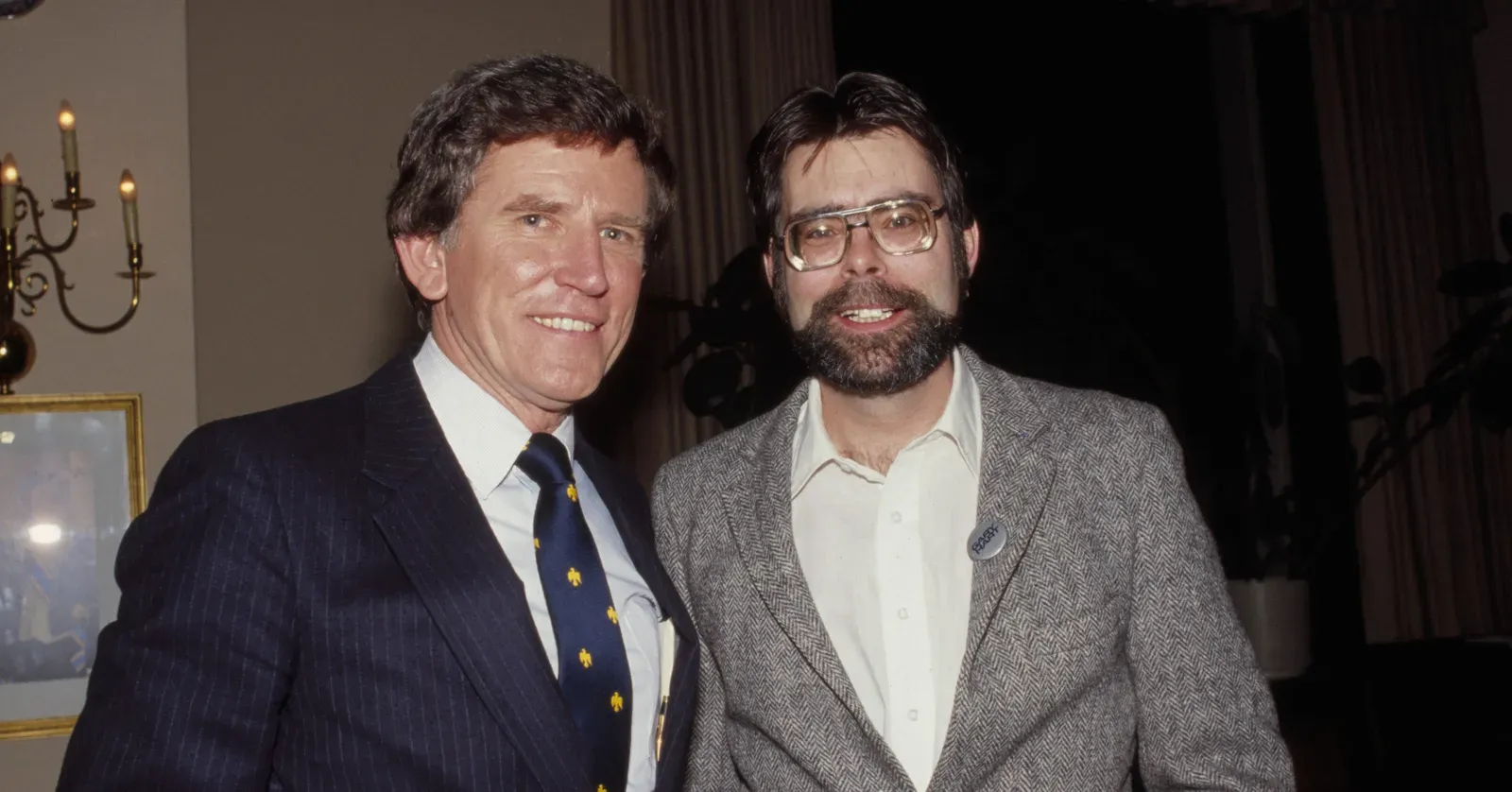
Stephen King’s debut novel almost never existed at all. He originally abandoned the manuscript after just a few pages, and it was his wife Tabitha who persuaded him to continue writing, and rescued the first three pages of the story from the trash. Once finished, the book made the rounds and collected an extraordinary number of no’s, with Carrie rejected by publishers a whopping 30 times before it finally found a home.
One rejection letter reportedly stated that the publisher was “not interested in science fiction which deals with negative utopias. They do not sell.” Doubleday finally bought it, and King used the money to move his family into a slightly better apartment. The paperback rights later sold for $400,000, an extraordinary sum at the time, launching a career that has produced hundreds of millions of book sales worldwide.
3. Chicken Soup for the Soul


Few rejection tallies in publishing history rival what Jack Canfield and Mark Victor Hansen endured with their inspirational anthology. According to widely cited industry accounts, Chicken Soup for the Soul by Jack Canfield and Mark Victor Hansen received 140 rejections before finding a home. Some sources put the number even higher, near the mid one hundreds.
The eventual payoff was staggering. The franchise has grown into a publishing juggernaut, with Chicken Soup for the Soul reportedly selling more than 500 million copies globally across its many spinoff titles. It is now regularly cited as one of the clearest examples of how subjective and unpredictable acquisition decisions can be.
4. Zen and the Art of Motorcycle Maintenance


Robert Pirsig’s philosophical road trip narrative holds a rather unusual distinction. His manuscript was famously rejected 121 times before being accepted by William Morrow and Company, a number that landed the book in the record books as one of the most rejected bestsellers ever published. The editor who eventually said yes later remarked that the manuscript “forced me to decide what I was in publishing for.”
Once released in 1974, the book found a devoted readership drawn to its blend of memoir, travel writing, and philosophy. It has since sold 5 million copies and made the Guinness Book of Records as most turned down best-seller. The 120 or so publishers who passed on it missed a book that continues to be assigned in college courses and cited in discussions of American nonfiction.
5. Gone with the Wind

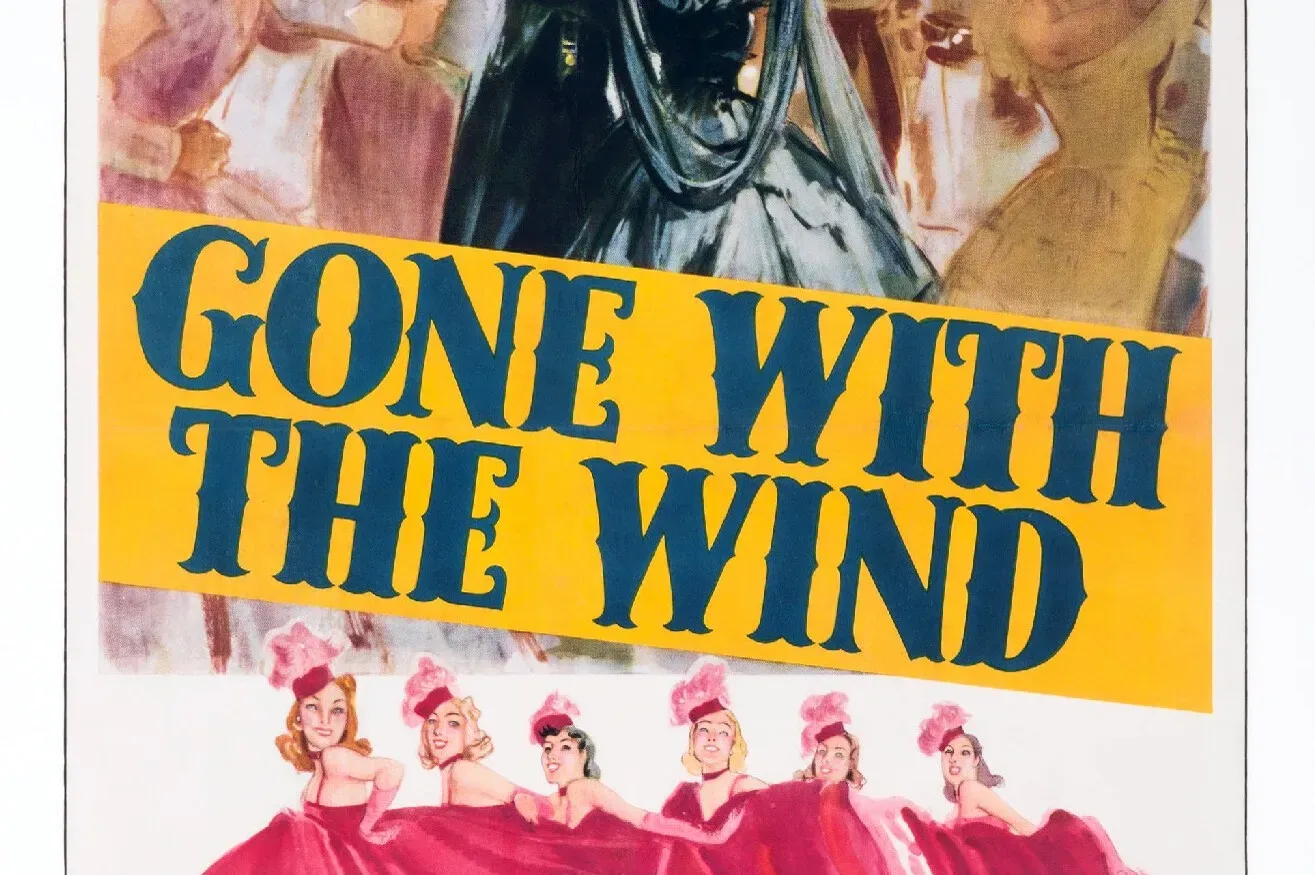
Margaret Mitchell’s sweeping Civil War era romance was the only novel she ever published, and it took considerable persistence to get it into print. Accounts consistently note that the story of Scarlett O’Hara and Rhett Butler was rejected by 38 publishers before it was printed. Many editors apparently balked at the manuscript’s enormous length.
The eventual publisher’s gamble paid off in spectacular fashion. The novel went on to sell over 30 million copies and win the Pulitzer Prize in 1937. The 1939 film adaptation became one of the highest grossing movies ever made when adjusted for inflation, cementing the story’s place in American popular culture.
Partner offer

6. Watership Down


Richard Adams originally told the story of Hazel and Fiver to entertain his two daughters on a car ride, and they were the ones who insisted he write it down. Turning that story into a published book proved harder than expected, as the manuscript was rejected on the grounds that it was too long for children, and adults would not want to read a story about rabbits. Depending on the source, the tally of rejections ranges from around thirteen to twenty, with one detailed account noting it was rejected by thirteen publishers over the roughly two years it took to write.
A small publisher finally took it on with a modest advance and an even more modest print run. Once released, it sold over a million copies in record time in both the United Kingdom and the United States. The novel remains a staple of school reading lists and animal fiction more than five decades later.
7. Dune by Frank Herbert


Frank Herbert’s sprawling science fiction epic about desert planet politics and prophecy struggled to find a home despite its ambition. Multiple accounts place the number of publisher rejections at around twenty before it finally reached print, with some tallies going slightly higher into the low twenties. The book that eventually accepted it was better known for automotive manuals than literary fiction.
That unlikely gamble turned Dune into one of the most influential science fiction novels of all time. It is now widely regarded as the best selling science fiction novel in history, and its influence stretches across decades of film, television, and game adaptations, including two major recent movie installments that reintroduced the story to a new generation of readers.
8. The Diary of a Young Girl by Anne Frank

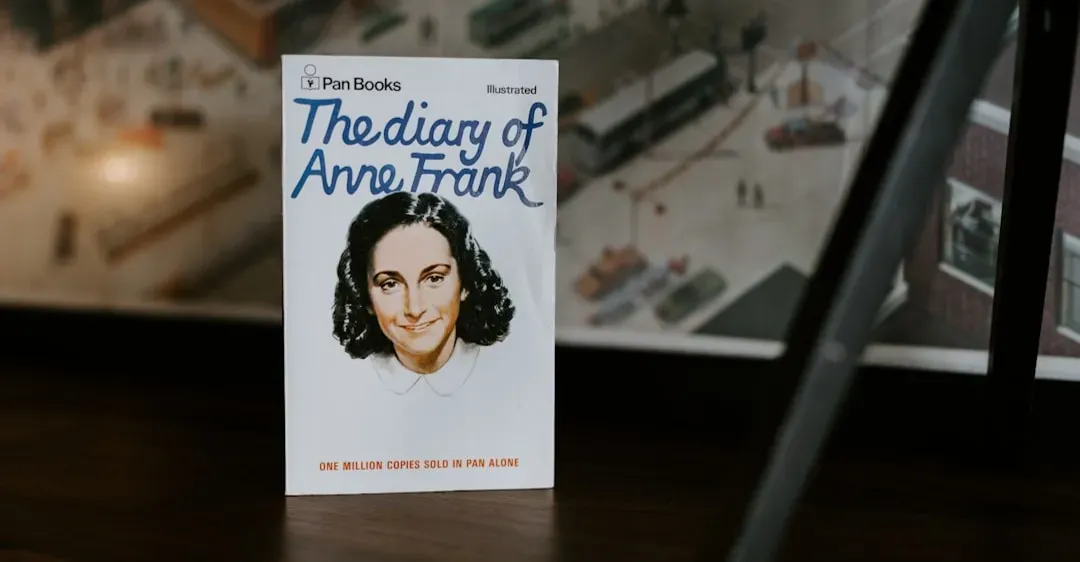
Otto Frank faced a difficult path trying to find an American publisher willing to take on his daughter’s wartime diary. Historical records from the Anne Frank House note that the manuscript had been turned down by 10 publishers before Doubleday decided to acquire the rights. One rejection reportedly dismissed the diary as lacking the perspective needed to lift it above a mere “curiosity” level.
The breakthrough came through editor Judith Jones, who discovered the French edition of the diary in a pile of rejected manuscripts. Since its eventual publication, the diary has been translated into dozens of languages and remains one of the most widely read nonfiction works about the Holocaust, studied in classrooms around the world.
9. A Wrinkle in Time by Madeleine L’Engle

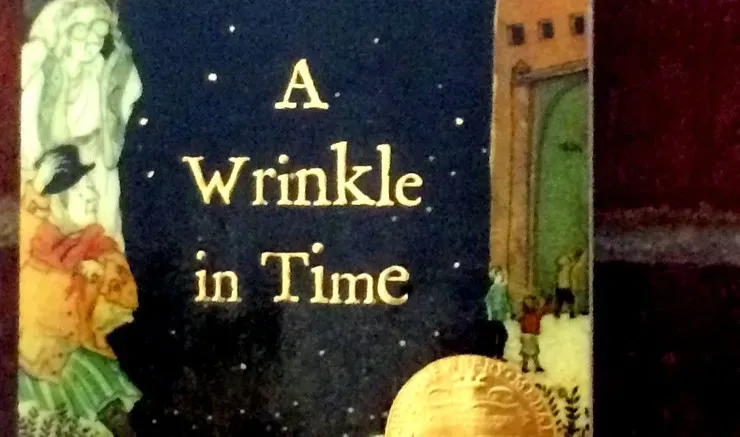
Madeleine L’Engle’s genre bending mix of science fiction, fantasy, and family drama did not have an easy road to bookstores either. According to multiple sourced accounts, A Wrinkle in Time was turned down 29 times before she found a publisher. Editors reportedly struggled to categorize the book, unsure whether it belonged on children’s shelves, science fiction shelves, or somewhere else entirely.
Once published, the novel found an enthusiastic readership and went on to win the Newbery Medal, one of the most prestigious honors in children’s literature. It has remained continuously in print for decades and was adapted into a major studio film in 2018, introducing Meg Murry’s interdimensional journey to yet another generation of young readers.
These nine stories share a common thread. The publishers who said no were not incompetent or careless. They were making reasonable judgments based on the market signals available to them at the time, and in each case those signals turned out to be misleading. Length, subject matter, genre, and marketability all played a role in the original rejections, yet none of those concerns predicted the eventual reception these books received from actual readers. The gap between an editor’s early impression and a book’s long term impact remains one of the more humbling constants in publishing.Partner offer
Planning a trip to Vegas?
Compare hotel rates and show tickets on VEGAS.com.