


Every so often, a record arrives too early for its own good. Critics shrug, radio ignores it, sales stay flat, and the artist moves on to the next thing, sometimes bitterly. Then, years or even decades later, a strange thing happens: musicians start citing the album as an influence, reissue labels notice growing demand, and suddenly it’s sitting near the top of “greatest albums ever” lists. The eight records below all followed that same quiet arc, from commercial disappointment to lasting reverence.
The Velvet Underground & Nico (1967)

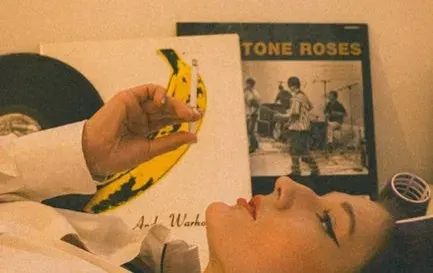
When Verve released this record in March 1967, almost nobody bought it. The album first entered the Billboard album charts on May 13, 1967, at number 199 and left the charts on June 10, 1967, at number 195. A lawsuit over an uncleared photo forced Verve to pull copies from shelves for months, which did not help matters. Due to its abrasive, unconventional sound and controversial lyrical content, the album underperformed commercially and polarized critics upon release, and various record stores banned it while many radio stations refused to play it.
The album actually sold nearly double what legend suggests, 58,476 copies in its first two years, though it still peaked at only 171 on the Billboard chart. Decades on, the reassessment has been dramatic. In 2006, it was inducted into the National Recording Registry by the Library of Congress, and in 2008 it entered the Grammy Hall of Fame. It even keeps finding new listeners: following Lou Reed’s death in 2013, the album experienced a resurgence and returned to the charts, peaking at number 43 on the Official Albums chart and number 129 on the Billboard 200.
Big Star, #1 Record (1972)


Big Star’s debut should have been a breakout hit, full of tight, Beatles-influenced power pop. Instead, it barely reached anyone. Upon its release in June 1972, reviews for #1 Record were across the board ecstatic, but the record became a victim of Stax’s infamous distribution problems, so music fans reading rave reviews in Rolling Stone and Billboard often could not find the actual record.
The numbers tell the story bluntly. By the end of 1972, #1 Record reportedly sold fewer than 10,000 copies. The commercial failure took a personal toll too, since Chris Bell left Big Star following the failed rollout and dismal commercial prospects of the group’s debut album. Yet the record refused to disappear from memory, and in 2012, Rolling Stone placed the album at number 434 on its 500 Greatest Albums of All Time list, a recognition that came decades after its commercial failure.
The Beach Boys, Pet Sounds (1966)


It seems almost unbelievable now, given how often Pet Sounds tops “best album” rankings, but American audiences greeted it with a shrug in 1966. Brian Wilson had poured everything into the record’s lush arrangements and unconventional instrumentation, chasing a more mature, orchestral sound than surf rock fans expected. Though the trippy “Sloop John B” and the dreamy “Wouldn’t It Be Nice” were both Top 10 hits, Pet Sounds was the group’s lowest charting LP of original material since their 1962 debut, Surfin’ Safari.
Capitol Records had little faith in the album’s direction, and that lack of support showed in how it was marketed compared to the band’s earlier surf records. The reassessment took hold gradually through the 1970s and 1980s, as musicians openly credited it as a turning point in studio recording and songwriting ambition. Today it routinely appears near the very top of critical polls, a complete reversal from its lukewarm domestic reception at the time.
Nick Drake, Pink Moon (1972)


Nick Drake’s third and final album arrived stripped down to almost nothing, just his voice, his guitar, and a single overdubbed piano line on the title track. Pink Moon differs from Drake’s previous albums in that it was recorded without a backing band, featuring just Drake on vocals and acoustic guitar. That bare quality did not win over listeners at the time.
Pink Moon, like Drake’s previous studio albums, did not sell well during his lifetime, and its stripped-back, intimate sound received a mixed response from critics. Part of the problem was structural: Nick Drake’s first two albums with Island Records had sold poorly, and combined with Drake’s reluctance to perform live or engage in album promotion, Island was not confident of another album from him. Drake died in 1974, never seeing the album’s slow climb toward acclaim, but the album has since garnered significant critical acclaim, retrospectively being named one of the greatest albums of the 1970s.
Slint, Spiderland (1991)


Spiderland is one of the starkest examples of an album released into total silence. Tour and promotion for the record did not take place, radio stations did not play the band’s songs, and in the first year after its release, Spiderland did not even sell more than 5,000 copies. The band had actually broken up before the record even reached stores.
Almost nobody noticed, except one critic whose review turned out to be eerily accurate. Steve Albini awarded Spiderland “10 fucking stars” in an eerily prescient review in Melody Maker. Growth from there was slow but steady. Spiderland recouped Touch and Go’s initial investment in 1993, and the members of Slint began to receive modest royalty checks, with the album remaining one of the label’s most consistent selling releases years later. Today it is widely credited as a founding document of post-rock, and copies of the original vinyl pressing now sell for well over a hundred dollars on the collector market.
Neutral Milk Hotel, In the Aeroplane Over the Sea (1998)


Released in February 1998 on the small indie label Merge, this record did not chart or generate mainstream buzz on arrival. The album is characterized by extensive use of audio distortion and lo-fi musical elements, pairing traditional indie rock instruments with less conventional ones like the singing saw and uilleann pipes, alongside surrealistic and opaque lyrics exploring themes from nostalgia to love. That unusual mix made it a hard sell to casual listeners at the time.
What happened next is almost the textbook definition of a slow-burn cult record. In the Aeroplane Over the Sea grew from critically appreciated to cult status over the following two decades, as 2000s bands like the Decemberists, Arcade Fire, and Clap Your Hands Say Yeah picked up on its lo-fi, psychedelic sounds. Bandleader Jeff Mangum’s retreat from the spotlight only deepened the mystique, and the album is now a fixture on best-of-the-decade and best-of-all-time lists across the indie rock world.
Kate Bush, The Dreaming (1982)


Kate Bush’s fourth album marked her first fully self-produced work, and she used the freedom to push into denser, more experimental territory than her earlier hits had suggested. The record’s dense layering, unconventional structures, and lack of an obvious single confused much of her existing fan base and radio programmers alike. Commercially, it performed far below the level of her breakthrough material, and at the time some critics and even Bush herself described the reception as difficult.
Reassessment came gradually as later generations of artists, particularly in art pop and experimental circles, pointed to The Dreaming as a blueprint for combining pop songcraft with genuine sonic risk-taking. Its follow-up, Hounds of Love, became the commercial vindication that The Dreaming never got, but critics and musicians increasingly treat the earlier album as the more daring achievement. It is now frequently discussed as one of the most inventive pop records of the early 1980s, a status that took roughly two decades to solidify.
Weezer, Pinkerton (1996)


After the massive success of Weezer’s self-titled debut, Pinkerton arrived rougher, sadder, and far more emotionally raw, drawing loosely from Puccini’s opera Madama Butterfly for its themes of longing and isolation. Fans and critics who expected another batch of polished power pop singles reacted with confusion, and reviews at the time were noticeably harsher than they would later become. Rolling Stone readers famously voted it one of the worst albums of the year in an end-of-year poll, a reaction frontman Rivers Cuomo has spoken about as genuinely painful.
The album’s commercial underperformance relative to the debut led Weezer to shift toward a more accessible sound on subsequent releases for years afterward. Slowly, though, a new generation of listeners, many discovering it through emo and indie rock lineages that clearly borrowed from its rawness, began treating Pinkerton as the more honest and enduring record. By the 2010s, critical retrospectives and Rolling Stone itself had reversed course, repositioning the album as a cornerstone of confessional guitar rock rather than a misstep.
None of these albums needed permission to become classics. They just needed listeners to catch up, which in every case took years, sometimes decades, and usually arrived only after the artists themselves had moved on, broken up, or given up trying to explain what they had made. What connects them is not a single sound or era, but a shared pattern: the work was ready before the audience was, and eventually the audience found its way back.

