


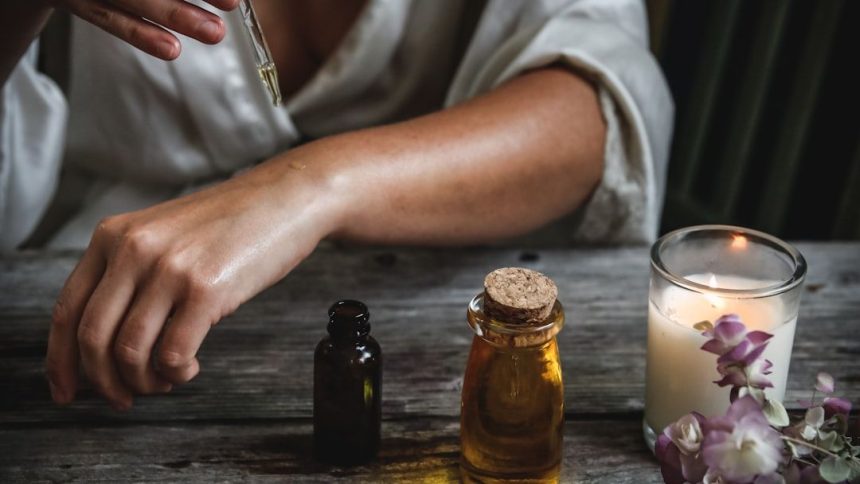
There’s something quietly fascinating about opening a modern skincare cabinet and finding ingredients that civilizations used thousands of years ago. Honey. Olive oil. Castor oil. Rice water. These aren’t relics of a superstitious past – they’re substances that survived centuries of testing on real skin, in real climates, by real people who had no synthetic alternatives. Modern research confirms that many historically used natural materials support hydration, barrier care, and skin renewal. The line between ancient ritual and evidence-based skincare is increasingly thin, and science is beginning to catch up with what grandmothers always knew.
Honey: A Wound Healer Older Than Written History

For thousands of years across civilizations, honey has been revered not just as a natural sweetener but as a potent healing substance. From ancient Egyptian papyri to Greek medical texts, from Chinese traditional medicine to Indigenous healing practices, honey appears consistently as a remedy for numerous ailments. Honey was mentioned roughly 500 times across 900 documented remedies in ancient Egyptian texts. The Smith papyrus, dating from approximately 2600 to 2200 BCE, contains detailed formulations calling for mixtures of honey with various natural materials for topical applications. That is not folklore – that is documentation.
Honey has been utilized to treat infections and wounds since ancient times. However, its use decreased with the discovery of modern antibiotics. Nowadays, microbial drug resistance is a growing concern, and honey has regained scientific and clinical interest as an antimicrobial agent due to its efficacy against antimicrobial-resistant organisms. It is rich in sugars, amino acids, enzymes, polyphenols, and flavonoids that contribute to its antimicrobial, antioxidant, and immunomodulatory properties. Additionally, honey is effective in managing some conditions, such as antibiotic-resistant infections, inflammation, and oxidative stress-related diseases. A 2025 review published in the Journal of Traditional Chinese Medical Sciences reinforced this, exploring the traditional applications of honey in respiratory health, wound healing, and gastrointestinal support along with modern scientific validation.
Castor Oil: From Egyptian Temples to Modern Dermatology Clinics
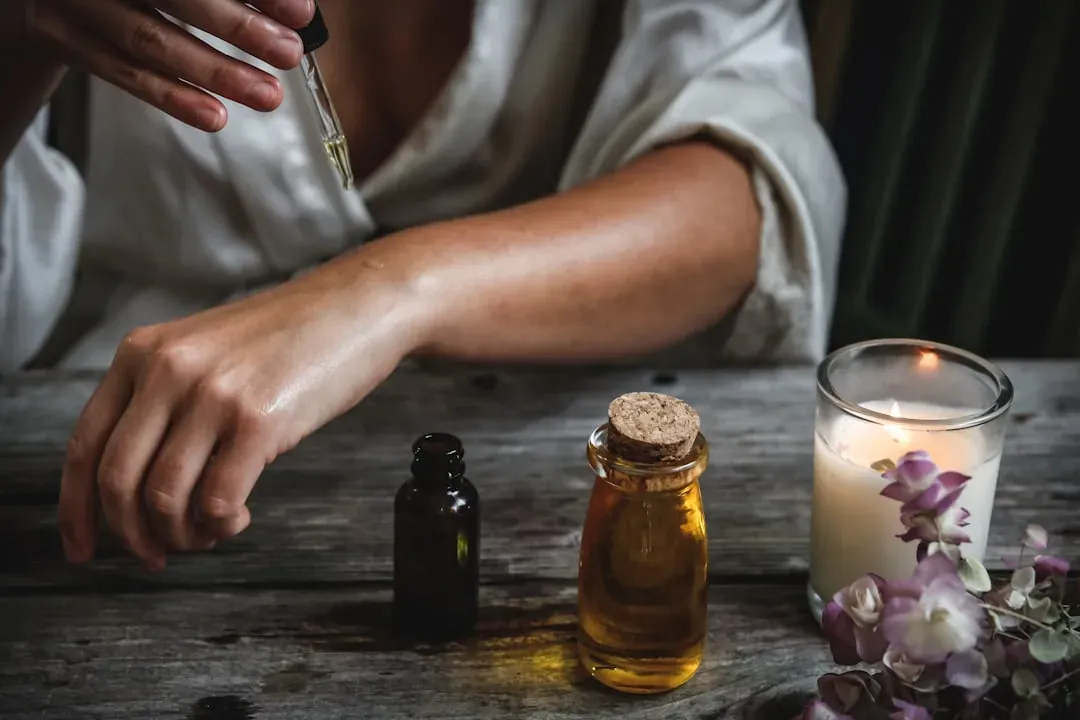
Using castor oil for health benefits is actually an ancient practice. According to the Department of Experimental, Diagnostic and Specialty Medicine, it has thousands of years of history as a medicinal treatment in Mediterranean, African, and Asian cultures. In ancient Egypt, castor oil was used for cervical ripening and labor induction. In the 1800s, castor oil was used by doctors for the treatment of urticaria, constipation, eczema, rosacea, and tonsillitis. It was never just a home remedy – it was a clinical staple across multiple eras.
Ricinoleic acid, the key compound in castor oil, can deeply penetrate the skin due to its long carbon chain, moisturizing from the inside out and helping retain moisture by forming a protective barrier on the skin’s surface. Castor oil is also enriched with phytochemicals such as flavonoids, phytosterols, and phenolic compounds, each playing a vital role in skin health. A 2024 clinical trial published in the Journal of Cosmetic Dermatology by researchers at Shiraz University of Medical Sciences explored topical castor oil cream on patients with infraorbital hyperpigmentation (dark under-eye circles). The study concluded that castor oil cream seems to be an effective alternative for treating infraorbital hyperpigmentation, though randomized clinical trials are needed to confirm these findings. Science is slowly confirming what Persian traditional medicine has practiced for centuries.
Cleopatra’s Milk Baths: Lactic Acid Before the Lab

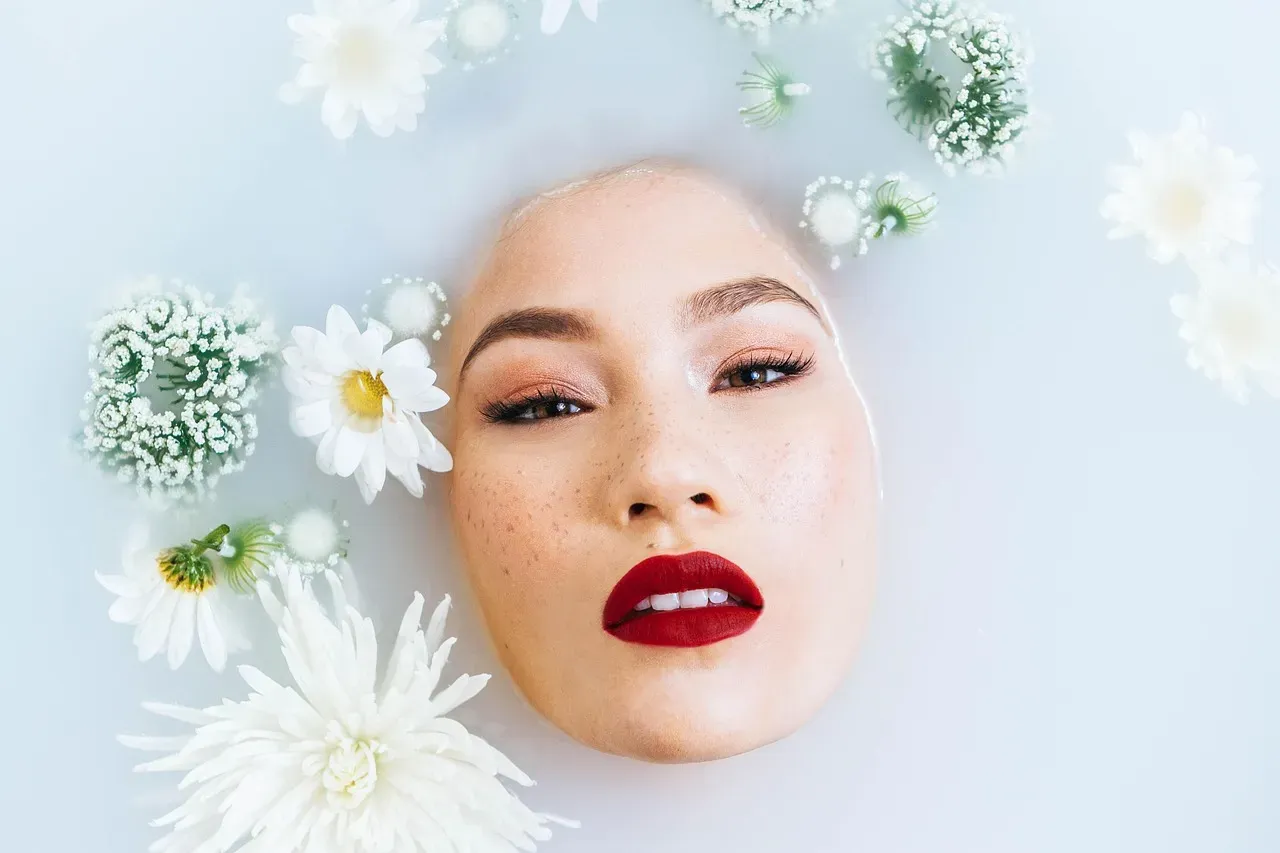
Cleopatra was known for flawless, luminous skin and reportedly bathed in a mix of milk, honey, olive oil, and rose petals, each ingredient chosen for its natural benefit. Milk in her baths offered a gentle exfoliant effect through lactic acid, a compound that softens and smooths skin. What makes this particularly striking is that lactic acid is today a cornerstone ingredient in chemical exfoliant products sold for premium prices in high-end beauty stores. Ancient Egyptians, including Cleopatra, used milk baths for their skin. The lactic acid in milk helps exfoliate and moisturize the skin.
Beauty rituals also served a preventive role, aiming to preserve skin condition rather than correct damage after it appeared. Cleopatra’s skincare revolves around overall well-being and status, mirroring today’s premium skincare positioning, which often draws inspiration from ancient techniques. Not just any milk would do either – historical accounts suggest she preferred donkey milk, infused with the goodness of honey, rose petals, and aromatic lavender. This indulgent soak is thought to tackle premature aging, with the added benefit of moisturization. Modern brands have since commercialized donkey milk as a luxury skincare ingredient, proving the formula has lost none of its appeal.
Rice Water: An East Asian Ritual Backed by Growing Evidence
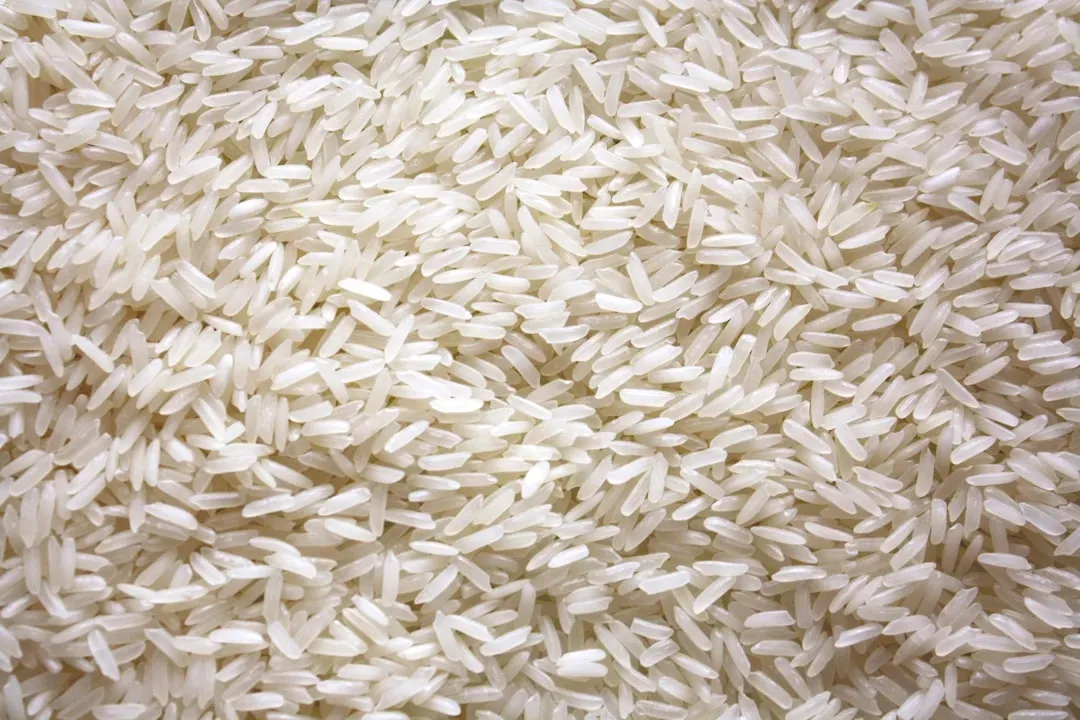
Women in Japan’s Imperial Court began employing a rice water hair treatment known as “Yu-Su-Ru” to maintain thick, glossy, and robust hair roughly 1,200 years ago. Rice water was frequently used in hair care routines throughout East and Southeast Asia, including Korea, Thailand, Cambodia, and Indonesia. This was not a passing trend – it was a deeply embedded cultural practice tied to beauty ideals that prized long, healthy hair. Rice is a staple food for roughly half the world’s population and has long been used in traditional medicine, cosmetics, and hair care, especially in Asian cultures. Rice water, extracted by soaking, boiling, or fermenting rice, is rich in starch, vitamins B, C, and E, minerals, and bioactive compounds with therapeutic, nutritional, and cosmetic benefits.
A 2022 systematic review of 10 studies concluded that products containing rice bran are promising for hair growth. Applying rice bran to the skin may increase the production of growth factors and signals that help cells grow during the active hair growth phase. Rice bran might also slow down the enzymes that cause hair to stop growing and enter a resting phase. This review did not look specifically at rice water itself, but there may be a scientific basis for the claims. Researchers in 2025, writing in Acta Scientific Pharmaceutical Sciences, found that rice protein improved hair’s ability to retain moisture, making it smoother and easier to manage – implying that rice water could have a comparable moisturizing and conditioning impact. Still, medical experts note that most hair growth claims remain anecdotal and deserve more rigorous study.
Olive Oil and the Greeks: The Original Moisturizer

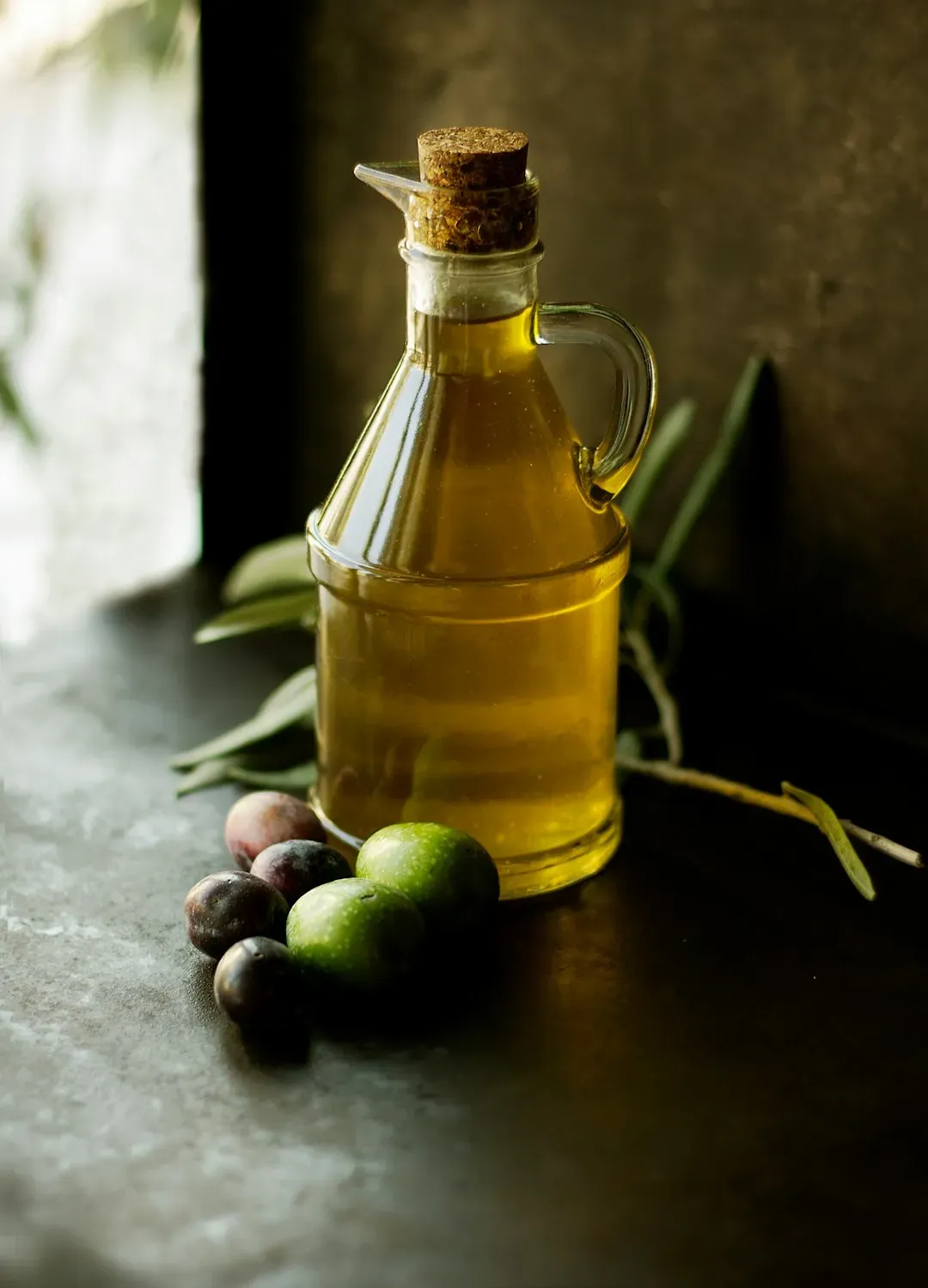
The Greeks, known for their emphasis on beauty and the human form, had their own skincare secrets. They favored olive oil not just in their diet but also as a skincare product, using it as a cleanser, moisturizer, and even as a treatment for sunburn. Additionally, they used crushed berries and milk as natural facial masks to enhance their complexion. The famous Greek physician Hippocrates even recommended a mixture of honey and vinegar as a treatment for acne. These weren’t just guesses – they were observations refined over generations of practical use.
A notable product from antiquity was cold cream, invented by the Greek physician Galen. It was a mixture of water, beeswax, and olive oil, and it became a staple in women’s skincare routines for cleansing and moisturizing. Versions of this formula are still produced and sold today, largely unchanged. Research shows that the Mediterranean dietary approach, which features olive oil as an essential source of healthy fats, reduces the risk of age-related disorders and promotes longevity. Honey and olive oil masks combined are recognized as a great pairing for soft, hydrated, and radiant skin. The Greeks had essentially formulated what modern science would take centuries to explain molecularly.
Ayurvedic Rituals: The 5,000-Year-Old Skincare System
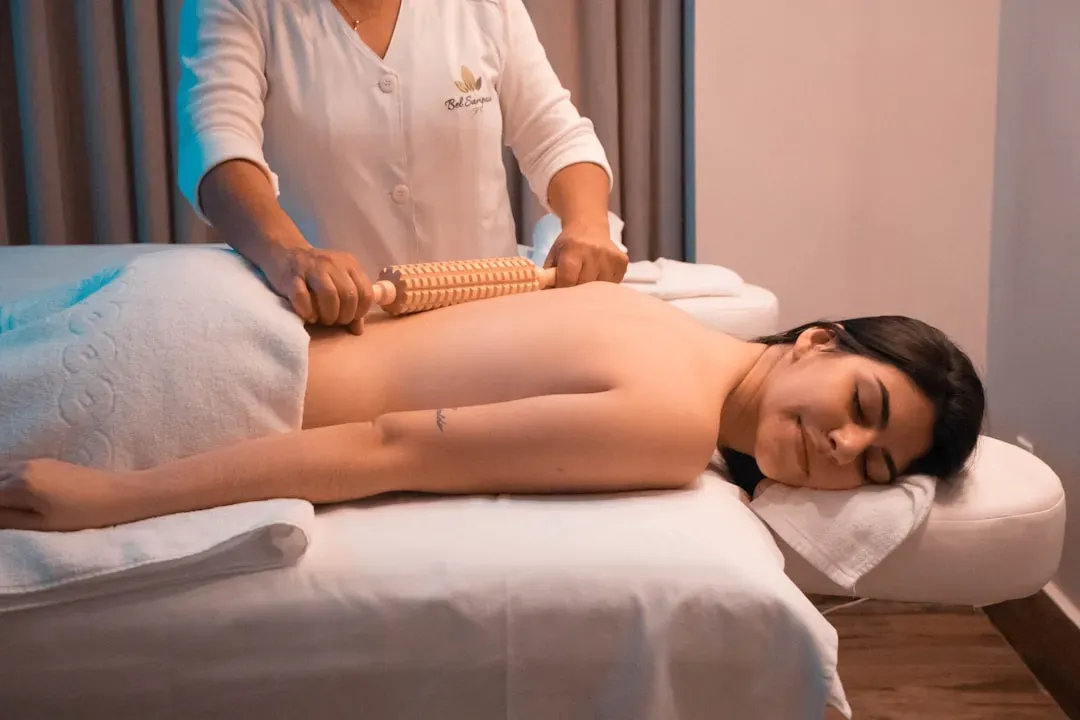
Ayurveda, the ancient science of life from India, has been around for over 5,000 years. It is a treasure trove of beauty secrets that modern skincare owes much to. One of the most notable contributions of Ayurveda is Ubtan, a natural face and body mask made from a mixture of herbs, grains, and oils. This age-old beauty ritual is celebrated for its ability to cleanse, exfoliate, and rejuvenate the skin. What Ubtan represents is a whole-system philosophy – treating skin as a reflection of internal health rather than a surface to be fixed.
Rooted in ancient Ayurvedic wisdom and backed by modern research, castor oil – known in Ayurveda as Eranda Tailam – offers natural remedies for a wide range of skin concerns, from acne and inflammation to fine lines and pigmentation. In Ayurveda, it is classified as especially beneficial for Vata and Kapha skin imbalances such as dryness, roughness, and cystic acne. It is traditionally used in skin therapies like Abhyanga, or self-massage, and Virechana, a detoxification process, to eliminate toxins and restore skin clarity and radiance. Another unsung hero of traditional Indian skincare is ghee, or clarified butter – the grandmother-approved all-rounder ingredient whose uses are traced back to ancient texts including the Charaka Samhita, a comprehensive compendium on its many benefits. These practices did not survive five millennia by accident; they survived because, for countless people, they worked.


