There’s a strange gap between what critics wrote about certain comedies on release and what actually happened to those movies once they left theaters. Some of the funniest studio comedies of the last twenty five years opened to shrugs, or outright hostility, from professional reviewers, only to build passionate audiences on home video and streaming. The films below all share that arc: rough critical reception at first, followed by years of rewatches, quote-along nights, and reappraisal that the original reviews never predicted.
Idiocracy (2006)

Mike Judge’s satire about a future America dumbed down by consumerism and neglect barely made it into theaters, and the reviews it did get were mixed at best. At the time, Idiocracy was met with solid but decidedly lukewarm reactions from critics. Several outlets found the jokes repetitive and the tone too broad to land as real commentary.
Time has been kinder than that first wave of press. The comedy now stands at a “Certified Fresh” 71% on Rotten Tomatoes, with the consensus reading, “Frustratingly uneven yet enjoyable overall, Idiocracy skewers society’s devolution with an amiably goofy yet deceptively barbed wit.” Viewers who caught it years later on DVD or streaming tend to describe it as sharper and more prophetic than the theatrical crowd ever gave it credit for.
MacGruber (2010)
Few comedies had a rougher opening weekend than this Saturday Night Live spinoff starring Will Forte and Val Kilmer. MacGruber fared better with critics than with general audiences, earning around 47 percent on Rotten Tomatoes. Even that modest number came with a critics consensus admitting the film often confused shock value for real wit, while still calling it better than it probably should have been.
The audience side told a different story almost immediately. MacGruber was well on its way to becoming one of the biggest cult comedies of its decade, with people still discovering it years after release. That momentum has carried into the streaming era, with the film resurfacing on HBO Max charts more than fifteen years after its theatrical run.
Hot Rod (2007)
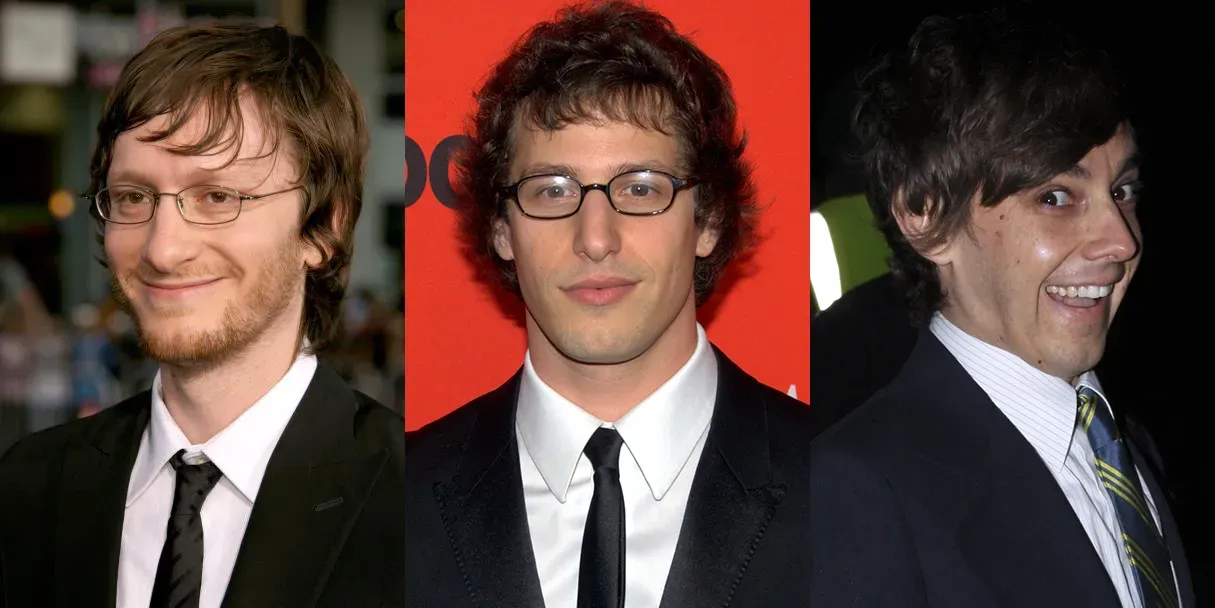
Andy Samberg’s first major film role arrived to a critical shrug that bordered on dismissal. The critics consensus called it brazenly silly with a few humorous set pieces, but far too inconsistent to satisfy all but the least demanding slapstick lovers. That verdict landed the film at a 39 percent Tomatometer score, a rough number for a movie built entirely around big, committed physical comedy.
Audiences who found it, often through cable reruns or word of mouth from SNL fans, reacted very differently. The film currently holds a 64 percent audience score on Rotten Tomatoes despite that 39 percent critics rating. Fans of the film’s absurdist rhythm, particularly the bus jump sequence and its supporting cast of Bill Hader, Will Arnett, and Ian McShane, have long argued it deserved a warmer reception than it got.
Walk Hard: The Dewey Cox Story (2007)

Judd Apatow’s musical biopic parody actually scored reasonably well with critics, but the tone of the coverage at the time undersold it. It was released to mixed to positive but hardly glowing reviews and underwhelming box office, despite arriving during the hottest stretch of Apatow’s career. Some reviewers framed it as a lesser follow up to Superbad and Knocked Up rather than judging it on its own terms.
The box office numbers made that muted reception look almost prophetic in the wrong direction. The film received positive reviews from critics but was a box office bomb, grossing only about 20 million dollars against a 35 million dollar budget. John C. Reilly’s full commitment to the John C. Reilly-plays-every-rock-star-at-once premise has since made the film a frequently cited favorite among comedy writers and musicians alike.
Freddy Got Fingered (2001)
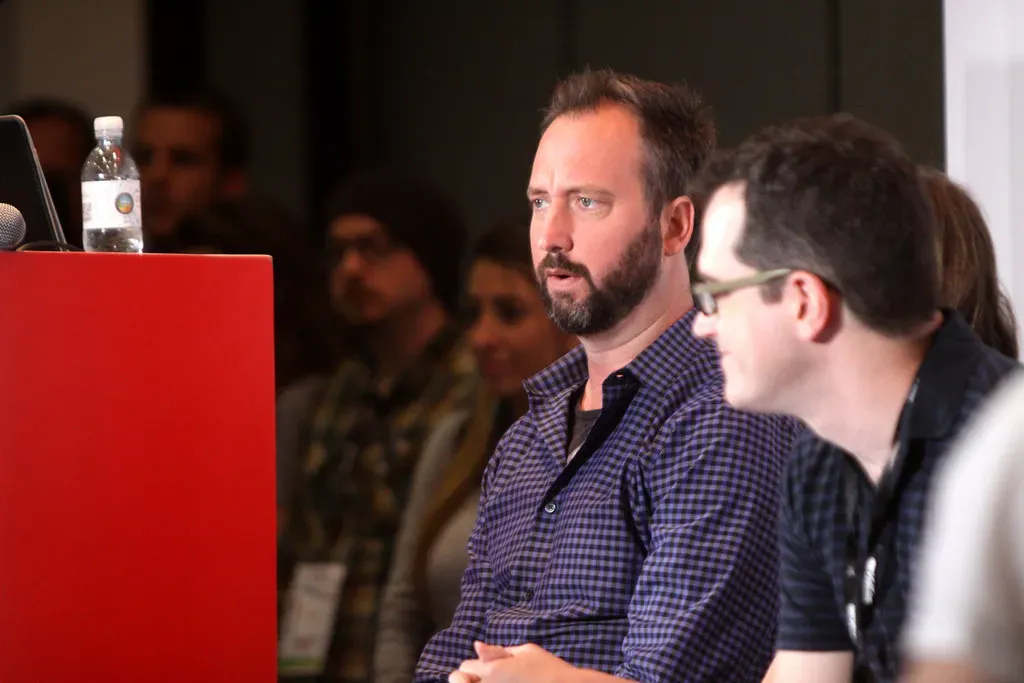
Tom Green’s directorial debut received some of the most venomous reviews of its decade, landing him five Razzie wins in a single year. Roger Ebert called it a “vomitorium of a movie” and the most disgusting film of 2001, while his colleague Richard Roeper labeled it ground zero for bad comedies. That reaction was not an outlier among critics, most of whom treated the film as something closer to an assault than a comedy.
Partner offer
Two decades later, a smaller but persistent group of critics and cinephiles have started reassessing the film as a piece of deliberately abrasive anti comedy. Criterion has pointed out that the Razzies’ attempts to shame bad movies inadvertently shed light on films so uncompromising and beyond the bounds of good taste that they demand attention. That reappraisal places Freddy Got Fingered alongside other formerly mocked titles that eventually earned a second look.
Joe Dirt (2001)
David Spade’s mullet-wearing janitor comedy was received about as poorly as a mainstream studio comedy can be. The official critics consensus stated that if you fall within the target audience of Joe Dirt you may find it funny, but otherwise the jokes will seem like a tired retread. That framing helped push the film down to a 9 percent Tomatometer score, one of the lowest of any wide release that year.
Yet the film built a devoted following almost entirely outside of critical circles. Its audience score sits at 64 percent, a striking gap from the single digit critics number. Fans of Spade’s deadpan delivery and the film’s surprisingly earnest underdog story have kept quoting it for over two decades, long enough that it eventually spawned a sequel built purely on nostalgia.
Observe and Report (2009)
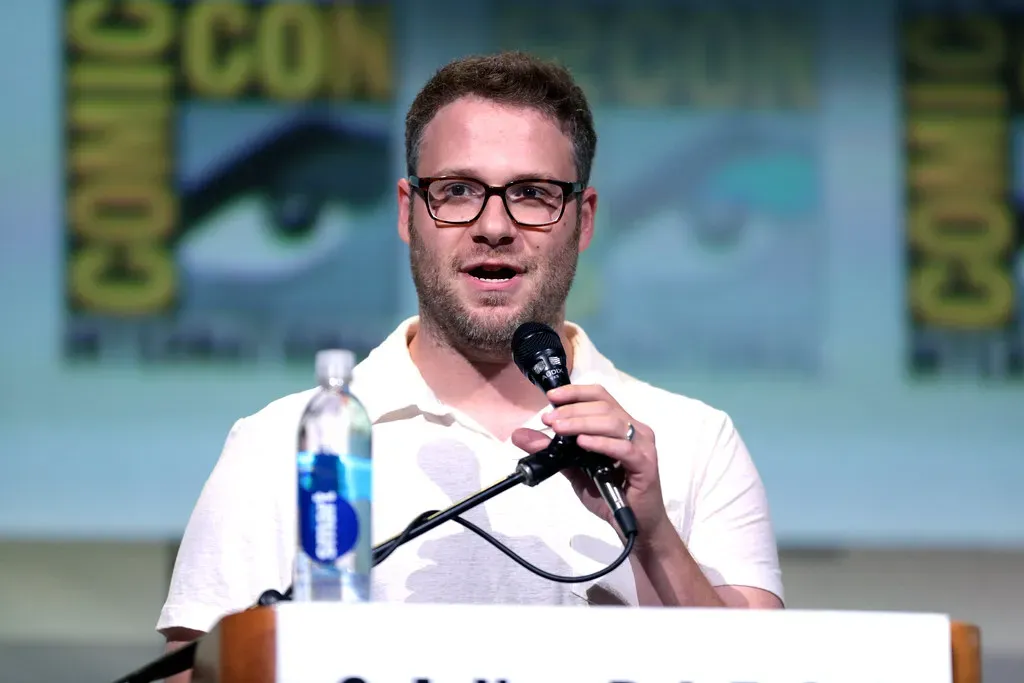
Seth Rogen’s dark turn as an unstable mall security guard split critics right down the middle when it opened. The critics consensus acknowledged the film has a mean streak and does not cater to all tastes, yet still credited it with gut busting laughs and a fully committed Seth Rogen performance. That divided reaction landed the film at a middling 51 percent, a score that undersells how sharp its satire of mall culture and toxic masculinity actually is.
Comedy fans who revisit it tend to note how far ahead of its time the film feels, especially compared to the safer mall cop comedy it was initially lumped in with. Ronnie Barnhardt takes his mall security job with total seriousness, and when a flasher strikes the mall he sees his chance to prove himself and impress his crush. The film’s willingness to sit in genuine discomfort rather than resolve into a tidy joke is exactly what alienated some critics and won over its cult audience.
Grandma’s Boy (2006)

This Happy Madison stoner comedy about a video game tester who moves in with his grandmother skipped advance press screenings entirely, a decision that usually signals a studio bracing for bad reviews. It went on to post one of the lowest scores of its release year, landing around 16 percent among the films not screened for critics that season. That list placed Grandma’s Boy well below other 2006 releases in terms of critical reception, tied to a small handful of reviews that ran after the fact.
The film’s afterlife tells a very different story than that opening reception suggested. Home video and cable reruns turned it into one of the most quoted comedies among a generation of viewers who grew up on Adam Sandler’s production company output, with its supporting cast of Nick Swardson, Allen Covert, and Peter Dante becoming a template for the ensemble style Happy Madison leaned on for years afterward. It remains a title fans bring up whenever the conversation turns to comedies that critics simply were not the intended audience for.
Semi-Pro (2008)
Will Ferrell’s ABA basketball comedy, playing a flamboyant player-owner-coach trying to save his struggling team, arrived to reviews that found the jokes uneven and the plot thin even by sports comedy standards. Critics at the time largely compared it unfavorably to Ferrell’s earlier hits like Anchorman and Talladega Nights, treating it as a diminishing returns entry in his run of broad sports satires. The tepid reception matched a fairly muted box office run that never quite caught fire the way the studio hoped.
Despite that, the film has held on as a comfort watch for a certain type of comedy fan, particularly those drawn to its shaggy, improvisation-heavy style and its supporting cast of Woody Harrelson and Andre Benjamin. Specific bits from the film, from its era appropriate soundtrack to its absurd promotional stunts for the fictional Flint Tropics, get referenced far more often in casual conversation than a mixed critical reception would suggest. It is the kind of comedy that plays better in a room full of friends than it ever did in a formal review.
Taken together, these nine films share a pattern that shows up again and again in comedy: initial reviews measure a joke’s polish, while long term audience affection measures how well a film holds up to repeat viewing. Streaming platforms and home video gave each of these titles a second chance that theatrical releases and single-viewing critics simply could not offer. Whether that gap between critical scores and cult status says more about the films or about the conditions under which comedy gets judged is worth sitting with the next time a new release opens to a lukewarm Tomatometer number.Partner offer
Planning a trip to Vegas?
Compare hotel rates and show tickets on VEGAS.com.