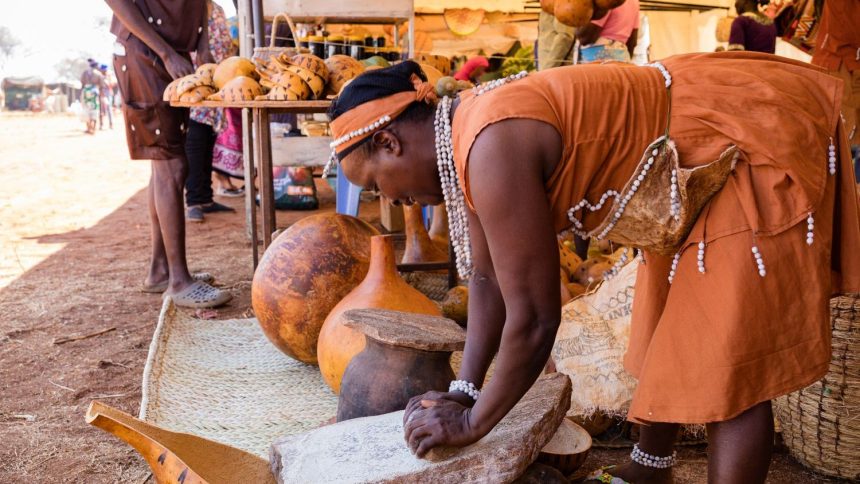
Most taboos strike us as strange at first glance. They feel arbitrary, rooted in superstition, or simply old-fashioned. Yet many of the rules that past societies wrapped in fear, shame, or religious language were actually doing something useful. They were encoding practical wisdom, managing social risk, or holding communities together in the absence of formal institutions.
Taboos may arise from our tendency to retrospectively attribute causes to misfortunes, and the imperfect transmission of taboos often leads to the loss of their original utilitarian rationale, making them resemble mere cultural conventions. Strip away the ritual dressing, and what’s often left is a lesson that was genuinely worth learning.
1. The Incest Taboo: Protecting Genetic Health and Social Order

The incest taboo is acknowledged in anthropology as near-universal, although it is imposed differently in different societies. Generally speaking, the closer the genetic relationship between two people, the stronger and more highly charged is the taboo prohibiting or discouraging sexual relations between them. This wasn’t arbitrary. A common justification for prohibiting incest is avoiding inbreeding, a collection of genetic disorders suffered by the children of parents with a close genetic relationship. Such children are at greater risk of congenital disorders, developmental and physical disability, and death, and that risk is proportional to their parents’ coefficient of relationship.
Beyond genetics, the taboo served a social function that may be even more significant. Alliance theory concludes that the incest taboo exists to create an outward-reaching network of cooperative kin, which is a primary social structure essential for human survival. This network works because rules of incest force individuals to find sexual and marriage partners outside their own families. In early societies, this meant building alliances, sharing resources, and surviving through cooperation with neighboring groups, not just through biological precaution.
2. Food Taboos: Hygiene, Safety, and Resource Management in Disguise

Food taboos are known from virtually all human societies. Most religions declare certain food items fit and others unfit for human consumption. Food taboos serve various functions, including health protection, resource conservation, and social cohesion. The prohibition of pork in several ancient cultures offers a telling example. Marvin Harris posited that pigs are not suited for being kept in the Middle East on an ecological and socio-economical level. Pigs are not suited to living in arid climates because they require more water than other animals to keep them cool, and instead of grazing they compete with humans for foods such as grains. As such, raising pigs was seen as a wasteful and decadent practice.
Food taboos, whether scientifically correct or not, are often meant to protect the human individual. The prohibition of pork in some cultures may have originated from concerns about trichinosis, a parasitic disease associated with undercooked pork. Taboos against consuming certain animals, such as horses and dogs, may have developed to preserve their value as working animals or companions. The sacred framing made the rule stick across generations, long before anyone understood germ theory or nutritional science.
3. Taboos Around the Dead: Managing Grief and Disease Risk
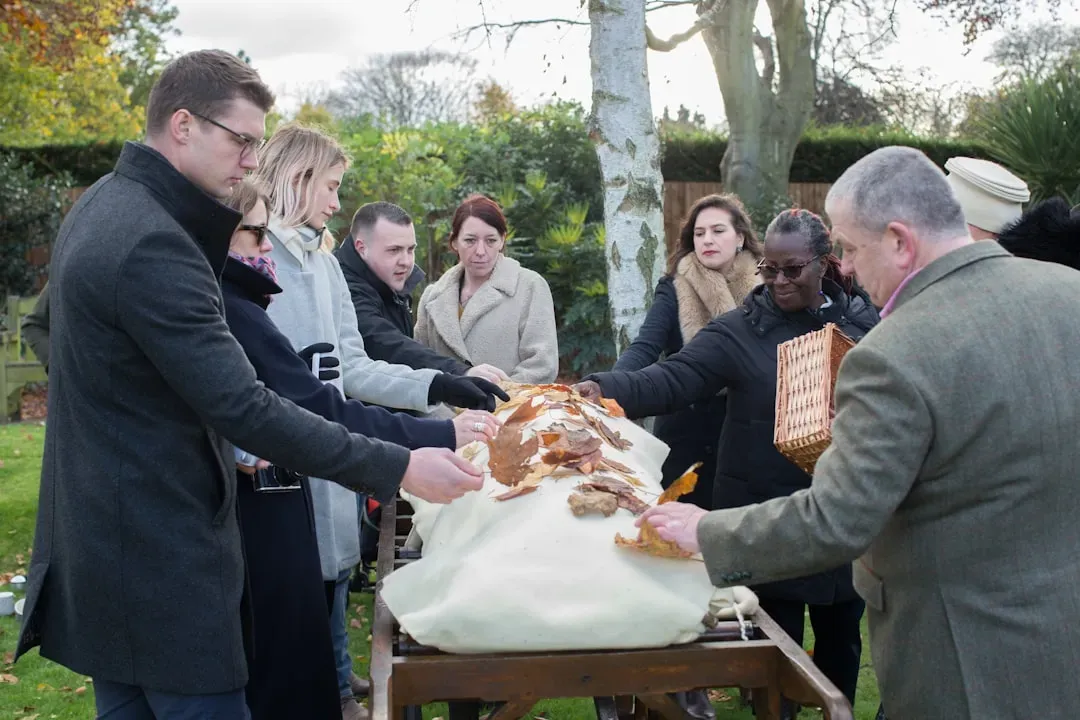
The taboo on the dead refers to a cross-cultural set of prohibitions that restrict physical contact with corpses, impose behavioral limitations on mourners, and forbid handling or referencing objects, names, or memories associated with the deceased, often rooted in perceptions of death as a contaminating or spiritually hazardous force. These norms appear in diverse societies, from indigenous Australian groups where naming the dead is avoided, to broader anthropological patterns linking death to social disruption and the need for ritual separation of the living from the deceased.
The practical lesson was embedded in the ritual. Corpses genuinely do carry disease. Limiting contact, imposing mourning isolation, and regulating burial practices were all actions that reduced the spread of infection in communities without medical knowledge. Death severs kinship ties and roles, threatening group cohesion. Associated rituals and avoidance norms facilitate collective mourning, redistribute responsibilities, and reaffirm surviving members’ bonds, thereby restoring equilibrium. In functionalist frameworks, these practices treat death as a stabilizing institution, channeling grief through prescribed behaviors that prevent anarchy and perpetuate societal norms across generations.
4. Mourning Dress Taboos: Signaling Loss and Protecting the Bereaved

The strict rules about what to wear after a death were once far more than fashion. The custom of wearing unadorned black clothing for mourning dates back at least to the Roman Empire, when the toga pulla, made of dark-colored wool, was worn during mourning. Widows and other women in mourning wore distinctive black caps and veils, generally in a conservative version of any current fashion. In areas of Russia, the Czech Republic, Slovakia, Greece, Mexico, Portugal, and Spain, widows wear black for the rest of their lives.
The social function was straightforward. Mourning dress signaled vulnerability to a community and prompted protection. It also carved out a recognized social role for the bereaved, giving grief a visible shape and a sanctioned duration. The mourning traditions of earlier cultures prescribed precise patterns of behavior that facilitated the public expression of grief and provided support for the bereaved. They emphasized the continued maintenance of personal bonds with the dead. Without that visible marker, communities had no reliable way to know who needed support.
5. Pregnancy Food Taboos: Protecting Mothers and Newborns

Pregnant women in many cultures face strict food taboos to protect offspring and manage health risks. Dietary rules and regulations may govern particular phases of the human life cycle and may be associated with special events such as menstrual period, pregnancy, childbirth, and lactation. In many traditional societies, these rules existed long before anyone could articulate why certain foods were harmful during pregnancy. The taboo did the protective work that scientific understanding would eventually explain.
Partner offer
One compelling example comes from research in Nigeria. Eggs were not given to children in some communities for fear that they may develop the habit of stealing. Though the belief looks like just another groundless superstition, a closer examination reveals a plausible mechanism: eggs are expensive, and if children are reared on expensive food, they will acquire expensive food habits which they cannot afford unless they steal. The taboo was economically rational, even if the reasoning was wrapped in moral rather than practical language.
6. The Taboo Against Speaking Ill of the Dead: Preserving Social Cohesion

A prominent manifestation is the injunction against speaking ill of the dead, formalized in the ancient Latin maxim De mortuis nil nisi bonum dicendum est, translating to “Of the dead, nothing but good is to be said,” which underscores efforts to preserve social cohesion by halting posthumous criticism. This rule protected the newly bereaved from public conflict at the moment they were most vulnerable. It also prevented the kind of social fracturing that could follow bitter disputes over the character or conduct of a recently deceased community member.
The lesson here was about timing and community stability rather than dishonesty. Émile Durkheim’s examination of funeral rites underscores their role in bolstering collective consciousness: by imposing taboos that demarcate the profane realm of death from ongoing social life, communities experience shared observance, which renews solidarity and integrates individuals into the moral order. Restraint in speech, especially in moments of collective grief, was a form of social technology that kept communities from tearing themselves apart.
7. Menstruation Taboos: Managing Health Knowledge Before Medicine

Across many ancient cultures, menstruating women were subject to strict behavioral taboos, often involving isolation, dietary restrictions, or limits on daily activities. While these rules frequently became oppressive over time, some researchers argue they contained genuine public health logic. Dietary rules and regulations may govern particular phases of the human life cycle and may be associated with special events such as menstrual period, pregnancy, childbirth, and lactation. In societies without clinical medicine, the taboo structure formalized rest periods that may have been genuinely beneficial for recovery and wellbeing.
Taboos are deeply embedded in the cultural fabric of a society and are shaped by historical, social, and environmental factors. By considering the cultural context, anthropologists can gain insights into the reasons behind the existence of specific taboos, the functions they serve, and their impact on individuals and communities. Menstruation taboos, viewed through that lens, often encoded a form of forced rest in cultures where women otherwise had no socially accepted mechanism for pausing labor. The lesson about physical recovery was real, even if the framework was flawed.
8. Cannibalism Taboos: Guaranteeing Basic Physical Safety
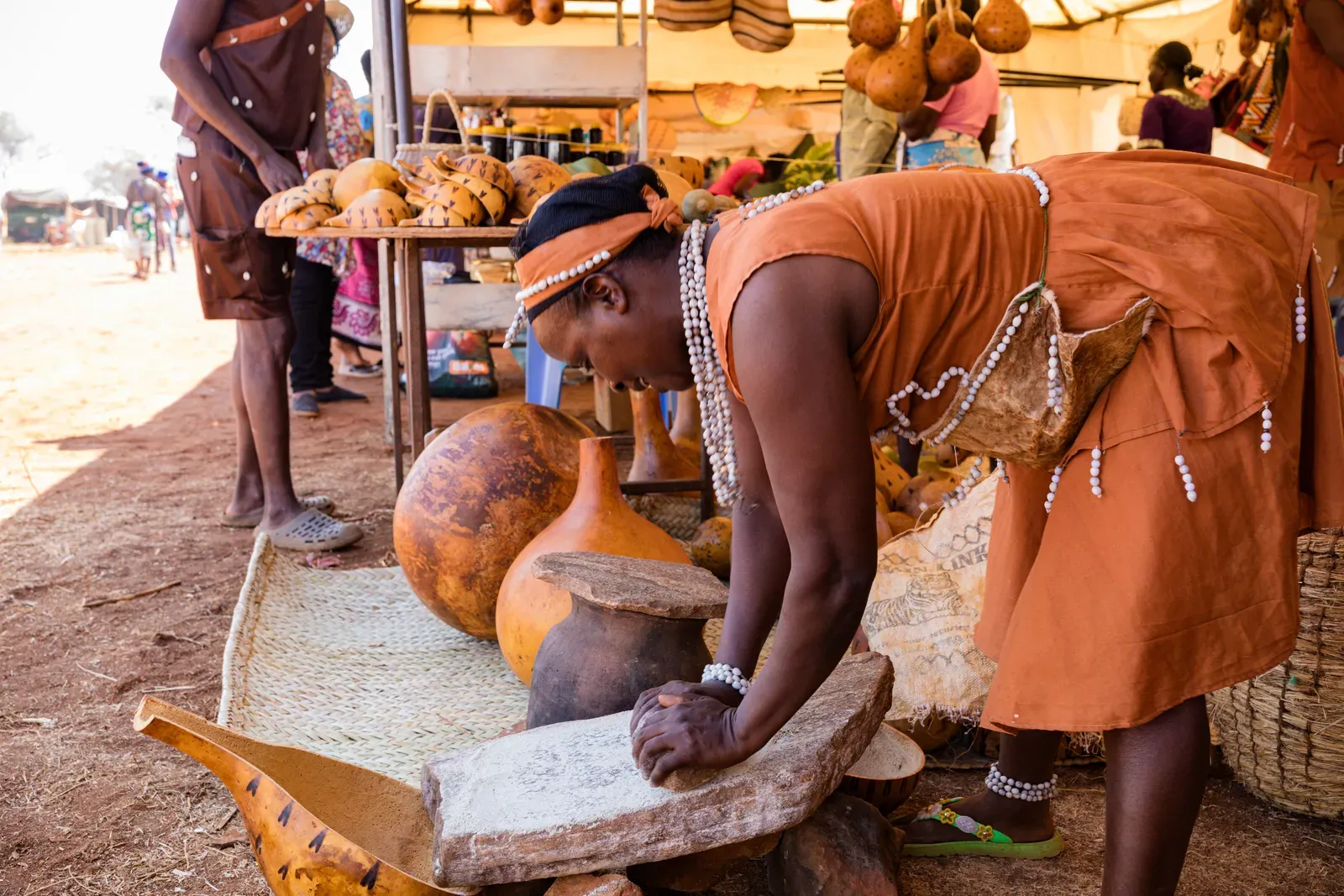
The taboo against cannibalism guarantees to members of a society that in dire times, when there is a famine, they will enjoy some level of security that may guarantee that the society will continue to function. This is a striking framing, but it captures something important. In conditions of extreme scarcity, the cultural prohibition on consuming human flesh created a baseline of trust. Members of a group knew they would not be killed for food. Without that assurance, collective survival would have been much harder to maintain.
The taboo also carried a secondary lesson about group identity and boundaries. Any food taboo, acknowledged by a particular group of people as part of its ways, aids in the cohesion of this group, helps that particular group maintain its identity in the face of others, and therefore creates a feeling of belonging. In the case of cannibalism, the prohibition was one of the clearest possible signals of what separated organized human society from its most desperate extremes. It defined community membership at a fundamental level.
9. Taboos Around Name-Giving and Naming the Dead: Protecting Identity and Memory
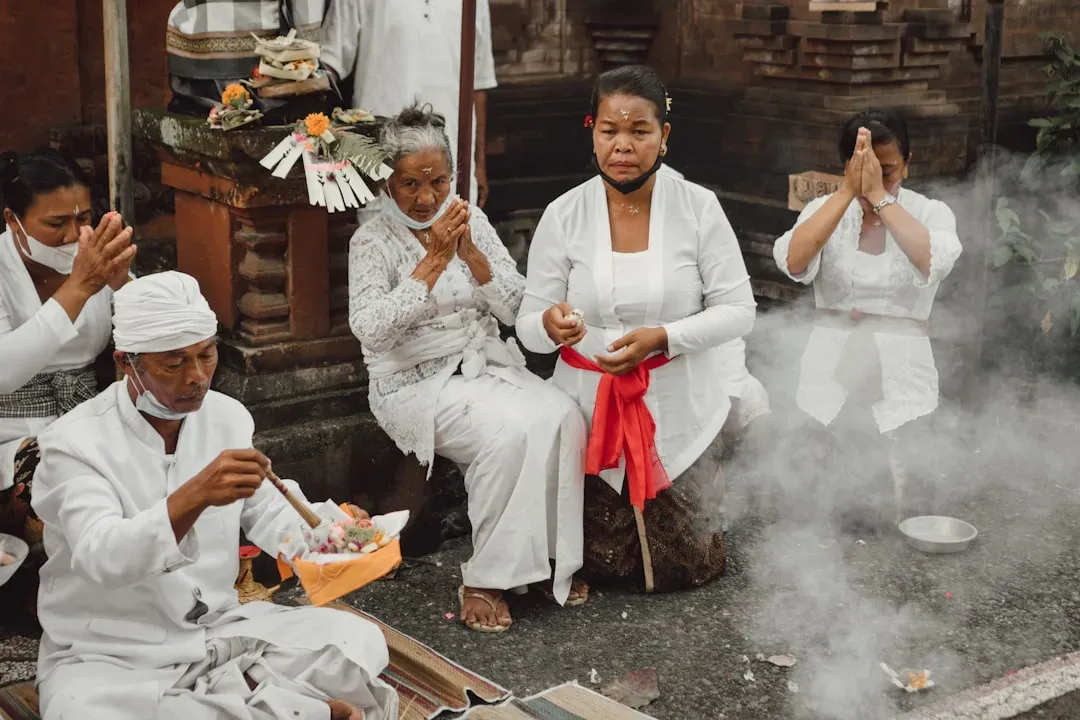
Many traditional societies held strict taboos about the use of personal names. One interesting custom of some peoples is the long-standing practice of giving their children complex, sometimes double or triple names to confuse evil spirits that could harm the child. Beyond the spiritual framing, this practice enforced a layered system of social identity. Names held power in communities where individual reputation was the only real form of social credit. Misusing or appropriating a name could cause real harm to a person’s standing.
In indigenous Australian groups, naming the dead is avoided to prevent distress or supernatural repercussions. The practical effect was that communities created a kind of structured silence around the deceased, allowing the grief process to move forward without constant reopening of loss. The ritual practices that surround death and mourning as rites of passage help individuals and their communities make sense of loss through a renewed focus on continuity. By doing things in a culturally defined way, by performing the same acts as ancestors have done, ritual participants engage in venerated traditions to connect with something enduring and eternal. The taboo on speaking a dead person’s name was, in its own way, a structured form of grief therapy long before the concept existed.
What these nine taboos share is a quiet practicality underneath their strange outer forms. Taboos like these, unquestioned rules about what to avoid, are everywhere. Some are religious, others are superstitions, and some exist as silent codes of behavior. They shape how we eat, talk, and even think. The cultural containers changed across time and geography, but the problems they were solving were often remarkably constant: protect health, hold communities together, manage grief, reduce conflict, and build trust among people who had to depend on one another to survive.
That’s a lesson worth remembering, even now that we have institutions, laws, and science to carry some of that weight.
Partner offer
Planning a trip to Vegas?
Compare hotel rates and show tickets on VEGAS.com.