Disaster films have always taken liberties with physics, biology and common sense. A volcano doesn’t wait politely for the hero to arrive, and a tsunami rarely behaves like a wall of CGI. Still, some of these movies are far closer to the science than others.
This ranking runs from the most scientifically grounded to the least. It draws on public comments from researchers, agency fact sheets and what we know about the real events and hazards each film borrows from. Where experts disagree or the evidence is soft, I’ve said so.
1. Contagion (2011)
Epidemiologists regularly name this as the most realistic outbreak film. The production consulted virologist W. Ian Lipkin of Columbia University, and it shows in the details. Contact tracing, surface transmission, the hunt for a vaccine and the slow spread of misinformation all mirror how real outbreaks unfold.
It isn’t perfect. The pace of vaccine development is faster than usual, and the virus is a fictional hybrid. Even so, the film’s reputation grew during 2020, when many viewers noticed how closely real events echoed it.
2. The Impossible (2012)
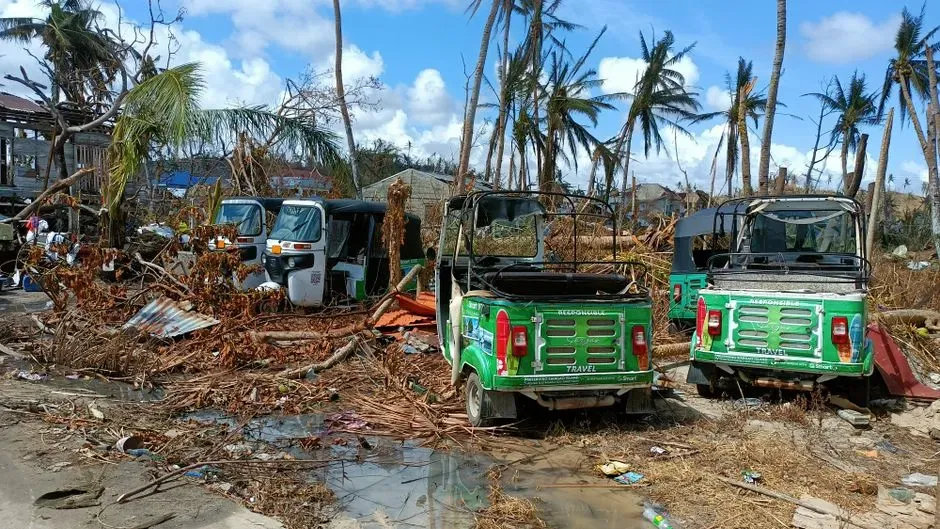
This drama follows a real family, the Belóns, through the 2004 Indian Ocean tsunami in Thailand. The disaster killed roughly two hundred thirty thousand people across the region, and the film treats it with unusual restraint. Tsunami experts note that the sudden arrival, the debris filled churning water and the chaos afterward match survivor accounts.
The film is a personal story rather than a scientific lesson, so it doesn’t explain seismology in detail. Some timing and visual choices were dramatized. Even so, it ranks near the top because it shows what the water actually does to people and buildings.
3. Deep Impact (1998)
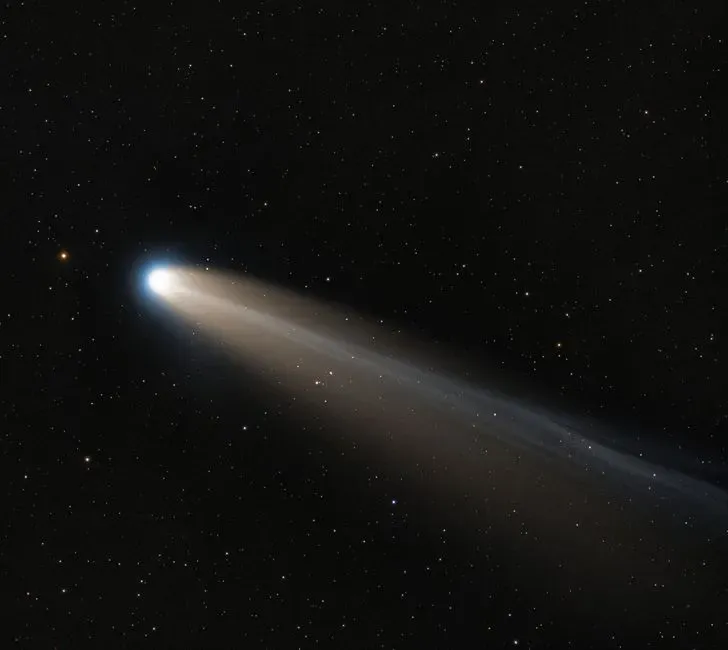
Astronomers have generally been kinder to this film than to its rival from the same year. It depicts a comet of several miles across, which is the right scale for an extinction level threat. Its early warning, public panic and evacuation planning feel more plausible than a last minute scramble.
NASA’s DART mission in 2022 later showed that a spacecraft impact can change an asteroid’s orbit. It shortened the orbit of the moonlet Dimorphos by about thirty two minutes. The film’s nuclear solution and its tidal wave scenes are exaggerated, but the overall premise holds up well.
4. Twister (1996)
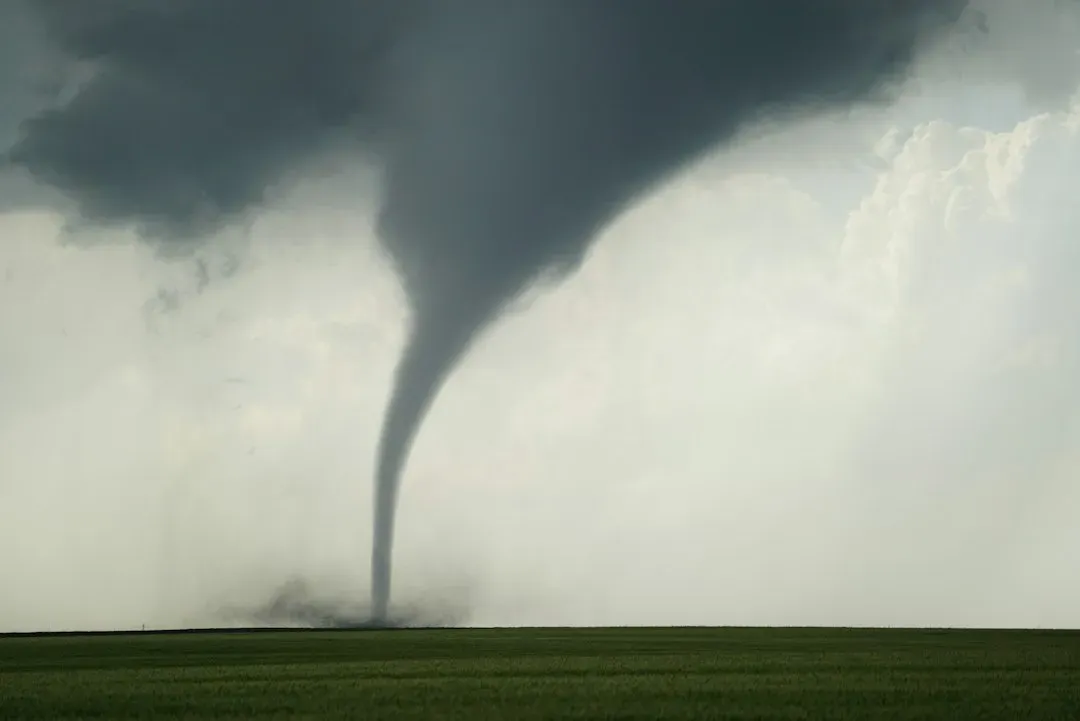
Storm scientists have a soft spot for this one because it was inspired by real research. The sensor pod idea came from actual efforts to place instruments in a tornado’s path, including an older device called TOTO. The chase culture, the radar use and the way storms organize along a dryline are all recognizable.
The tornadoes themselves are where it slips. Funnels behave like movie monsters, vehicles fly in ways that real winds rarely allow, and the characters survive impacts that wouldn’t be survivable. Meteorologists still tend to describe it as an entertaining, partly faithful portrait of their field.
5. Dante’s Peak (1997)
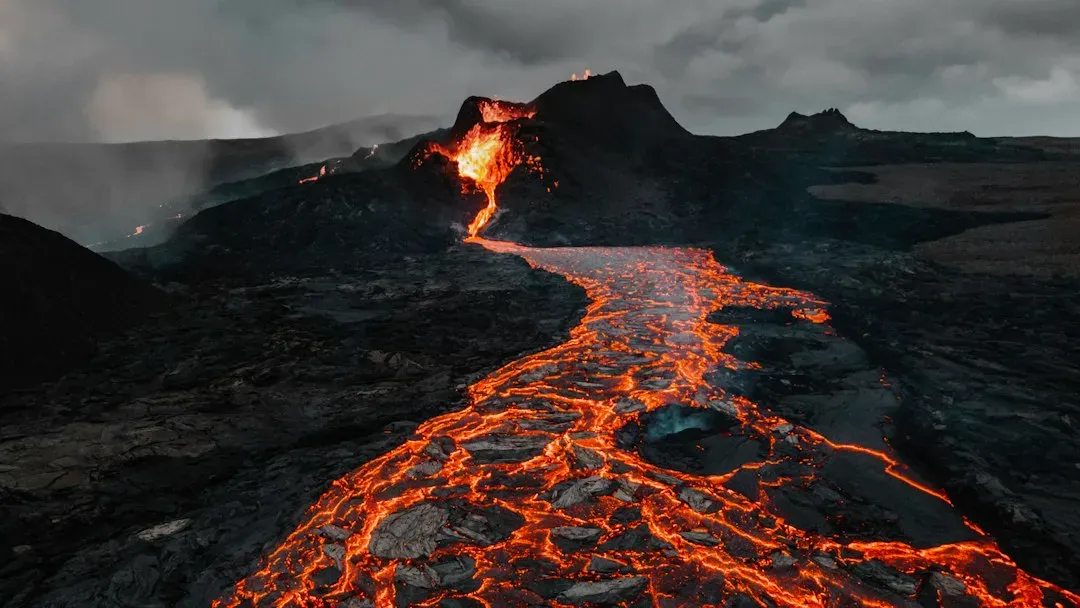
Volcanologists often single this film out as one of the better volcano movies, especially in its early scenes. A small town, a geologist watching gas emissions and tremors, and the reluctance of officials to raise an alarm all echo real cases. The character of the scientist was inspired by the USGS team that studied Mount St. Helens, where volcanologist David Johnston died in 1980.
The later action requires a lot of forgiveness. A lake turning to acid is a dramatic invention, and a truck outrunning lava stretches belief. Pyroclastic flows and ash fall do appear, though, and the basic sequence of warning signs is respectable.
6. The Day After Tomorrow (2004)
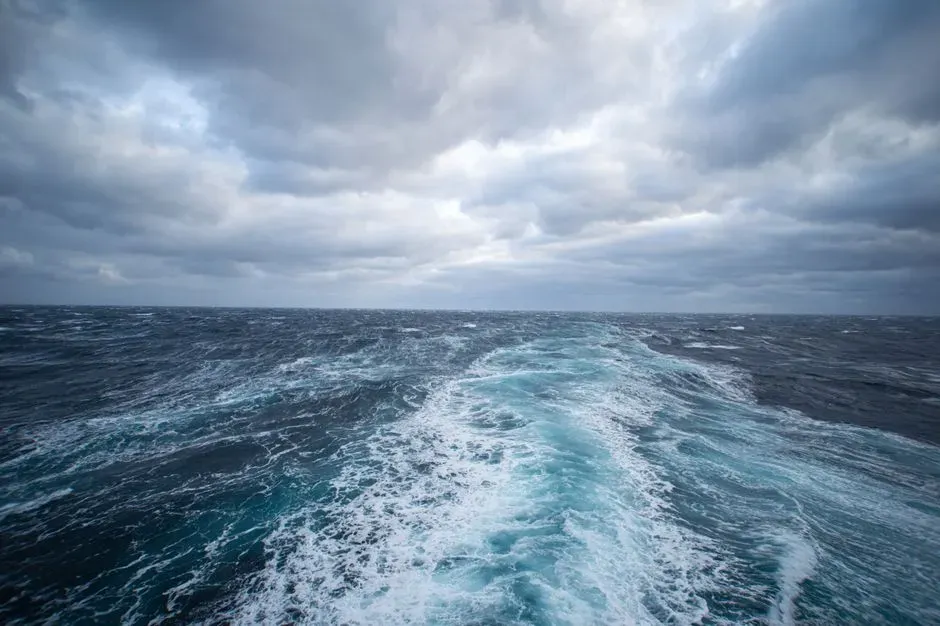
Climate scientists give this film mixed marks. The idea that a weakening Atlantic circulation could disrupt regional climate is a real research topic. The IPCC has said the circulation is likely to weaken this century, though it rates an abrupt collapse before 2100 as unlikely.
The timeline is the main problem. Real climate shifts of this kind would unfold over years to decades, not days, and flash freezing air from the upper atmosphere isn’t how weather works. The film is best seen as a loose metaphor for climate risk rather than a forecast.
7. San Andreas (2015)
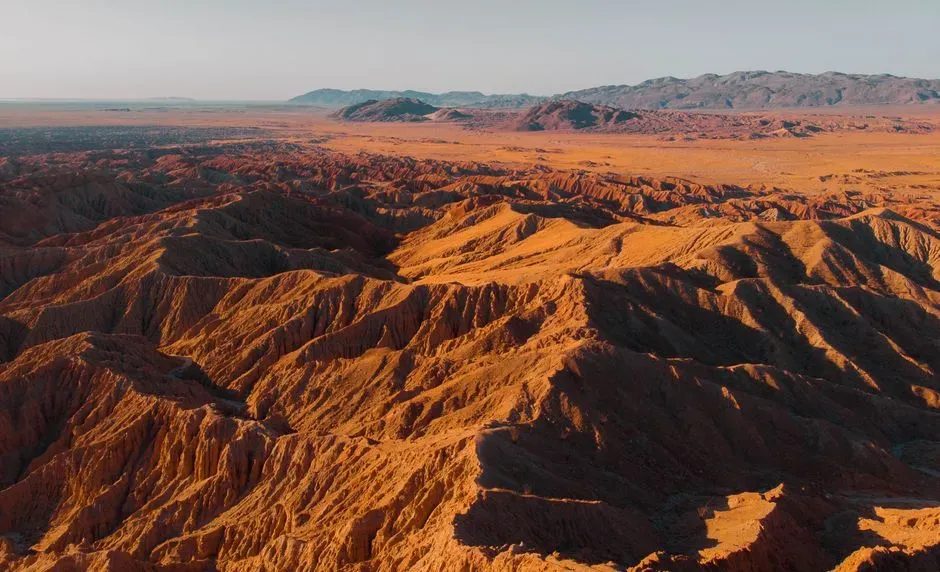
Seismologists were openly critical of this one, including longtime Southern California earthquake expert Lucy Jones. The San Andreas fault is a strike slip fault, which means the ground moves sideways rather than opening wide cracks. Its biggest known quakes, such as the 1906 San Francisco event, were around magnitude seven point nine.
The film shows a magnitude nine class event on that fault, which scientists consider implausible. Earthquakes also don’t leap neatly from Los Angeles to San Francisco in a single sequence. On the plus side, the advice to drop, cover and hold on is genuinely sound.
8. Armageddon (1998)
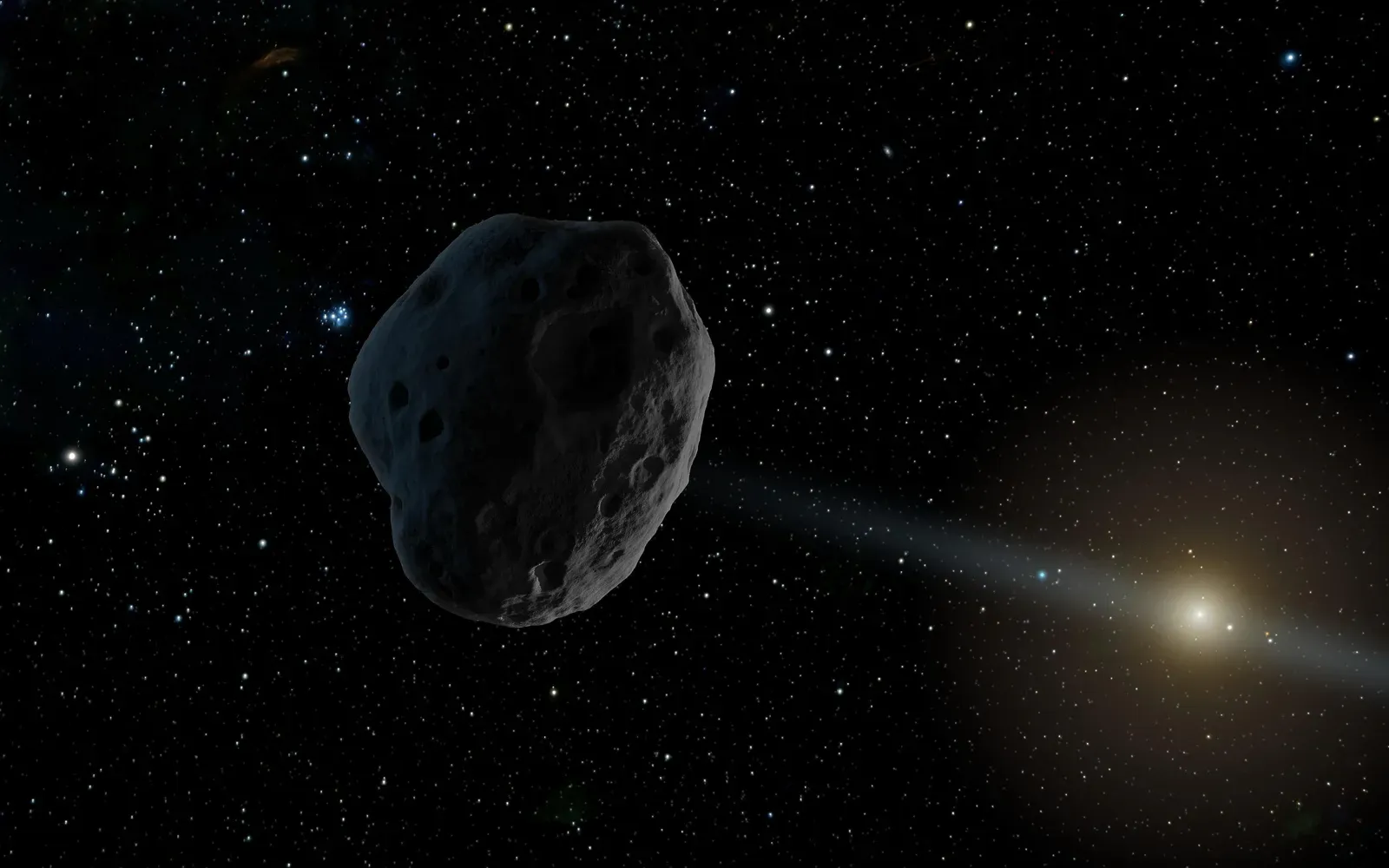
This is the film scientists love to pick apart. An asteroid said to be the size of Texas would be a far bigger threat than any real near Earth object we’ve tracked, and it would be spotted years in advance. Drilling a hole and detonating a nuclear device inside wouldn’t be a sensible way to handle it.
NASA has reportedly used the film as an example of what not to do in a training setting, with a long list of errors noted. The real approach, as DART showed, is to nudge an asteroid early rather than blow it up late. As entertainment it works, but as science it falls apart quickly.
9. 2012 (2009)

This sits at the bottom of nearly every list. The idea that neutrinos from a solar event could heat the Earth’s core makes no sense physically, because neutrinos barely interact with ordinary matter. NASA also published material debunking the claim that the Maya calendar predicted the end of the world in 2012.
Geologists point out that crust displacement and instant continent scale destruction don’t match anything in the geological record. The movie leans on spectacle rather than any real hazard. It remains a useful reminder of how far a disaster film can drift from the planet it claims to portray.