Old Hollywood loves a good legend, and over the decades a handful of stories about beloved films have hardened into “common knowledge” even though nobody bothered to check them against the actual footage or paperwork. Some of these myths got repeated so often in trivia books, late night TV, and casual conversation that people stopped questioning them at all. Below are nine of the most persistent misconceptions about classic movies, along with what actually happened on set.
1. Frankenstein is the name of the monster
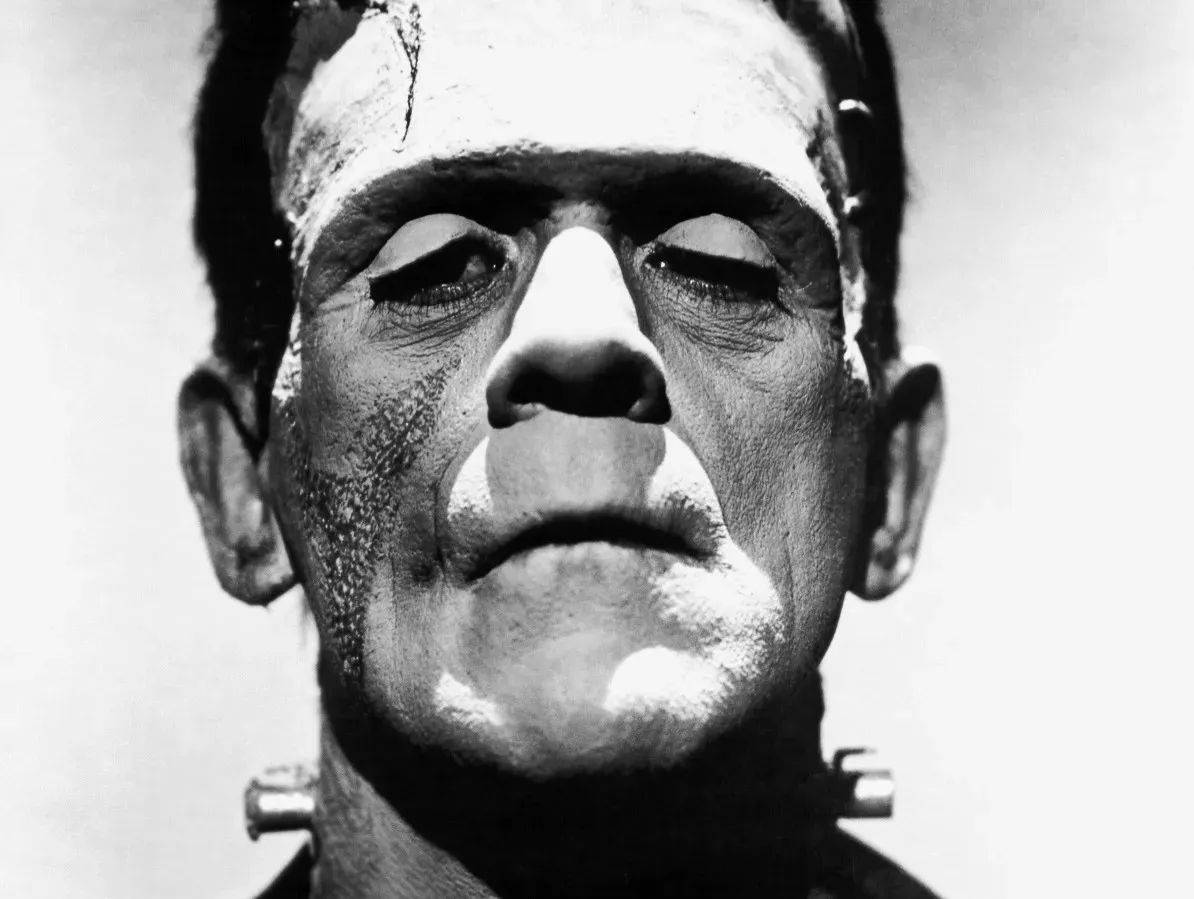
Ask most people who Frankenstein is, and they will point to the lumbering, flat headed creature with bolts in his neck. That is simply wrong. In Mary Shelley’s 1818 novel and in the 1931 Universal film starring Boris Karloff, Frankenstein is the surname of the scientist, Victor (or Henry, in the movie), who assembles the creature from body parts and brings it to life.
The monster itself is never given a proper name in either the book or the film. This mix up has been around for so long that dictionaries now list “Frankenstein” as an acceptable informal term for the monster too, which is a strange kind of victory for a century old misunderstanding. Still, purists will tell you the confusion started almost immediately after the novel’s publication, when reviewers casually referred to the creature by its creator’s name.
2. Rick says “Play it again, Sam” in Casablanca
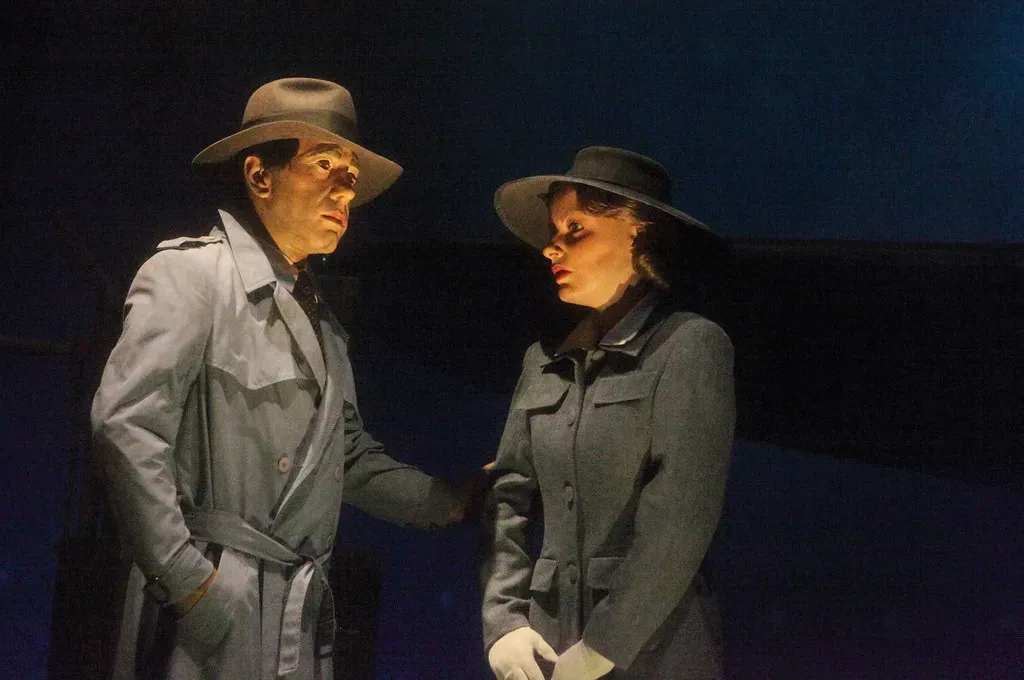
It might be the most famous line ever attributed to a classic film, and it is never actually spoken. Despite being one of the film’s most oft-quoted lines, the words “Play it again, Sam” are never said in Casablanca, and it has been called “probably the most misquoted line in cinema history” partly because people assign it to the wrong character entirely.
The closest equivalent is “Play it, Sam,” which is actually said by Ilsa Lund (Ingrid Bergman), not Humphrey Bogart’s Rick Blaine. Rick does later instruct Sam to “play it,” but the “again” and the attribution to Bogart are both fabrications that stuck. It is a small thing, but it shows how easily pop culture smooths out a line until it sounds punchier than the original.
3. The Wizard of Oz shows a real munchkin suicide on camera
This one has floated around since the home video era and refuses to die. The claim is that during the forest scene, viewers can spot a Munchkin actor who hanged himself on set, with the footage accidentally left in the final print.
The claim falls apart for a few reasons: the movie was filmed out of sequence, so the forest scene was shot before any Munchkin actors were even on set, and the movement briefly visible on screen is a large bird, since the whole film was shot on indoor soundstages using animals borrowed from the Los Angeles Zoo to fake an outdoor feel. The rumor was debunked in a Snopes article first published in 1997, yet grainy VHS copies and internet reposts have kept the story alive for a new generation who never questioned the source.
4. The Psycho shower scene used real blood

Alfred Hitchcock’s 1960 shower murder is so visceral that plenty of people assume actual blood, or at least a convincing medical grade substitute, was smeared across Janet Leigh. It was neither.
The scene famously used chocolate syrup in place of theatrical blood, along with the sound of a knife puncturing a melon for the stabbing noises. According to makeup artist Robert Ryman’s assistant, “they had a can of Hershey’s syrup, which was watered down, and that’s what they used for blood.” Filming in black and white made the trick work perfectly, since the syrup’s dark tone read as blood on screen without looking obviously wrong the way red paint might have.
5. Clark Gable improvised the “damn” line in Gone with the Wind
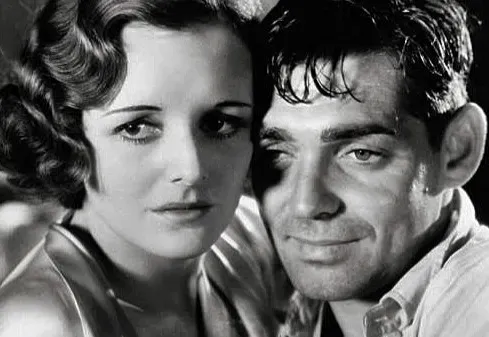
The line “Frankly, my dear, I don’t give a damn” is often described as a spontaneous flourish by Clark Gable, a rebellious little ad-lib that snuck past the censors. That framing gives Gable too much credit and the production code too little.
Partner offer
The line was written into the script, adapted closely from Margaret Mitchell’s novel, and producer David O. Selznick had to formally petition the Hays Office for permission to use the word “damn” on screen, since profanity was banned under the production code at the time. The request was granted, with a small fine attached, making the moment a carefully negotiated exception rather than an improvised risk. It is a good reminder that even the most “spontaneous sounding” classic lines were often the product of studio lawyers and committee approval.
6. The mechanical shark in Jaws worked as planned throughout filming
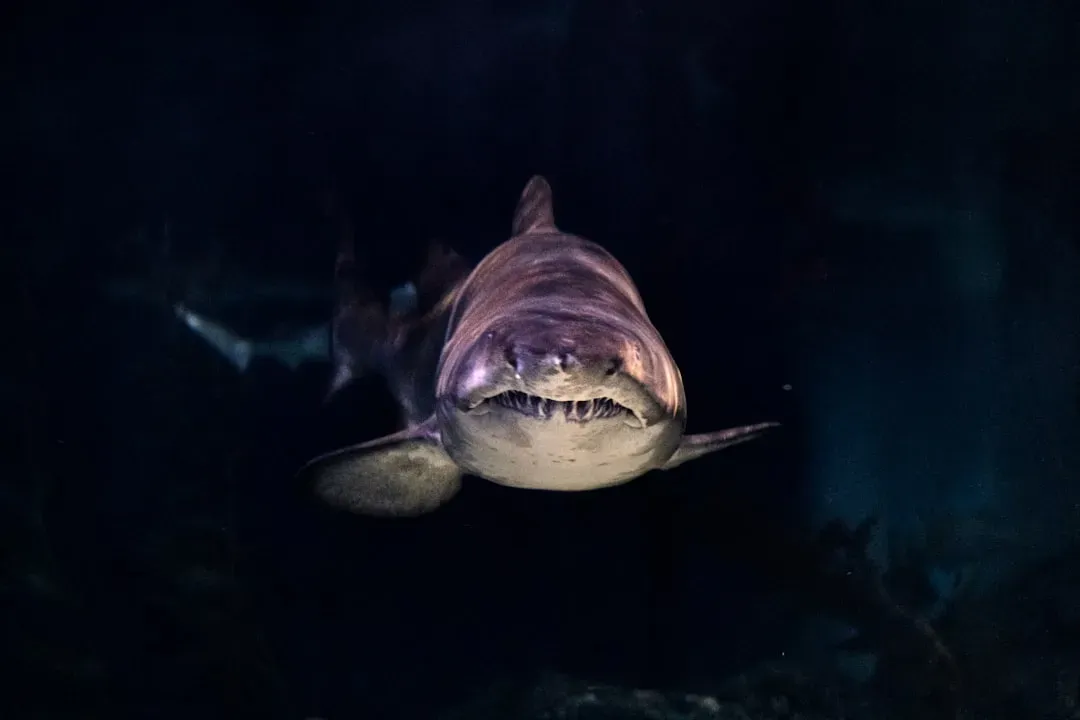
Steven Spielberg’s 1975 thriller is often credited with inventing the modern summer blockbuster, and casual retellings sometimes make it sound like a smooth, well oiled production. It absolutely was not.
The mechanical shark, nicknamed “Bruce” after Spielberg’s lawyer Bruce Ramer, constantly malfunctioned in the salt water of Martha’s Vineyard. Between seasickness, near fatal accidents, and frequently soaked equipment, all three mechanical sharks experienced malfunctions due to filming conditions, with salt water corroding their skin, breaking their metal framing, and bloating their mechanical bodies. The breakdowns forced Spielberg to hide the shark for most of the runtime, which ironically became the reason the film is so unnerving. A prop that worked perfectly might have produced a far less memorable movie.
7. Snow White and the Seven Dwarfs was the first animated feature film ever made
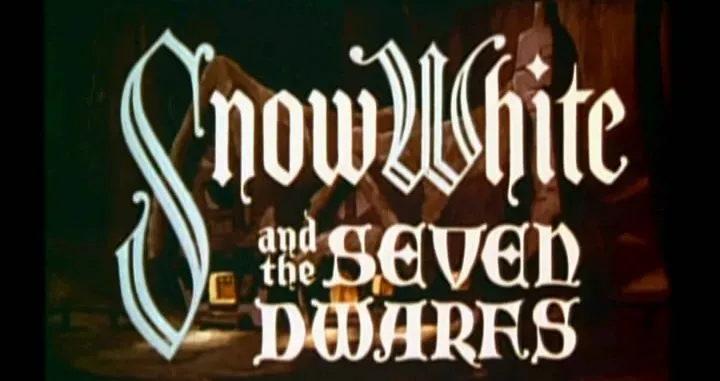
Walt Disney’s 1937 fairy tale gets credited constantly as the birth of feature length animation, and it is a landmark film in almost every technical sense. It was not, however, the first animated feature ever produced.
That distinction belongs to earlier works, including Quirino Cristiani’s 1917 Argentine film “El Apóstol” and Lotte Reiniger’s silhouette animated “The Adventures of Prince Achmed,” which premiered in Germany in 1926, over a decade before Disney’s release. What Snow White actually pioneered was the first full length cel animated feature produced in America using multiplane camera technology and a full color Technicolor process, which is an impressive achievement on its own without needing an inflated “first ever” claim attached to it.
8. King Kong was played by a man in a gorilla suit
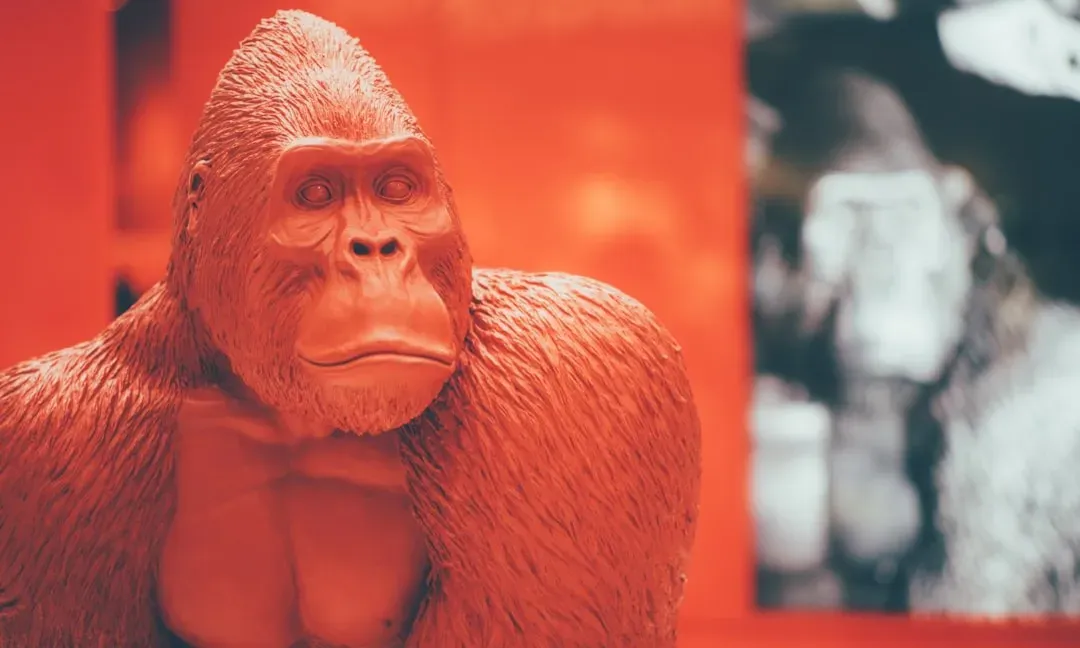
Because so many later monster movies relied on actors in rubber suits, people often assume the original 1933 King Kong followed the same approach. It did not, and the actual method was far more painstaking.
Kong was brought to life through stop motion animation, using an eighteen inch armature model built by effects pioneer Willis O’Brien, with rabbit fur stretched over a metal skeleton and moved frame by frame for each shot. A few full sized props, like an oversized hand and foot, were built for close up interaction shots, but there was never a person inside a Kong costume walking around the miniature sets. The confusion likely comes from later Japanese “Kaiju” films and cheaper Kong knockoffs that genuinely did use suits, blurring the memory of how the original was actually made.
9. Gene Kelly filmed the “Singin’ in the Rain” number in a single flawless take
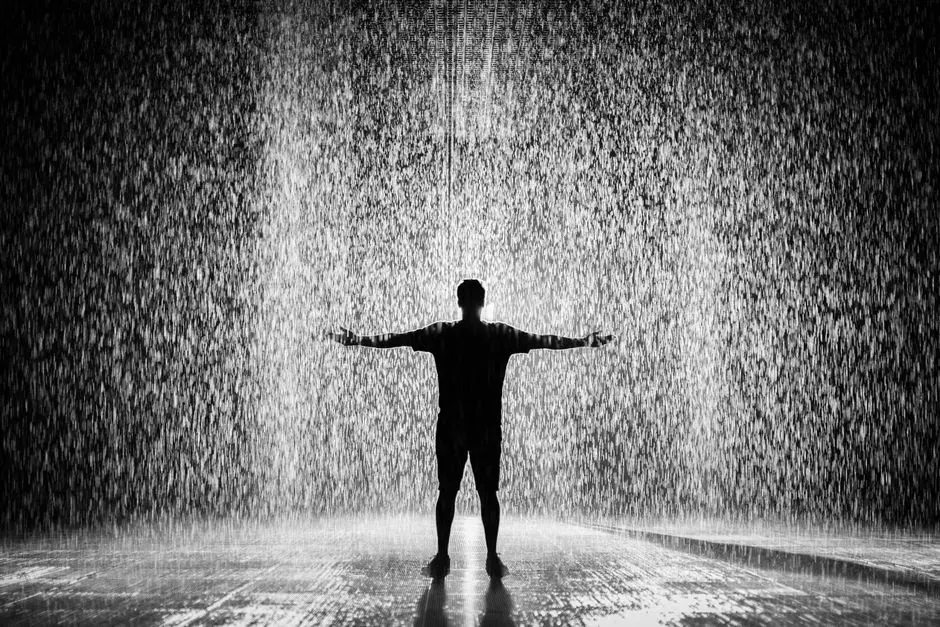
The rain soaked dance sequence in the 1952 musical looks so effortless and joyful that it gets described as a one take miracle, captured perfectly on the first try. That version of events flattens what was actually a grueling, multi day shoot.
The number required repeated takes across several days to get the choreography, camera movement, and rain machine timing right, and Kelly reportedly performed much of it while running a high fever, which only adds to how demanding the sequence really was. The “single take” myth probably persists because the finished sequence flows so seamlessly on screen, but the seamlessness was the result of careful editing and repeated effort rather than one spontaneous burst of magic caught by a lucky camera operator. These nine examples share a common thread: they all sound plausible enough to survive decades of retelling without anyone checking the original film, script, or production records. The truth behind each one is usually just as interesting as the myth, sometimes more so, since it reveals how much deliberate craft, negotiation, and problem solving actually went into making these movies feel effortless.
Partner offer
Planning a trip to Vegas?
Compare hotel rates and show tickets on VEGAS.com.