Hollywood has always been expert at manufacturing illusions, and not just on screen. The public assumption that every famous actor is drowning in money is one of its most durable myths. In reality, the gap between cultural impact and financial compensation has, at various points in film history, been genuinely shocking.
Some of the most iconic performances ever committed to film were delivered by actors who walked away with paychecks that wouldn’t cover a month’s rent in Los Angeles today. The stories below aren’t tabloid speculation. They come from confirmed interviews, leaked financial documents, and figures that the stars themselves spoke about publicly, often with visible discomfort.
Harrison Ford – Han Solo in Star Wars (1977)
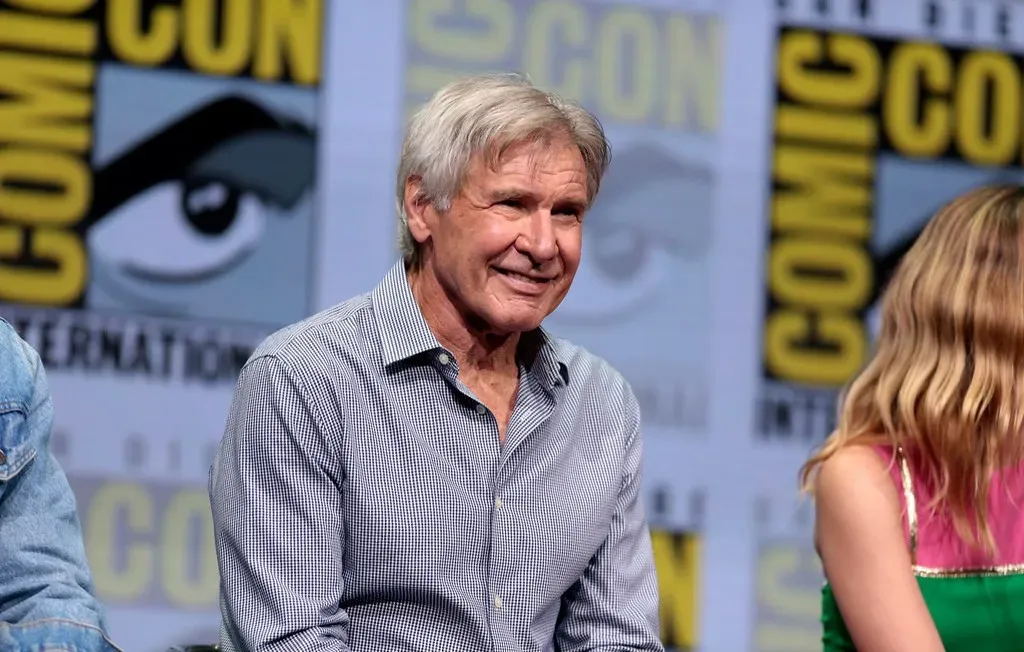
Harrison Ford was offered a modest compensation of just $10,000 for his portrayal of Han Solo in A New Hope. At the time, he was a relatively unknown actor and the studio was unsure that the film would be a hit. Ford himself confirmed the low-ball figure in an interview with Good Morning America.
The contrast with what came later is almost absurd. Harrison Ford received a massive pay raise for his role in The Empire Strikes Back, earning $100,000 – but that still seems like a low salary for a leading actor in a film that made over $500 million at the box office. Mark Hamill, who portrayed Luke Skywalker, was compensated with the highest salary in the original cast at $650,000, equivalent to roughly $2.5 million in today’s currency – a detail that surprised even longtime Star Wars fans.
Hilary Swank – Boys Don’t Cry (1999)
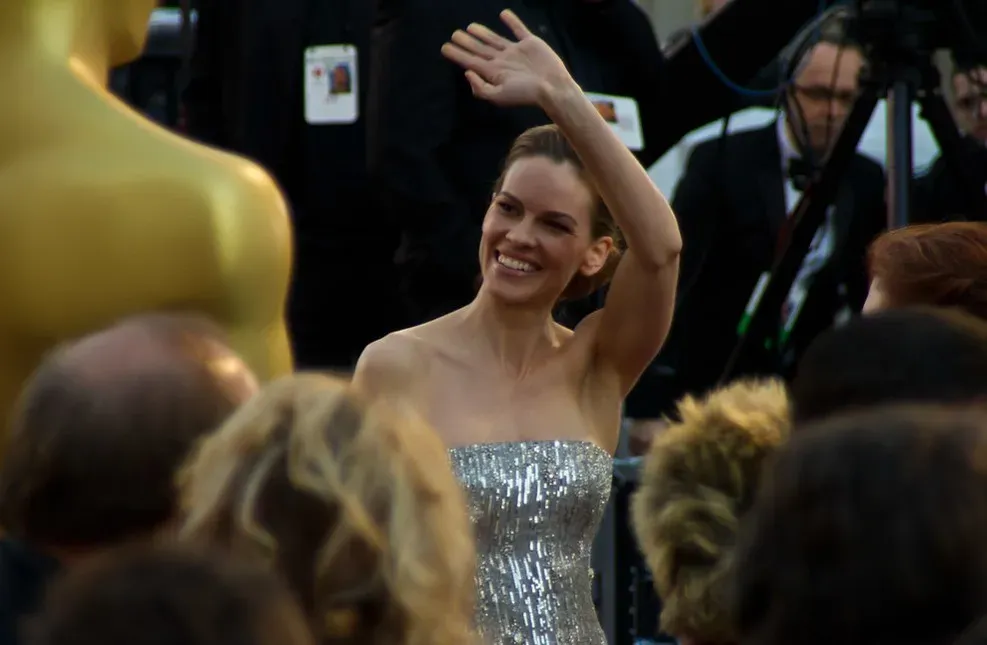
Swank revealed she was paid only $3,000 for her Oscar-winning role in Boys Don’t Cry, and said it wasn’t enough at the time to qualify for health insurance. In her groundbreaking performance in Boys Don’t Cry, Swank won an Oscar for portraying a real-life transgender man, and yet the actress only received a salary of $3,000 – well below what was required for her to be eligible for health insurance.
The story gets harder to believe when you factor in what came next. After she won her second Oscar for Million Dollar Baby, she was offered the leading female role in a film opposite a popular male actor who had not had much critical success, but who was still slated to receive a paycheck twenty times fatter than Swank’s – just $500,000 to the unnamed actor’s $10 million. In 2016, Swank shared the story publicly, noting that she holds two Oscars – one for Boys Don’t Cry and another for Million Dollar Baby.
Jonah Hill – The Wolf of Wall Street (2013)
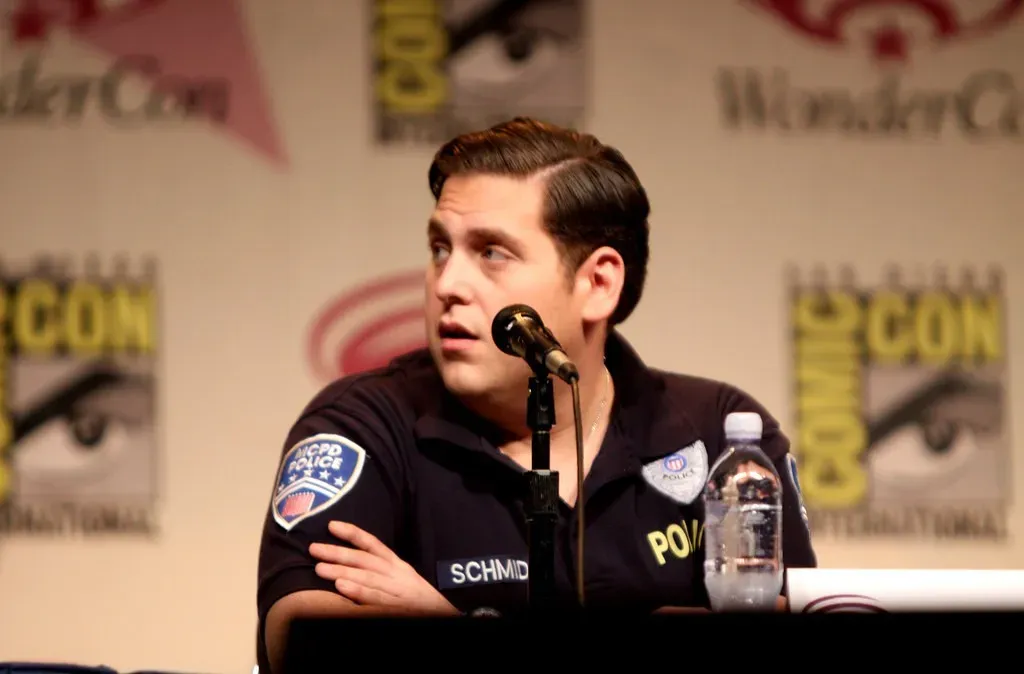
Jonah Hill’s standout performance as Donnie Azoff in The Wolf of Wall Street earned him a shockingly low $60,000 – just 0.06% of the film’s $100 million production budget. Hill accepted the tiny salary because he desperately wanted to work with director Martin Scorsese, and the decision paid off when the film grossed $392 million worldwide and scored Hill an Oscar nomination.
The internal pay gap on that production is what stings. As for leading man Leonardo DiCaprio, he banked $25 million for his role as Jordan Belfort – approximately 417 times more than Hill made. What makes that paycheck seem even more minuscule is the fact that Jordan Belfort, the real-life stockbroker DiCaprio portrayed, netted a cool million dollars just for the rights to his own story. The man whose crimes inspired the whole film was paid more than the actor who played his right-hand man.
Gal Gadot – Wonder Woman (2017)
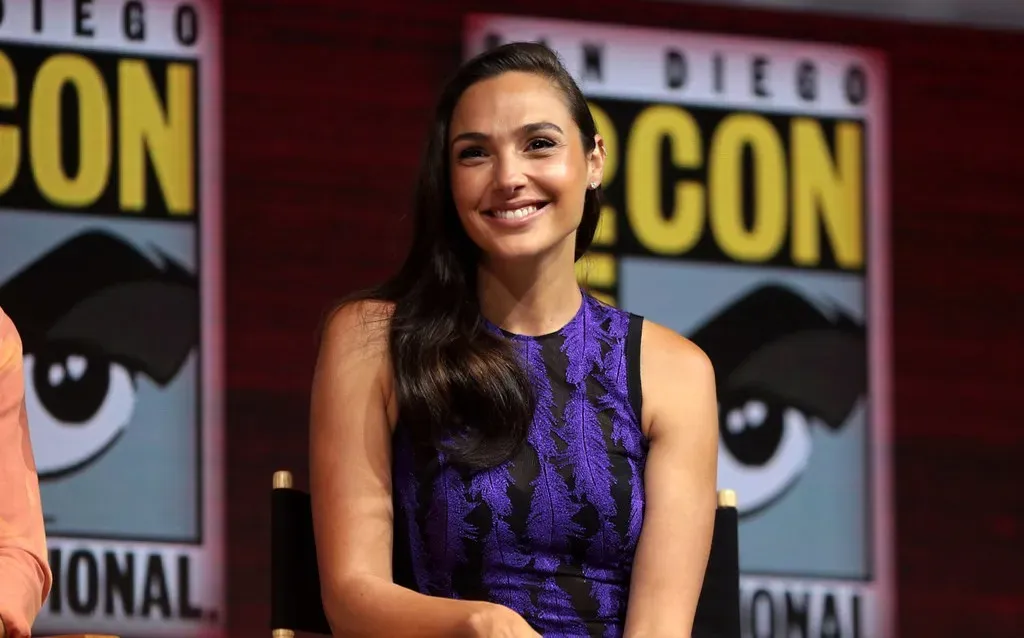
Gal Gadot earned $300,000 for her first outing as DC superhero Diana Prince in Wonder Woman, and the blockbuster had a $149 million budget – meaning her salary accounted for just 0.20% of the total. Gadot’s modest pay seems even more shocking considering that Wonder Woman was a box office juggernaut, grossing $823.9 million worldwide.
Adding to the controversy, rumors swirled that Gadot’s male co-star Chris Pine was paid more than her for his supporting part in the movie, and although his salary was never confirmed, the speculation fueled the debate about gender pay disparity in Hollywood. The defense from some quarters was that Gadot was still a rising star at the time, though Henry Cavill was also relatively unknown when he signed on for Man of Steel and still received $14 million for it.
Jennifer Lawrence – American Hustle (2013)
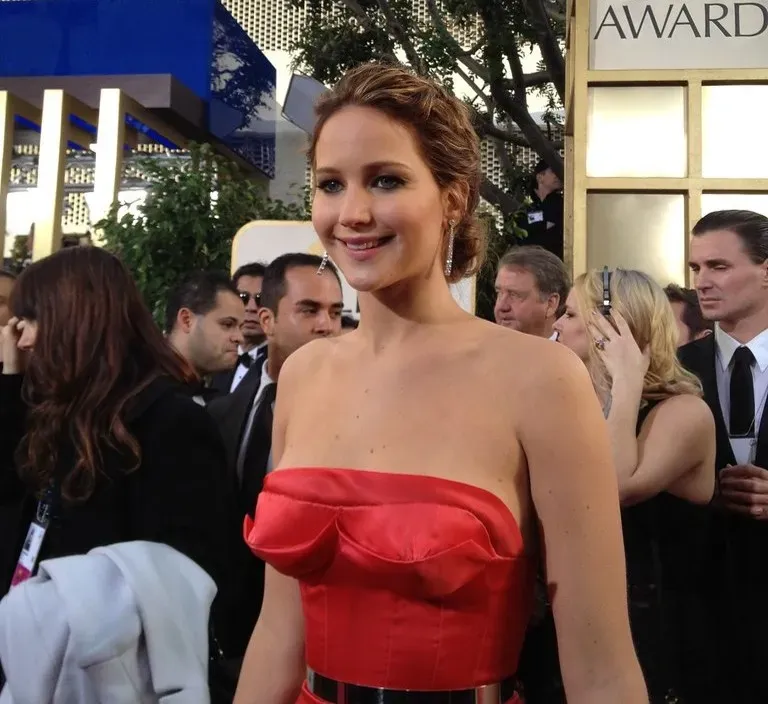
The pay disparity was discovered when Sony Pictures was hacked and private financial information was leaked. When Lawrence co-starred in American Hustle, her salary was locked in at five percent of the total backend profits of the film, while the male actors participating in the film were guaranteed a nine percent cut. Amy Adams and Jennifer Lawrence each received seven percent of the backend points, while nine percent of the money went to the men: Bradley Cooper, Christian Bale, and Jeremy Renner.
Lawrence, an Oscar winner, claimed she was paid significantly less than Christian Bale and Bradley Cooper for her role. She received seven percent of the profits, compared to the nine percent her male co-stars received. In an interview, she stated she did not want to fight because she did not want to appear “difficult” or “spoiled.” The leaked Sony documents made that reluctance visible to the entire world, and the episode became one of the clearest on-record examples of the gender pay gap in mainstream Hollywood.
Margot Robbie – The Wolf of Wall Street (2013)
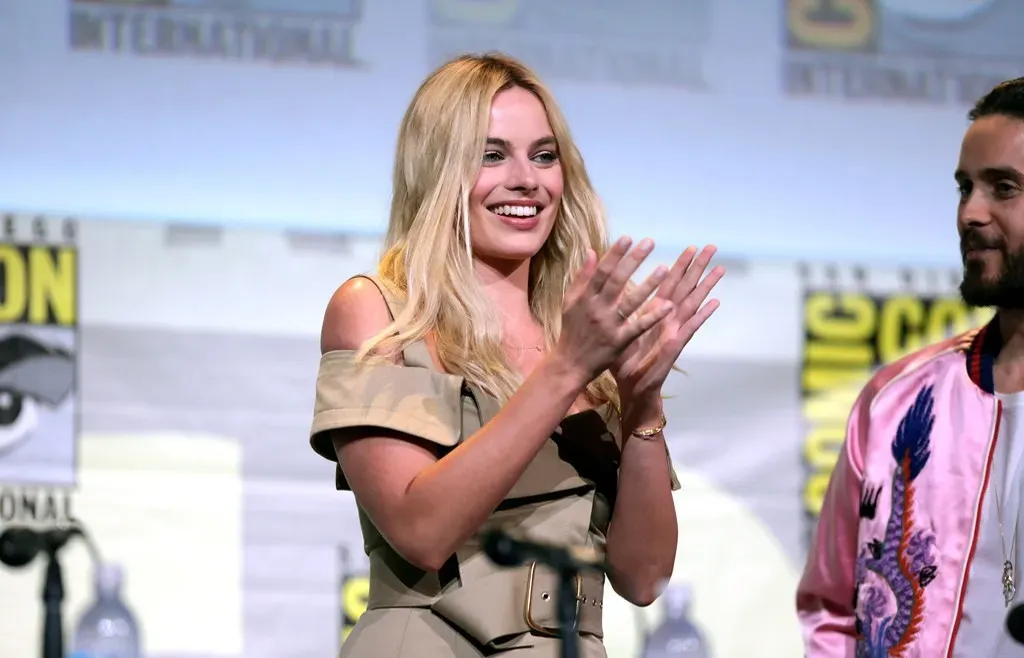
Margot Robbie earned just $347,000 for The Wolf of Wall Street, and the film was her Hollywood breakout role, with her most notable previous credit being the Australian soap opera Neighbours. Measured against a $100 million budget and a film that went on to become one of the most talked-about releases of that decade, the figure is jarring. It amounted to less than a third of one percent of the production’s total spend.
A common complaint among audiences is about the ridiculously high paychecks that actors receive per movie, and to be fair, when a film grosses hundreds of millions of dollars, it only makes sense that its stars get a hefty chunk of those profits. Robbie’s case illustrates the flip side of that logic: when a studio holds all the leverage and an actor is unproven, the math rarely favors the talent. She has since become one of the highest-profile performers in the industry, commanding fees that reflect her real market value.
Dustin Hoffman – The Graduate (1967)
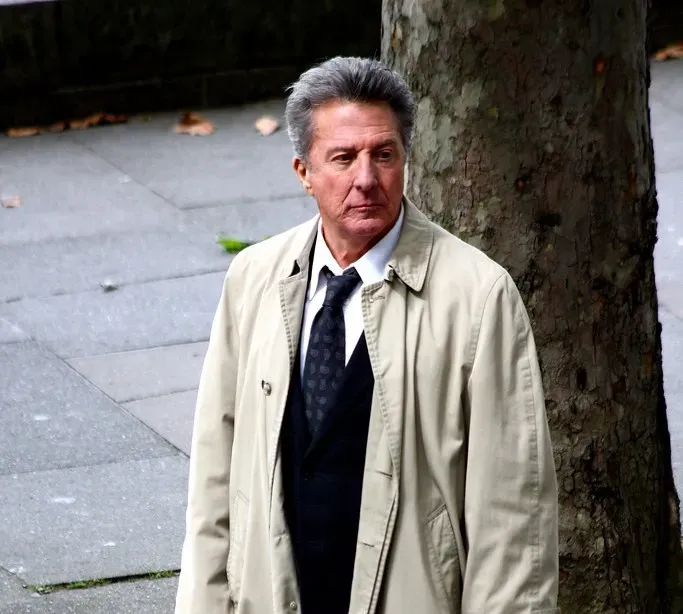
Dustin Hoffman became a star with The Graduate, but his paycheck didn’t match the film’s impact. As only his second movie, he was paid $20,000 – about $188,000 in today’s terms – but after taxes and expenses, he walked away with just $4,000. Hoffman later admitted he had to file for unemployment, living on $55 a week while crammed into a tiny New York apartment.
Hoffman is now known as one of his generation’s greatest actors, having starred in countless classics including Tootsie, Kramer vs. Kramer, and Rain Man. His breakout role came in 1967’s The Graduate when he played Benjamin Braddock, a young man who returns home after completing his bachelor’s degree. The film was a huge hit and retains a legacy as an incredible piece of cinema. The fact that one of cinema’s defining performances left its lead actor briefly on unemployment benefits says something stark about how Hollywood has always distributed its wealth.