
Old television has a way of getting rewritten in our heads. A scene gets repeated in clips, a catchphrase gets attached to the wrong show, and a few decades later everyone is sure they remember how things went. Reruns and nostalgia smooth out the details.
Some of the most beloved series in TV history are surrounded by tidy stories that don’t quite hold up. Here are nine common beliefs about classic shows, along with what the record shows.
Star Trek Was Not Canceled After One Season
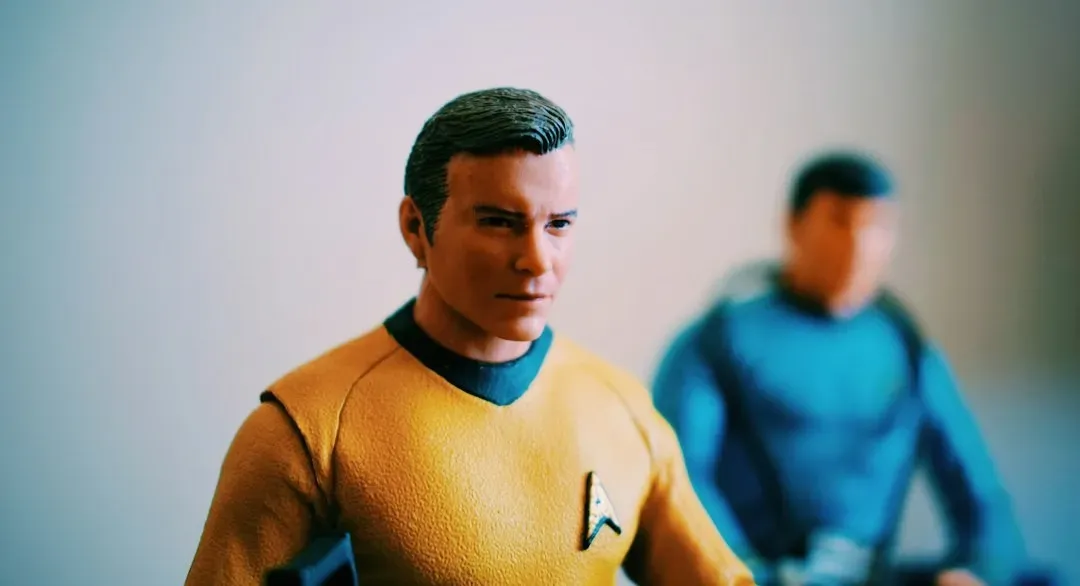
A popular version of the story says the original Star Trek flopped right away and only found life years later. In fact, it ran for three seasons on NBC, from 1966 to 1969, and produced 79 episodes. That’s a short run by modern standards, but it’s far from a one season failure.
The real story is about ratings and timing. The show struggled to find a big audience during its first run and was moved to a poor Friday night slot. Its real popularity came later through syndication, which fed the fan conventions, spinoffs and films that followed.
Happy Days Did Not Die When the Fonz Jumped the Shark

The phrase jump the shark comes from a 1977 episode in which Fonzie water skis over a shark. Many people assume the show collapsed right after. It didn’t. Happy Days stayed on ABC until 1984 and ran for eleven seasons.
The phrase took on a life of its own as shorthand for the moment a series goes into decline. That moment was identified long after the fact, though, and the show’s own history doesn’t back up the idea of an instant crash. The series kept going for years after that stunt.
I Love Lucy Never Said Pregnant on Screen

Many fans remember Lucille Ball’s real pregnancy being written into the series in 1952 and 1953, which was unusual for the time. What they often get wrong is how it was handled. Network standards of the era steered the show away from the word pregnant, so characters said expecting instead.
The storyline was still a major event. The episode in which Lucy’s baby is born aired in January 1953 and drew an enormous audience, reportedly larger than the one that watched the presidential inauguration the following day. That claim is widely repeated in television histories, which shows how big the show was without needing any exaggeration.
Mayberry Was Never a Real Town

The Andy Griffith Show was so warmly detailed that many viewers assume Mayberry was an actual North Carolina community. It was a fictional setting. Griffith grew up in Mount Airy, North Carolina, and that town is generally cited as the inspiration for it.
Mount Airy has embraced the connection, with tourism built around the show. Even so, the series itself was filmed largely in California, on studio sets and a backlot. The small town feel was crafted, not captured.
M*A*S*H Lasted Longer Than the Korean War
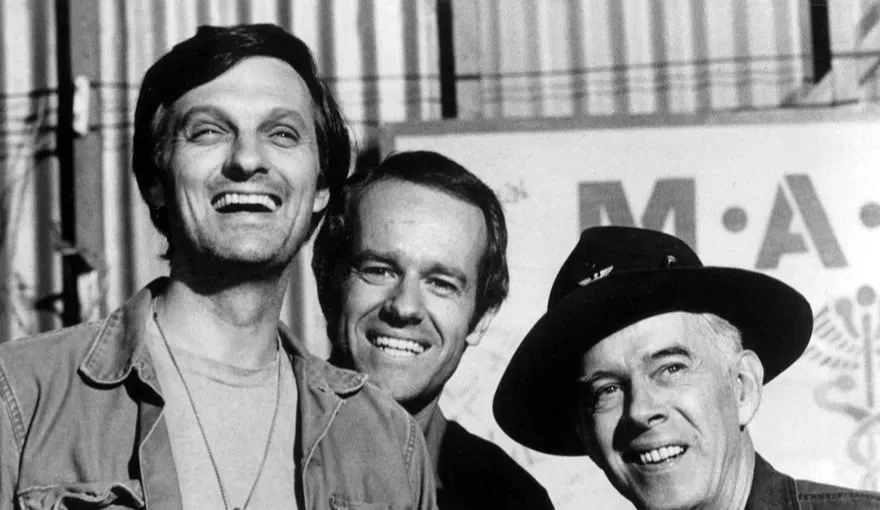
The show was set during the Korean War, and people often assume its timeline roughly matched the conflict. It didn’t. The war lasted about three years, from 1950 to 1953, while the series ran for eleven seasons on CBS, from 1972 to 1983.
That mismatch is one of the best known quirks of the series. Its finale in 1983 drew an audience of over one hundred million viewers, a record that stood for years afterward. The show was also never only about Korea. Its writers were widely understood to be reflecting on the Vietnam era in which it was made.
Dallas Did Not Just Undo Bobby Ewing’s Death With a Dream Scene Tacked On

Fans often describe the Bobby Ewing shower scene as a quick trick that erased his death. The actual structure was larger. Patrick Duffy’s character was killed off in 1985, and when Duffy returned, the writers revealed that the entire preceding season had been a dream.
That means an entire season of storylines was wiped away in a single moment. The scene is still talked about as one of television’s most famous reversals. It also gets confused with other shows that used dream endings, so it’s worth keeping straight that this one belongs to Dallas.
Rod Serling Did More Than Introduce The Twilight Zone
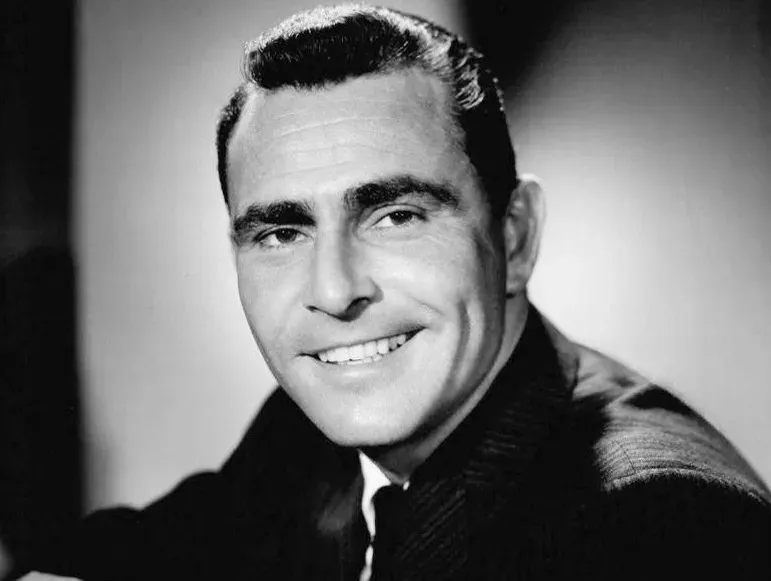
To many viewers, Rod Serling is the man in the suit who set up each story. That image hides how much he wrote. He created the series and is credited with writing the majority of its episodes, around ninety two of the 156 in total.
The show also wasn’t a guaranteed hit in its time. It ran for five seasons on CBS from 1959 to 1964 and had uneven ratings. Its reputation as an all time classic grew over the following decades through reruns and anthology revivals.
Cheers Started Near the Bottom of the Ratings
Cheers is remembered as an unstoppable comedy that ran for eleven seasons. Its beginning was far less comfortable. During its first season in 1982 and 1983, it finished near the very bottom of the ratings among prime time shows.
NBC stuck with it, and audiences gradually found it. That patience paid off as the show became a mainstay of the network’s lineup. It’s a useful reminder that some classics were rescued by a network’s willingness to wait.
The Honeymooners Had Only Thirty Nine Classic Episodes

The Honeymooners is so deeply ingrained in TV history that many people assume it ran for many seasons. The original series, starring Jackie Gleason, aired on CBS during the 1955 and 1956 season and produced just 39 episodes. Gleason had previously performed the characters in sketches on his variety show, which adds to the impression of a longer run.
Those episodes have been rerun for generations, and that repetition makes the show feel enormous. The cultural footprint, from Ralph Kramden’s famous threats to the cramped Brooklyn apartment, far outweighs the number of episodes. Few series have left so large a mark with so little original material.