Hollywood has a talent for making everything look glamorous, including the paychecks. The reality behind the velvet rope is often messier. Even the most famous names in the industry were underpaid for their most iconic roles, a fact that became quite clear during the SAG-AFTRA strike that took place in 2023. Pay disparities in Hollywood run deeper than most people expect, shaped by gender gaps, studio leverage, and stars who simply wanted the role badly enough to take whatever was on the table. Sometimes underpayment is entirely by choice, as an actor takes on a role in a smaller film because they are passionate about the material. Other times, an actor simply isn’t established enough yet to demand a higher paycheck, and has no choice but to work for relative peanuts if it means a potential breakthrough role. Whatever the reason, the stories below represent some of the most striking gaps between what a star delivered on screen and what they took home.
Harrison Ford: The Man Who Built Han Solo for $10,000
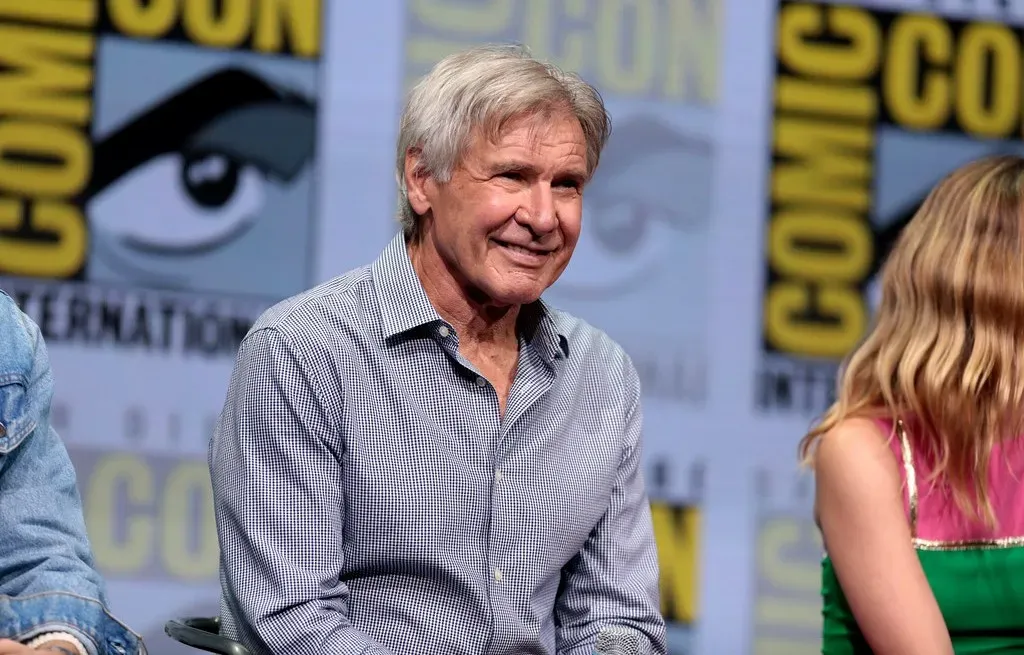
Few moments in film history are as iconic as Harrison Ford’s introduction as Han Solo in Star Wars: A New Hope. Ford earned a mere $10,000 for his debut in Star Wars: Episode IV – A New Hope in 1977. The film boasted an $11 million budget and went on to gross an astronomical $307 million globally on its initial release. The gap between what he earned and what the film made is almost difficult to process.
His lowly pay becomes even more jaw-dropping considering that Luke Skywalker actor Mark Hamill earned $650,000 upfront plus a 0.25% share of the box office profits. Ford’s Empire Strikes Back payday only rose to $100,000, even after the original film had already proven itself one of the greatest box office successes in cinema history. It took years for his compensation to approach anything close to what his contribution was worth.
Jonah Hill: SAG Minimum for a Scorsese Classic

By the time The Wolf of Wall Street went into production, Jonah Hill was already a proven, bankable star who also had an Oscar nomination under his belt for Moneyball. Still, being able to do a Martin Scorsese movie was an exciting enough prospect that Hill agreed to do it for a relatively paltry $60,000. That figure was the SAG minimum at the time.
The film grossed $392 million worldwide and scored Hill an Oscar nomination. As for leading man Leonardo DiCaprio, he banked $25 million for his role as Jordan Belfort – about 417 times more than Hill made. Hill worked for seven months while DiCaprio earned $10 million. Hill said on The Howard Stern Show that he was offered the lowest possible amount. He took it anyway, and the performance became one of the most talked-about of his career.
Michelle Williams: Less Than $1,000 for Reshoots
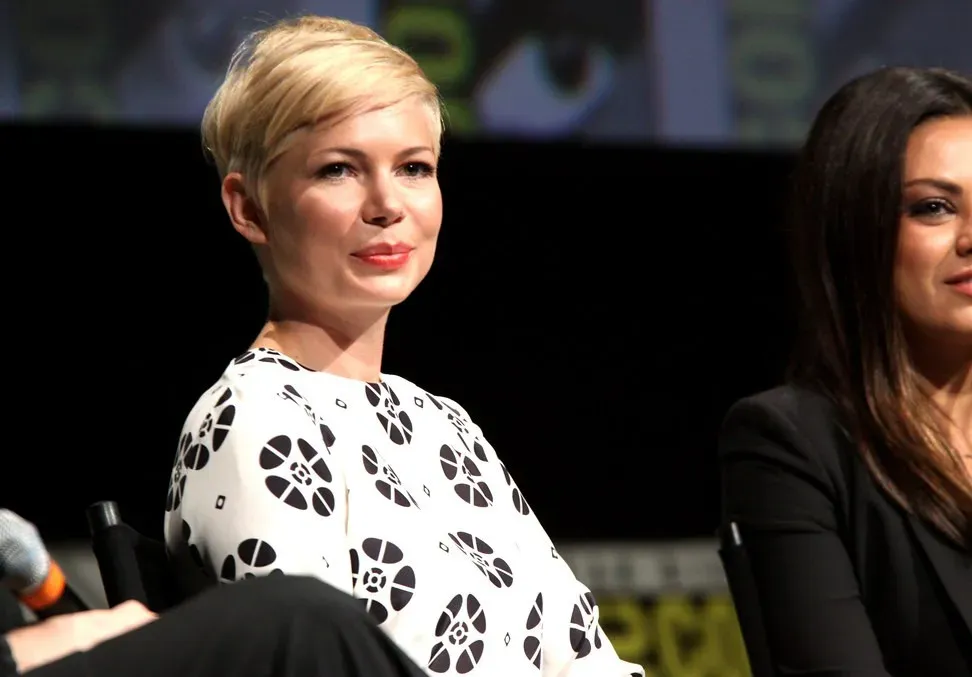
Throughout her career, Michelle Williams garnered an enormous amount of accolades, including five Oscar nominations. In 2017, she starred in Ridley Scott’s film All the Money in the World alongside Christopher Plummer and Mark Wahlberg. This role, which earned her a Golden Globe nomination, was grossly underpaid: Williams was only paid $625,000, while Wahlberg received $5 million for his work on it.
Partner offer
To make matters worse, the actress earned less than $1,000 for the film’s reshoots, considerably less than the $1.5 million Wahlberg was offered for the same job. The disparity sparked widespread outrage when it became public knowledge. Wahlberg ultimately donated his reshoot fee to the Time’s Up movement following the public backlash, though that did little to change what Williams had already accepted.
Barkhad Abdi: An Oscar Nomination, Then Back to the Phone Store
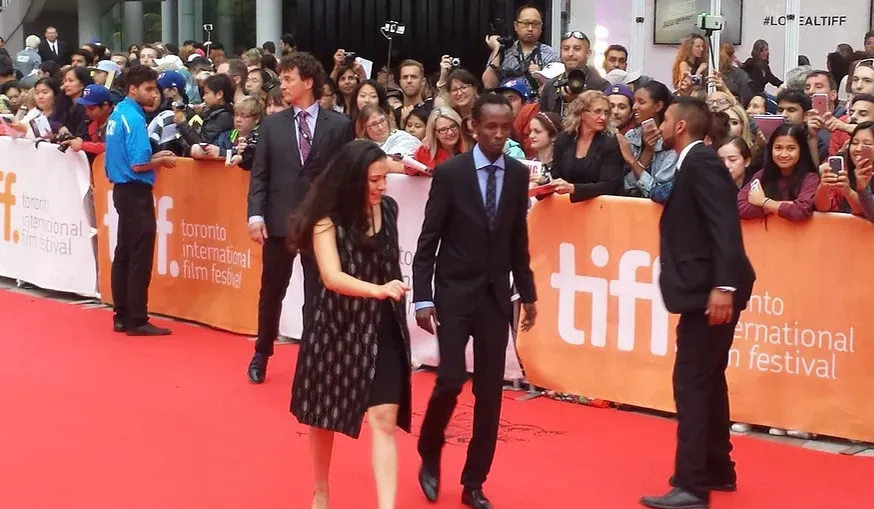
Barkhad Abdi’s impressive acting skills wowed critics, and for his role he won a BAFTA Award and earned nominations at the Oscars, Golden Globes, and SAG Awards. However, despite the fame that his breakthrough role brought him, and the fact that the film grossed over $200 million worldwide, Barkhad’s pay was not that impressive: he only received $65,000, and after completing his stint, he returned to work as a cell phone salesman in his brother’s store until he landed further acting opportunities.
On one hand, Abdi hadn’t acted previously and was paid an amount commensurate with his level of experience, but it’s eye-opening to realize that such an acclaimed performance didn’t make life easier for him. Abdi moved to Hollywood to pursue his budding career, but he struggled financially. He had to borrow clothes from friends as he aimed to find work on different films or television shows. His story is one of the most jarring reminders that awards buzz and real financial security are two very different things.
Natalie Portman: Three Times Less Than Her Co-Star
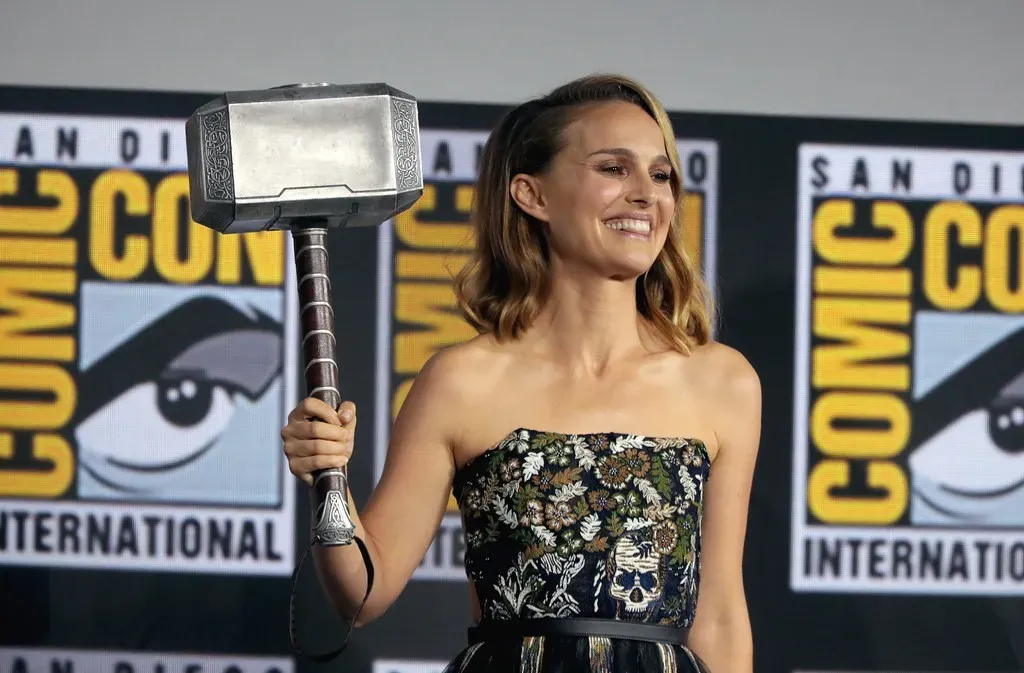
In 2011, Natalie Portman signed on alongside Ashton Kutcher to co-star in Ivan Reitman’s rom-com No Strings Attached, which, despite mixed reviews, became a box office hit. Even though both actors’ characters have equal parts in the film, Portman stated in an interview with Marie Claire UK that her partner was paid three times her salary for the role, and although she was visibly upset, she admitted that she wasn’t as angry as she should have been at the time.
With a budget of $25 million, the movie went on to earn a whopping $149 million at the global box office. Portman was already an Academy Award winner at that point, which makes the disparity harder to justify. Portman is one of the initial endorsers of the Time’s Up Foundation and has been vocal about the injustice and inequity that women face in the Hollywood industry. Her experience became a reference point in broader conversations about gender pay inequality in the entertainment business that continue to this day.
Partner offer
Planning a trip to Vegas?
Compare hotel rates and show tickets on VEGAS.com.