For a lot of families in the 1960s, a Saturday night out meant loading everyone into the car and heading to a gravel lot with a giant screen. No tickets to tear, no hushed lobby, just headlights, open windows and a summer night.
The setting has changed a great deal since then. At the peak in 1958, the United States had 4,063 drive-in theaters, according to the United Drive-In Theatre Owners Association. The habits that grew up around them stuck in people’s memories, and a few might sound familiar.
Hanging the Speaker on the Window
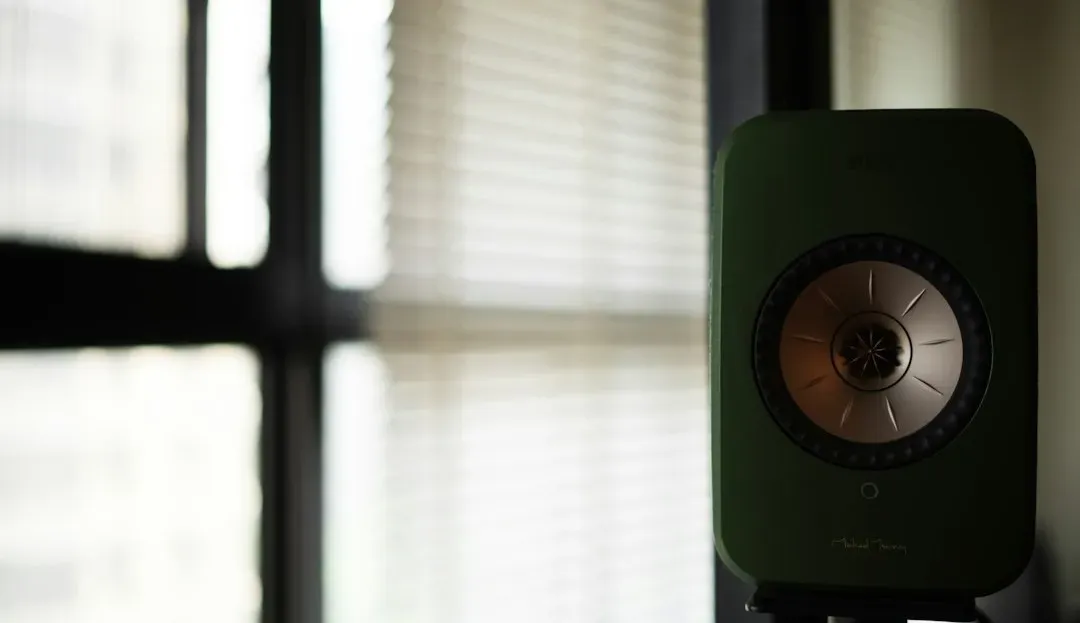
Before you could watch anything, you had to find the right spot and grab the metal speaker from its post. It hung on your half-rolled window like a heavy little lunchbox. Sound came out tinny and a bit crackly, and nobody minded.
Getting the volume right was a small family negotiation. If the window slipped down an inch, the cord pulled tight. Plenty of people can still recall driving off at the end of the night and hearing a clunk because the speaker was still attached.
Backing In With the Tailgate Open
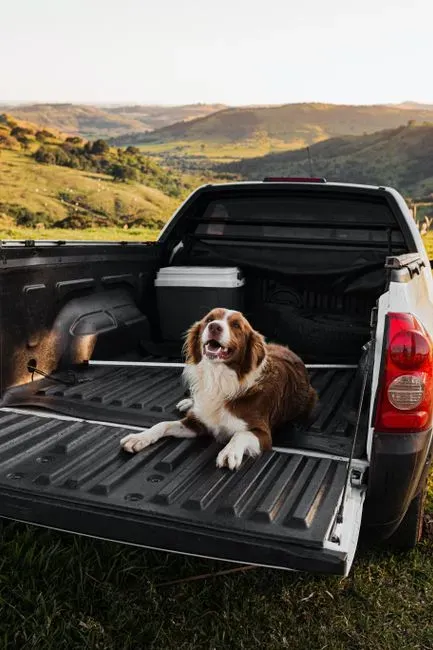
Station wagons and pickups ruled the back rows. Families backed in, dropped the tailgate and spread out blankets and pillows in the cargo area. It was the best seat in the lot, and arriving early to claim one mattered.
Lawn chairs set up beside the car were common too. Parents sat outside while kids lay inside, and nobody had to worry about a sticky cinema floor.
Kids in Pajamas

Many parents brought the children already dressed for bed. The idea was simple: if they fell asleep before the second feature, you could drive home and carry them straight to their rooms. Some kids made it through the first cartoon, and some held out for the whole night.
It also made the evening feel like an adventure. Staying up late in your pajamas, in the car, with the whole sky overhead, was an unusual treat for a child in 1960s America.
The Double Feature
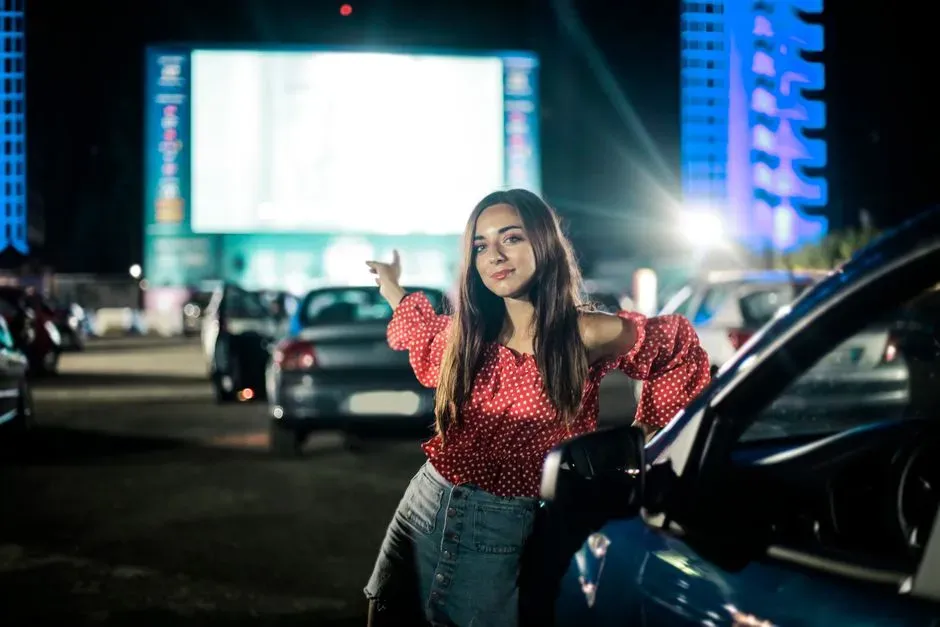
One movie rarely made the trip worth it. Most drive-ins ran two films, and sometimes three, with a cartoon or short beforehand. That gave families a long evening for a single admission price.
The second film was often the less polished one, a lower budget picture that people half watched. Teens in the back rows often cared more about the company than the credits anyway.
Intermission and the Snack Bar Rush
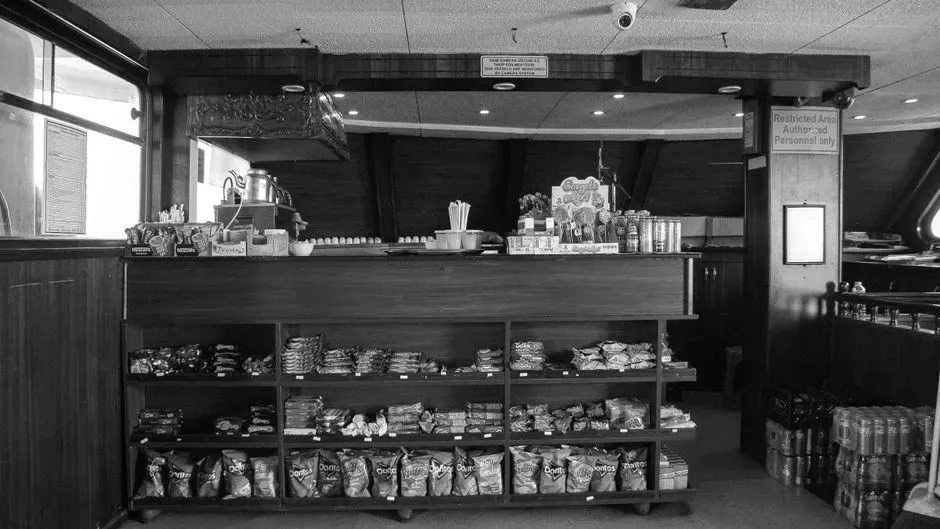
Between features, the screen filled with ads and animated hot dogs and sodas urging everyone to head to the concession stand. It worked. Lines formed quickly for popcorn, burgers, candy and fountain drinks.
That snack bar was more than a side business. Drive-ins today are mostly family owned and rely on food sales for survival. Buying a box of popcorn at intermission was a small way of keeping the place running, even if no one thought of it that way then.
Bringing Your Own Food
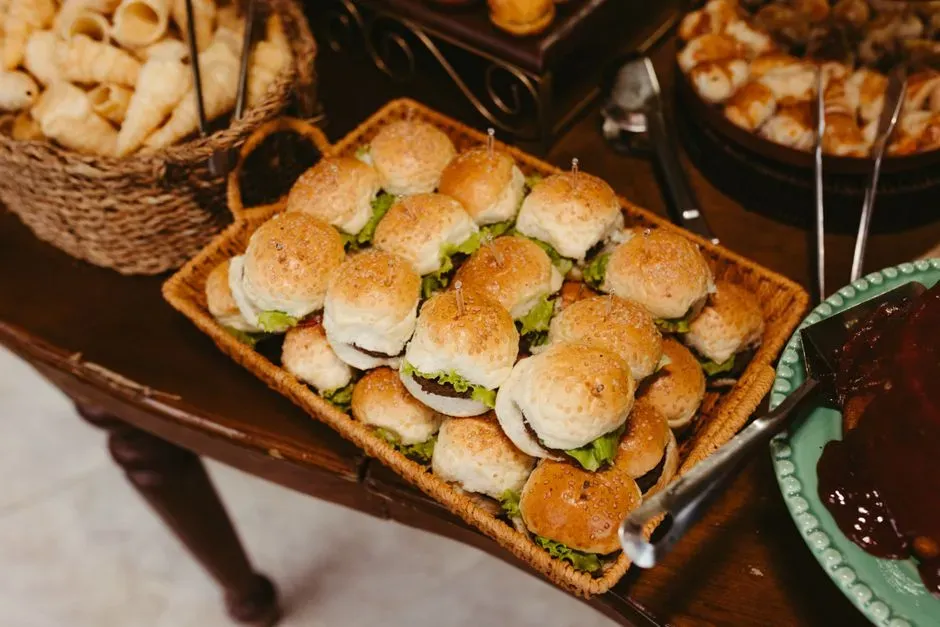
Not everyone waited in line. Plenty of families packed a cooler, a thermos and a bag of sandwiches, and ate off a dashboard or the tailgate. Dinner and a movie happened in the same parking space.
Owners generally preferred that you buy from the stand, and signs often said so. Still, the picnic habit was hard to break, especially for families with several hungry kids and a tight budget.
Bug Spray and Mosquito Coils
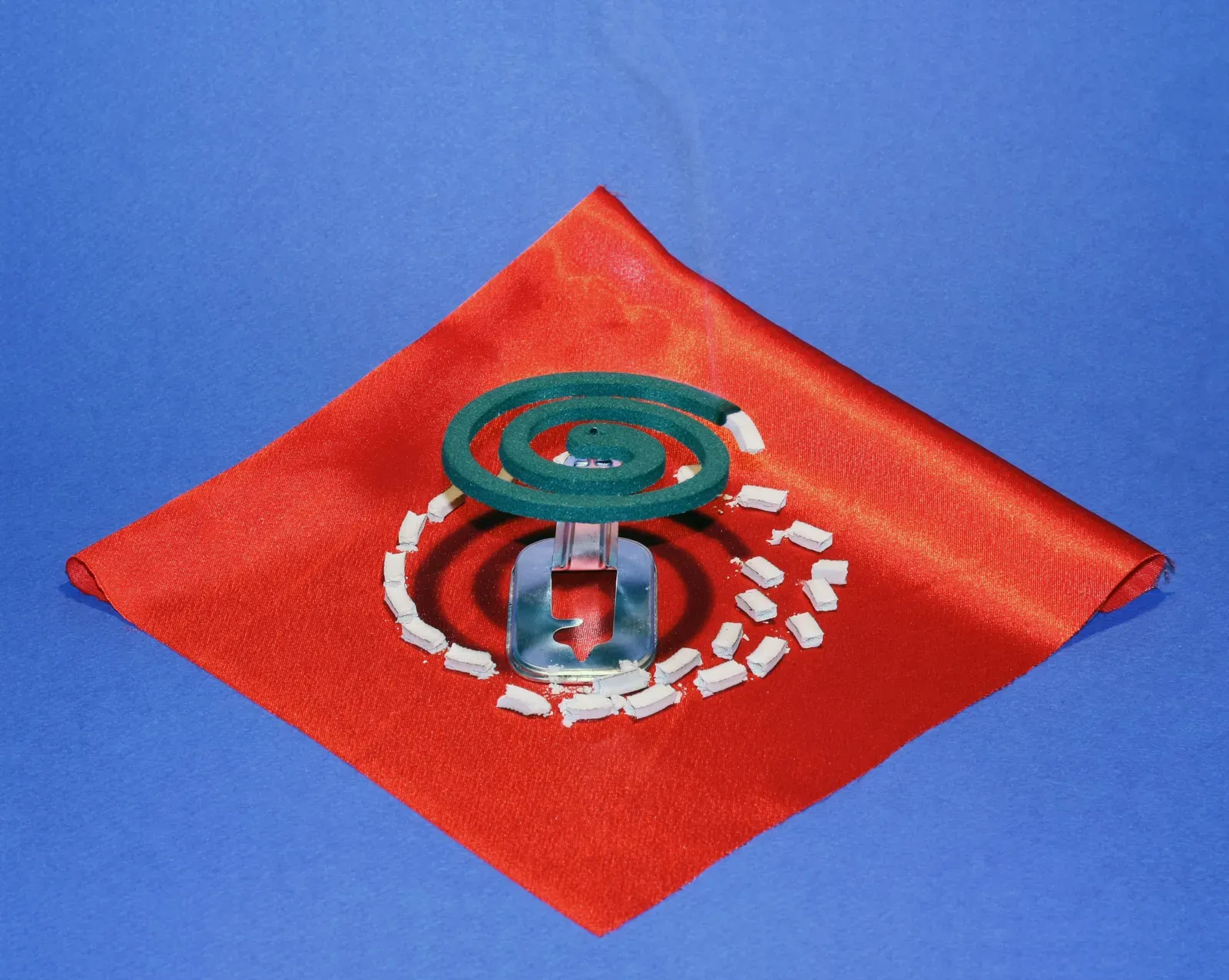
Summer nights meant insects, and the drive-in offered no shelter from them. Cars filled with the smell of repellent, and some people lit coils on the ground by their wheels. Rolling the windows up too early made the car stuffy, so everyone put up with a few bites.
The trade-off was worth it. Warm air, cricket noise and a glowing screen made it one of the best parts of the season, itchy ankles included.
The Playground Under the Screen
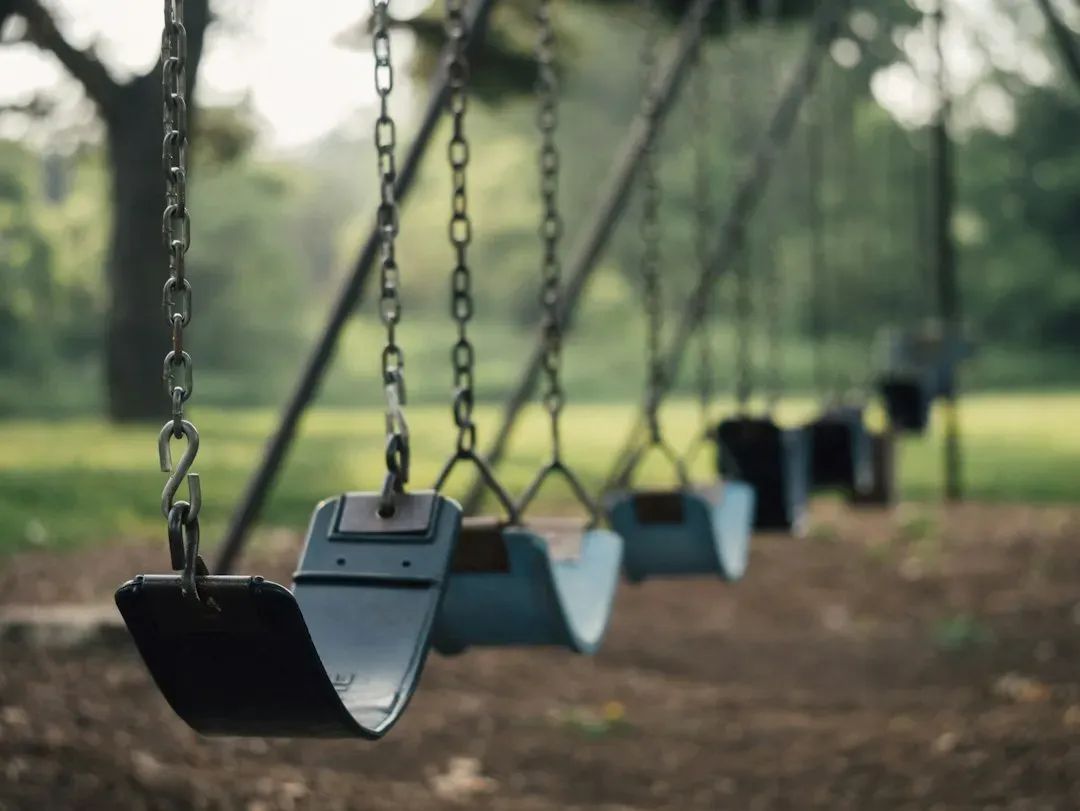
Early arrivals found something for the kids to do before dusk. Many drive-ins had swings, slides and seesaws near the front of the lot. Children burned off energy while parents settled in and waited for the sky to darken.
When the first reel started, the kids were called back to the car. That fading light, with playground noise slowly giving way to film sound, is a memory many former kids still describe fondly.
Flashing Headlights When the Film Broke
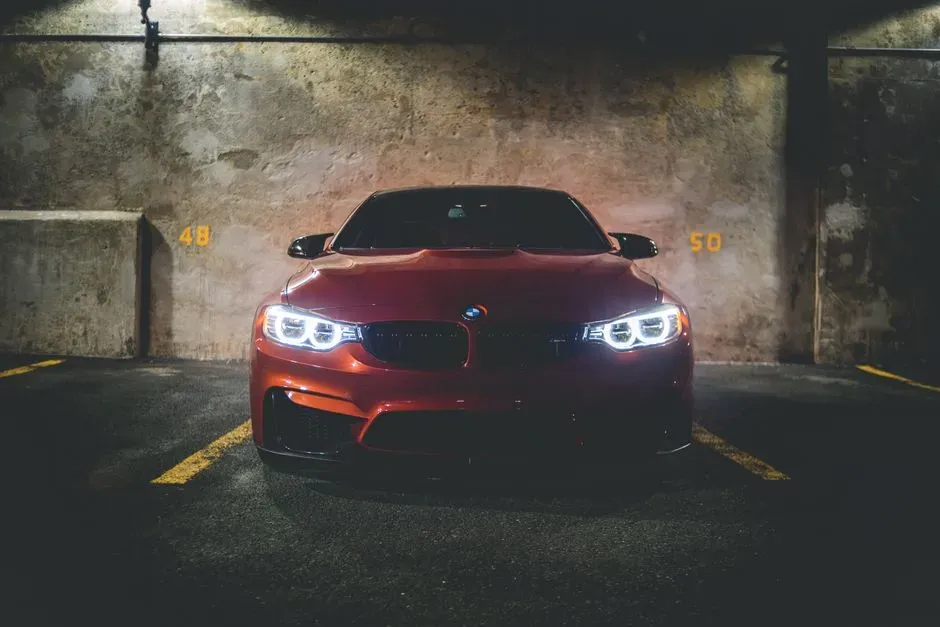
Projectors failed, reels snapped and sometimes the picture just went dark. When that happened, a chorus of car horns and flickering headlights rose from the lot. It was a friendly kind of protest, and it usually worked.
The same crowd that complained about a delay would also dim their lights when asked and keep the noise down. The tradition says something about the social side of the place, where hundreds of strangers shared one big, informal room.
Where the Tradition Stands Now
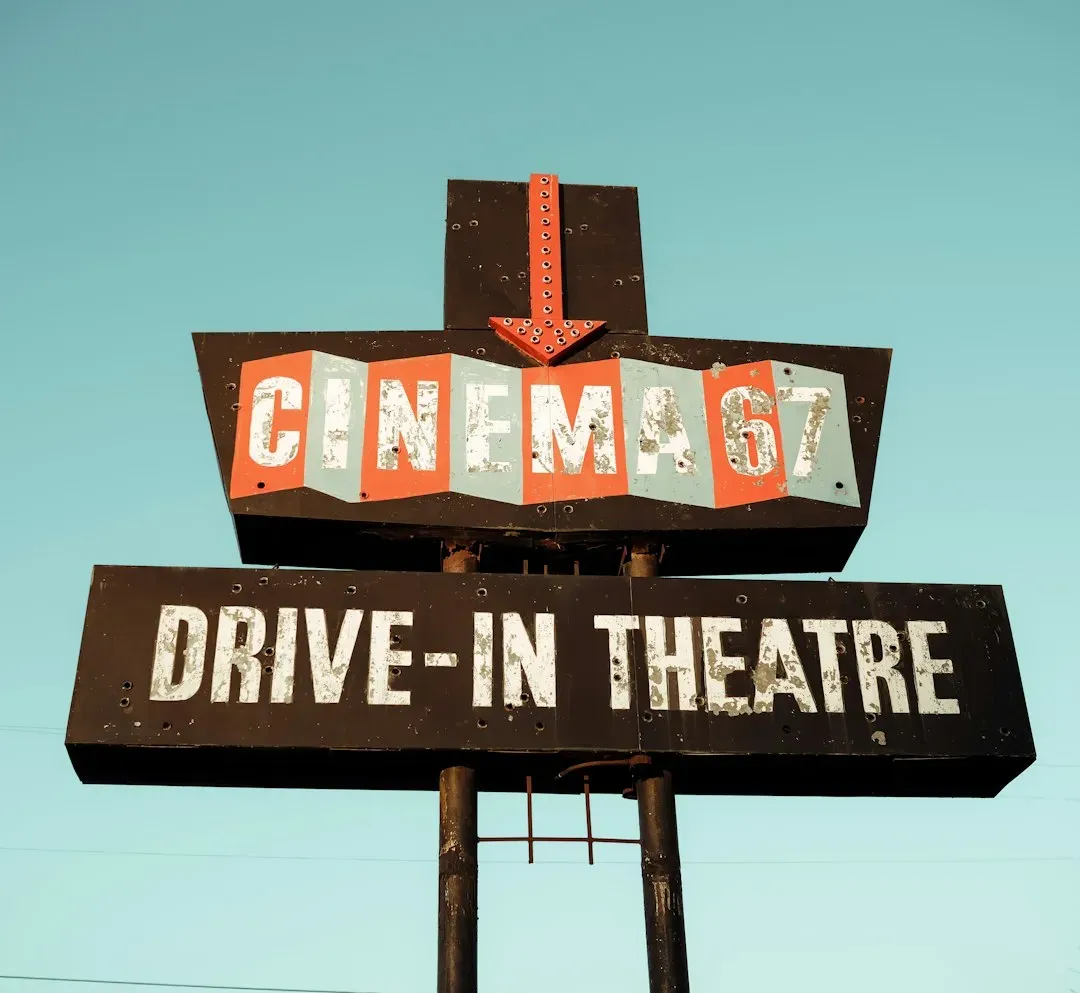
The drive-in hasn’t disappeared. Roughly 280 are still open, mostly across New York, Pennsylvania and Ohio. One count found 282 active drive-ins as the 2026 summer movie season started.
The number has held fairly steady for years. Most of the decline came between the 1970s and the 1990s, as land values rose, multiplexes multiplied and home video arrived. Anyone who remembers a speaker on the window can still find a screen and a snack bar to go with it.