There’s a strange irony hiding inside some of the most beloved choruses in pop and rock history. The parts we all know by heart, the ones we shout along to in the car or at a wedding reception, weren’t always destined to survive. Some got trimmed by nervous label executives, some were rejected by other artists first, and some almost got cut by the very songwriters who wrote them. What follows are eight songs whose signature hooks came dangerously close to never reaching listeners at all, at least not in the form we now consider untouchable.
Journey, “Don’t Stop Believin'”

Most pop songs hand you the chorus within the first minute, almost as a promise of what’s to come. This one withholds the title and the chorus until almost the end, around 3:20, building instead through instrumental passages, verses, and pre-choruses before finally letting the hook arrive. That’s an unusual gamble for a rock radio single, and it means the song spends most of its runtime without the very line everyone associates with it.
The chorus almost feels like an afterthought structurally, yet it was actually where the whole song began. Keyboardist Jonathan Cain has said the songwriting process started with the hook itself rather than a verse or a riff, inspired by advice his father once gave him during a rough patch in his career. It’s a small detail, but it means the part of the song delayed the longest was, in the writing room, the very first thing to exist.
The Beatles, “Hey Jude”
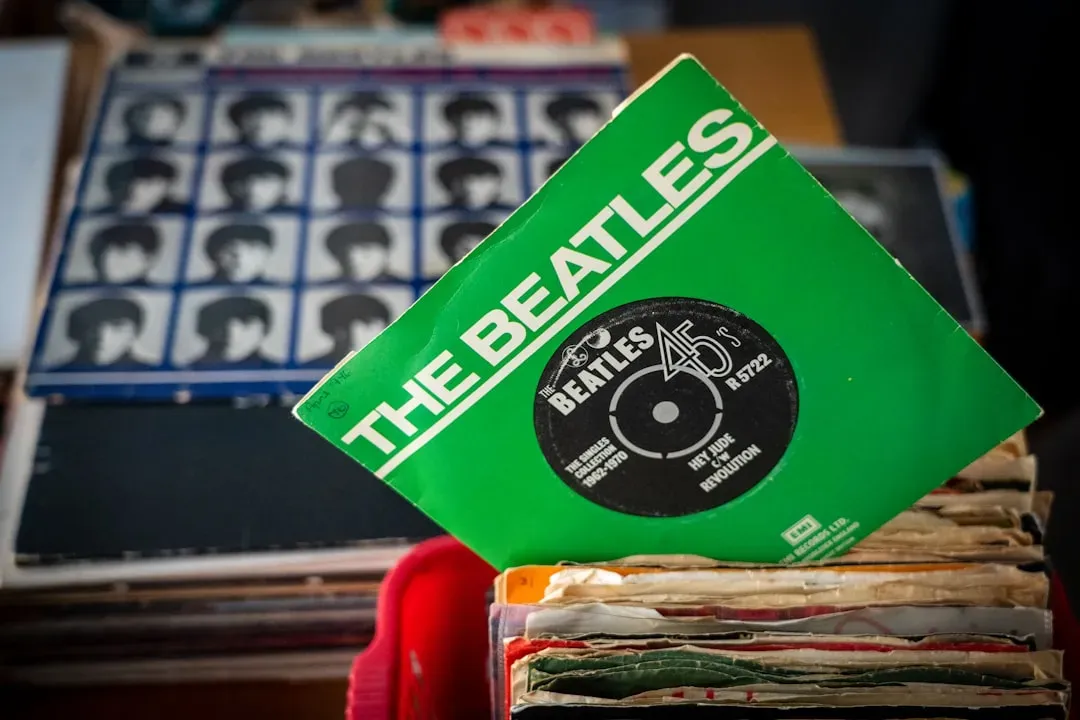
By the time “Hey Jude” reached its famous coda, the song had already run past the three minute mark most singles stuck to at the time. The Beatles’ own record company, EMI, was skeptical about releasing something so long, worrying that radio DJs simply would not play it. That skepticism was aimed squarely at the extended “na na na” refrain, the closest thing the song has to a repeated chorus.
John Lennon pushed back and won. The coda ended up running nearly four minutes on its own, built from nineteen rounds of the same chord progression with the refrain gradually building in intensity. Had EMI gotten its way and trimmed the track for radio, one of the most recognizable communal sing along moments in pop music might have been cut down to almost nothing.
Bon Jovi, “Livin’ on a Prayer”
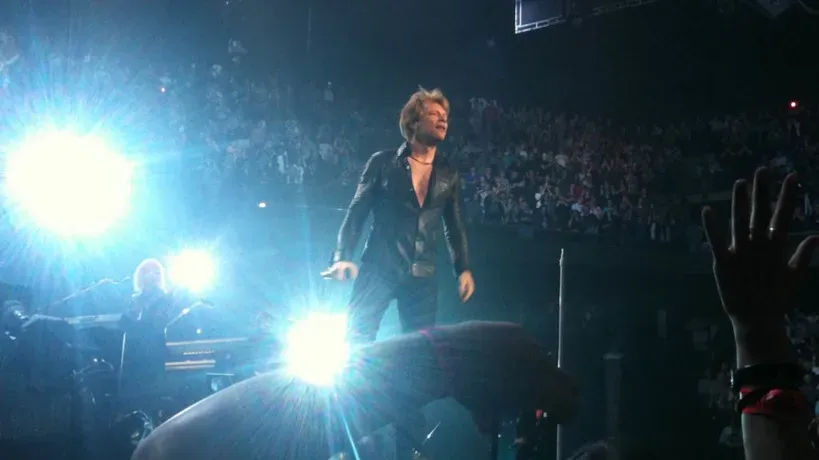
Before it became a stadium staple, “Livin’ on a Prayer” nearly got shelved entirely. During early test listening sessions, the song came in twelfth out of fourteen tracks played for a group of teenagers, and Jon Bon Jovi wanted to cut it. Guitarist Richie Sambora pushed back, arguing that Bon Jovi only felt lukewarm because he knew every detail, and asked the room to play it again and sing along to the chorus.
The chorus itself had a rocky start before that. Songwriter Desmond Child has said he had to fight to keep it, recalling that when he first sang the “whoa, we’re halfway there” hook aloud, Bon Jovi’s reaction was that it sounded ridiculous. On the second listen, according to accounts of that same test session, all twelve teenagers in the room were singing along, which turned out to be the moment that saved the song.
Rihanna, “Umbrella”

The “ella ella, eh eh eh” hook that made “Umbrella” instantly recognizable almost never reached Rihanna at all. The track was written by Tricky Stewart and The-Dream as a comeback single for Britney Spears, but when it was sent to her label it was rejected without Spears even hearing it.
The song then made a second stop before landing with Rihanna. Mary J. Blige also passed on it, later explaining that all she heard was the repeated eh eh eh sound and worried her fans would think she’d lost her mind singing it. Only after two artists turned it down did the song reach Rihanna, who leaned into that same repetitive hook rather than shying away from it, and it became her signature record.
Kelly Clarkson, “Since U Been Gone”

According to Clarkson’s label chief Clive Davis, there was internal resistance to the song making the album at all. Davis has written that Clarkson disliked how the track sounded and wanted it removed from Breakaway entirely, though Clarkson herself has said it was actually the label pushing back on the song’s rockier edge. Either way, the song’s now iconic chorus was not a given.
That chorus exists largely because producer Max Martin got frustrated. While listening to alternative and indie music for inspiration, Martin grew irritated that one particular song kept building tension through its verses without ever delivering a satisfying pop chorus, and that frustration became the spark for writing one instead. Clarkson then added her own twist that producers hadn’t planned for, jumping an octave higher on the chorus than the demo called for, which gave the hook its explosive, scream along quality.
a-ha, “Take On Me”
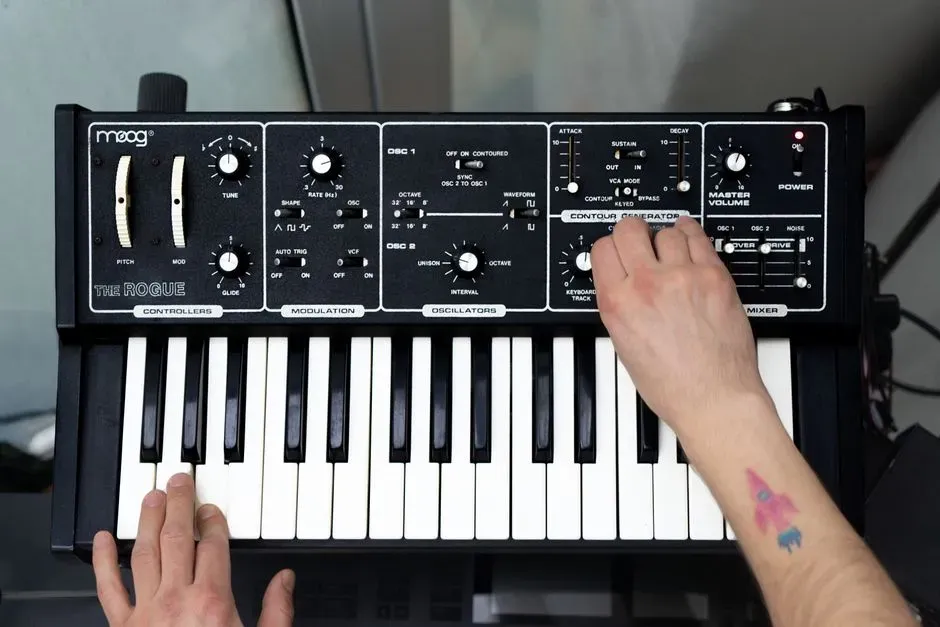
Few songs illustrate a chorus’s rocky road to release quite like “Take On Me.” The track was recorded and put out more than once before the version everyone now knows became a hit, with earlier mixes largely burying the falsetto hook under a flatter arrangement. It took a reworked production, built around that unmistakable synth riff, to finally give the “take on me, take me on” line the punch it needed.
Without that final overhaul, the song’s chorus risked staying a footnote rather than becoming one of the most recognizable hooks of the decade. The band’s willingness to revisit and rerecord a song that had already technically failed once is part of why the chorus survived at all. It’s a reminder that a great hook sometimes needs more than one attempt to find its proper setting.
Spice Girls, “Wannabe”

“Wannabe” was reportedly written and recorded at breakneck speed, with much of its energy coming from spontaneous, off the cuff moments during the writing session. The chorus line “zig-a-zig-ah” falls into that category, an ad-libbed phrase with no fixed meaning that could easily have been swapped out for something more conventional before the track was finished.
Instead, the group and their collaborators kept it in, treating the nonsense phrase as part of the song’s playful, unpolished charm rather than a flaw to fix. That decision helped the chorus feel loose and spontaneous rather than overworked, which fit the song’s tone perfectly. Cutting it for something tidier would have sanded off the very quality that made the hook stick.
Toto, “Africa”

David Paich has spoken in interviews over the years about writing the soaring chorus of “Africa” quickly, almost as a placeholder built around evocative but unusual imagery about blessing the rains. According to those accounts, other members of the band found the lines a little too whimsical for what was otherwise a fairly serious rock outfit.
The chorus stayed anyway, largely because drummer Jeff Porcaro and the rest of the band came to believe the odd, dreamlike quality of the lyric was exactly what set the song apart from anything else Toto had released. Decades later, that same chorus has outlived nearly every other song in the band’s catalog in terms of cultural reach. What almost got rewritten into something safer ended up becoming the most quoted four lines the band ever wrote.
Looked at together, these eight stories share a common thread. The chorus we remember almost never arrived in that shape, whether because a label balked at its length, another artist turned it down, a bandmate thought it sounded silly, or a producer simply hadn’t found the right version yet. What actually saved each one wasn’t luck so much as somebody in the room refusing to settle for the safer, quieter option.