
Most movies roam. They hop between cities, cut to new rooms, and use scenery to keep your eyes busy. A smaller group of filmmakers has gone the other way, picking one space and refusing to leave it.
The results can be tense, funny, or oddly intimate. Here are nine well known films that stay almost entirely within a single setting, along with how each one pulled it off.
12 Angry Men (1957)

Sidney Lumet’s courtroom drama takes place almost completely inside one jury deliberation room. Only a brief opening in the courtroom and a short closing scene step outside it. Twelve jurors argue over whether a young man is guilty of murder.
Reginald Rose wrote the story first as a television play, and the film adaptation kept its confined feel. Lumet reportedly shifted camera lenses and angles as the story went on, so the room seems to shrink around the characters. It’s a lesson in how little space a gripping film actually needs.
Rope (1948)

Alfred Hitchcock set Rope inside a single apartment, following two young men who hide a body in a chest and then host a dinner party around it. The story was adapted from a stage play. Hitchcock designed the film to look like it unfolds in a handful of long, continuous takes.
Film magazines of the era held limited camera reel lengths, so he hid cuts by moving behind a character’s back or a dark object. The apartment set was built with walls that could be moved to make room for the camera. It remains a famous experiment in staging.
Reservoir Dogs (1992)

Quentin Tarantino’s debut spends most of its running time in a warehouse, where surviving members of a botched jewel heist try to figure out who betrayed them. Flashbacks do break away to show the planning and the aftermath. Still, the warehouse is the film’s center of gravity.
The low budget helped shape the approach, since a single practical location kept costs down. The tight space also raises the paranoia, as every character is stuck with people they no longer trust.
Phone Booth (2002)

Joel Schumacher directed this thriller about a publicist who answers a ringing pay phone and finds a sniper has him pinned there. Nearly the entire story happens at that one New York street corner. Colin Farrell plays the trapped man.
The film was shot quickly, in a matter of weeks, which suited its real time feel. Using one phone booth as the main stage forces the drama onto performance and dialogue rather than spectacle.
Buried (2010)

Rodrigo Cortés directed this thriller, in which Ryan Reynolds plays a contractor who wakes up inside a wooden coffin buried underground. The camera stays inside the box for virtually the whole runtime. The only way out of the setting comes through a cell phone.
Chris Sparling wrote the screenplay, and the production relied on a small set built to allow camera access from various sides. It’s often cited as one of the most extreme examples of single location filmmaking.
Locke (2013)
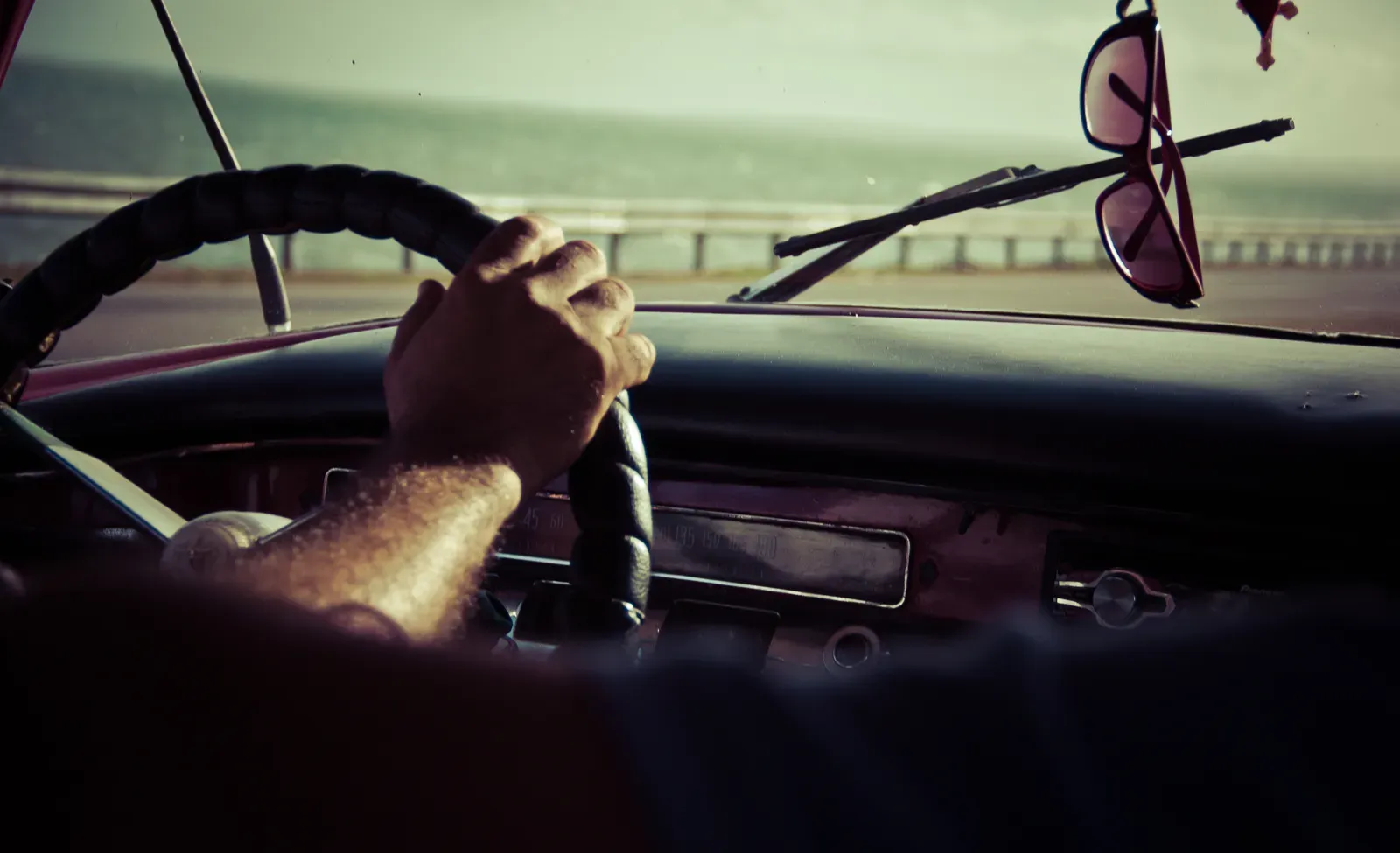
Steven Knight wrote and directed Locke, which follows a construction manager played by Tom Hardy during one long night drive. The camera never leaves the car. Other characters appear only as voices on the phone.
The film was shot in a very short period, reportedly over just a few nights, with Hardy driving on a real motorway. The result feels like a chamber piece, where the car becomes the stage and the road noise becomes a kind of score.
Cube (1997)
Vincenzo Natali’s Canadian science fiction thriller traps strangers in a maze of cube shaped rooms, some of them rigged with deadly traps. The whole story takes place inside this structure. Viewers never learn exactly who built it or why.
Only one cube set was actually built, and it was recolored with lighting gels to suggest different rooms. That clever workaround let a modest budget production create the illusion of a vast, shifting labyrinth.
The Man from Earth (2007)
Richard Schenkman directed this quiet science fiction drama from a script by Jerome Bixby. A professor tells his colleagues, gathered in his cabin before he leaves town, that he may be thousands of years old. The conversation fills nearly the entire film.
Bixby is also known for his work on classic television science fiction, and this was among his last projects. The film has no big effects, only ideas and talk, yet it gained a devoted following through word of mouth and home video.
Dogville (2003)

Lars von Trier shot Dogville on a soundstage in Sweden, with a mostly bare floor marked in chalk to show the buildings of a small Colorado town. Walls are absent, so viewers see everything the residents do. Nicole Kidman stars as a fugitive who takes refuge there.
Despite the stripped down look, the setting works as a single continuous location for the whole story. Von Trier’s stagelike design pushes attention onto the characters’ moral choices, which grow darker as the film unfolds.