Hollywood is full of what-ifs, and some of the biggest ones involve actors saying no to parts that later became career-defining, award-winning performances for someone else. A single decision, made for reasons that seemed sensible at the time, can end up rewriting film history entirely. What follows is a look at nine of the most talked-about cases where an actor passed on a role, only to watch another performer walk away with the Oscar.
1. John Travolta turned down Forrest Gump
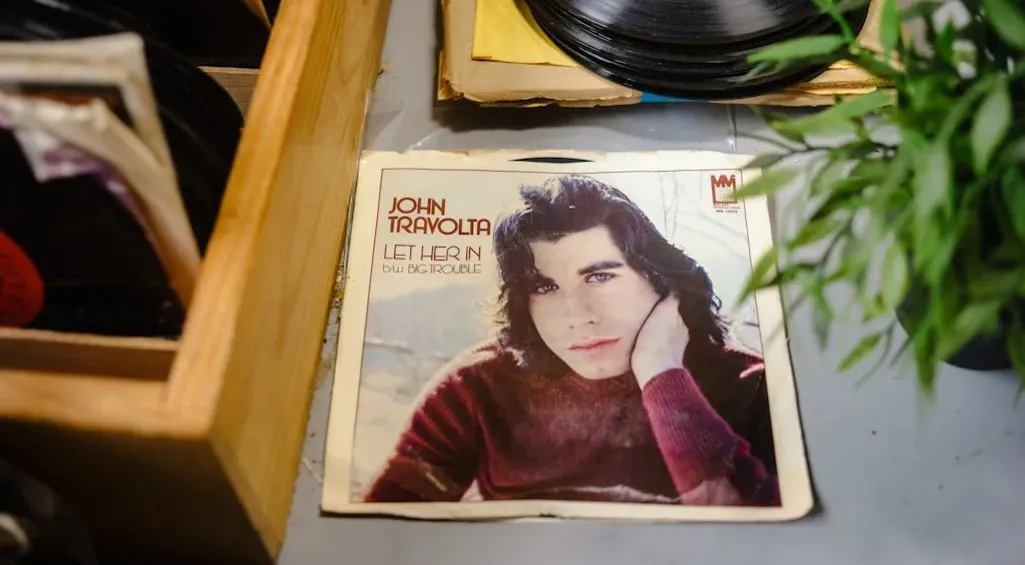
Before Tom Hanks ever stepped onto that bench with a box of chocolates, John Travolta was the top choice to play the titular character in Forrest Gump in 1994. Travolta had other plans, though. He declined the role to star in Quentin Tarantino’s Pulp Fiction, which ironically competed against the film at the Oscars.
The decision didn’t work out the way Travolta might have hoped. Tom Hanks eventually took the part and won the Academy Award for Best Actor for his performance. Travolta has since admitted that passing on the script was a significant mistake in his career, a rare moment of candor about a decision that shaped two very different film legacies.
2. Burt Reynolds turned down Terms of Endearment
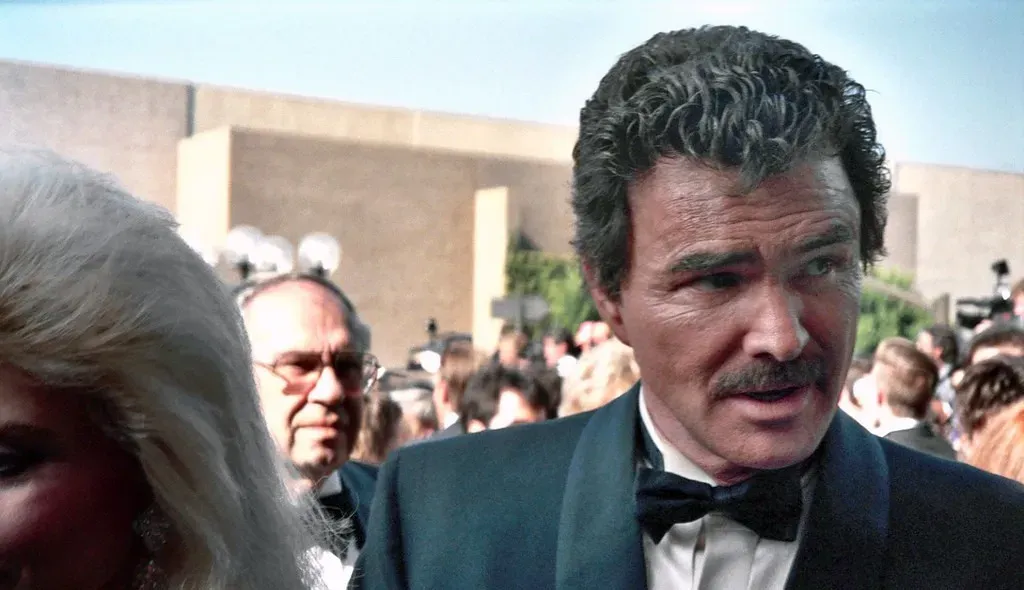
Burt Reynolds built his career on charm and box office muscle, but he also built a lengthy list of regrets. Burt Reynolds was offered the role of retired astronaut Garrett Breedlove in Terms of Endearment in 1983. The part had actually been written with him specifically in mind. When director James L. Brooks offered him the role, Reynolds said he couldn’t do it because he’d already committed to a race car comedy called Stroker Ace, even though Brooks had written the part of Breedlove specifically for Reynolds. The role went to Jack Nicholson, who delivered a charming performance that won him the Best Supporting Actor Oscar, while Stroker Ace ended up being a critical and commercial failure.
3. Michelle Pfeiffer turned down The Silence of the Lambs
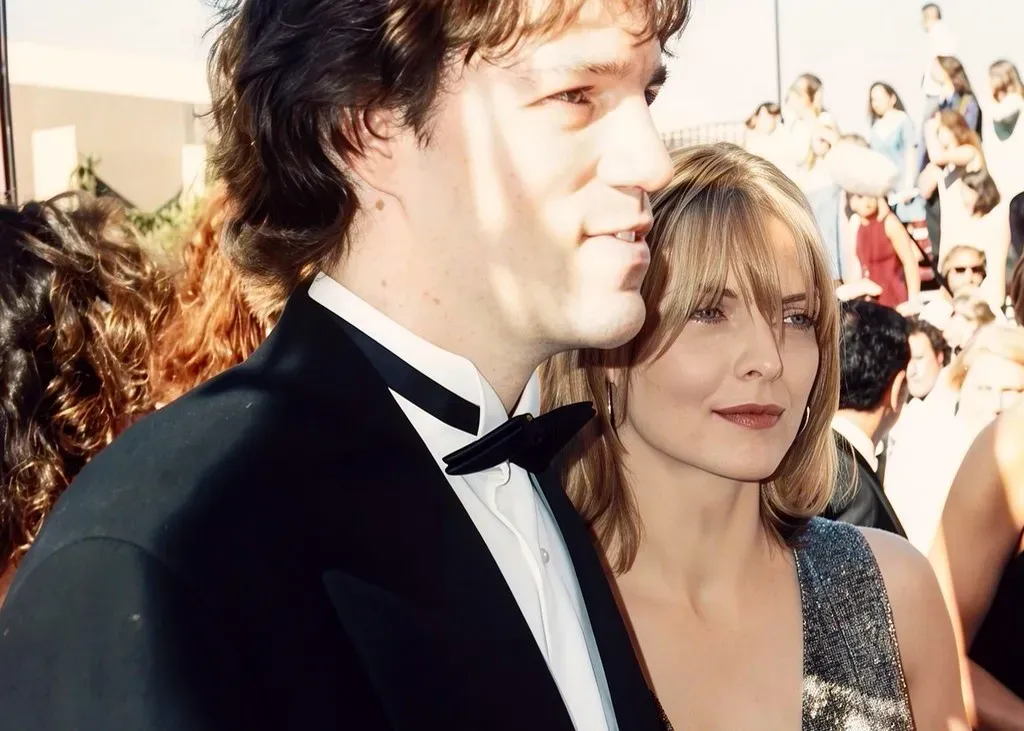
Michelle Pfeiffer has come remarkably close to an Oscar win several times in her career, and this near-miss might sting the most. Pfeiffer could’ve finally won an Oscar if she hadn’t turned down a blockbuster role in the Oscar-winning thriller Silence of the Lambs, having previously worked with director Jonathan Demme on Married to the Mob. The role of FBI trainee Clarice Starling ultimately went elsewhere. Michelle Pfeiffer was considered for the lead role, but the actress reportedly found the material too dark. Jodie Foster took the part instead, won best actress, and the film itself took home best picture, becoming one of only three films ever to sweep the top five Oscar categories.
4. Liam Neeson stepped away from Lincoln
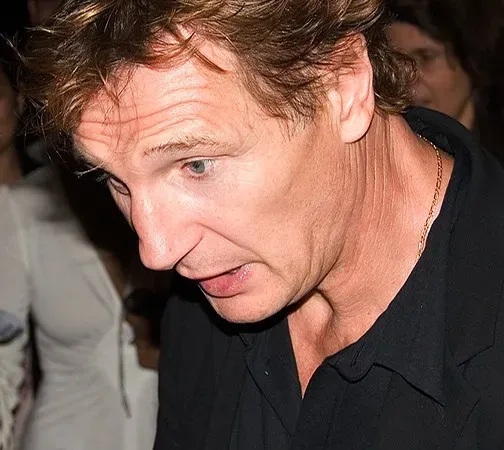
For years, Liam Neeson was the actor most closely associated with playing Abraham Lincoln on screen. The actor spent several years attached to play the lead in Lincoln while the project was in development with Steven Spielberg. Eventually, though, the timeline caught up with him. He eventually decided that he had become too old for the part and stepped aside to let another actor take over. Daniel Day-Lewis was cast as the sixteenth president and won his third Oscar for Best Actor, and Neeson later expressed great admiration for the final performance and the success of the film.
5. Harrison Ford turned down Syriana
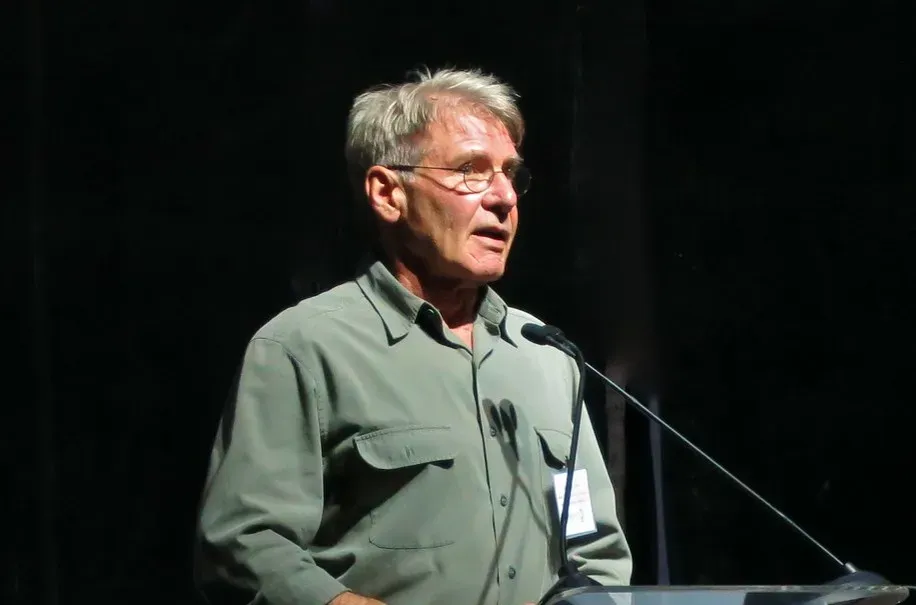
Harrison Ford is one of the most bankable stars in film history, yet his Oscar shelf remains nearly empty. Between Han Solo, Indiana Jones, and Rick Deckard, Ford has played some of the most iconic characters in cinematic history, yet he’s only accumulated one Oscar nomination for his work in Witness. A different choice in 2005 might have changed that. Ford could’ve corrected his overdue status had he accepted the role of Bob Barnes in Syriana, but he turned down the part because he “didn’t feel strongly enough about the truth of the material”. Looking back, he later conceded he had likely made a mistake, while George Clooney stepped into the role and won the Academy Award for Best Supporting Actor.
6. Richard Gere turned down Wall Street
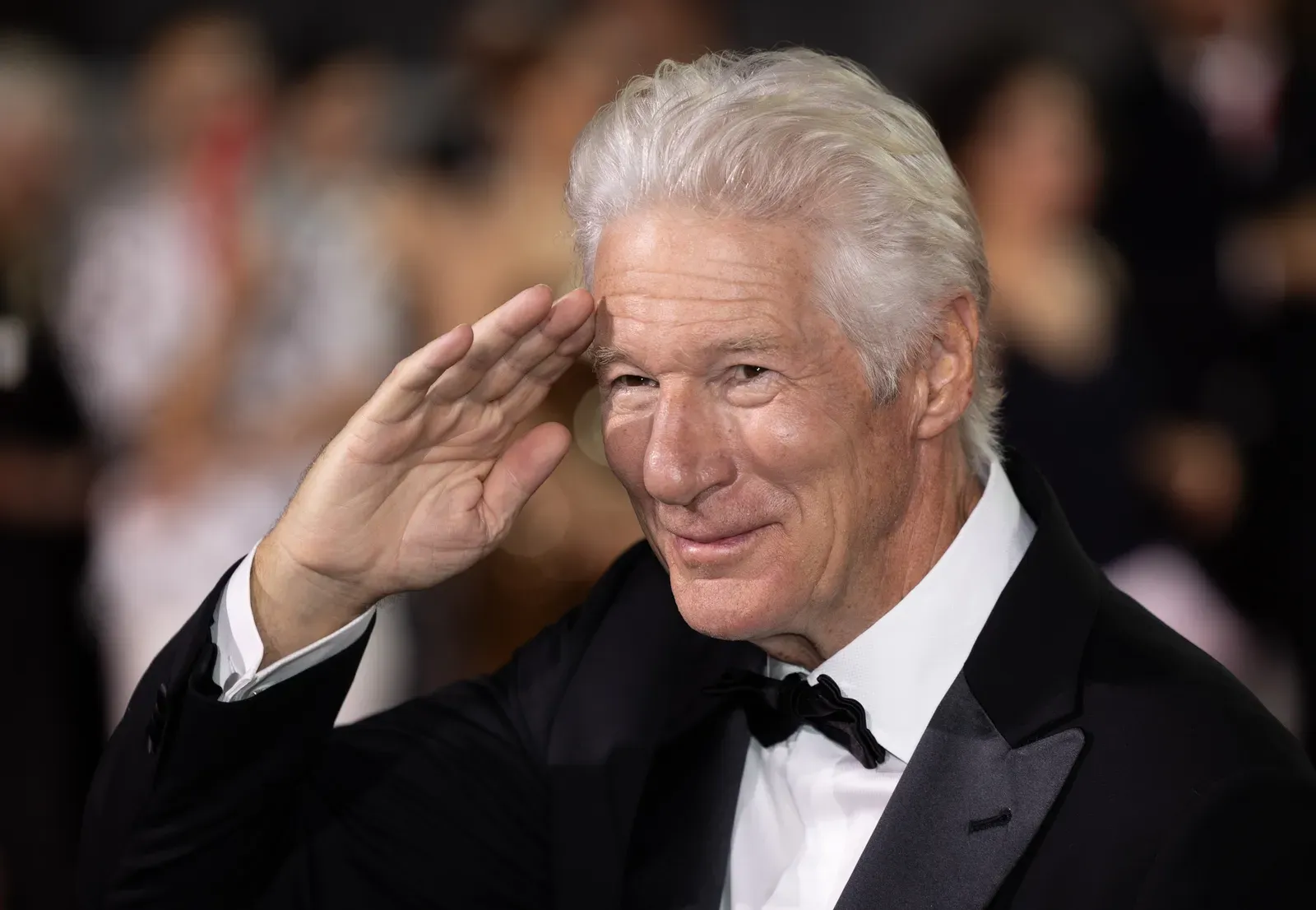
Richard Gere spent much of the 1980s playing suave, morally slippery men, which made him an obvious candidate for one particular villain. Richard Gere demonstrated a knack for playing slick, charismatic men in American Gigolo, and while audiences could definitely see him as Gekko, Gere wasn’t sold on the part. So he passed on Oliver Stone’s Wall Street. Michael Douglas, who already had an Oscar for producing, took on the role instead and won his first acting Academy Award. Gordon Gekko’s “greed is good” speech went on to become one of the most quoted lines in American cinema, a legacy Gere might have owned had circumstances gone differently.
7. Paul Bettany turned down The King’s Speech
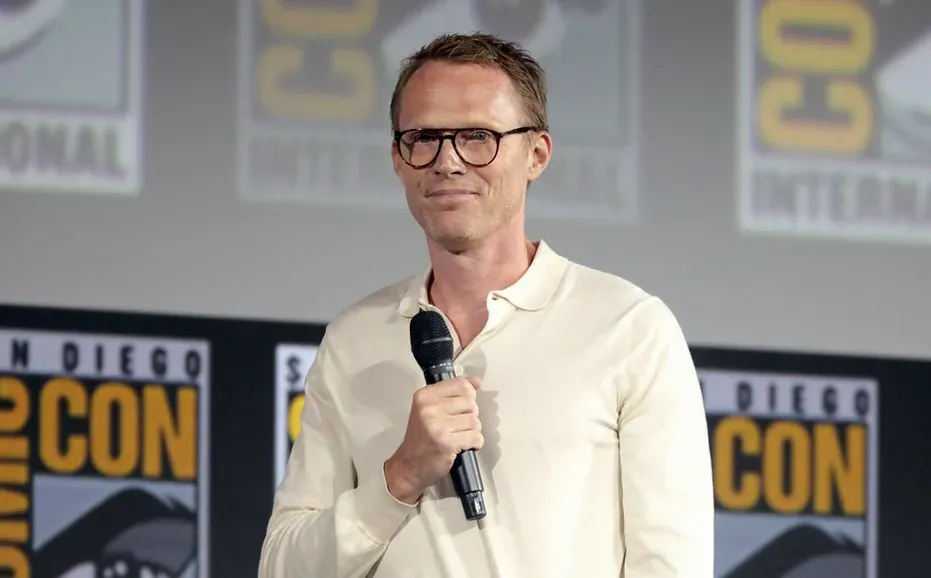
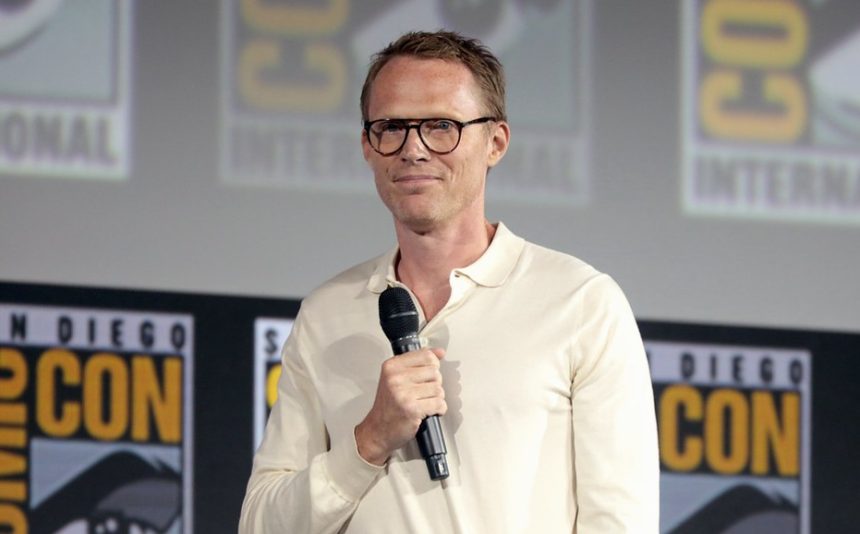
Paul Bettany has built a versatile career across prestige dramas and blockbuster franchises, but one role slipped away for personal reasons. The English actor walked away from The King’s Speech after screenwriter David Seidler felt that Bettany was the ideal candidate to play King George VI. Bettany’s reasoning had nothing to do with the script itself. Bettany wasn’t interested because he felt overworked and wanted to spend more time with his family. While Bettany regretted missing the opportunity to collaborate with the film’s acclaimed cast and crew, he doesn’t regret standing by his loved ones, and his choice certainly worked in Colin Firth’s favor, as Firth would win an Oscar for playing the stammering king.
8. Mel Gibson turned down Gladiator
Mel Gibson was already an established action star by 2000, which made him a natural first choice for Ridley Scott’s Roman epic. Mel Gibson was offered the lead role of Maximus Decimus Meridius in Gladiator. His reasoning came down to a simple concern about age. He turned down the epic historical drama because he felt he was too old for the action-heavy part. Russell Crowe took the lead instead and won an Academy Award for Best Actor for his portrayal of the vengeful warrior, as the film became a massive box office hit and also won the Oscar for Best Picture.
9. Sandra Bullock stepped away from Million Dollar Baby
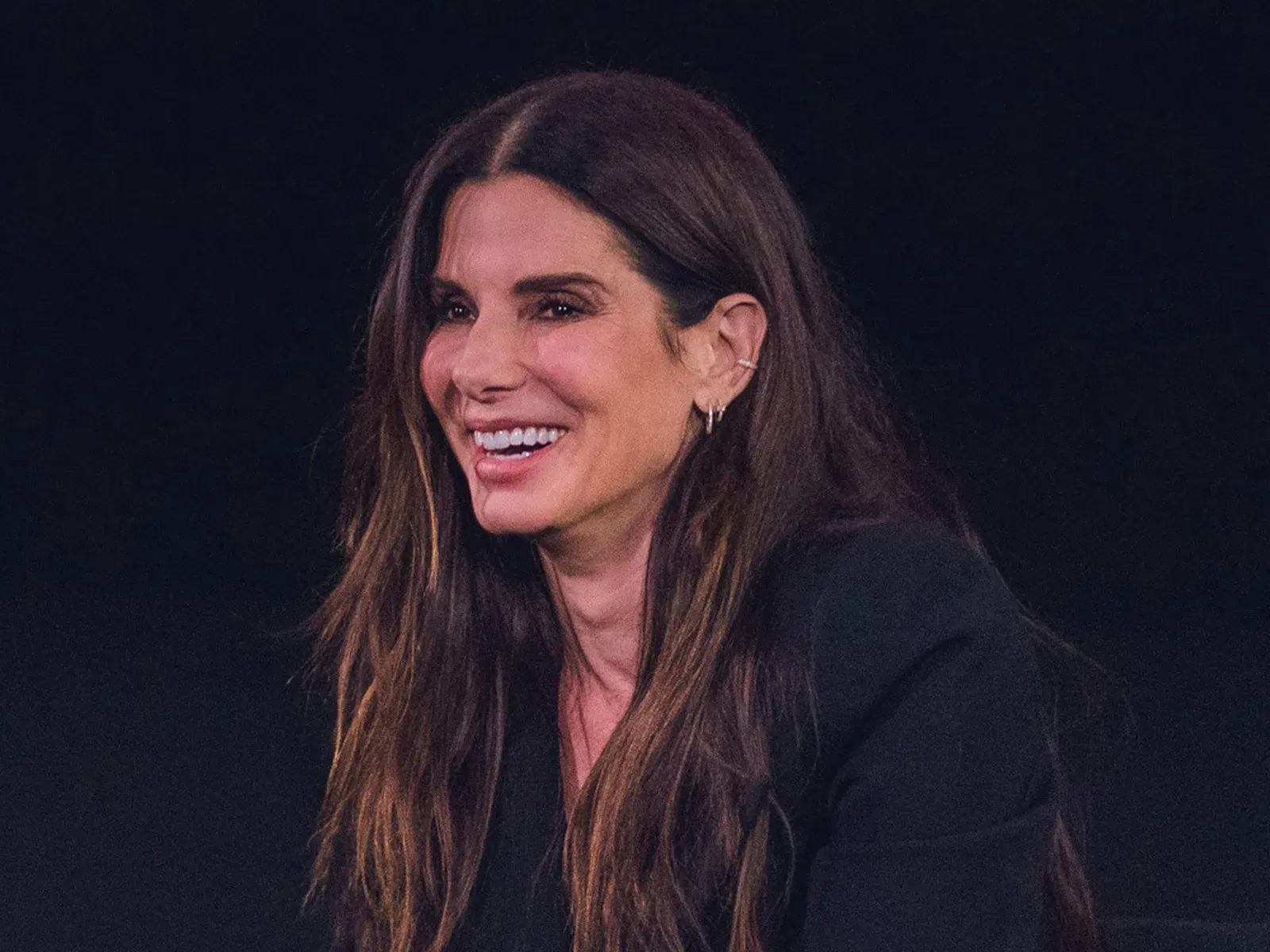
Sandra Bullock had a genuine connection to this project long before it became an awards-season darling. Sandra Bullock was approached to star as Maggie Fitzgerald in Million Dollar Baby in 2004. Her involvement, however, didn’t survive the practical realities of scheduling. She attempted to get the film made earlier, but scheduling conflicts eventually forced her to step away. Hilary Swank took over the role of the determined boxer, underwent a grueling physical transformation, and won her second Academy Award for Best Actress for the gritty performance, cementing Million Dollar Baby as one of the defining boxing dramas of its era. Looking back at these nine decisions, a pattern emerges that has little to do with talent and everything to do with timing, instinct, and sometimes plain bad luck. Some of these actors, like Travolta and Reynolds, have spoken openly about regretting their choices. Others, like Neeson and Bettany, seem to have made peace with how things turned out, even if it meant watching someone else accept the trophy that might have been theirs.