
Some movies walk into theaters and immediately own the room. Others stumble in, get overlooked, and quietly leave. Then, years later, someone rediscovers them on a late-night cable run or a dusty DVD shelf, and suddenly everything clicks. These are the films that audiences simply weren’t ready for the first time around.
It’s a fascinating pattern in cinema history. A bold, strange, or just misunderstood film gets dismissed, sometimes brutally, only to become untouchable years later. The nine films below all share that story, and some of their journeys from flop to icon are genuinely jaw-dropping. Let’s dive in.
1. The Shawshank Redemption (1994)

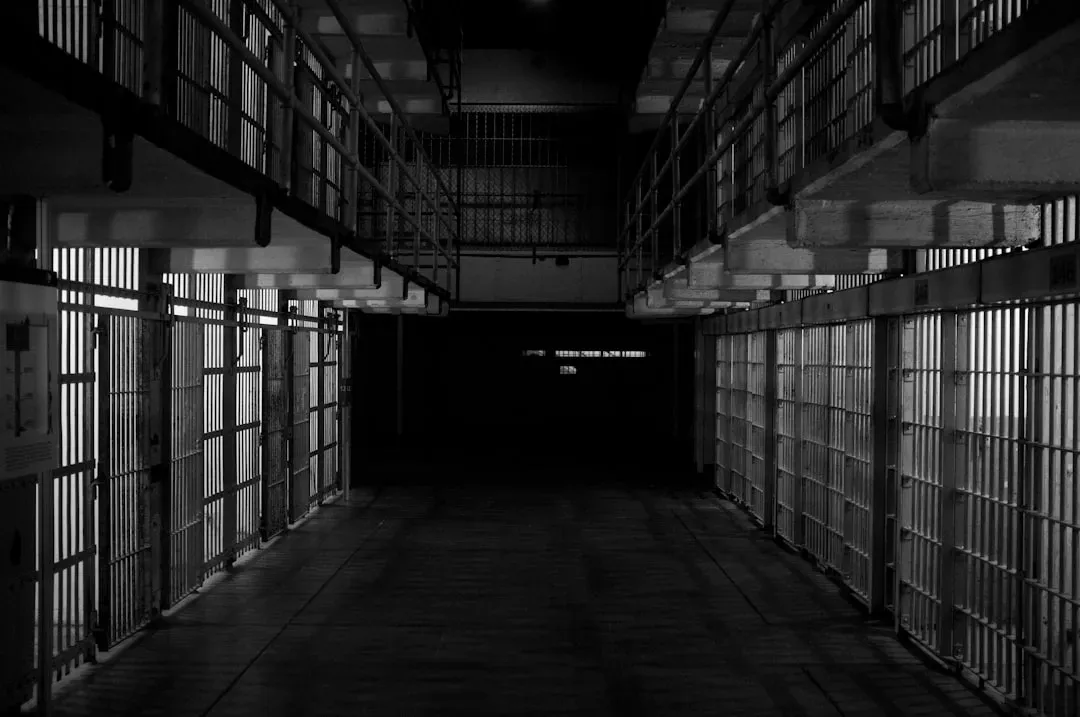
Frank Darabont’s prison drama earned only $16 million during its theatrical run against a $25 million budget, and despite critical acclaim and seven Oscar nominations, audiences stayed away from what marketing simply struggled to define. Think about that for a second. Seven Oscar nominations, and people still didn’t show up.
With that $25 million budget, the film barely cleared $28 million at the box office, not enough to cover its costs. It later became the most-rented movie of 1995 and now tops IMDb’s list of greatest films ever made. That is one of the most extraordinary turnarounds in the history of cinema, full stop.
2. Blade Runner (1982)

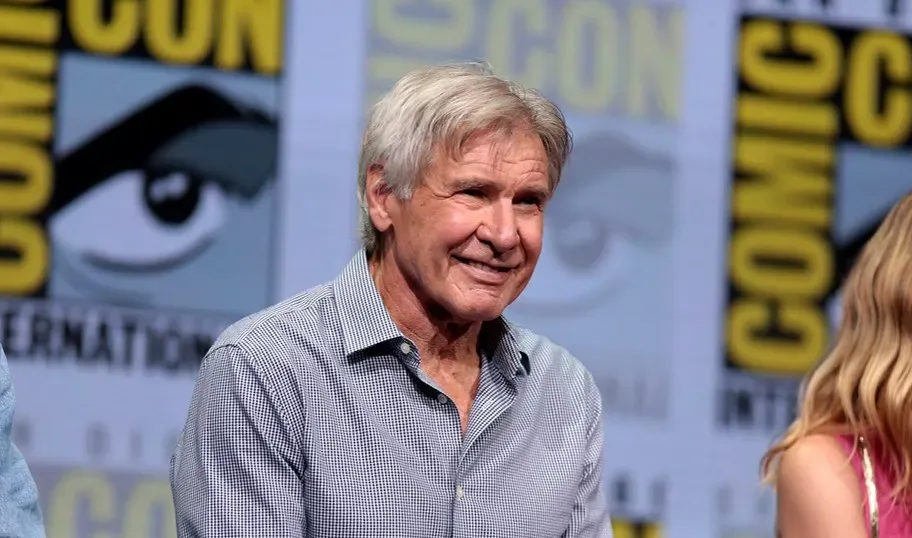
Ridley Scott’s 1982 dystopian masterpiece faced harsh critical reviews and earned just $33 million against a $28 million budget. Audiences expecting a traditional action film found instead a slow-burning philosophical meditation on humanity and consciousness, and the film’s complex themes, stunning visual design, and ambiguous ending confused initial viewers. It was, honestly, just too much for a popcorn crowd expecting Harrison Ford to run and shoot things.
Through multiple director’s cuts and growing appreciation for its prescient vision of the future, Blade Runner became one of the most influential science fiction films ever made, spawning countless imitators and a successful sequel 35 years later. Today, its rain-soaked neon aesthetic has influenced everything from video games to fashion. Good luck finding anyone who’ll admit they didn’t get it the first time.
3. Fight Club (1999)


Fight Club gained cult status through controversy. Based on a novel about masculinity, identity, and rebellion, the film was a box-office flop upon its 1999 release, grossing only $37 million of a $63 million budget, before it gained a devoted audience through home video and DVD sales. Audiences didn’t know whether to be offended or enthralled, and many chose both.
Made for $63 million, Fight Club only pulled in $37 million domestically. Audiences didn’t know what to make of its violent satire. DVDs saved it, with Fox selling over 6 million copies in the first few years, turning it into a generation-defining film. It’s now practically required viewing for anyone who considers themselves a serious film fan, which would have been unthinkable the weekend it opened.
4. Donnie Darko (2001)


Donnie Darko was a box office disaster, grossing just over $500,000 during its initial release. Its dark, eerie tone and complex, mind-bending plot left audiences baffled. However, the film gained a massive following after its DVD release, becoming a quintessential cult classic. Less than a million dollars. For a film that now sits in the cultural memory of an entire generation.
Richard Kelly’s film faced a challenging release in 2001, partly due to its complex plot and the aftermath of 9/11 affecting its marketing due to the importance of a plane crash to the proceedings. Despite this, the film’s blend of science fiction, psychological thrills, and teenage angst captivated a dedicated audience. The timing was brutal, the story was strange, and somehow it survived anyway.
5. The Thing (1982)

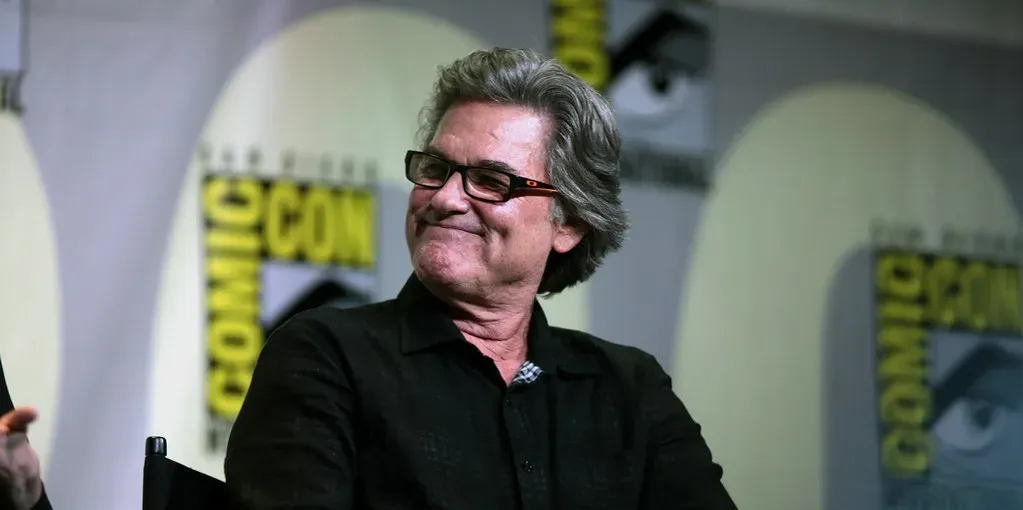
It’s hard to believe critics didn’t love John Carpenter’s The Thing when it hit theaters in 1982. Maybe it was because the alien-themed story was a dark, violent film released just two weeks after the beloved family-friendly E.T., which general audiences clearly preferred with the power of their wallets. It didn’t help that critics found the movie’s bleak tone and ghastly gore to be more gross than awe-inspiring. The timing couldn’t have been worse. Spielberg’s gentle alien had already won everyone’s heart.
Carpenter’s film is now praised for the very things critics initially maligned it for, as its practical gore effects remain an industry benchmark for many fans who often cite their importance over the CGI wave that dominates the modern era. It’s now considered one of the greatest horror films ever made, with its practical effects still impressing audiences decades later. The complete reversal of critical opinion here is almost poetic.
6. Office Space (1999)


Office Space is now a film one’s mind might automatically turn to upon hearing the phrase “cult classic.” But the now-beloved comedy had a shaky start, taking in only $12.2 million compared to its $10 million budget while garnering a mix of positive and middling reviews. It barely broke even. A film about cubicle misery nearly died in obscurity.
The following year after release it began airing regularly on Comedy Central and then caught fire in the rental market. Suddenly, every overworked employee in America could relate to the movie. Here’s the thing about satire: it only lands when the thing it’s mocking has become inescapable. By the time Office Space reached home video, the open-plan office nightmare was fully real. The movie had been waiting patiently.
7. It’s a Wonderful Life (1946)

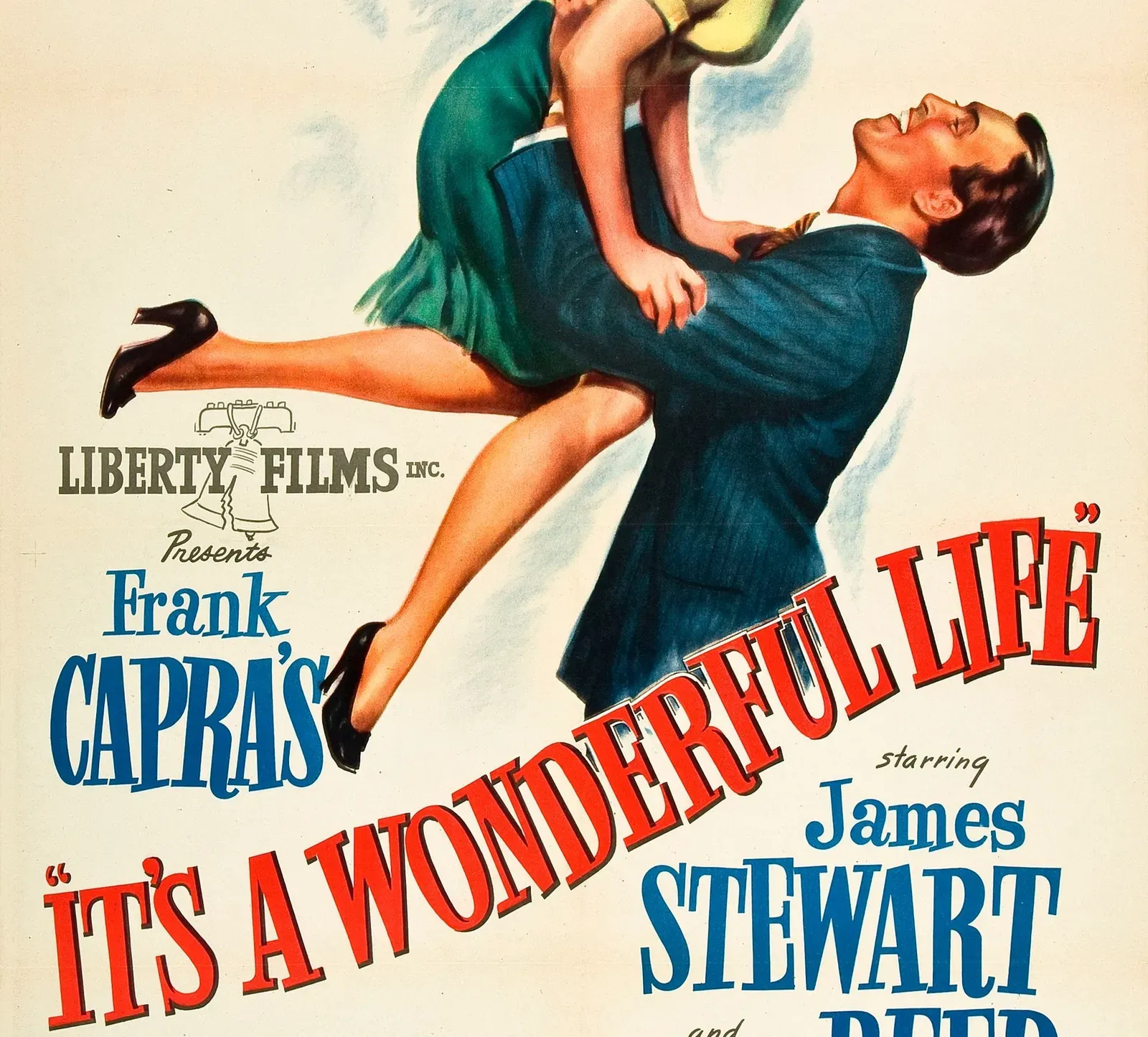
Due to a poor release window, It’s a Wonderful Life missed out on the holiday bump, with compounding factors like award-worthy competition in theaters, and audiences of the era tended to embrace escapist stories over the film’s heavy despair and focus on personal financial struggles. It underperformed and fell into relative obscurity until 1974, when it entered the public domain when someone simply forgot to renew the copyright. A clerical oversight literally saved a masterpiece.
Because of that, TV stations could air it for free, and they started showing it constantly during the holidays. The repeated broadcasts introduced the film to new generations, turning it into one of the most beloved Christmas classics of all time. I find it genuinely wild that one of the most emotionally resonant films in American history only exists in the cultural canon because of a forgotten copyright renewal. Fate works in strange ways.
8. Scott Pilgrim vs. the World (2010)


Edgar Wright’s 2010 adaptation of the graphic novel series earned only $48 million against a $60 million budget, bombing during its opening weekend. Its hyperactive style, video game aesthetics, and niche comic book source material alienated mainstream audiences. However, the film found passionate fans who appreciated its innovative visual storytelling, sharp humor, and Michael Cera’s earnest performance. It was simply too fast, too weird, and too internet-brained for 2010 multiplex crowds.
Its influence on visual effects and editing in subsequent films has been substantial, and it’s now celebrated as Wright’s most ambitious and creative work. The film mixed video game logic, music, and romance. Its fast pace, stylized action, and focus on identity helped it connect with younger audiences, and over time, rewatching revealed emotional depth beneath the spectacle. A whole generation essentially grew up and realized the film had been describing them all along.
9. The Big Lebowski (1998)

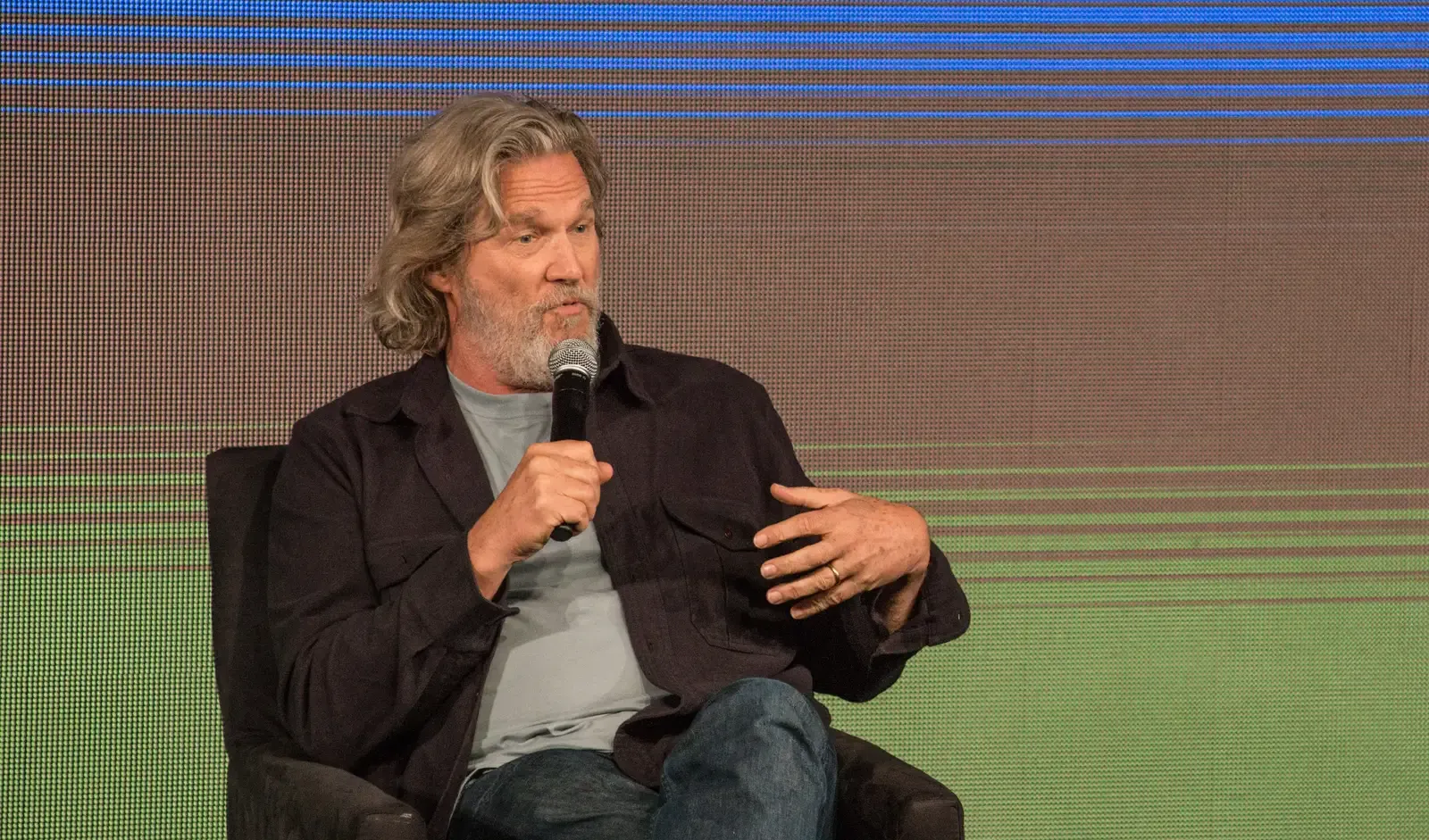
The Coen Brothers’ quirky mix of comedy, crime, and surrealism made The Big Lebowski hard to market to a wide audience. As a result, its advertising struggled to capture the movie’s unique tone, leaving many potential viewers unsure of what to expect. Additionally, critics didn’t particularly like it and gave it negative reviews. Even the Coen Brothers’ own reputation couldn’t save it initially. Critics called it minor work compared to Fargo.
The film received mediocre reviews and did little initial business, but it later gained a cult following due to its endlessly quotable dialogue, surreal crime story, and Jeff Bridges’ performance as The Dude. Festivals, themed events, and fan gatherings helped transform it into a modern holy grail of cult cinema. There is now an entire annual festival called Lebowski Fest. An entire festival. For a movie nobody wanted to see in 1998. If that’s not the ultimate redemption arc in film history, it’s pretty close.
What all nine of these films share is a refusal to be ordinary. They were strange, ambitious, uncommercial, or just deeply misunderstood in their moment. Often, films like these are under-appreciated by critical consensus upon release, or, in a more romantic sense, they are considered simply ahead of their time. The audiences who eventually found them didn’t just enjoy them. They claimed them. And that kind of loyalty lasts forever.
Which of these late bloomers surprised you most? Drop your thoughts in the comments, because there are definitely a few more films out there still waiting for their moment.